

 EasySep™小鼠TIL(CD45)正选试剂盒




搜索结果: 'EasySep Release'
-
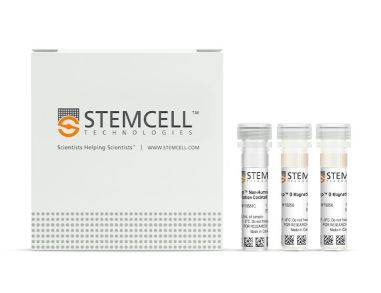 EasySep™非人灵长类T细胞分选试剂盒 通过免疫磁珠负选从包括恒河猴在内的非人灵长类中分离出无磁珠标记的T细胞
 -
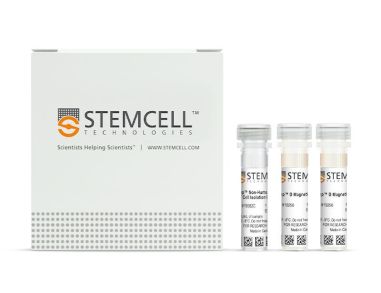 EasySep™非人灵长类CD4+ T细胞分选试剂盒
对来源于恒河猴或食蟹猴 PBMCs 的非人灵长类 CD4⁺ T 细胞进行免疫磁珠负选分离
-
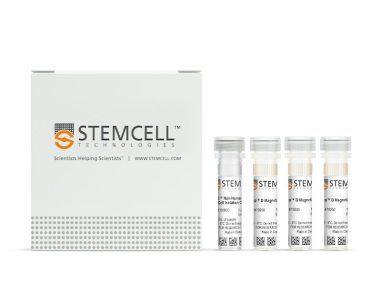 EasySep™非人灵长类CD8+ T细胞分选试剂盒
对来源于恒河猴或食蟹猴 PBMCs 的非人灵长类 CD8⁺ T 细胞进行免疫磁珠负选分离
-

产品类型:
产品号#:
19062
19062RF
19058
19058RF
100-1525
产品名:
EasySep™人浆细胞样DC富集试剂盒
RoboSep™ 人浆细胞样DC富集试剂盒含滤芯吸头
EasySep™人单核细胞富集试剂盒(不去除CD16)
RoboSep™ 人单核细胞富集试剂盒(不去除CD16)含滤芯吸头
EasySep™人单核细胞富集试剂盒(不去除CD16)
-
 产品手册EasySep™ Direct 仅需20分钟,从全血中分选细胞
产品类型:
品牌:
EasySep
产品号#:
19264
19655
19661
19662
19662RF
19663
19664
19666
19669
19674
19674RF
19665
19657
19659
19655RF
70501
70504
70504.1
70504.2
70504.3
70504.4
70504.5
70504.6
70507.1
70507.2
70507.3
70507.4
70507.5
70507.6
70508.1
70508.2
70508.3
70508.4
70508.5
70508.6
196
产品名:
EasySep™ Direct 人Naïve B细胞分选试剂盒
EasySep™ Direct人总淋巴细胞分选试剂盒
EasySep™ Direct人T细胞分选试剂盒
EasySep™ Direct人CD4+ T细胞分选试剂盒
RoboSep™ Direct人CD4+ T细胞分选试剂盒
EasySep™ Direct人CD8+ T细胞分选试剂盒
EasySep™ Direct 人B-CLL细胞分选试剂盒
EasySep™ Direct人中性粒细胞分选试剂盒
EasySep™ Direct人单核细胞分选试剂盒
EasySep™ Direct人B细胞分选试剂盒
RoboSep™ Direct人B细胞分选试剂盒
EasySep™ Direct人NK细胞分选试剂盒
EasySep™ Direct 人CTC富集试剂盒
EasySep™ Direct人Pan-粒细胞分选试剂盒
RoboSep™ Direct人总淋巴细胞分选试剂盒
-
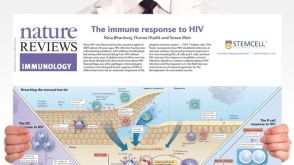 挂图The Immune Response to HIV Poster Summary of how HIV subverts the immune response to establish a chronic infection
 -
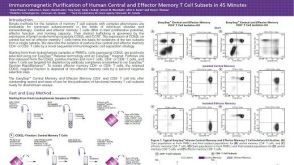 科学海报Immunomagnetic Purification of Human Central and Effector Memory T Cell Subsets in 45 Minutes
产品类型:
Conference:
KEYSTONE 2018
产品号#:
17865
17869
产品名:
EasySep™ 人中央和效应记忆CD4+ T细胞分选试剂盒
EasySep™ 人中央和效应记忆CD8+ T细胞分选试剂盒
-
产品类型:
产品号#:
17952
17952RF
100-0696
产品名:
EasySep™人CD4+ T细胞分选试剂盒
RoboSep™ 人CD4+ T细胞分选试剂盒
EasySep™人CD4+ T细胞分离试剂盒

 沪公网安备31010102008431号