Wunderlich M et al. (SEP 2006)
Blood 108 5 1690--7
Human CD34+ cells expressing the inv(16) fusion protein exhibit a myelomonocytic phenotype with greatly enhanced proliferative ability.
The t(16:16) and inv(16) are associated with FAB M4Eo myeloid leukemias and result in fusion of the CBFB gene to the MYH11 gene (encoding smooth muscle myosin heavy chain [SMMHC]). Knockout of CBFbeta causes embryonic lethality due to lack of definitive hematopoiesis. Although knock-in of CBFB-MYH11 is not sufficient to cause disease,expression increases the incidence of leukemia when combined with cooperating events. Although mouse models are valuable tools in the study of leukemogenesis,little is known about the contribution of CBFbeta-SMMHC to human hematopoietic stem and progenitor cell self-renewal. We introduced the CBFbeta-MYH11 cDNA into human CD34+ cells via retroviral transduction. Transduced cells displayed an initial repression of progenitor activity but eventually dominated the culture,resulting in the proliferation of clonal populations for up to 7 months. Long-term cultures displayed a myelomonocytic morphology while retaining multilineage progenitor activity and engraftment in NOD/SCID-B2M-/- mice. Progenitor cells from long-term cultures showed altered expression of genes defining inv(16) identified in microarray studies of human patient samples. This system will be useful in examining the effects of CBFbeta-SMMHC on gene expression in the human preleukemic cell,in characterizing the effect of this oncogene on human stem cell biology,and in defining its contribution to the development of leukemia.
View Publication
产品类型:
产品号#:
04100
产品名:
MethoCult™ H4100
Mü et al. (SEP 2012)
Stem Cell Reviews and Reports 8 3 720--740
Ca2+ Activated K Channels-New Tools to Induce Cardiac Commitment from Pluripotent Stem Cells in Mice and Men
Zhu L et al. (OCT 2016)
The Journal of cell biology 215 2 187--202
The mitochondrial protein CHCHD2 primes the differentiation potential of human induced pluripotent stem cells to neuroectodermal lineages.
Human induced pluripotent stem cell (hiPSC) utility is limited by variations in the ability of these cells to undergo lineage-specific differentiation. We have undertaken a transcriptional comparison of human embryonic stem cell (hESC) lines and hiPSC lines and have shown that hiPSCs are inferior in their ability to undergo neuroectodermal differentiation. Among the differentially expressed candidates between hESCs and hiPSCs,we identified a mitochondrial protein,CHCHD2,whose expression seems to correlate with neuroectodermal differentiation potential of pluripotent stem cells. We provide evidence that hiPSC variability with respect to CHCHD2 expression and differentiation potential is caused by clonal variation during the reprogramming process and that CHCHD2 primes neuroectodermal differentiation of hESCs and hiPSCs by binding and sequestering SMAD4 to the mitochondria,resulting in suppression of the activity of the TGFβ signaling pathway. Using CHCHD2 as a marker for assessing and comparing the hiPSC clonal and/or line differentiation potential provides a tool for large scale differentiation and hiPSC banking studies.
View Publication
产品类型:
产品号#:
85850
85857
产品名:
mTeSR™1
mTeSR™1
Ben-David U et al. (FEB 2013)
Cell stem cell 12 2 167--179
Selective elimination of human pluripotent stem cells by an oleate synthesis inhibitor discovered in a high-throughput screen
The use of human pluripotent stem cells (hPSCs) in cell therapy is hindered by the tumorigenic risk from residual undifferentiated cells. Here we performed a high-throughput screen of over 52,000 small molecules and identified 15 pluripotent cell-specific inhibitors (PluriSIns),nine of which share a common structural moiety. The PluriSIns selectively eliminated hPSCs while sparing a large array of progenitor and differentiated cells. Cellular and molecular analyses demonstrated that the most selective compound,PluriSIn 1,induces ER stress,protein synthesis attenuation,and apoptosis in hPSCs. Close examination identified this molecule as an inhibitor of stearoyl-coA desaturase (SCD1),the key enzyme in oleic acid biosynthesis,revealing a unique role for lipid metabolism in hPSCs. PluriSIn 1 was also cytotoxic to mouse blastocysts,indicating that the dependence on oleate is inherent to the pluripotent state. Finally,application of PluriSIn 1 prevented teratoma formation from tumorigenic undifferentiated cells. These findings should increase the safety of hPSC-based treatments. ?? 2013 Elsevier Inc.
View Publication
产品类型:
产品号#:
72822
85850
85857
产品名:
PluriSIn-1
mTeSR™1
mTeSR™1
Wang M et al. (MAR 2015)
ACS applied materials & interfaces 7 8 4560--4572
In Vitro Culture and Directed Osteogenic Differentiation of Human Pluripotent Stem Cells on Peptides-Decorated Two Dimensional Microenvironment
Human pluripotent stem cells (hPSCs) are a promising cell source with pluripotency and capacity to differentiate into all human somatic cell types. Designing simple and safe biomaterials with an innate ability to induce osteoblastic lineage from hPSCs is desirable to realize their clinical adoption in bone regenerative medicine. To address the issue,here we developed a fully defined synthetic peptides-decorated two dimensional (2D) microenvironment assisted via polydopamine (pDA) chemistry and subsequent carboxymethyl chitosan (CMC) grafting to enhance the culture and osteogenic potential of hPSCs in vitro. The hPSCs including human embryonic stem cells (hESCs) and human induced pluripotent stem cells (hiPSCs) were successfully cultured on the peptides-decorated surface without Matrigel- and ECM protein-coating and underwent promoted osteogenic differentiation in vitro,determined from the alkaline phosphate (ALP) activity,gene expression,and protein production as well as calcium deposit amount. It was found that directed osteogenic differentiation of hPSCs could be achieved through a peptides-decorated niche. This chemical-defined and safe 2D microenvironment which facilitates proliferation and osteo-differentiation of hPSCs,not only helps to accelerate the translational perspectives of hPSCs,but also provides tissue-specific functions such as directing stem cell differentiation commitment,having great potential in bone tissue engineering and presenting new avenues for bone regenerative medicine.
View Publication
产品类型:
产品号#:
07920
07922
85850
85857
产品名:
ACCUTASE™
ACCUTASE™
mTeSR™1
mTeSR™1
Maldonado M et al. (MAY 2015)
Biomaterials 50 1 10--19
The effects of electrospun substrate-mediated cell colony morphology on the self-renewal of human induced pluripotent stem cells
The development of xeno-free,chemically defined stem cell culture systems has been a primary focus in the field of regenerative medicine to enhance the clinical application of pluripotent stem cells (PSCs). In this regard,various electrospun substrates with diverse physiochemical properties were synthesized utilizing various polymer precursors and surface treatments. Human induced pluripotent stem cells (IPSCs) cultured on these substrates were characterized by their gene and protein expression to determine the effects of the substrate physiochemical properties on the cells' self-renewal,i.e.,proliferation and the maintenance of pluripotency. The results showed that surface chemistry significantly affected cell colony formation via governing the colony edge propagation. More importantly,when surface chemistry of the substrates was uniformly controlled by collagen conjugation,the stiffness of substrate was inversely related to the sphericity,a degree of three dimensionality in colony morphology. The differences in sphericity subsequently affected spontaneous differentiation of IPSCs during a long-term culture,implicating that the colony morphology is a deciding factor in the lineage commitment of PSCs. Overall,we show that the capability of controlling IPSC colony morphology by electrospun substrates provides a means to modulate IPSC self-renewal.
View Publication
产品类型:
产品号#:
85850
85857
产品名:
mTeSR™1
mTeSR™1
Zou J et al. (MAY 2011)
Blood 117 21 5561--5572
Oxidase-deficient neutrophils from X-linked chronic granulomatous disease iPS cells: functional correction by zinc finger nuclease-mediated safe harbor targeting.
We have developed induced pluripotent stem cells (iPSCs) from a patient with X-linked chronic granulomatous disease (X-CGD),a defect of neutrophil microbicidal reactive oxygen species (ROS) generation resulting from gp91(phox) deficiency. We demonstrated that mature neutrophils differentiated from X-CGD iPSCs lack ROS production,reproducing the pathognomonic CGD cellular phenotype. Targeted gene transfer into iPSCs,with subsequent selection and full characterization to ensure no off-target changes,holds promise for correction of monogenic diseases without the insertional mutagenesis caused by multisite integration of viral or plasmid vectors. Zinc finger nuclease-mediated gene targeting of a single-copy gp91(phox) therapeutic minigene into one allele of the safe harbor" AAVS1 locus in X-CGD iPSCs without off-target inserts resulted in sustained expression of gp91(phox) and substantially restored neutrophil ROS production. Our findings demonstrate how precise gene targeting may be applied to correction of X-CGD using zinc finger nuclease and patient iPSCs."
View Publication
产品类型:
产品号#:
09600
09650
85850
85857
产品名:
StemSpan™ SFEM
StemSpan™ SFEM
mTeSR™1
mTeSR™1
Zimmer SN et al. (JUL 2011)
Blood 118 1 69--79
Crebbp haploinsufficiency in mice alters the bone marrow microenvironment, leading to loss of stem cells and excessive myelopoiesis.
CREB-binding protein (CREBBP) is important for the cell-autonomous regulation of hematopoiesis,including the stem cell compartment. In the present study,we show that CREBBP plays an equally pivotal role in microenvironment-mediated regulation of hematopoiesis. We found that the BM microenvironment of Crebbp(+/-) mice was unable to properly maintain the immature stem cell and progenitor cell pools. Instead,it stimulates myeloid differentiation,which progresses into a myeloproliferation phenotype. Alterations in the BM microenvironment resulting from haploinsufficiency of Crebbp included a marked decrease in trabecular bone that was predominantly caused by increased osteoclastogenesis. Although CFU-fibroblast (CFU-F) and total osteoblast numbers were decreased,the bone formation rate was similar to that found in wild-type mice. At the molecular level,we found that the known hematopoietic modulators matrix metallopeptidase-9 (MMP9) and kit ligand (KITL) were decreased with heterozygous levels of Crebbp. Lastly,potentially important regulatory proteins,endothelial cell adhesion molecule 1 (ESAM1) and cadherin 5 (CDH5),were increased on Crebbp(+/-) endothelial cells. Our findings reveal that a full dose of Crebbp is essential in the BM microenvironment to maintain proper hematopoiesis and to prevent excessive myeloproliferation.
View Publication
产品类型:
产品号#:
03434
03444
03630
28600
产品名:
MethoCult™GF M3434
MethoCult™GF M3434
MethoCult™M3630
L-Calc™有限稀释软件
Lee J et al. (AUG 2015)
FASEB journal : official publication of the Federation of American Societies for Experimental Biology 29 8 3399--3410
Early induction of a prechondrogenic population allows efficient generation of stable chondrocytes from human induced pluripotent stem cells.
Regeneration of human cartilage is inherently inefficient; an abundant autologous source,such as human induced pluripotent stem cells (hiPSCs),is therefore attractive for engineering cartilage. We report a growth factor-based protocol for differentiating hiPSCs into articular-like chondrocytes (hiChondrocytes) within 2 weeks,with an overall efficiency textgreater90%. The hiChondrocytes are stable and comparable to adult articular chondrocytes in global gene expression,extracellular matrix production,and ability to generate cartilage tissue in vitro and in immune-deficient mice. Molecular characterization identified an early SRY (sex-determining region Y) box (Sox)9(low) cluster of differentiation (CD)44(low)CD140(low) prechondrogenic population during hiPSC differentiation. In addition,2 distinct Sox9-regulated gene networks were identified in the Sox9(low) and Sox9(high) populations providing novel molecular insights into chondrogenic fate commitment and differentiation. Our findings present a favorable method for generating hiPSC-derived articular-like chondrocytes. The hiChondrocytes are an attractive cell source for cartilage engineering because of their abundance,autologous nature,and potential to generate articular-like cartilage rather than fibrocartilage. In addition,hiChondrocytes can be excellent tools for modeling human musculoskeletal diseases in a dish and for rapid drug screening.
View Publication
产品类型:
产品号#:
07923
85850
85857
产品名:
Dispase (1 U/mL)
mTeSR™1
mTeSR™1
Wu Q et al. (DEC 2015)
Cell Research 25 12 1--19
MSX2 mediates entry of human pluripotent stem cells into mesendoderm by simultaneously suppressing SOX2 and activating NODAL signaling
How BMP signaling integrates into and destabilizes the pluripotency circuitry of human pluripotent stem cells (hPSCs) to initiate differentiation into individual germ layers is a long-standing puzzle. Here we report muscle segment homeobox 2 (MSX2),a homeobox transcription factor of msh family,as a direct target gene of BMP signaling and a master mediator of hPSCs' differentiation to mesendoderm. Enforced expression of MSX2 suffices to abolish pluripotency and induce directed mesendoderm differentiation of hPSCs,while MSX2 depletion impairs mesendoderm induction. MSX2 is a direct target gene of the BMP pathway in hPSCs,and can be synergistically activated by Wnt signals via LEF1 during mesendoderm induction. Furthermore,MSX2 destabilizes the pluripotency circuitry through direct binding to the SOX2 promoter and repression of SOX2 transcription,while MSX2 controls mesendoderm lineage commitment by simultaneous suppression of SOX2 and induction of NODAL expression through direct binding and activation of the Nodal promoter. Interestingly,SOX2 can promote the degradation of MSX2 protein,suggesting a mutual antagonism between the two lineage-specifying factors in the control of stem cell fate. Together,our findings reveal crucial new mechanisms of destabilizing pluripotency and directing lineage commitment in hPSCs.
View Publication


 EasySep™小鼠TIL(CD45)正选试剂盒




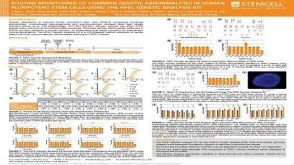 科学海报Routine Monitoring of Common Genetic Abnormalities in Human Pluripotent Stem Cells Using the hPSC Genetic Analysis Kit
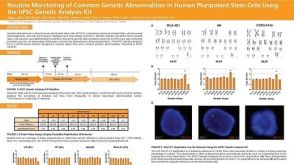 科学海报Routine Monitoring of Common Genetic Abnormalities in Human Pluripotent Stem Cells Using the hPSC Genetic Analysis Kit

 沪公网安备31010102008431号