Traggiai E et al. (FEB 2008)
Stem cells (Dayton,Ohio) 26 2 562--9
Bone marrow-derived mesenchymal stem cells induce both polyclonal expansion and differentiation of B cells isolated from healthy donors and systemic lupus erythematosus patients.
Human bone marrow multipotent mesenchymal stromal cells are progenitor cells that can be expanded in vitro and differentiate into various cells of mesodermal origin. They contribute to the bone marrow reticular niche,where mature B cells and long-lived plasma cells are maintained. Multipotent mesenchymal stromal cells were recently shown to modulate T- and B-cell proliferation and differentiation,dendritic cell maturation,and natural killer activity. These immunoregulatory properties encouraged a possible use of these cells to modulate autoimmune responses in humans. We studied the influence of bone marrow mesenchymal stem cells on highly purified B-cell subsets isolated from healthy donors and total B cells from pediatric systemic lupus erythematosus patients. Bone marrow mesenchymal stem cells promoted proliferation and differentiation into immunoglobulin-secreting cells of transitional and naive B cells stimulated with an agonist of Toll-like receptor 9,in the absence of B cell receptor triggering. They strongly enhanced proliferation and differentiation into plasma cells of memory B-cell populations. A similar effect was observed in response to polyclonal stimulation of B cells isolated from pediatric patients with systemic lupus erythematosus. This study casts important questions on bone marrow mesenchymal stem cells as a therapeutic tool in autoimmune diseases in which B-cell activation is crucially implicated in the pathogenesis of the disease.
View Publication
产品类型:
产品号#:
05401
05402
05411
产品名:
MesenCult™ MSC基础培养基 (人)
MesenCult™ MSC 刺激补充剂(人)
MesenCult™ 增殖试剂盒(人)
Xu Q et al. (AUG 2003)
Blood 102 3 972--80
Survival of acute myeloid leukemia cells requires PI3 kinase activation.
The mechanisms that regulate the growth and survival of acute myeloid leukemia (AML) cells are largely unknown. We hypothesized that constitutive activation of phosphatidyl-inositide 3 kinase (PI3 kinase) could regulate survival in primary cells from patients with AML. Here we demonstrate that Akt,a critical substrate of PI3 kinase,is activated in AML blasts. In a short-term culture system,most AML patient samples showed a dose-dependent decrease in survival after incubation with the PI3 kinase inhibitor LY294002. This decrease in survival was partially due to the induction of apoptosis. Furthermore,we have shown that p70 S6 kinase and 4EBP-1,downstream mediators of Akt signaling,also are phosphorylated in AML blasts. Phosphorylation of these proteins is inhibited by the mTOR inhibitor RAD001. Incubation of AML blasts with RAD001 induces only a small decrease in survival of the cells; however,when combined with Ara-C,RAD001 enhances the toxicity of Ara-C. These results demonstrate that constitutive activation of the PI3 kinase pathway is necessary for the survival of AML blasts and that targeting of this pathway with pharmacologic inhibitors may be of clinical benefit in treatment of AML.
View Publication
产品类型:
产品号#:
09500
产品名:
BIT 9500血清替代物
Walker A et al. (JAN 2010)
Nature communications 1 6 71
Non-muscle myosin II regulates survival threshold of pluripotent stem cells.
Human pluripotent stem (hPS) cells such as human embryonic stem (hES) and induced pluripotent stem (hiPS) cells are vulnerable under single cell conditions,which hampers practical applications; yet,the mechanisms underlying this cell death remain elusive. In this paper,we demonstrate that treatment with a specific inhibitor of non-muscle myosin II (NMII),blebbistatin,enhances the survival of hPS cells under clonal density and suspension conditions,and,in combination with a synthetic matrix,supports a fully defined environment for self-renewal. Consistent with this,genetically engineered mouse embryonic stem cells lacking an isoform of NMII heavy chain (NMHCII),or hES cells expressing a short hairpin RNA to knock down NMHCII,show greater viability than controls. Moreover,NMII inhibition increases the expression of self-renewal regulators Oct3/4 and Nanog,suggesting a mechanistic connection between NMII and self-renewal. These results underscore the importance of the molecular motor,NMII,as a novel target for chemically engineering the survival and self-renewal of hPS cells.
View Publication
产品类型:
产品号#:
72402
72404
85850
85857
产品名:
(-)-Blebbistatin
(-)-Blebbistatin
mTeSR™1
mTeSR™1
Sandt C et al. (JAN 2012)
PLoS ONE 7 4 e30743
Identification of spectral modifications occurring during reprogramming of somatic cells.
Recent technological advances in cell reprogramming by generation of induced pluripotent stem cells (iPSC) offer major perspectives in disease modelling and future hopes for providing novel stem cells sources in regenerative medicine. However,research on iPSC still requires refining the criteria of the pluripotency stage of these cells and exploration of their equivalent functionality to human embryonic stem cells (ESC). We report here on the use of infrared microspectroscopy to follow the spectral modification of somatic cells during the reprogramming process. We show that induced pluripotent stem cells (iPSC) adopt a chemical composition leading to a spectral signature indistinguishable from that of embryonic stem cells (ESC) and entirely different from that of the original somatic cells. Similarly,this technique allows a distinction to be made between partially and fully reprogrammed cells. We conclude that infrared microspectroscopy signature is a novel methodology to evaluate induced pluripotency and can be added to the tests currently used for this purpose.
View Publication
Maximum diastolic potential of human induced pluripotent stem cell-derived cardiomyocytes depends critically on I(Kr).
Human induced pluripotent stem cell-derived cardiomyocytes (hiPSC-CM) hold promise for therapeutic applications. To serve these functions,the hiPSC-CM must recapitulate the electrophysiologic properties of native adult cardiomyocytes. This study examines the electrophysiologic characteristics of hiPSC-CM between 11 and 121 days of maturity. Embryoid bodies (EBs) were generated from hiPS cell line reprogrammed with Oct4,Nanog,Lin28 and Sox2. Sharp microelectrodes were used to record action potentials (AP) from spontaneously beating clusters (BC) micro-dissected from the EBs (n = 103; 37°C) and to examine the response to 5 µM E-4031 (n = 21) or BaCl(2) (n = 22). Patch-clamp techniques were used to record I(Kr) and I(K1) from cells enzymatically dissociated from BC (n = 49; 36°C). Spontaneous cycle length (CL) and AP characteristics varied widely among the 103 preparations. E-4031 (5 µM; n = 21) increased Bazett-corrected AP duration from 291.8±81.2 to 426.4±120.2 msec (ptextless0.001) and generated early afterdepolarizations in 8/21 preparations. In 13/21 BC,E-4031 rapidly depolarized the clusters leading to inexcitability. BaCl(2),at concentrations that selectively block I(K1) (50-100 µM),failed to depolarize the majority of clusters (13/22). Patch-clamp experiments revealed very low or negligible I(K1) in 53% (20/38) of the cells studied,but presence of I(Kr) in all (11/11). Consistent with the electrophysiological data,RT-PCR and immunohistochemistry studies showed relatively poor mRNA and protein expression of I(K1) in the majority of cells,but robust expression of I(Kr.) In contrast to recently reported studies,our data point to major deficiencies of hiPSC-CM,with remarkable diversity of electrophysiologic phenotypes as well as pharmacologic responsiveness among beating clusters and cells up to 121 days post-differentiation (dpd). The vast majority have a maximum diastolic potential that depends critically on I(Kr) due to the absence of I(K1). Thus,efforts should be directed at producing more specialized and mature hiPSC-CM for future therapeutic applications.
View Publication
产品类型:
产品号#:
85850
85857
产品名:
mTeSR™1
mTeSR™1
Son MY et al. (NOV 2013)
Stem Cells 31 11 2374--2387
Unveiling the critical role of REX1 in the regulation of human stem cell pluripotency
Reduced expression 1 (REX1) is a widely used pluripotency marker,but little is known about its roles in pluripotency. Here,we show that REX1 is functionally important in the reacquisition and maintenance of pluripotency. REX1-depleted human pluripotent stem cells (hPSCs) lose their self-renewal capacity and full differentiation potential,especially their mesoderm lineage potential. Cyclin B1/B2 expression was found to parallel that of REX1. REX1 positively regulates the transcriptional activity of cyclin B1/B2 through binding to their promoters. REX1 induces the phosphorylation of DRP1 at Ser616 by cyclin B/CDK1,which leads to mitochondrial fission and appears to be important for meeting the high-energy demands of highly glycolytic hPSCs. During reprogramming to pluripotency by defined factors (OCT4,SOX2,KLF4,and c-MYC),the reprogramming kinetics and efficiency are markedly improved by adding REX1 or replacing KLF4 with REX1. These improvements are achieved by lowering reprogramming barriers (growth arrest and apoptosis),by enhancing mitochondrial fission,and by conversion to glycolytic metabolism,dependent on the cyclin B1/B2-DRP1 pathway. Our results show that a novel pluripotency regulator,REX1,is essential for pluripotency and reprogramming.
View Publication
产品类型:
产品号#:
85850
85857
产品名:
mTeSR™1
mTeSR™1
Li J et al. (DEC 2015)
Biomedical microdevices 17 6 105
Fabrication of uniform-sized poly-ɛ-caprolactone microspheres and their applications in human embryonic stem cell culture.
The generation of liquefied poly-ɛ-caprolactone (PCL) droplets by means of a microfluidic device results in uniform-sized microspheres,which are validated as microcarriers for human embryonic stem cell culture. Formed droplet size and size distribution,as well as the resulting PCL microsphere size,are correlated with the viscosity and flow rate ratio of the dispersed (Q d) and continuous (Q c) phases. PCL in dichloromethane increases its viscosity with concentration and molecular weight. Higher viscosity and Q d/Q c lead to the formation of larger droplets,within two observed formation modes: dripping and jetting. At low viscosity of dispersed phase and Q d/Q c,the microfluidic device is operated in dripping mode,which generates droplets and microspheres with greater size uniformity. Solutions with lower molecular weight PCL have lower viscosity,resulting in a wider concentration range for the dripping mode. When coated with extracellular matrix (ECM) proteins,the fabricated PCL microspheres are demonstrated capable of supporting the expansion of human embryonic stem cells.
View Publication
产品类型:
产品号#:
85850
85857
产品名:
mTeSR™1
mTeSR™1
Kang S-JJ et al. (JUN 2016)
Cell Biology and Toxicology 1--15
Chemically induced hepatotoxicity in human stem cell-induced hepatocytes compared with primary hepatocytes and HepG2
Stem cell-induced hepatocytes (SC-iHeps) have been suggested as a valuable model for evaluating drug toxicology. Here,human-induced pluripotent stem cells (QIA7) and embryonic stem cells (WA01) were differentiated into hepatocytes,and the hepatotoxic effects of acetaminophen (AAP) and aflatoxin B1 (AFB1) were compared with primary hepatocytes (p-Heps) and HepG2. In a cytotoxicity assay,the IC50 of SC-iHeps was similar to that in p-Heps and HepG2 in the AAP groups but different from that in p-Heps of the AFB1 groups. In a multi-parameter assay,phenotypic changes in mitochondrial membrane potential,calcium influx and oxidative stress were similar between QIA7-iHeps and p-Heps following AAP and AFB1 treatment but relatively low in WA01-iHeps and HepG2. Most hepatic functional markers (hepatocyte-specific genes,albumin/urea secretion,and the CYP450 enzyme activity) were decreased in a dose-dependent manner following AAP and AFB1 treatment in SC-iHeps and p-Heps but not in HepG2. Regarding CYP450 inhibition,the cell viability of SC-iHeps and p-Heps was increased by ketoconazole,a CYP3A4 inhibitor. Collectively,SC-iHeps and p-Heps showed similar cytotoxicity and hepatocyte functional effects for AAP and AFB1 compared with HepG2. Therefore,SC-iHeps have phenotypic characteristics and sensitivity to cytotoxic chemicals that are more similar to p-Heps than to HepG2 cells.
View Publication
产品类型:
产品号#:
85850
85857
产品名:
mTeSR™1
mTeSR™1
Islam I et al. ( 2016)
Stem cells international 2016 1659275
In Vitro Osteogenic Potential of Green Fluorescent Protein Labelled Human Embryonic Stem Cell-Derived Osteoprogenitors.
Cellular therapy using stem cells in bone regeneration has gained increasing interest. Various studies suggest the clinical utility of osteoprogenitors-like mesenchymal stem cells in bone regeneration. However,limited availability of mesenchymal stem cells and conflicting evidence on their therapeutic efficacy limit their clinical application. Human embryonic stem cells (hESCs) are potentially an unlimited source of healthy and functional osteoprogenitors (OPs) that could be utilized for bone regenerative applications. However,limited ability to track hESC-derived progenies in vivo greatly hinders translational studies. Hence,in this study,we aimed to establish hESC-derived OPs (hESC-OPs) expressing green fluorescent protein (GFP) and to investigate their osteogenic differentiation potential in vitro. We fluorescently labelled H9-hESCs using a plasmid vector encoding GFP. The GFP-expressing hESCs were differentiated into hESC-OPs. The hESC-OPs(GFP+) stably expressed high levels of GFP,CD73,CD90,and CD105. They possessed osteogenic differentiation potential in vitro as demonstrated by increased expression of COL1A1,RUNX2,OSTERIX,and OPG transcripts and mineralized nodules positive for Alizarin Red and immunocytochemical expression of osteocalcin,alkaline phosphatase,and collagen-I. In conclusion,we have demonstrated that fluorescently labelled hESC-OPs can maintain their GFP expression for the long term and their potential for osteogenic differentiation in vitro. In future,these fluorescently labelled hESC-OPs could be used for noninvasive assessment of bone regeneration,safety,and therapeutic efficacy.
View Publication


 EasySep™小鼠TIL(CD45)正选试剂盒




 25:30
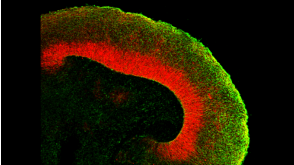
线上讲座Brains in a Dish: Using Cerebral Organoids to Study Human Brain Development and Disease发布日期: 07/03/2017
25:30
线上讲座Brains in a Dish: Using Cerebral Organoids to Study Human Brain Development and Disease发布日期: 07/03/2017

 沪公网安备31010102008431号