The AC133+CD38-, but not the rhodamine-low, phenotype tracks LTC-IC and SRC function in human cord blood ex vivo expansion cultures.
Phenotypic markers associated with human hematopoietic stem cells (HSCs) were developed and validated using uncultured cells. Because phenotype and function can be dissociated during culture,better markers to prospectively track and isolate HSCs in ex vivo cultures could be instrumental in advancing HSC-based therapies. Using an expansion system previously shown to increase hematopoietic progenitors and SCID-repopulating cells (SRCs),we demonstrated that the rhodamine-low phenotype was lost,whereas AC133 expression was retained throughout culture. Furthermore,the AC133(+)CD38(-) subpopulation was significantly enriched in long-term culture-initiating cells (LTC-IC) and SRCs after culture. Preculture and postculture analysis of total nucleated cell and LTC-IC number,and limiting dilution analysis in NOD/SCID mice,showed a 43-fold expansion of the AC133(+)CD38(-) subpopulation that corresponded to a 7.3-fold and 4.4-fold expansion of LTC-ICs and SRCs in this subpopulation,respectively. Thus,AC133(+)CD38(-) is an improved marker that tracks and enriches for LTC-IC and SRC in ex vivo cultures.
View Publication
Jiang B et al. (OCT 2015)
Biomaterials 65 103--114
Generation of cardiac spheres from primate pluripotent stem cells in a small molecule-based 3D system.
Pluripotent stem cell (PSC) usage in heart regenerative medicine requires producing enriched cardiomyocytes (CMs) with mature phenotypes in a defined medium. However,current methods are typically performed in 2D environments that produce immature CMs. Here we report a simple,growth factor-free 3D culture system to rapidly and efficiently generate 85.07 ± 1.8% of spontaneously contractile cardiac spheres (scCDSs) using 3D-cultured human and monkey PSC-spheres. Along with small molecule-based 3D induction,this protocol produces CDSs of up to 95.7% CMs at a yield of up to 237 CMs for every input pluripotent cell,is effective for human and monkey PSCs,and maintains 81.03 ± 12.43% of CDSs in spontaneous contractibility for over three months. These CDSs displayed CM ultrastructure,calcium transient,appropriate pharmacological responses and CM gene expression profiles specific for maturity. Furthermore,3D-derived CMs displayed more mature phenotypes than those from a parallel 2D-culture. The system is compatible to large-scaly produce CMs for disease study,cell therapy and pharmaceutics screening.
View Publication
产品类型:
产品号#:
07923
85850
85857
产品名:
Dispase (1 U/mL)
mTeSR™1
mTeSR™1
Phetfong J et al. (JUL 2016)
Cell and Tissue Research 365 1 101--112
Cell type of origin influences iPSC generation and differentiation to cells of the hematoendothelial lineage
The use of induced pluripotent stem cells (iPSCs) as a source of cells for cell-based therapy in regenerative medicine is hampered by the limited efficiency and safety of the reprogramming procedure and the low efficiency of iPSC differentiation to specialized cell types. Evidence suggests that iPSCs retain an epigenetic memory of their parental cells with a possible influence on their differentiation capacity in vitro. We reprogramme three cell types,namely human umbilical cord vein endothelial cells (HUVECs),endothelial progenitor cells (EPCs) and human dermal fibroblasts (HDFs),to iPSCs and compare their hematoendothelial differentiation capacity. HUVECs and EPCs were at least two-fold more efficient in iPSC reprogramming than HDFs. Both HUVEC- and EPC-derived iPSCs exhibited high potentiality toward endothelial cell differentiation compared with HDF-derived iPSCs. However,only HUVEC-derived iPSCs showed efficient differentiation to hematopoietic stem/progenitor cells. Examination of DNA methylation at promoters of hematopoietic and endothelial genes revealed evidence for the existence of epigenetic memory at the endothelial genes but not the hematopoietic genes in iPSCs derived from HUVECs and EPCs indicating that epigenetic memory involves an endothelial differentiation bias. Our findings suggest that endothelial cells and EPCs are better sources for iPSC derivation regarding their reprogramming efficiency and that the somatic cell type used for iPSC generation toward specific cell lineage differentiation is of importance.
View Publication
产品类型:
产品号#:
04435
04445
07923
85850
85857
产品名:
MethoCult™H4435富集
MethoCult™H4435富集
Dispase (1 U/mL)
mTeSR™1
mTeSR™1
Low K et al. (APR 2017)
Stem cell reports
Physico-electrochemical Characterization of Pluripotent Stem Cells during Self-Renewal or Differentiation by a Multi-modal Monitoring System.
Monitoring pluripotent stem cell behaviors (self-renewal and differentiation to specific lineages/phenotypes) is critical for a fundamental understanding of stem cell biology and their translational applications. In this study,a multi-modal stem cell monitoring system was developed to quantitatively characterize physico-electrochemical changes of the cells in real time,in relation to cellular activities during self-renewal or lineage-specific differentiation,in a non-destructive,label-free manner. The system was validated by measuring physical (mass) and electrochemical (impedance) changes in human induced pluripotent stem cells undergoing self-renewal,or subjected to mesendodermal or ectodermal differentiation,and correlating them to morphological (size,shape) and biochemical changes (gene/protein expression). An equivalent circuit model was used to further dissect the electrochemical (resistive and capacitive) contributions of distinctive cellular features. Overall,the combination of the physico-electrochemical measurements and electrical circuit modeling collectively offers a means to longitudinally quantify the states of stem cell self-renewal and differentiation.
View Publication
产品类型:
产品号#:
85850
85857
产品名:
mTeSR™1
mTeSR™1
Moussaieff A et al. (MAR 2015)
Cell Metabolism 21 3 392--402
Glycolysis-mediated changes in acetyl-CoA and histone acetylation control the early differentiation of embryonic stem cells
Loss of pluripotency is a gradual event whose initiating factors are largely unknown. Here we report the earliest metabolic changes induced during the first hours of differentiation. High-resolution NMR identified 44 metabolites and a distinct metabolic transition occurring during early differentiation. Metabolic and transcriptional analyses showed that pluripotent cells produced acetyl-CoA through glycolysis and rapidly lost this function during differentiation. Importantly,modulation of glycolysis blocked histone deacetylation and differentiation in human and mouse embryonic stem cells. Acetate,a precursor of acetyl-CoA,delayed differentiation and blocked early histone deacetylation in a dose-dependent manner. Inhibitors upstream of acetyl-CoA caused differentiation of pluripotent cells,while those downstream delayed differentiation. Our results show a metabolic switch causing a loss of histone acetylation and pluripotent state during the first hours of differentiation. Our data highlight the important role metabolism plays in pluripotency and suggest that a glycolytic switch controlling histone acetylation can release stem cells from pluripotency.
View Publication
产品类型:
产品号#:
85850
85857
产品名:
mTeSR™1
mTeSR™1
Feng T et al. (NOV 2010)
Journal of immunology (Baltimore,Md. : 1950) 185 10 5915--25
Generation of mucosal dendritic cells from bone marrow reveals a critical role of retinoic acid.
It is unknown how dendritic cells (DCs) become specialized as mucosal DCs and maintain intestinal homeostasis. We report that a subset of bone marrow cells freshly isolated from C57BL/6 mice express the retinoic acid (RA)-synthesizing enzyme aldehyde dehydrogenase family 1,subfamily A2 (ALDH1a2) and are capable of providing RA to DC precursors in the bone marrow microenvironment. RA induced bone marrow-derived DCs to express CCR9 and ALDH1a2 and conferred upon them mucosal DC functions,including induction of Foxp3(+) regulatory T cells,IgA-secreting B cells,and gut-homing molecules. This response of DCs to RA was dependent on a narrow time window and stringent dose effect. RA promoted bone marrow-derived DC production of bioactive TGF-β by inhibiting suppressor of cytokine signaling 3 expression and thereby enhancing STAT3 activation. These RA effects were evident in vivo,in that mucosal DCs from vitamin A-deficient mice had reduced mucosal DC function,namely failure to induce Foxp3(+) regulatory T cells. Furthermore,MyD88 signaling enhanced RA-educated DC ALDH1a2 expression and was required for optimal TGF-β production. These data indicate that RA plays a critical role in the generation of mucosal DCs from bone marrow and in their functional activity.
View Publication
产品类型:
产品号#:
01700
01705
01702
产品名:
ALDEFLUOR™ 试剂盒
ALDEFLUOR™ DEAB试剂
ALDEFLUOR™测定缓冲液
Seibler P et al. (APR 2011)
The Journal of neuroscience : the official journal of the Society for Neuroscience 31 16 5970--6
Mitochondrial Parkin recruitment is impaired in neurons derived from mutant PINK1 induced pluripotent stem cells.
Genetic Parkinson disease (PD) has been associated with mutations in PINK1,a gene encoding a mitochondrial kinase implicated in the regulation of mitochondrial degradation. While the studies so far examined PINK1 function in non-neuronal systems or through PINK1 knockdown approaches,there is an imperative to examine the role of endogenous PINK1 in appropriate human-derived and biologically relevant cell models. Here we report the generation of induced pluripotent stem (iPS) cells from skin fibroblasts taken from three PD patients with nonsense (c.1366CtextgreaterT; p.Q456X) or missense (c.509TtextgreaterG; p.V170G) mutations in the PINK1 gene. These cells were differentiated into dopaminergic neurons that upon mitochondrial depolarization showed impaired recruitment of lentivirally expressed Parkin to mitochondria,increased mitochondrial copy number,and upregulation of PGC-1α,an important regulator of mitochondrial biogenesis. Importantly,these alterations were corrected by lentiviral expression of wild-type PINK1 in mutant iPS cell-derived PINK1 neurons. In conclusion,our studies suggest that fibroblasts from genetic PD can be reprogrammed and differentiated into neurons. These neurons exhibit distinct phenotypes that should be amenable to further mechanistic studies in this relevant biological context.
View Publication
产品类型:
产品号#:
36254
85850
85857
产品名:
DMEM/F-12 with 15 mM HEPES
mTeSR™1
mTeSR™1
Meziane EK et al. (JUL 2011)
Journal of cell science 124 Pt 13 2175--86
Knockdown of Fbxo7 reveals its regulatory role in proliferation and differentiation of haematopoietic precursor cells.
Fbxo7 is an unusual F-box protein because most of its interacting proteins are not substrates for ubiquitin-mediated degradation. Fbxo7 directly binds p27 and Cdk6,enhances the level of cyclin D-Cdk6 complexes,and its overexpression causes Cdk6-dependent transformation of immortalised fibroblasts. Here,we test the ability of Fbxo7 to transform haematopoietic pro-B (Ba/F3) cells which,unexpectedly,it was unable to do despite high levels of Cdk6. Instead,reduction of Fbxo7 expression increased proliferation,decreased cell size and shortened G1 phase. Analysis of cell cycle regulators showed that cells had decreased levels of p27,and increased levels of S phase cyclins and Cdk2 activity. Also,Fbxo7 protein levels correlated inversely with those of CD43,suggesting direct regulation of its expression and,therefore,of B cell maturation. Alterations to Cdk6 protein levels did not affect the cell cycle,indicating that Cdk6 is neither rate-limiting nor essential in Ba/F3 cells; however,decreased expression of Cdk6 also enhanced levels of CD43,indicating that expression of CD43 is independent of cell cycle regulation. The physiological effect of reduced levels of Fbxo7 was assessed by creating a transgenic mouse with a LacZ insertion into the Fbxo7 locus. Homozygous Fbxo7(LacZ) mice showed significantly increased pro-B cell and pro-erythroblast populations,consistent with Fbxo7 having an anti-proliferative function and/or a role in promoting maturation of precursor cells.
View Publication
产品类型:
产品号#:
03234
产品名:
MethoCult™M3234
Eichler H et al. (JAN 2003)
Stem cells (Dayton,Ohio) 21 2 208--16
Engraftment capacity of umbilical cord blood cells processed by either whole blood preparation or filtration.
Umbilical cord blood (UCB) preparation needs to be optimized in order to develop more simplified procedures for volume reduction,as well as to reduce the amount of contaminating cells within the final stem cell transplant. We evaluated a novel filter device (StemQuick((TM))E) and compared it with our routine buffy coat (BC) preparation procedure for the enrichment of hematopoietic progenitor cells (HPCs). Two groups of single or pooled UCB units were filtered (each n = 6),or equally divided in two halves and processed by filtration and BC preparation in parallel (n = 10). The engraftment capacity of UCB samples processed by whole blood (WB) preparation was compared with paired samples processed by filtration in the nonobese diabetic/severe combined immunodeficient (NOD/SCID) mouse animal model. Filtration of UCB units in the two groups with a mean volume of 87.8 and 120.7 ml,respectively,and nucleated cell (NC) content of 9.7 and 23.8 x 10(8) resulted in a sufficient mean cell recovery for mononucleated cells ([MNCs] 74.2%-77.5%),CD34(+) cells (76.3%-79.0%),and colony-forming cells (64.1%-86.3%). Moreover,we detected a relevant depletion of the transplants for RBCs (89.2%-90.0%) and platelets ([PLTs] 77.5%-86.1%). In contrast,the mean depletion rate using BC processing proved to be significantly different for PLTs (10%,p = 0.03) and RBCs (39.6%,p textless 0.01). The NC composition showed a highly significant increase in MNCs and a decrease in granulocytes after filtration (p textless 0.01),compared with a less significant MNC increase in the BC group (p textless 0.05). For mice transplanted with WB-derived progenitors,we observed a mean of 15.3% +/- 15.5% of human CD45(+) cells within the BM compared with 19.9% +/- 16.8% for mice transplanted with filter samples (p = 0.03). The mean percentage of human CD34(+) cells was 4.2% +/- 3.1% for WB samples and 4.5% +/- 3.2% for filter samples (p = 0.68). As the data of NOD/SCID mice transplantation demonstrated a significant engraftment capacity of HPCs processed by filtration,no negative effect on the engraftment potential of filtered UCB cells versus non-volume-reduced cells from WB transplants was found. The StemQuick((TM))E filter devices proved to be a useful tool for Good Manufacturing Practices conform enrichment of HPCs and MNCs out of UCB. Filtration enables a quick and standardized preparation of a volume-reduced UCB transplant,including a partial depletion of granulocytes,RBCs,and PLTs without the need for centrifugation. Therefore,it seems very probable that filter-processed UCB transplants will also result in sufficient hematopoietic reconstitution in humans.
View Publication
产品类型:
产品号#:
04434
04444
04535
04545
04564
04035
04034
04044
04435
04445
04534
04544
产品名:
MethoCult™H4434经典
MethoCult™H4434经典
MethoCult™H4535富集无EPO
MethoCult™ H4535 Enriched,不含EPO
入门套件MethoCult™H4534经典无EPO
MethoCult™H4035 Optimum无EPO
MethoCult™H4034 Optimum
MethoCult™H4034 Optimum
MethoCult™H4435富集
MethoCult™H4435富集
MethoCult™H4534经典无EPO
MethoCult™H4534经典无EPO
Thanopoulou E et al. (JUN 2004)
Blood 103 11 4285--93
Engraftment of NOD/SCID-beta2 microglobulin null mice with multilineage neoplastic cells from patients with myelodysplastic syndrome.
The development of immunodeficient mouse xenograft models has greatly facilitated the investigation of some human hematopoietic malignancies,but application of this approach to the myelodysplastic syndromes (MDSs) has proven difficult. We now show that cells from most MDS patients (including all subtypes) repopulate nonobese diabetic-severe combined immunodeficient (scid)/scid-beta2 microglobulin null (NOD/SCID-beta2m(-/-)) mice at least transiently and produce abnormal differentiation patterns in this model. Normal marrow transplants initially produce predominantly erythroid cells and later predominantly B-lymphoid cells in these mice,whereas most MDS samples produced predominantly granulopoietic cells. In 4 of 4 MDS cases,the regenerated cells showed the same clonal markers (trisomy 8,n = 3; and 5q-,n = 1) as the original sample and,in one instance,regenerated trisomy 8(+) B-lymphoid as well as myeloid cells were identified. Interestingly,the enhanced growth of normal marrow obtained in NOD/SCID-beta2m(-/-) mice engineered to produce human interleukin-3,granulocyte-macrophage colony-stimulating factor,and Steel factor was seen only with 1 of 7 MDS samples. These findings support the concept that human MDS originates in a transplantable multilineage hematopoietic stem cell whose genetic alteration may affect patterns of differentiation and responsiveness to hematopoietic growth factors. They also demonstrate the potential of this new murine xenotransplant model for future investigations of MDS.
View Publication
产品类型:
产品号#:
04100
产品名:
MethoCult™ H4100
Rutella S et al. (JUL 2006)
Blood 108 1 218--27
Hepatocyte growth factor favors monocyte differentiation into regulatory interleukin (IL)-10++IL-12low/neg accessory cells with dendritic-cell features.
Several hematopoietic growth factors,including interleukin-10 (IL-10) and transforming growth factor-beta1 (TGF-beta1),promote the differentiation of tolerogenic dendritic cells (DCs). Hepatocyte growth factor (HGF) is a pleiotropic cytokine whose effects on human DC differentiation and function have not been investigated. Monocytes cultured with HGF (HGFMo) differentiated into accessory cells with DC-like morphology,released low amounts of IL-12p70 and up-regulated IL-10 both at the mRNA and at the protein level. Upon activation with HGFMo,allogeneic CD4+CD25- T cells expressed the T regulatory (Treg)-associated transcription factor FoxP3,proliferated poorly,and released high levels of IL-10. Interestingly,blockade of surface immunoglobulin-like transcript 3 (ILT3) on HGFMo or neutralization of secreted IL-10 translated into partial restoration of T-cell proliferation. Secondary stimulation of HGFMo-primed CD4+ T cells with immunogenic DCs differentiated with granulocyte-macrophage colony-stimulating factor (GM-CSF) and IL-4 from monocytes of the same donor resulted in measurable T-cell proliferation. HGFMo-primed CD4+ T cells significantly inhibited the proliferation of naive CD4+CD25- T cells in a cell-contact-dependent manner. Finally,DNA microarray analysis revealed a unique gene-expression profile of HGF-activated monocytes. Collectively,our findings point to a novel role for HGF in the regulation of monocyte/DC functions that might be exploited therapeutically.
View Publication


 EasySep™小鼠TIL(CD45)正选试剂盒




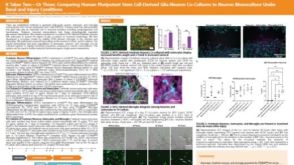 科学海报It Takes Two—Or Three: Comparing Human Pluripotent Stem Cell Derived Glia-Neuron Co-Cultures to Neuron Monoculture Under Basal and Injury Conditions
 沪公网安备31010102008431号