Jia Y-Y et al. (SEP 2016)
Cytometry. Part A : the journal of the International Society for Analytical Cytology 89 9 844--851
Sorting of chromosomes on FACSAria(TM) SORP for the preparation of painting probes.
High purity chromosome sorting can be performed on instruments such as MoFlo MLS and BD influx,which are stream-in-air sorters equipped with water-cooled high power lasers. The FACSAria is a true fixed alignment,low laser powered instrument with a quartz flow cell gel-coupled to the collection optics. However,whether high purity mouse and human chromosomes can be obtained by sorting on the BD FACSAria(TM) Special Order Research Product (FACSAria SORP) remains to be determined. Here,we report that the high resolution flow karyotype of mouse lymphocytes and normal male human peripheral blood mononuclear cells (hPBMCs) can be obtained on the FACSAria SORP using laser power settings of 50 mW for 355 nm and 20 mW for 444 nm excitation. Furthermore,the use of Fluorescence in situ hybridization (FISH) confirmed that chromosome paints prepared from the sorted chromosomes demonstrated high purity and signal specificity. Notably,human chromosome 12 was separated from the chromosome 9-12 cluster in the flow karyotype,and its identity was confirmed using FISH in trisomy 12 human ES cell lines B2-C7 and B2-B8. In addition,multicolor FISH (mFISH) with human chromosome painting probes to 13,18,21,and sex chromosomes X and Y showed high signal specificity in hPBMCs. Taken together,our findings demonstrated that high resolution flow karyotype can be obtained using FACSAria SORP. Moreover,a FISH analysis confirmed high purity of the sorted chromosomes. Additionally,in contrast to centromeric satellite probes,chromosome painting probes with high specificity are more suitable for detection of chromosome aberrations,such as deletions and translocations,in prenatal diagnosis. textcopyright 2016 International Society for Advancement of Cytometry.
View Publication
产品类型:
产品号#:
85850
85857
产品名:
mTeSR™1
mTeSR™1
Barbaric I et al. (JUL 2011)
Journal of biomolecular screening 16 6 603--17
High-content screening for chemical modulators of embryonal carcinoma cell differentiation and survival.
Disentangling the complex interactions that govern stem cell fate choices of self-renewal,differentiation,or death presents a formidable challenge. Image-based phenotype-driven screening meets this challenge by providing means for rapid testing of many small molecules simultaneously. Pluripotent embryonal carcinoma (EC) cells offer a convenient substitute for embryonic stem (ES) cells in such screens because they are simpler to maintain and control. The authors developed an image-based screening assay to identify compounds that affect survival or differentiation of the human EC stem cell line NTERA2 by measuring the effect on cell number and the proportion of cells expressing a pluripotency-associated marker SSEA3. A pilot screen of 80 kinase inhibitors identified several compounds that improved cell survival or induced differentiation. The survival compounds Y-27632,HA-1077,and H-8 all strongly inhibit the kinases ROCK and PRK2,highlighting the important role of these kinases in EC cell survival. Two molecules,GF109203x and rottlerin,induced EC differentiation. The effects of rottlerin were also investigated in human ES cells. Rottlerin inhibited the self-renewal ability of ES cells,caused the cell cycle arrest,and repressed the expression of pluripotency-associated genes.
View Publication
产品类型:
产品号#:
85850
85857
产品名:
mTeSR™1
mTeSR™1
Du A et al. (MAY 2012)
Developmental Biology 365 1 175--188
Arx is required for normal enteroendocrine cell development in mice and humans
Enteroendocrine cells of the gastrointestinal (GI) tract play a central role in metabolism,digestion,satiety and lipid absorption,yet their development remains poorly understood. Here we show that Arx,a homeodomain-containing transcription factor,is required for the normal development of mouse and human enteroendocrine cells. Arx expression is detected in a subset of Neurogenin3 (Ngn3)-positive endocrine progenitors and is also found in a subset of hormone-producing cells. In mice,removal of Arx from the developing endoderm results in a decrease of enteroendocrine cell types including gastrin-,glucagon/GLP-1-,CCK-,secretin-producing cell populations and an increase of somatostatin-expressing cells. This phenotype is also observed in mice with endocrine-progenitor-specific Arx ablation suggesting that Arx is required in the progenitor for enteroendocrine cell development. In addition,depletion of human ARX in developing human intestinal tissue results in a profound deficit in expression of the enteroendocrine cell markers CCK,secretin and glucagon while expression of a pan-intestinal epithelial marker,CDX2,and other non-endocrine markers remained unchanged. Taken together,our findings uncover a novel and conserved role of Arx in mammalian endocrine cell development and provide a potential cause for the chronic diarrhea seen in both humans and mice carrying Arx mutations.
View Publication
产品类型:
产品号#:
85850
85857
产品名:
mTeSR™1
mTeSR™1
Guan X et al. (MAR 2014)
Stem Cell Research 12 2 467--480
Dystrophin-deficient cardiomyocytes derived from human urine: New biologic reagents for drug discovery
The ability to extract somatic cells from a patient and reprogram them to pluripotency opens up new possibilities for personalized medicine. Induced pluripotent stem cells (iPSCs) have been employed to generate beating cardiomyocytes from a patient's skin or blood cells. Here,iPSC methods were used to generate cardiomyocytes starting from the urine of a patient with Duchenne muscular dystrophy (DMD). Urine was chosen as a starting material because it contains adult stem cells called urine-derived stem cells (USCs). USCs express the canonical reprogramming factors c-myc and klf4,and possess high telomerase activity. Pluripotency of urine-derived iPSC clones was confirmed by immunocytochemistry,RT-PCR and teratoma formation. Urine-derived iPSC clones generated from healthy volunteers and a DMD patient were differentiated into beating cardiomyocytes using a series of small molecules in monolayer culture. Results indicate that cardiomyocytes retain the DMD patient's dystrophin mutation. Physiological assays suggest that dystrophin-deficient cardiomyocytes possess phenotypic differences from normal cardiomyocytes. These results demonstrate the feasibility of generating cardiomyocytes from a urine sample and that urine-derived cardiomyocytes retain characteristic features that might be further exploited for mechanistic studies and drug discovery. ?? 2013.
View Publication
产品类型:
产品号#:
85850
85857
产品名:
mTeSR™1
mTeSR™1
Aflaki E et al. (JUN 2014)
Science translational medicine 6 240 240ra73
Macrophage models of Gaucher disease for evaluating disease pathogenesis and candidate drugs.
Gaucher disease is caused by an inherited deficiency of glucocerebrosidase that manifests with storage of glycolipids in lysosomes,particularly in macrophages. Available cell lines modeling Gaucher disease do not demonstrate lysosomal storage of glycolipids; therefore,we set out to develop two macrophage models of Gaucher disease that exhibit appropriate substrate accumulation. We used these cellular models both to investigate altered macrophage biology in Gaucher disease and to evaluate candidate drugs for its treatment. We generated and characterized monocyte-derived macrophages from 20 patients carrying different Gaucher disease mutations. In addition,we created induced pluripotent stem cell (iPSC)-derived macrophages from five fibroblast lines taken from patients with type 1 or type 2 Gaucher disease. Macrophages derived from patient monocytes or iPSCs showed reduced glucocerebrosidase activity and increased storage of glucocerebroside and glucosylsphingosine in lysosomes. These macrophages showed efficient phagocytosis of bacteria but reduced production of intracellular reactive oxygen species and impaired chemotaxis. The disease phenotype was reversed with a noninhibitory small-molecule chaperone drug that enhanced glucocerebrosidase activity in the macrophages,reduced glycolipid storage,and normalized chemotaxis and production of reactive oxygen species. Macrophages differentiated from patient monocytes or patient-derived iPSCs provide cellular models that can be used to investigate disease pathogenesis and facilitate drug development.
View Publication
产品类型:
产品号#:
19059
19059RF
85850
85857
产品名:
EasySep™人单核细胞富集试剂盒
RoboSep™ 人单核细胞富集试剂盒含滤芯吸头
mTeSR™1
mTeSR™1
Chen KG et al. (JUL 2014)
Journal of visualized experiments : JoVE 89 1--10
Alternative cultures for human pluripotent stem cell production, maintenance, and genetic analysis.
Human pluripotent stem cells (hPSCs) hold great promise for regenerative medicine and biopharmaceutical applications. Currently,optimal culture and efficient expansion of large amounts of clinical-grade hPSCs are critical issues in hPSC-based therapies. Conventionally,hPSCs are propagated as colonies on both feeder and feeder-free culture systems. However,these methods have several major limitations,including low cell yields and generation of heterogeneously differentiated cells. To improve current hPSC culture methods,we have recently developed a new method,which is based on non-colony type monolayer (NCM) culture of dissociated single cells. Here,we present detailed NCM protocols based on the Rho-associated kinase (ROCK) inhibitor Y-27632. We also provide new information regarding NCM culture with different small molecules such as Y-39983 (ROCK I inhibitor),phenylbenzodioxane (ROCK II inhibitor),and thiazovivin (a novel ROCK inhibitor). We further extend our basic protocol to cultivate hPSCs on defined extracellular proteins such as the laminin isoform 521 (LN-521) without the use of ROCK inhibitors. Moreover,based on NCM,we have demonstrated efficient transfection or transduction of plasmid DNAs,lentiviral particles,and oligonucleotide-based microRNAs into hPSCs in order to genetically modify these cells for molecular analyses and drug discovery. The NCM-based methods overcome the major shortcomings of colony-type culture,and thus may be suitable for producing large amounts of homogeneous hPSCs for future clinical therapies,stem cell research,and drug discovery.
View Publication
Wen Y and Jin S (OCT 2014)
Journal of Biotechnology 188 122--129
Production of neural stem cells from human pluripotent stem cells
Despite significant advances in commercially available media and kits and the differentiation approaches for human neural stem cell (NSC) generation,NSC production from the differentiation of human pluripotent stem cell (hPSC) is complicated by its time-consuming procedure,complex medium composition,and purification step. In this study,we developed a convenient and simplified NSC production protocol to meet the demand of NSC production. We demonstrated that NSCs can be generated efficiently without requirement of specific small molecules or embryoid body formation stage. Our experimental results suggest that a short suspension culture period may facilitate ectoderm lineage specification rather than endoderm or mesoderm lineage specification from hPSCs. The method developed in this study shortens the turnaround time of NSC production from both human embryonic stem cells (hESCs) and induced pluripotent stem cells (iPSCs) differentiation. It provides a straightforward and useful strategy for generating NSCs that can benefit a wide range of research applications for human brain research.
View Publication
产品类型:
产品号#:
05832
07923
85850
85857
产品名:
STEMdiff™ 神经花环选择试剂
Dispase (1 U/mL)
mTeSR™1
mTeSR™1
Alisson-Silva F et al. (MAY 2014)
Glycobiology 24 5 458--468
Evidences for the involvement of cell surface glycans in stem cell pluripotency and differentiation
Induced pluripotent stem (iPS) cells are somatic cells that have been reprogrammed to a pluripotent state via the introduction of defined transcription factors. Although iPS is a potentially valuable resource for regenerative medicine and drug development,several issues regarding their pluripotency,differentiation propensity and potential for tumorigenesis remain to be elucidated. Analysis of cell surface glycans has arisen as an interesting tool for the characterization of iPS. An appropriate characterization of glycan surface molecules of human embryonic stem (hES) cells and iPS cells might generate crucial data to highlight their role in the acquisition and maintenance of pluripotency. In this study,we characterized the surface glycans of iPS generated from menstrual blood-derived mesenchymal cells (iPS-MBMC). We demonstrated that,upon spontaneous differentiation,iPS-MBMC present high amounts of terminal $\$-galactopyranoside residues,pointing to an important role of terminal-linked sialic acids in pluripotency maintenance. The removal of sialic acids by neuraminidase induces iPS-MBMC and hES cells differentiation,prompting an ectoderm commitment. Exposed $\$-galactopyranose residues might be recognized by carbohydrate-binding molecules found on the cell surface,which could modulate intercellular or intracellular interactions. Together,our results point for the first time to the involvement of the presence of terminal sialic acid in the maintenance of embryonic stem cell pluripotency and,therefore,the modulation of sialic acid biosynthesis emerges as a mechanism that may govern stem cell differentiation.
View Publication
产品类型:
产品号#:
07923
60093
60093.1
60093AD
60093AD.1
60093PE
60093PE.1
85850
85857
产品名:
Dispase (1 U/mL)
抗人OCT4(OCT3)抗体,克隆3A2A20
抗人OCT4(OCT3)抗体,clone 3A2A20
抗人OCT4(OCT3)抗体,克隆3A2A20,Alexa Fluor® 488
抗人OCT4(OCT3)抗体,克隆3A2A20,Alexa Fluor® 488
抗人OCT4(OCT3)抗体,克隆3A2A20,PE
抗人OCT4(OCT3)抗体,克隆3A2A20,PE
mTeSR™1
mTeSR™1
Zheng X et al. (MAR 2016)
eLife 5
Alleviation of neuronal energy deficiency by mTOR inhibition as a treatment for mitochondria-related neurodegeneration.
mTOR inhibition is beneficial in neurodegenerative disease models and its effects are often attributable to the modulation of autophagy and anti-apoptosis. Here,we report a neglected but important bioenergetic effect of mTOR inhibition in neurons. mTOR inhibition by rapamycin significantly preserves neuronal ATP levels,particularly when oxidative phosphorylation is impaired,such as in neurons treated with mitochondrial inhibitors,or in neurons derived from maternally inherited Leigh syndrome (MILS) patient iPS cells with ATP synthase deficiency. Rapamycin treatment significantly improves the resistance of MILS neurons to glutamate toxicity. Surprisingly,in mitochondrially defective neurons,but not neuroprogenitor cells,ribosomal S6 and S6 kinase phosphorylation increased over time,despite activation of AMPK,which is often linked to mTOR inhibition. A rapamycin-induced decrease in protein synthesis,a major energy-consuming process,may account for its ATP-saving effect. We propose that a mild reduction in protein synthesis may have the potential to treat mitochondria-related neurodegeneration.
View Publication
产品类型:
产品号#:
85850
85857
产品名:
mTeSR™1
mTeSR™1
Tasnim F et al. (MAY 2016)
Molecular Pharmaceutics 13 6 1947--1957
Functionally Enhanced Human Stem Cell Derived Hepatocytes in Galactosylated Cellulosic Sponges for Hepatotoxicity Testing.
Pluripotent stem cell derived hepatocyte-like cells (hPSC-HLCs) are an attractive alternative to primary human hepatocytes (PHHs) used in applications ranging from therapeutics to drug safety testing studies. It would be critical to improve and maintain mature hepatocyte functions of the hPSC-HLCs,especially for long-term studies. If 3D culture systems were to be used for such purposes,it would be important that the system can support formation and maintenance of optimal-sized spheroids for long periods of time,and can also be directly deployed in liver drug testing assays. We report the use of 3-dimensional (3D) cellulosic scaffold system for the culture of hPSC-HLCs. The scaffold has a macroporous network which helps to control the formation and maintenance of the spheroids for weeks. Our results show that culturing hPSC-HLCs in 3D cellulosic scaffolds increases functionality,as demonstrated by improved urea production and hepatic marker expression. In addition,hPSC-HLCs in the scaffolds exhibit a more mature phenotype,as shown by enhanced cytochrome P450 activity and induction. This enables the system to show a higher sensitivity to hepatotoxicants and a higher degree of similarity to PHHs when compared to conventional 2D systems. These results suggest that 3D cellulosic scaffolds are ideal for the long-term cultures needed to mature hPSC-HLCs. The mature hPSC-HLCs with improved cellular function can be continually maintained in the scaffolds and directly used for hepatotoxicity assays,making this system highly attractive for drug testing applications.
View Publication


 EasySep™小鼠TIL(CD45)正选试剂盒




 39:33
线上讲座Quality by Design: Reagents and Support for hPSC-Derived Cell and Gene Therapies发布日期: 08/16/2021
39:33
线上讲座Quality by Design: Reagents and Support for hPSC-Derived Cell and Gene Therapies发布日期: 08/16/2021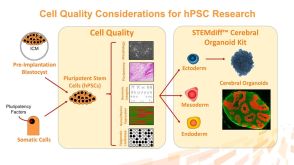

 沪公网安备31010102008431号