Characterization of mouse lymphohematopoietic stem cells lacking spleen colony-forming activity.
The classical definition of lymphohematopoietic stem cells (LHSC),the most primitive progenitors of all blood cells,requires that they have the capacity for self-renewal and for the long-term production of all blood cell lineages. However,other characteristics of LHSC have been debated. Our previous data suggested that mouse LHSC are very slowly proliferating cells that generate delayed multilineage engraftment,while radioprotection" (rapid engraftment that will prevent early death from radiation-induced marrow aplasia) results from more committed progenitors. Alternatively�
View Publication
Eminli S et al. (SEP 2009)
Nature genetics 41 9 968--76
Differentiation stage determines potential of hematopoietic cells for reprogramming into induced pluripotent stem cells.
The reprogramming of somatic cells into induced pluripotent stem (iPS) cells upon overexpression of the transcription factors Oct4,Sox2,Klf4 and cMyc is inefficient. It has been assumed that the somatic differentiation state provides a barrier for efficient reprogramming; however,direct evidence for this notion is lacking. Here,we tested the potential of mouse hematopoietic cells at different stages of differentiation to be reprogrammed into iPS cells. We show that hematopoietic stem and progenitor cells give rise to iPS cells up to 300 times more efficiently than terminally differentiated B and T cells do,yielding reprogramming efficiencies of up to 28%. Our data provide evidence that the differentiation stage of the starting cell has a critical influence on the efficiency of reprogramming into iPS cells. Moreover,we identify hematopoietic progenitors as an attractive cell type for applications of iPS cell technology in research and therapy.
View Publication
产品类型:
产品号#:
02690
05850
05857
05870
05875
09600
09650
85850
85857
85870
85875
70008
70008.1
70008.2
70008.3
70008.4
70008.5
70008.6
200-0002
200-0001
200-0000
产品名:
StemSpan™CC100
StemSpan™ SFEM
StemSpan™ SFEM
mTeSR™1
mTeSR™1
冻存的人脐带血CD34+细胞
冻存的人脐带血CD34+细胞
冻存的人脐带血CD34+细胞
冻存的人脐带血CD34+细胞
冻存的人脐带血CD34+细胞
冻存的人脐带血CD34+细胞
冻存的人脐带血CD34+细胞
冻存的人脐带血CD34+细胞
冻存的人脐带血CD34+细胞
Aguila JR et al. (JUL 2011)
Blood 118 3 576--85
SALL4 is a robust stimulator for the expansion of hematopoietic stem cells.
HSCs are rare cells that have the unique ability to self-renew and differentiate into cells of all hematopoietic lineages. The lack of donors and current inability to rapidly and efficiently expand HSCs are roadblocks in the development of successful cell therapies. Thus,the challenge of ex vivo human HSC expansion remains a fertile and critically important area of investigation. Here,we show that either SALL4A- or SALL4B-transduced human HSCs obtained from the mobilized peripheral blood are capable of rapid and efficient expansion ex vivo by textgreater10 000-fold for both CD34(+)/CD38(-) and CD34(+)/CD38(+) cells in the presence of appropriate cytokines. We found that these cells retained hematopoietic precursor cell immunophenotypes and morphology as well as normal in vitro or vivo potential for differentiation. The SALL4-mediated expansion was associated with enhanced stem cell engraftment and long-term repopulation capacity in vivo. Also,we demonstrated that constitutive expression of SALL4 inhibited granulocytic differentiation and permitted expansion of undifferentiated cells in 32D myeloid progenitors. Furthermore,a TAT-SALL4B fusion rapidly expanded CD34(+) cells,and it is thus feasible to translate this study into the clinical setting. Our findings provide a new avenue for investigating mechanisms of stem cell self-renewal and achieving clinically significant expansion of human HSCs.
View Publication
产品类型:
产品号#:
09600
09650
产品名:
StemSpan™ SFEM
StemSpan™ SFEM
Orelio C et al. (DEC 2008)
Blood 112 13 4895--904
Interleukin-1-mediated hematopoietic cell regulation in the aorta-gonad-mesonephros region of the mouse embryo.
Hematopoiesis during development is a dynamic process,with many factors involved in the emergence and regulation of hematopoietic stem cells (HSCs) and progenitor cells. Whereas previous studies have focused on developmental signaling and transcription factors in embryonic hematopoiesis,the role of well-known adult hematopoietic cytokines in the embryonic hematopoietic system has been largely unexplored. The cytokine interleukin-1 (IL-1),best known for its proinflammatory properties,has radioprotective effects on adult bone marrow HSCs,induces HSC mobilization,and increases HSC proliferation and/or differentiation. Here we examine IL-1 and its possible role in regulating hematopoiesis in the midgestation mouse embryo. We show that IL-1,IL-1 receptors (IL-1Rs),and signaling mediators are expressed in the aorta-gonad-mesonephros (AGM) region during the time when HSCs emerge in this site. IL-1 signaling is functional in the AGM,and the IL-1RI is expressed ventrally in the aortic subregion by some hematopoietic,endothelial,and mesenchymal cells. In vivo analyses of IL-1RI-deficient embryos show an increased myeloid differentiation,concomitant with a slight decrease in AGM HSC activity. Our results suggest that IL-1 is an important homeostatic regulator at the earliest time of HSC development,acting to limit the differentiation of some HSCs along the myeloid lineage.
View Publication
Essential role for Ptpn11 in survival of hematopoietic stem and progenitor cells.
Src homology 2 domain-containing phosphatase 2 (Shp2),encoded by Ptpn11,is a member of the nonreceptor protein-tyrosine phosphatase family,and functions in cell survival,proliferation,migration,and differentiation in many tissues. Here we report that loss of Ptpn11 in murine hematopoietic cells leads to bone marrow aplasia and lethality. Mutant mice show rapid loss of hematopoietic stem cells (HSCs) and immature progenitors of all hematopoietic lineages in a gene dosage-dependent and cell-autonomous manner. Ptpn11-deficient HSCs and progenitors undergo apoptosis concomitant with increased Noxa expression. Mutant HSCs/progenitors also show defective Erk and Akt activation in response to stem cell factor and diminished thrombopoietin-evoked Erk activation. Activated Kras alleviates the Ptpn11 requirement for colony formation by progenitors and cytokine/growth factor responsiveness of HSCs,indicating that Ras is functionally downstream of Shp2 in these cells. Thus,Shp2 plays a critical role in controlling the survival and maintenance of HSCs and immature progenitors in vivo.
View Publication
产品类型:
产品号#:
03231
09600
09650
09850
产品名:
MethoCult™M3231
StemSpan™ SFEM
StemSpan™ SFEM
Ohmori T et al. (OCT 2010)
The Journal of biological chemistry 285 41 31763--73
Vinculin is indispensable for repopulation by hematopoietic stem cells, independent of integrin function.
Vinculin is a highly conserved actin-binding protein that is localized in integrin-mediated focal adhesion complexes. Although critical roles have been proposed for integrins in hematopoietic stem cell (HSC) function,little is known about the involvement of intracellular focal adhesion proteins in HSC functions. This study showed that the ability of c-Kit(+)Sca1(+)Lin(-) HSCs to support reconstitution of hematopoiesis after competitive transplantation was severely impaired by lentiviral transduction with short hairpin RNA sequences for vinculin. The potential of these HSCs to differentiate into granulocytic and monocytic lineages,to migrate toward stromal cell-derived factor 1α,and to home to the bone marrow in vivo were not inhibited by the loss of vinculin. However,the capacities to form long term culture-initiating cells and cobblestone-like areas were abolished in vinculin-silenced c-Kit(+)Sca1(+)Lin(-) HSCs. In contrast,adhesion to the extracellular matrix was inhibited by silencing of talin-1,but not of vinculin. Whole body in vivo luminescence analyses to detect transduced HSCs confirmed the role of vinculin in long term HSC reconstitution. Our results suggest that vinculin is an indispensable factor determining HSC repopulation capacity,independent of integrin functions.
View Publication
产品类型:
产品号#:
03231
03434
03444
05350
产品名:
MethoCult™M3231
MethoCult™GF M3434
MethoCult™GF M3434
Souroullas GP et al. (FEB 2009)
Cell stem cell 4 2 180--6
Adult hematopoietic stem and progenitor cells require either Lyl1 or Scl for survival.
Scl and Lyl1 encode two related basic-helix-loop-helix transcription factors implicated in T cell acute lymphoblastic leukemia. Previous studies showed that Scl is essential for embryonic and adult erythropoiesis,while Lyl1 is important for B cell development. Single-knockout mice have not revealed an essential function for Scl or Lyl1 in adult hematopoietic stem cells (HSCs). To determine if maintenance of HSCs in single-knockout mice is due to functional redundancy,we generated Lyl1;Scl-conditional double-knockout mice. Here,we report a striking genetic interaction between the two genes,with a clear dose dependence for the presence of Scl or Lyl1 alleles for HSC function. Bone marrow repopulation assays and analyses demonstrated rapid loss of hematopoietic progenitors due to apoptosis. The function of HSCs could be rescued by a single allele of Lyl1 but not Scl. These results show that expression of at least one of these factors is essential for maintenance of adult HSC function.
View Publication
产品类型:
产品号#:
03434
03444
产品名:
MethoCult™GF M3434
MethoCult™GF M3434
Ghiaur G et al. (APR 2008)
Blood 111 7 3313--21
Rac1 is essential for intraembryonic hematopoiesis and for the initial seeding of fetal liver with definitive hematopoietic progenitor cells.
Definitive hematopoietic stem and progenitor cells (HSCs/Ps) originating from the yolk sac and/or para-aorta-splanchno-pleura/aorta-gonad-mesonephros are hypothesized to colonize the fetal liver,but mechanisms involved are poorly defined. The Rac subfamily of Rho GTPases has been shown to play essential roles in HSC/P localization to the bone marrow following transplantation. Here,we study the role of Rac1 in HSC/P migration during ontogeny and seeding of fetal liver. Using a triple-transgenic approach,we have deleted Rac1 in HSCs/Ps during very early embryonic development. Without Rac1,there was a decrease in circulating HSCs/Ps in the blood of embryonic day (E) 10.5 embryos,while yolk sac definitive hematopoiesis was quantitatively normal. Intraembryonic hematopoiesis was significantly impaired in Rac1-deficient embryos,culminating with absence of intra-aortic clusters and fetal liver hematopoiesis. At E10.5,Rac1-deficient HSCs/Ps displayed decreased transwell migration and impaired inter-action with the microenvironment in migration-dependent assays. These data suggest that Rac1 plays an important role in HSC/P migration during embryonic development and is essential for the emergence of intraembryonic hematopoiesis.
View Publication
Cardiac malformations and disease are the leading causes of death in the United States in live-born infants and adults,respectively. In both of these cases,a decrease in the number of functional cardiomyocytes often results in improper growth of heart tissue,wound healing complications,and poor tissue repair. The field of cardiac tissue engineering seeks to address these concerns by developing cardiac patches created from a variety of biomaterial scaffolds to be used in surgical repair of the heart. These scaffolds should be fully degradable biomaterial systems with tunable properties such that the materials can be altered to meet the needs of both in vitro culture (e.g. disease modeling) and in vivo application (e.g. cardiac patch). Current platforms do not utilize both structural anisotropy and proper cell-matrix contacts to promote functional cardiac phenotypes and thus there is still a need for critically sized scaffolds that mimic both the structural and adhesive properties of native tissue. To address this need,we have developed a silk-based scaffold platform containing cardiac tissue-derived extracellular matrix (cECM). These silk-cECM composite scaffolds have tunable architectures,degradation rates,and mechanical properties. Subcutaneous implantation in rats demonstrated that addition of the cECM to aligned silk scaffold led to 99% endogenous cell infiltration and promoted vascularization of a critically sized scaffold (10 × 5 × 2.5 mm) after 4 weeks in vivo. In vitro,silk-cECM scaffolds maintained the HL-1 atrial cardiomyocytes and human embryonic stem cell-derived cardiomyocytes and promoted a more functional phenotype in both cell types. This class of hybrid silk-cECM anisotropic scaffolds offers new opportunities for developing more physiologically relevant tissues for cardiac repair and disease modeling.
View Publication
产品类型:
产品号#:
05850
05857
05870
05875
85850
85857
85870
85875
产品名:
mTeSR™1
mTeSR™1
Dobo I et al. (JAN 2001)
The hematology journal : the official journal of the European Haematology Association / EHA 2 6 396--403
Comparison of four serum-free, cytokine-free media for analysis of endogenous erythroid colony growth in polycythemia vera and essential thrombocythemia.
INTRODUCTION: The assay of endogenous erythroid colony formation (EEC),a characteristic of polycythemia vera and essential thrombocythemia,is not standardized. In this multicentric study,we tested four semisolid,serum-free,cytokine-free media based on either methylcellulose (M1,M2) or collagen (C1,C2) commercialized for the EEC assay. MATERIALS AND METHODS: Bone marrow mononuclear cells (BMMC) from 73 individuals (62 patients with either polycythemia vera (26),essential thrombocythemia (19),secondary polyglobuly (17) or chronic myeloid leukemia (2) and 11 healthy donors) were grown in parallel in the four media without,or with 0.01 U/ml erythropoietin (EPo). RESULTS: In all four media EEC formation was specific,as it was not observed in cultures of patients with secondary polyglobuly or chronic myeloid leukemia,nor of healthy donors. Analysis of fresh or MGG-stained collagen gel cultures allowed detection of EEC formation significantly more frequently than methylcellulose-based media; addition of 0.01 U/ml of EPo had little or no effect on EEC formation. Collagen-based medium C1 gave better results than the other media tested: the 'C1' EEC assay was positive for 68.2% of polycythemia vera cultures with significantly higher median EEC numbers (6.5/10(5) BMMC for patients with one major criteria of polycythemia vera and 19 and 21/10(5) BMMC for patients with two or three major criteria,respectively). Medium C1 was also better for essential thrombocythemia cultures with 47.4% of positive results but with a low median EEC number (6.7/10(5) BMMC). When associated with the ELISA dosage of serum EPo,the 'C1' EEC assay allowed confirmation or elimination of the diagnosis of polycythemia vera for 91% (20/22) of polyglobulic patients. CONCLUSION: We propose that serum-free collagen-based culture systems be considered to standardize the EEC assay,now part of the new criteria of polycythemia vera.
View Publication


 EasySep™小鼠TIL(CD45)正选试剂盒




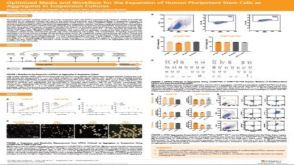 科学海报Optimized Media and Workflow for the Expansion of Human Pluripotent Stem Cells as Aggregates in Suspension Cultures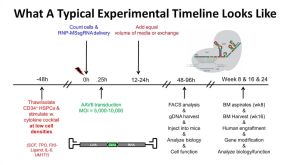

 沪公网安备31010102008431号