Onyshchenko MI et al. (JAN 2012)
Stem Cells International 2012 634914
Stimulation of cultured h9 human embryonic stem cells with thyroid stimulating hormone does not lead to formation of thyroid-like cells.
The sodium-iodine symporter (NIS) is expressed on the cell membrane of many thyroid cancer cells,and is responsible for the radioactive iodine accumulation. However,treatment of anaplastic thyroid cancer is ineffective due to the low expression of NIS on cell membranes of these tumor cells. Human embryonic stem cells (ESCs) provide a potential vehicle to study the mechanisms of NIS expression regulation during differentiation. Human ESCs were maintained on feeder-independent culture conditions. RT-qPCR and immunocytochemistry were used to study differentiation marker expression,(125)I uptake to study NIS function. We designed a two-step protocol for human ESC differentiation into thyroid-like cells,as was previously done for mouse embryonic stem cells. First,we obtained definitive endoderm from human ESCs. Second,we directed differentiation of definitive endoderm cells into thyroid-like cells using various factors,with thyroid stimulating hormone (TSH) as the main differentiating factor. Expression of pluripotency,endoderm and thyroid markers and (125)I uptake were monitored throughout the differentiation steps. These approaches did not result in efficient induction of thyroid-like cells. We conclude that differentiation of human ESCs into thyroid cells cannot be induced by TSH media supplementation alone and most likely involves complicated developmental patterns that are yet to be understood.
View Publication
Minimum Transendothelial Electrical Resistance Thresholds for the Study of Small and Large Molecule Drug Transport in a Human in Vitro Blood-Brain Barrier Model.
A human cell-based in vitro model that can accurately predict drug penetration into the brain as well as metrics to assess these in vitro models are valuable for the development of new therapeutics. Here,human induced pluripotent stem cells (hPSCs) are differentiated into a polarized monolayer that express blood-brain barrier (BBB)-specific proteins and have transendothelial electrical resistance (TEER) values greater than 2500 Ωtextperiodcenteredcm(2). By assessing the permeabilities of several known drugs,a benchmarking system to evaluate brain permeability of drugs was established. Furthermore,relationships between TEER and permeability to both small and large molecules were established,demonstrating that different minimum TEER thresholds must be achieved to study the brain transport of these two classes of drugs. This work demonstrates that this hPSC-derived BBB model exhibits an in vivo-like phenotype,and the benchmarks established here are useful for assessing functionality of other in vitro BBB models.
View Publication
Enhanced in vivo homing of uncultured and selectively amplified cord blood CD34+ cells by cotransplantation with cord blood-derived unrestricted somatic stem cells.
Mesenchymal stem cells have been implicated as playing an important role in stem cell engraftment. Recently,a new pluripotent population of umbilical cord blood (UCB) cells,unrestricted somatic stem cells (USSCs),with intrinsic and directable potential to develop into mesodermal,endodermal,and ectodermal fates,has been identified. In this study,we evaluated the capacity of ex vivo expanded USSCs to influence the homing of UCB-derived CD34(+) cells into the marrow and spleen of nonobese diabetic/severe combined immunodeficient (NOD/SCID) mice. USSCs induced a significant enhancement of CD34(+) cell homing to both bone marrow and spleen (2.2 +/- 0.3- and 2.4 +/- 0.6-fold,respectively; p textless .05),with a magnitude similar to that induced by USSCs that had been thawed prior to transplantation. The effect of USSCs was dose-dependent and detectable at USSC:CD34(+) ratios of 1:1 and above. Enhanced marrow homing by USSCs was unaltered by extensive culture passaging of the cells,as similar enhancement was observed for both early-passage (passage 5 [p5]) and late-passage (p10) USSCs. The homing effect of USSCs was also reflected in an increased proportion of NOD/SCID mice exhibiting significant human cell engraftment 6 weeks after transplantation,with a similar distribution of myeloid and lymphoid components. USSCs enhanced the homing of cellular products of ex vivo expanded UCB lineage-negative (lin(-)) cells,generated in 14-day cultures by Selective Amplification. The relative proportion of homing CD34(+) cells within the culture-expanded cell population was unaltered by USSC cotransplantation. Production of stromal-derived factor-1 (SDF-1) by USSCs was detected by both gene expression and protein released into culture media of these cells. Knockdown of SDF-1 production by USSCs using lentiviral-SiRNA led to a significant (p textless .05) reduction in USSC-mediated enhancement of CD34(+) homing. Our findings thus suggest a clinical potential for using USSCs in facilitating homing and engraftment for cord blood transplant recipients.
View Publication
产品类型:
产品号#:
09600
09650
产品名:
StemSpan™ SFEM
StemSpan™ SFEM
Park S-W et al. (DEC 2010)
Blood 116 25 5762--72
Efficient differentiation of human pluripotent stem cells into functional CD34+ progenitor cells by combined modulation of the MEK/ERK and BMP4 signaling pathways.
Differentiation of human pluripotent stem cells (hPSCs) into functional cell types is a crucial step in cell therapy. In the present study,we demonstrate that functional CD34(+) progenitor cells can be efficiently produced from human embryonic stem cells (hESCs) and induced pluripotent stem cells (hiPSCs) by combined modulation of 2 signaling pathways. A higher proportion of CD34(+) cells (∼ 20%) could be derived from hPSCs by inhibition of mitogen-activated protein kinase (MAPK) extracellular signal-regulated protein kinase (MEK)/extracellular signal-regulated kinase (ERK) signaling and activation of bone morphogenic protein-4 (BMP4) signaling. hPSC-derived CD34(+) progenitor cells further developed to endothelial and smooth muscle cells with functionality. Moreover,they contributed directly to neovasculogenesis in ischemic mouse hind limbs,thereby resulting in improved blood perfusion and limb salvage. Our results suggest that combined modulation of signaling pathways may be an efficient means of differentiating hPSCs into functional CD34(+) progenitor cells.
View Publication
产品类型:
产品号#:
04434
04444
产品名:
MethoCult™H4434经典
MethoCult™H4434经典
Tan BSN et al. (JUN 2016)
Mechanisms of development 141 32--39
Regulation of amino acid transporters in pluripotent cell populations in the embryo and in culture; novel roles for sodium-coupled neutral amino acid transporters.
The developmental outcomes of preimplantation mammalian embryos are regulated directly by the surrounding microenvironment,and inappropriate concentrations of amino acids,or the loss of amino acid-sensing mechanisms,can be detrimental and impact further development. A specific role for l-proline in the differentiation of embryonic stem (ES) cells,a cell population derived from the blastocyst,has been shown in culture. l-proline acts as a signalling molecule,exerting its effects through cell uptake and subsequent metabolism. Uptake in ES cells occurs predominantly through the sodium-coupled neutral amino acid transporter 2,Slc38a2 (SNAT2). Dynamic expression of amino acid transporters has been shown in the early mammalian embryo,reflecting functional roles for amino acids in embryogenesis. The expression of SNAT2 and family member Slc38a1 (SNAT1) was determined in mouse embryos from the 2-cell stage through to the early post-implantation pre-gastrulation embryo. Key changes in expression were validated in cell culture models of development. Both transporters showed temporal dynamic expression patterns and changes in intracellular localisation as differentiation progressed. Changes in transporter expression likely reflect different amino acid requirements during development. Findings include the differential expression of SNAT1 in the inner and outer cells of the compacted morula and nuclear localisation of SNAT2 in the trophectoderm and placental lineages. Furthermore,SNAT2 expression was up-regulated in the epiblast prior to primitive ectoderm formation,an expression pattern consistent with a role for the transporter in later developmental decisions within the pluripotent lineage. We propose that the differential expression of SNAT2 in the epiblast provides evidence for an l-proline-mediated mechanism contributing to the regulation of embryonic development.
View Publication
Delivery of Proteases in Aqueous Two-Phase Systems Enables Direct Purification of Stem Cell Colonies from Feeder Cell Co-Cultures for Differentiation into Functional Cardiomyocytes
Patterning of bioactive enzymes with subcellular resolution is achieved by dispensing droplets of dextran (DEX) onto polyethylene glycol (PEG)-covered cells though a glass capillary needle connected to a pneumatic pump. This technique is applied to purify colonies of induced pluripotent stem cells (iPSCs) from mouse embryonic fibroblast (MEF) feeder cultures and inefficiently induced iPSC colonies by selectively dissociating the iPSCs with proteases.
View Publication
产品类型:
产品号#:
85850
85857
产品名:
mTeSR™1
mTeSR™1
Sundberg M et al. (AUG 2013)
Stem Cells 31 8 1548--1562
Improved cell therapy protocols for Parkinson's disease based on differentiation efficiency and safety of hESC-, hiPSC-, and non-human primate iPSC-derived dopaminergic neurons
The main motor symptoms of Parkinson's disease are due to the loss of dopaminergic (DA) neurons in the ventral midbrain (VM). For the future treatment of Parkinson's disease with cell transplantation it is important to develop efficient differentiation methods for production of human iPSCs and hESCs-derived midbrain-type DA neurons. Here we describe an efficient differentiation and sorting strategy for DA neurons from both human ES/iPS cells and non-human primate iPSCs. The use of non-human primate iPSCs for neuronal differentiation and autologous transplantation is important for preclinical evaluation of safety and efficacy of stem cell-derived DA neurons. The aim of this study was to improve the safety of human- and non-human primate iPSC (PiPSC)-derived DA neurons. According to our results,NCAM(+) /CD29(low) sorting enriched VM DA neurons from pluripotent stem cell-derived neural cell populations. NCAM(+) /CD29(low) DA neurons were positive for FOXA2/TH and EN1/TH and this cell population had increased expression levels of FOXA2,LMX1A,TH,GIRK2,PITX3,EN1,NURR1 mRNA compared to unsorted neural cell populations. PiPSC-derived NCAM(+) /CD29(low) DA neurons were able to restore motor function of 6-hydroxydopamine (6-OHDA) lesioned rats 16 weeks after transplantation. The transplanted sorted cells also integrated in the rodent brain tissue,with robust TH+/hNCAM+ neuritic innervation of the host striatum. One year after autologous transplantation,the primate iPSC-derived neural cells survived in the striatum of one primate without any immunosuppression. These neural cell grafts contained FOXA2/TH-positive neurons in the graft site. This is an important proof of concept for the feasibility and safety of iPSC-derived cell transplantation therapies in the future.
View Publication
产品类型:
产品号#:
85850
85857
产品名:
mTeSR™1
mTeSR™1
Galy A et al. (JAN 2000)
Blood 95 1 128--37
Distinct signals control the hematopoiesis of lymphoid-related dendritic cells.
The molecular and cellular requirements for the development of different populations of human dendritic cells (DC) were studied. Conditions were defined that support DC production from lymphoid progenitors but that fail to induce DC formation from peripheral monocytes. The production of these lymphoid-related DC was severely blocked when hematopoietic progenitors overexpressed Ik7,a mutant dominant-negative Ikaros protein. In contrast,Ik7 did not block the formation of DC in conditions supporting the development of monocyte-derived DC. Furthermore,Ik7 did not block the formation of monocyte/macrophages and enhanced granulopoiesis. One of the molecular mechanisms mediated by Ik7 appears to be down-regulation of the flt3-receptor mRNA. Thus,distinct signals control the formation of DC demonstrating that some aspects of DC diversity are determined in part by distinct molecular cues at the hematopoietic level. (Blood. 2000;95:128-137)
View Publication
产品类型:
产品号#:
04431
产品名:
MethoCult™H4431
Genga RM et al. (MAY 2016)
Methods 101 36--42
Controlling transcription in human pluripotent stem cells using CRISPR-effectors
The ability to manipulate transcription in human pluripotent stem cells (hPSCs) is fundamental for the discovery of key genes and mechanisms governing cellular state and differentiation. Recently developed CRISPR-effector systems provide a systematic approach to rapidly test gene function in mammalian cells,including hPSCs. In this review,we discuss recent advances in CRISPR-effector technologies that have been employed to control transcription through gene activation,gene repression,and epigenome engineering. We describe an application of CRISPR-effector mediated transcriptional regulation in hPSCs by targeting a synthetic promoter driving a GFP transgene,demonstrating the ease and effectiveness of CRISPR-effector mediated transcriptional regulation in hPSCs.
View Publication
产品类型:
产品号#:
85850
85857
产品名:
mTeSR™1
mTeSR™1
Castañ et al. (FEB 2016)
PLoS ONE 11 2 e0149502
SETD7 regulates the differentiation of human embryonic stem cells
The successful use of specialized cells in regenerative medicine requires an optimization in the differentiation protocols that are currently used. Understanding the molecular events that take place during the differentiation of human pluripotent cells is essential for the improvement of these protocols and the generation of high quality differentiated cells. In an effort to understand the molecular mechanisms that govern differentiation we identify the methyltransferase SETD7 as highly induced during the differentiation of human embryonic stem cells and differentially expressed between induced pluripotent cells and somatic cells. Knock-down of SETD7 causes differentiation defects in human embryonic stem cell including delay in both the silencing of pluripotency-related genes and the induction of differentiation genes. We show that SETD7 methylates linker histone H1 in vitro causing conformational changes in H1. These effects correlate with a decrease in the recruitment of H1 to the pluripotency genes OCT4 and NANOG during differentiation in the SETD7 knock down that might affect the proper silencing of these genes during differentiation.
View Publication
产品类型:
产品号#:
85850
85857
产品名:
mTeSR™1
mTeSR™1
Lis R et al. ( 2017)
Nature 545 7655 439--445
Conversion of adult endothelium to immunocompetent haematopoietic stem cells.
Developmental pathways that orchestrate the fleeting transition of endothelial cells into haematopoietic stem cells remain undefined. Here we demonstrate a tractable approach for fully reprogramming adult mouse endothelial cells to haematopoietic stem cells (rEC-HSCs) through transient expression of the transcription-factor-encoding genes Fosb,Gfi1,Runx1,and Spi1 (collectively denoted hereafter as FGRS) and vascular-niche-derived angiocrine factors. The induction phase (days 0-8) of conversion is initiated by expression of FGRS in mature endothelial cells,which results in endogenous Runx1 expression. During the specification phase (days 8-20),RUNX1(+) FGRS-transduced endothelial cells commit to a haematopoietic fate,yielding rEC-HSCs that no longer require FGRS expression. The vascular niche drives a robust self-renewal and expansion phase of rEC-HSCs (days 20-28). rEC-HSCs have a transcriptome and long-term self-renewal capacity similar to those of adult haematopoietic stem cells,and can be used for clonal engraftment and serial primary and secondary multi-lineage reconstitution,including antigen-dependent adaptive immune function. Inhibition of TGFβ and CXCR7 or activation of BMP and CXCR4 signalling enhanced generation of rEC-HSCs. Pluripotency-independent conversion of endothelial cells into autologous authentic engraftable haematopoietic stem cells could aid treatment of haematological disorders.
View Publication


 EasySep™小鼠TIL(CD45)正选试剂盒




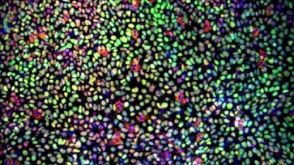 实验方案Maintenance of Porcine Pluripotent Stem Cells (pPSCs) Using eTeSR™

 沪公网安备31010102008431号