Huang X et al. (DEC 2016)
Advanced materials (Deerfield Beach,Fla.) 28 48 10732--10737
Light-Patterned RNA Interference of 3D-Cultured Human Embryonic Stem Cells.
A new method of spatially controlled gene regulation in 3D-cultured human embryonic stem cells is developed using hollow gold nanoshells (HGNs) and near-infrared (NIR) light. Targeted cell(s) are discriminated from neighboring cell(s) by focusing NIR light emitted from a two-photon microscope. Irradiation of cells that have internalized HGNs releases surface attached siRNAs and leads to concomitant gene downregulation.
View Publication
产品类型:
产品号#:
85850
85857
产品名:
mTeSR™1
mTeSR™1
Lo Sardo V et al. (JAN 2017)
Nature biotechnology 35 1 69--74
Influence of donor age on induced pluripotent stem cells.
Induced pluripotent stem cells (iPSCs) are being pursued as a source of cells for autologous therapies,many of which will be aimed at aged patients. To explore the impact of age on iPSC quality,we produced iPSCs from blood cells of 16 donors aged 21-100. We find that iPSCs from older donors retain an epigenetic signature of age,which can be reduced through passaging. Clonal expansion via reprogramming also enables the discovery of somatic mutations present in individual donor cells,which are missed by bulk sequencing methods. We show that exomic mutations in iPSCs increase linearly with age,and all iPSC lines analyzed carry at least one gene-disrupting mutation,several of which have been associated with cancer or dysfunction. Unexpectedly,elderly donors (textgreater90 yrs) harbor fewer mutations than predicted,likely due to a contracted blood progenitor pool. These studies establish that donor age is associated with an increased risk of abnormalities in iPSCs and will inform clinical development of reprogramming technology.
View Publication
产品类型:
产品号#:
85850
85857
产品名:
mTeSR™1
mTeSR™1
Butts JC et al. (APR 2017)
Proceedings of the National Academy of Sciences of the United States of America
Differentiation of V2a interneurons from human pluripotent stem cells.
The spinal cord consists of multiple neuronal cell types that are critical to motor control and arise from distinct progenitor domains in the developing neural tube. Excitatory V2a interneurons in particular are an integral component of central pattern generators that control respiration and locomotion; however,the lack of a robust source of human V2a interneurons limits the ability to molecularly profile these cells and examine their therapeutic potential to treat spinal cord injury (SCI). Here,we report the directed differentiation of CHX10(+) V2a interneurons from human pluripotent stem cells (hPSCs). Signaling pathways (retinoic acid,sonic hedgehog,and Notch) that pattern the neural tube were sequentially perturbed to identify an optimized combination of small molecules that yielded ∼25% CHX10(+) cells in four hPSC lines. Differentiated cultures expressed much higher levels of V2a phenotypic markers (CHX10 and SOX14) than other neural lineage markers. Over time,CHX10(+) cells expressed neuronal markers [neurofilament,NeuN,and vesicular glutamate transporter 2 (VGlut2)],and cultures exhibited increased action potential frequency. Single-cell RNAseq analysis confirmed CHX10(+) cells within the differentiated population,which consisted primarily of neurons with some glial and neural progenitor cells. At 2 wk after transplantation into the spinal cord of mice,hPSC-derived V2a cultures survived at the site of injection,coexpressed NeuN and VGlut2,extended neurites textgreater5 mm,and formed putative synapses with host neurons. These results provide a description of V2a interneurons differentiated from hPSCs that may be used to model central nervous system development and serve as a potential cell therapy for SCI.
View Publication
Cryopreservation of human pluripotent stem cells: a general protocol.
Cryopreservation is an essential technique to preserve stem cells,semipermanently sustaining their potentials. There are two main approaches of cryopreservation for human pluripotent stem cells (hPSCs). The first is the vitrification,which involves instantaneous freeze and thaw of hPSCs. The second is the conventional slow-cooling method and a rapid thaw. Both cryopreservation protocols have been standardized and optimized to yield high survivability of hPSCs.
View Publication
产品类型:
产品号#:
85850
85857
产品名:
mTeSR™1
mTeSR™1
Busskamp V et al. (NOV 2014)
Molecular systems biology 10 11 760
Rapid neurogenesis through transcriptional activation in human stem cells.
Advances in cellular reprogramming and stem cell differentiation now enable ex vivo studies of human neuronal differentiation. However,it remains challenging to elucidate the underlying regulatory programs because differentiation protocols are laborious and often result in low neuron yields. Here,we overexpressed two Neurogenin transcription factors in human-induced pluripotent stem cells and obtained neurons with bipolar morphology in 4 days,at greater than 90% purity. The high purity enabled mRNA and microRNA expression profiling during neurogenesis,thus revealing the genetic programs involved in the rapid transition from stem cell to neuron. The resulting cells exhibited transcriptional,morphological and functional signatures of differentiated neurons,with greatest transcriptional similarity to prenatal human brain samples. Our analysis revealed a network of key transcription factors and microRNAs that promoted loss of pluripotency and rapid neurogenesis via progenitor states. Perturbations of key transcription factors affected homogeneity and phenotypic properties of the resulting neurons,suggesting that a systems-level view of the molecular biology of differentiation may guide subsequent manipulation of human stem cells to rapidly obtain diverse neuronal types.
View Publication
Zhang S et al. (AUG 2011)
Human Molecular Genetics 20 16 3176--3187
Rescue of ATP7B function in hepatocyte-like cells from Wilson's disease induced pluripotent stem cells using gene therapy or the chaperone drug curcumin.
Directed hepatocyte differentiation from human induced pluripotent stem cells (iPSCs) potentially provides a unique platform for modeling liver genetic diseases and performing drug-toxicity screening in vitro. Wilson's disease is a genetic disease caused by mutations in the ATP7B gene,whose product is a liver transporter protein responsible for coordinated copper export into bile and blood. Interestingly,the spectrum of ATP7B mutations is vast and can influence clinical presentation (a variable spectrum of hepatic and neural manifestations),though the reason is not well understood. We describe the generation of iPSCs from a Chinese patient with Wilson's disease that bears the R778L Chinese hotspot mutation in the ATP7B gene. These iPSCs were pluripotent and could be readily differentiated into hepatocyte-like cells that displayed abnormal cytoplasmic localization of mutated ATP7B and defective copper transport. Moreover,gene correction using a self-inactivating lentiviral vector that expresses codon optimized-ATP7B or treatment with the chaperone drug curcumin could reverse the functional defect in vitro. Hence,our work describes an attractive model for studying the pathogenesis of Wilson's disease that is valuable for screening compounds or gene therapy approaches aimed to correct the abnormality. In the future,once relevant safety concerns (including the stability of the mature liver-like phenotype) and technical issues for the transplantation procedure are solved,hepatocyte-like cells from similarly genetically corrected iPSCs could be an option for autologous transplantation in Wilson's disease.
View Publication
产品类型:
产品号#:
85850
85857
产品名:
mTeSR™1
mTeSR™1
Jones DT et al. (MAR 2004)
Blood 103 5 1855--61
Geldanamycin and herbimycin A induce apoptotic killing of B chronic lymphocytic leukemia cells and augment the cells' sensitivity to cytotoxic drugs.
We studied the actions of geldanamycin (GA) and herbimycin A (HMA),inhibitors of the chaperone proteins Hsp90 and GRP94,on B chronic lymphocytic leukemia (CLL) cells in vitro. Both drugs induced apoptosis of the majority of CLL isolates studied. Whereas exposure to 4-hour pulses of 30 to 100 nM GA killed normal B lymphocytes and CLL cells with similar dose responses,T lymphocytes from healthy donors as well as those present in the CLL isolates were relatively resistant. GA,but not HMA,showed a modest cytoprotective effect toward CD34+ hematopoietic progenitors from normal bone marrow. The ability of bone marrow progenitors to form hematopoietic colonies was unaffected by pulse exposures to GA. Both GA and HMA synergized with chlorambucil and fludarabine in killing a subset of CLL isolates. GA- and HMA-induced apoptosis was preceded by the up-regulation of the stress-responsive chaperones Hsp70 and BiP. Both ansamycins also resulted in down-regulation of Akt protein kinase,a modulator of cell survival. The relative resistance of T lymphocytes and of CD34+ bone marrow progenitors to GA coupled with its ability to induce apoptosis following brief exposures and to synergize with cytotoxic drugs warrant further investigation of ansamycins as potential therapeutic agents in CLL.
View Publication
产品类型:
产品号#:
04434
04444
产品名:
MethoCult™H4434经典
MethoCult™H4434经典
Schmuck EG et al. (MAR 2014)
Cardiovascular engineering and technology 5 1 119--131
Cardiac fibroblast-derived 3D extracellular matrix seeded with mesenchymal stem cells as a novel device to transfer cells to the ischemic myocardium.
PURPOSE Demonstrate a novel manufacturing method to generate extracellular matrix scaffolds from cardiac fibroblasts (CF-ECM) as a therapeutic mesenchymal stem cell-transfer device. MATERIALS AND METHODS Rat CF were cultured at high-density (˜1.6×10(5)/cm(2)) for 10-14 days. Cell sheets were removed from the culture dish by incubation with EDTA and decellularized with water and peracetic acid. CF-ECM was characterized by mass spectrometry,immunofluorescence and scanning electron microscopy. CF-ECM seeded with human embryonic stem cell derived mesenchymal stromal cells (hEMSCs) were transferred into a mouse myocardial infarction model. 48 hours later,mouse hearts were excised and examined for CF-ECM scaffold retention and cell transfer. RESULTS CF-ECM scaffolds are composed of fibronectin (82%),collagens type I (13%),type III (3.4%),type V (0.2%),type II (0.1%) elastin (1.3%) and 18 non-structural bioactive molecules. Scaffolds remained intact on the mouse heart for 48 hours without the use of sutures or glue. Identified hEMSCs were distributed from the epicardium to the endocardium. CONCLUSIONS High density cardiac fibroblast culture can be used to generate CF-ECM scaffolds. CF-ECM scaffolds seeded with hEMSCs can be maintained on the heart without suture or glue. hEMSC are successfully delivered throughout the myocardium.
View Publication
产品类型:
产品号#:
85850
85857
产品名:
mTeSR™1
mTeSR™1
Konorov SO et al. (JUL 2010)
Applied spectroscopy 64 7 767--74
Lorentzian amplitude and phase pulse shaping for nonresonant background suppression and enhanced spectral resolution in coherent anti-Stokes Raman scattering spectroscopy and microscopy.
Femtosecond coherent anti-Stokes Raman scattering (CARS) spectroscopy offers several advantages over spontaneous Raman spectroscopy due to the inherently high sensitivity and low average power deposition in the sample. Femtosecond CARS can be implemented in a collinear pump/probe beam configuration for microspectroscopy applications and has emerged as a powerful technique for chemical imaging of biological specimens. However,one serious limitation of this approach is the presence of a high nonresonant background component that often obscures the resonant signals of interest. We report here an innovative pulse-shaping method based on Lorentzian amplitude and phase spectral modulation of a broadband femtosecond probe pulse that yields spectra with both high spectral resolution and no nonresonant background. No further mathematical analysis is needed to extract Raman spectra. The utility of the proposed method for CARS microscopy is demonstrated using a mixture of polystyrene and latex beads,as well as dry-fixed embryonic stem cells.
View Publication


 EasySep™小鼠TIL(CD45)正选试剂盒




 产品手册Derive, Expand, and Differentiate Human Skeletal Muscle Progenitor Cells
 实验方案Enzyme-Free Passaging of Human Pluripotent Stem Cells Using ReLeSR™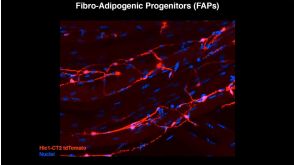

 沪公网安备31010102008431号