Rivera T et al. (JAN 2017)
Nature structural & molecular biology 24 1 30--39
A balance between elongation and trimming regulates telomere stability in stem cells.
Telomere length maintenance ensures self-renewal of human embryonic stem cells (hESCs) and induced pluripotent stem cells (hiPSCs); however,the mechanisms governing telomere length homeostasis in these cell types are unclear. Here,we report that telomere length is determined by the balance between telomere elongation,which is mediated by telomerase,and telomere trimming,which is controlled by XRCC3 and Nbs1,homologous recombination proteins that generate single-stranded C-rich telomeric DNA and double-stranded telomeric circular DNA (T-circles),respectively. We found that reprogramming of differentiated cells induces T-circle and single-stranded C-rich telomeric DNA accumulation,indicating the activation of telomere trimming pathways that compensate telomerase-dependent telomere elongation in hiPSCs. Excessive telomere elongation compromises telomere stability and promotes the formation of partially single-stranded telomeric DNA circles (C-circles) in hESCs,suggesting heightened sensitivity of stem cells to replication stress at overly long telomeres. Thus,tight control of telomere length homeostasis is essential to maintain telomere stability in hESCs.
View Publication
产品类型:
产品号#:
85850
85857
产品名:
mTeSR™1
mTeSR™1
Hawkins F et al. (MAY 2017)
The Journal of clinical investigation
Prospective isolation of NKX2-1-expressing human lung progenitors derived from pluripotent stem cells.
It has been postulated that during human fetal development,all cells of the lung epithelium derive from embryonic,endodermal,NK2 homeobox 1-expressing (NKX2-1+) precursor cells. However,this hypothesis has not been formally tested owing to an inability to purify or track these progenitors for detailed characterization. Here we have engineered and developmentally differentiated NKX2-1GFP reporter pluripotent stem cells (PSCs) in vitro to generate and isolate human primordial lung progenitors that express NKX2-1 but are initially devoid of differentiated lung lineage markers. After sorting to purity,these primordial lung progenitors exhibited lung epithelial maturation. In the absence of mesenchymal coculture support,this NKX2-1+ population was able to generate epithelial-only spheroids in defined 3D cultures. Alternatively,when recombined with fetal mouse lung mesenchyme,the cells recapitulated epithelial-mesenchymal developing lung interactions. We imaged these progenitors in real time and performed time-series global transcriptomic profiling and single-cell RNA sequencing as they moved through the earliest moments of lung lineage specification. The profiles indicated that evolutionarily conserved,stage-dependent gene signatures of early lung development are expressed in primordial human lung progenitors and revealed a CD47hiCD26lo cell surface phenotype that allows their prospective isolation from untargeted,patient-specific PSCs for further in vitro differentiation and future applications in regenerative medicine.
View Publication
产品类型:
产品号#:
85850
85857
产品名:
mTeSR™1
mTeSR™1
Meng G et al. (APR 2011)
Stem cells and development 20 4 583--91
Rapid isolation of undifferentiated human pluripotent stem cells from extremely differentiated colonies
Conventionally,researchers remove spontaneously differentiated areas in human pluripotent stem cell (hPSC) colonies by using a finely drawn glass pipette or a commercially available syringe needle. However,when extreme differentiation occurs,it is inefficient to purify the remaining undifferentiated cells,as these undifferentiated areas are too small to be isolated completely with the mechanical method. Antibodies can be utilized to purify the rare undifferentiated cells; however,this type of purification cannot be used in xeno-free culture systems. To avoid the loss of valuable hPSCs,we developed a novel method to isolate undifferentiated hPSCs from extremely differentiated colonies that could be easily adapted to xeno-free culture conditions. This protocol involves dissecting away differentiated areas,dissociating the remaining colony into clumps,seeding small clumps into new dishes,and picking undifferentiated colonies for expansion. Using this method,we routinely achieve completely undifferentiated colonies in one passage without the use of antibody-based purification.
View Publication
产品类型:
产品号#:
07923
85850
85857
产品名:
Dispase (1 U/mL)
mTeSR™1
mTeSR™1
Narsinh KH et al. (MAR 2011)
Journal of Clinical Investigation 121 3 1217--1221
Single cell transcriptional profiling reveals heterogeneity of human induced pluripotent stem cells
Human induced pluripotent stem cells (hiPSCs) and human embryonic stem cells (hESCs) are promising can- didate cell sources for regenerative medicine. However,despite the common ability of hiPSCs and hESCs to dif- ferentiate into all 3 germ layers,their functional equivalence at the single cell level remains to be demonstrated. Moreover,single cell heterogeneity amongst stem cell populations may underlie important cell fate decisions. Here,we used single cell analysis to resolve the gene expression profiles of 362 hiPSCs and hESCs for an array of 42 genes that characterize the pluripotent and differentiated states. Comparison between single hESCs and single hiPSCs revealed markedly more heterogeneity in gene expression levels in the hiPSCs,suggesting that hiPSCs occupy an alternate,less stable pluripotent state. hiPSCs also displayed slower growth kinetics and impaired directed differentiation as compared with hESCs. Our results suggest that caution should be exer- cised before assuming that hiPSCs occupy a pluripotent state equivalent to that of hESCs,particularly when producing differentiated cells for regenerative medicine aims.
View Publication
产品类型:
产品号#:
85850
85857
产品名:
mTeSR™1
mTeSR™1
Razaq MA et al. (MAR 2017)
British journal of haematology 176 6 971--983
A molecular roadmap of definitive erythropoiesis from human induced pluripotent stem cells.
Human induced pluripotent stem cells (hiPSCs) are being considered for use in understanding haematopoietic disorders and as a potential source of in vitro manufactured red cells. Here,we show that hiPSCs are able to recapitulate various stages of developmental erythropoiesis. We show that primitive erythroblasts arise first,express CD31(+) with CD235a(+),embryonic globins and red cell markers,but fail to express the hallmark red cell transcripts of adult erythropoiesis. When hiPSC-derived CD45(+) CD235a(-) haematopoietic progenitors are isolated on day 12 and further differentiated on OP9 stroma,they selectively express CD36(+) and CD235a(+),adult erythroid transcripts for transcription factors (e.g.,BCL11A,KLF1) and fetal/adult globins (HBG1/2,HBB). Importantly,hiPSC- and cord-derived CD36(+) CD235a(+) erythroblasts show a striking homology by transcriptome array profiling (only 306 transcripts with a 2Log fold change<1textperiodcentered5- or 2textperiodcentered8-fold). Phenotypic and transcriptome profiling of CD45(+) CD117(+) CD235a(+) pro-erythroblasts and terminally differentiated erythroblasts is also provided,including evidence of a HbF (fetal) to HbA (adult) haemoglobin switch and enucleation,that mirrors their definitive erythroblast cord-derived counterparts. These findings provide a molecular roadmap of developmental erythropoiesis from hiPSC sources at several critical stages,but also helps to inform on their use for clinical applications and modelling human haematopoietic disease.
View Publication
Kootstra NA et al. (FEB 2003)
Proceedings of the National Academy of Sciences of the United States of America 100 3 1298--303
Abrogation of postentry restriction of HIV-1-based lentiviral vector transduction in simian cells.
HIV-1 replication in simian cells is restricted at an early postentry step because of the presence of an inhibitory cellular factor. This block reduces the usefulness of HIV-1-based lentiviral vectors in primate animal models. Here,we demonstrate that substitution of the cyclophilin A (CyPA) binding region in the capsid of an HIV-1-based lentiviral vector (LV) with that of the macrophage tropic HIV-1 Ba-L resulted in a vector that was resistant to the inhibitory effect and efficiently transduced simian cells. Notably,the chimeric gag LV efficiently transduced primary simian hematopoietic progenitor cells,a critical cellular target in gene therapy. The alterations in the CyPA binding region did not affect CyPA incorporation; however,transduction by the gag chimeric LV seemed to be relatively insensitive to cyclosporin A,indicating that it does not require CyPA for early postentry steps. In dual infection experiments,the gag chimeric LV failed to remove the block to transduction of the WT LV,suggesting that the gag chimeric LV did not saturate the inhibitory simian cellular factor. These data suggest that the CyPA binding region of capsid contains a viral determinant involved in the postentry restriction of HIV-1-based lentiviral vectors. Overall,the findings demonstrate that the host range of HIV-1-based LV can be altered by modifications in the packaging construct.
View Publication
产品类型:
产品号#:
05150
09500
09600
09650
产品名:
MyeloCult™H5100
BIT 9500血清替代物
StemSpan™ SFEM
StemSpan™ SFEM
Diehn M et al. (APR 2009)
Nature 458 7239 780--3
Association of reactive oxygen species levels and radioresistance in cancer stem cells.
The metabolism of oxygen,although central to life,produces reactive oxygen species (ROS) that have been implicated in processes as diverse as cancer,cardiovascular disease and ageing. It has recently been shown that central nervous system stem cells and haematopoietic stem cells and early progenitors contain lower levels of ROS than their more mature progeny,and that these differences are critical for maintaining stem cell function. We proposed that epithelial tissue stem cells and their cancer stem cell (CSC) counterparts may also share this property. Here we show that normal mammary epithelial stem cells contain lower concentrations of ROS than their more mature progeny cells. Notably,subsets of CSCs in some human and murine breast tumours contain lower ROS levels than corresponding non-tumorigenic cells (NTCs). Consistent with ROS being critical mediators of ionizing-radiation-induced cell killing,CSCs in these tumours develop less DNA damage and are preferentially spared after irradiation compared to NTCs. Lower ROS levels in CSCs are associated with increased expression of free radical scavenging systems. Pharmacological depletion of ROS scavengers in CSCs markedly decreases their clonogenicity and results in radiosensitization. These results indicate that,similar to normal tissue stem cells,subsets of CSCs in some tumours contain lower ROS levels and enhanced ROS defences compared to their non-tumorigenic progeny,which may contribute to tumour radioresistance.
View Publication
产品类型:
产品号#:
05601
产品名:
EpiCult™-B 人培养基
Yea C-H et al. (JAN 2016)
Biomaterials 75 250--259
In situ label-free quantification of human pluripotent stem cells with electrochemical potential
Conventional methods for quantification of undifferentiated pluripotent stem cells such as fluorescence-activated cell sorting and real-time PCR analysis have technical limitations in terms of their sensitivity and recyclability. Herein,we designed a real-time in situ label-free monitoring system on the basis of a specific electrochemical signature of human pluripotent stem cells in vitro. The intensity of the signal of hPSCs highly corresponded to the cell number and remained consistent in a mixed population with differentiated cells. The electrical charge used for monitoring did not markedly affect the proliferation rate or molecular characteristics of differentiated human aortic smooth muscle cells. After YM155 treatment to ablate undifferentiated hPSCs,their specific signal was significantly reduced. This suggests that detection of the specific electrochemical signature of hPSCs would be a valid approach to monitor potential contamination of undifferentiated hPSCs,which can assess the risk of teratoma formation efficiently and economically.
View Publication
Widespread Chromatin Accessibility at Repetitive Elements Links Stem Cells with Human Cancer.
Chromatin regulation is critical for differentiation and disease. However,features linking the chromatin environment of stem cells with disease remain largely unknown. We explored chromatin accessibility in embryonic and multipotent stem cells and unexpectedly identified widespread chromatin accessibility at repetitive elements. Integrating genomic and biochemical approaches,we demonstrate that these sites of increased accessibility are associated with well-positioned nucleosomes marked by distinct histone modifications. Differentiation is accompanied by chromatin remodeling at repetitive elements associated with altered expression of genes in relevant developmental pathways. Remarkably,we found that the chromatin environment of Ewing sarcoma,a mesenchymally derived tumor,is shared with primary mesenchymal stem cells (MSCs). Accessibility at repetitive elements in MSCs offers a permissive environment that is exploited by the critical oncogene responsible for this cancer. Our data demonstrate that stem cells harbor a unique chromatin landscape characterized by accessibility at repetitive elements,a feature associated with differentiation and oncogenesis.
View Publication
产品类型:
产品号#:
85850
85857
产品名:
mTeSR™1
mTeSR™1
Li Y et al. (MAY 2010)
Clinical cancer research : an official journal of the American Association for Cancer Research 16 9 2580--90
Sulforaphane, a dietary component of broccoli/broccoli sprouts, inhibits breast cancer stem cells.
PURPOSE: The existence of cancer stem cells (CSCs) in breast cancer has profound implications for cancer prevention. In this study,we evaluated sulforaphane,a natural compound derived from broccoli/broccoli sprouts,for its efficacy to inhibit breast CSCs and its potential mechanism. EXPERIMENTAL DESIGN: Aldefluor assay and mammosphere formation assay were used to evaluate the effect of sulforaphane on breast CSCs in vitro. A nonobese diabetic/severe combined immunodeficient xenograft model was used to determine whether sulforaphane could target breast CSCs in vivo,as assessed by Aldefluor assay,and tumor growth upon cell reimplantation in secondary mice. The potential mechanism was investigated using Western blotting analysis and beta-catenin reporter assay. RESULTS: Sulforaphane (1-5 micromol/L) decreased aldehyde dehydrogenase-positive cell population by 65% to 80% in human breast cancer cells (P textless 0.01) and reduced the size and number of primary mammospheres by 8- to 125-fold and 45% to 75% (P textless 0.01),respectively. Daily injection with 50 mg/kg sulforaphane for 2 weeks reduced aldehyde dehydrogenase-positive cells by textgreater50% in nonobese diabetic/severe combined immunodeficient xenograft tumors (P = 0.003). Sulforaphane eliminated breast CSCs in vivo,thereby abrogating tumor growth after the reimplantation of primary tumor cells into the secondary mice (P textless 0.01). Western blotting analysis and beta-catenin reporter assay showed that sulforaphane downregulated the Wnt/beta-catenin self-renewal pathway. CONCLUSIONS: Sulforaphane inhibits breast CSCs and downregulates the Wnt/beta-catenin self-renewal pathway. These findings support the use of sulforaphane for the chemoprevention of breast cancer stem cells and warrant further clinical evaluation.
View Publication


 EasySep™小鼠TIL(CD45)正选试剂盒




 实验方案Enzyme-Free Passaging of Human Pluripotent Stem Cells Using Gentle Cell Dissociation Reagent
 20:09
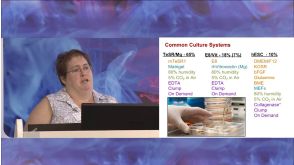
线上讲座Nature Research Round Table: Maintenance of Human Pluripotent Stem Cells In Vitro发布日期: 11/01/2019
20:09
线上讲座Nature Research Round Table: Maintenance of Human Pluripotent Stem Cells In Vitro发布日期: 11/01/2019
 沪公网安备31010102008431号