Boussaad I et al. (AUG 2011)
Journal of virology 85 15 7710--8
Wild-type measles virus interferes with short-term engraftment of human CD34+ hematopoietic progenitor cells.
Transient lymphopenia is a hallmark of measles virus (MV)-induced immunosuppression. To address to what extent replenishment of the peripheral lymphocyte compartment from bone marrow (BM) progenitor/stem cells might be affected,we analyzed the interaction of wild-type MV with hematopoietic stem and progenitor cells (HS/PCs) and stroma cells in vitro. Infection of human CD34(+) HS/PCs or stroma cells with wild-type MV is highly inefficient yet noncytolytic. It occurs independently of CD150 in stroma cells but also in HS/PCs,where infection is established in CD34(+) CD150(-) and CD34(+) CD150(+) (in humans representing HS/PC oligopotent precursors) subsets. Stroma cells and HS/PCs can mutually transmit MV and may thereby create a possible niche for continuous viral exchange in the BM. Infected lymphocytes homing to this compartment may serve as sources for HS/PC or stroma cell infection,as reflected by highly efficient transmission of MV from both populations in cocultures with MV-infected B or T cells. Though MV exposure does not detectably affect the viability,expansion,and colony-forming activity of either CD150(+) or CD150(-) HS/PCs in vitro,it efficiently interferes with short- but not long-term hematopoietic reconstitution in NOD/SCID mice. Altogether,these findings support the hypothesis that MV accession of the BM compartment by infected lymphocytes may contribute to peripheral blood mononuclear cell lymphopenia at the level of BM suppression.
View Publication
产品类型:
产品号#:
04434
04444
产品名:
MethoCult™ H4434 Classic
MethoCult™ H4434 Classic
Webb CF et al. (MAR 2011)
Molecular and cellular biology 31 5 1041--53
The ARID family transcription factor bright is required for both hematopoietic stem cell and B lineage development.
Bright/Arid3a has been characterized both as an activator of immunoglobulin heavy-chain transcription and as a proto-oncogene. Although Bright expression is highly B lineage stage restricted in adult mice,its expression in the earliest identifiable hematopoietic stem cell (HSC) population suggests that Bright might have additional functions. We showed that textgreater99% of Bright(-/-) embryos die at midgestation from failed hematopoiesis. Bright(-/-) embryonic day 12.5 (E12.5) fetal livers showed an increase in the expression of immature markers. Colony-forming assays indicated that the hematopoietic potential of Bright(-/-) mice is markedly reduced. Rare survivors of lethality,which were not compensated by the closely related paralogue Bright-derived protein (Bdp)/Arid3b,suffered HSC deficits in their bone marrow as well as B lineage-intrinsic developmental and functional deficiencies in their peripheries. These include a reduction in a natural antibody,B-1 responses to phosphocholine,and selective T-dependent impairment of IgG1 class switching. Our results place Bright/Arid3a on a select list of transcriptional regulators required to program both HSC and lineage-specific differentiation.
View Publication
Poulin LF et al. (JUN 2010)
The Journal of experimental medicine 207 6 1261--71
Characterization of human DNGR-1+ BDCA3+ leukocytes as putative equivalents of mouse CD8alpha+ dendritic cells.
In mouse,a subset of dendritic cells (DCs) known as CD8alpha+ DCs has emerged as an important player in the regulation of T cell responses and a promising target in vaccination strategies. However,translation into clinical protocols has been hampered by the failure to identify CD8alpha+ DCs in humans. Here,we characterize a population of human DCs that expresses DNGR-1 (CLEC9A) and high levels of BDCA3 and resembles mouse CD8alpha+ DCs in phenotype and function. We describe the presence of such cells in the spleens of humans and humanized mice and report on a protocol to generate them in vitro. Like mouse CD8alpha+ DCs,human DNGR-1+ BDCA3hi DCs express Necl2,CD207,BATF3,IRF8,and TLR3,but not CD11b,IRF4,TLR7,or (unlike CD8alpha+ DCs) TLR9. DNGR-1+ BDCA3hi DCs respond to poly I:C and agonists of TLR8,but not of TLR7,and produce interleukin (IL)-12 when given innate and T cell-derived signals. Notably,DNGR-1+ BDCA3+ DCs from in vitro cultures efficiently internalize material from dead cells and can cross-present exogenous antigens to CD8+ T cells upon treatment with poly I:C. The characterization of human DNGR-1+ BDCA3hi DCs and the ability to grow them in vitro opens the door for exploiting this subset in immunotherapy.
View Publication
产品类型:
产品号#:
09600
09650
产品名:
StemSpan™ SFEM
StemSpan™ SFEM
Huijskens MJAJ et al. (DEC 2014)
Journal of leukocyte biology 96 6 1165--75
Technical advance: ascorbic acid induces development of double-positive T cells from human hematopoietic stem cells in the absence of stromal cells.
The efficacy of donor HSCT is partly reduced as a result of slow post-transplantation immune recovery. In particular,T cell regeneration is generally delayed,resulting in high infection-related mortality in the first years post-transplantation. Adoptive transfer of in vitro-generated human T cell progenitors seems a promising approach to accelerate T cell recovery in immunocompromised patients. AA may enhance T cell proliferation and differentiation in a controlled,feeder-free environment containing Notch ligands and defined growth factors. Our experiments show a pivotal role for AA during human in vitro T cell development. The blocking of NOS diminished this effect,indicating a role for the citrulline/NO cycle. AA promotes the transition of proT1 to proT2 cells and of preT to DP T cells. Furthermore,the addition of AA to feeder cocultures resulted in development of DP and SP T cells,whereas without AA,a preT cell-stage arrest occurred. We conclude that neither DLL4-expressing feeder cells nor feeder cell conditioned media are required for generating DP T cells from CB and G-CSF-mobilized HSCs and that generation and proliferation of proT and DP T cells are greatly improved by AA. This technology could potentially be used to generate T cell progenitors for adoptive therapy.
View Publication
Gü et al. (MAY 2012)
International immunopharmacology 13 1 61--8
Cryopreservation of adenovirus-transfected dendritic cells (DCs) for clinical use.
In this study,we examined the effects of cryoprotectant,freezing and thawing,and adenovirus (Adv) transduction on the viability,transgene expression,phenotype,and function of human dendritic cells (DCs). DCs were differentiated from cultured peripheral blood (PB) monocytes following Elutra isolation using granulocyte-macrophage colony-stimulating factor (GM-CSF) and interleukin-4 (IL-4) for 6 days and then transduced using an Adv vector with an IL-12 transgene. Fresh,cryopreserved,and thawed transduced immature DCs were examined for their: 1) cellular concentration and viability; 2) antigenicity using an allogeneic mixed lymphocyte reaction (MLR); 3) phenotype (HLA-DR and CD11c) and activation (CD83); and 4) transgene expression based on IL-12 secretion. Stability studies revealed that transduced DCs could be held in cryoprotectant for as long as 75 min at 2-8°C prior to freezing with little effect on their viability and cellularity. Further,cryopreservation,storage,and thawing reduced the viability of the transduced DCs by an average of 7.7%; and had no significant impact on DC phenotype and activation. In summary,cryopreservation,storage,and thawing had no significant effect on DC viability,function,and transgene expression by Adv-transduced DCs.
View Publication
产品类型:
产品号#:
07933
07953
07949
07930
07931
07940
07955
07956
07959
07954
100-1061
07952
产品名:
CryoStor®CS5
CryoStor®CS5
CryoStor®CS5
CryoStor® CS10
CryoStor® CS10
CryoStor® CS10
CryoStor® CS10
CryoStor® CS10
CryoStor® CS10
CryoStor® CS10
Ruggeri L et al. (JUL 2007)
Blood 110 1 433--40
Donor natural killer cell allorecognition of missing self in haploidentical hematopoietic transplantation for acute myeloid leukemia: challenging its predictive value.
We analyzed 112 patients with high-risk acute myeloid leukemia (61 in complete remission [CR]; 51 in relapse),who received human leukocyte-antigen (HLA)-haploidentical transplants from natural killer (NK) alloreactive (n = 51) or non-NK alloreactive donors (n = 61). NK alloreactive donors possessed HLA class I,killer-cell immunoglobulin-like receptor (KIR) ligand(s) which were missing in the recipients,KIR gene(s) for missing self recognition on recipient targets,and alloreactive NK clones against recipient targets. Transplantation from NK-alloreactive donors was associated with a significantly lower relapse rate in patients transplanted in CR (3% versus 47%) (P textgreater .003),better event-free survival in patients transplanted in relapse (34% versus 6%,P = .04) and in remission (67% versus 18%,P = .02),and reduced risk of relapse or death (relative risk versus non-NK-alloreactive donor,0.48; 95% CI,0.29-0.78; P textgreater .001). In all patients we tested the missing ligand" model which pools KIR ligand mismatched transplants and KIR ligand-matched transplants from donors possessing KIR(s) for which neither donor nor recipient have HLA ligand(s). Only transplantation from NK-alloreactive donors is associated with a survival advantage."
View Publication
产品类型:
产品号#:
15025
15065
产品名:
RosetteSep™人NK细胞富集抗体混合物
RosetteSep™人NK细胞富集抗体混合物
Dykstra B et al. (MAY 2006)
Proceedings of the National Academy of Sciences of the United States of America 103 21 8185--90
High-resolution video monitoring of hematopoietic stem cells cultured in single-cell arrays identifies new features of self-renewal.
To search for new indicators of self-renewing hematopoietic stem cells (HSCs),highly purified populations were isolated from adult mouse marrow,micromanipulated into a specially designed microscopic array,and cultured for 4 days in 300 ng/ml Steel factor,20 ng/ml IL-11,and 1 ng/ml flt3-ligand. During this period,each cell and its progeny were imaged at 3-min intervals by using digital time-lapse photography. Individual clones were then harvested and assayed for HSCs in mice by using a 4-month multilineage repopulation endpoint (textgreater1% contribution to lymphoid and myeloid lineages). In a first experiment,6 of 14 initial cells (43%) and 17 of 61 clones (28%) had HSC activity,demonstrating that HSC self-renewal divisions had occurred in vitro. Characteristics associated with HSC activity included longer cell-cycle times and the absence of uropodia on a majority of cells within the clone during the final 12 h of culture. Combining these criteria maximized the distinction of clones with HSC activity from those without and identified a subset of 27 of the 61 clones. These 27 clones included all 17 clones that had HSC activity; a detection efficiency of 63% (2.26 times more frequently than in the original group). The utility of these characteristics for discriminating HSC-containing clones was confirmed in two independent experiments where all HSC-containing clones were identified at a similar 2- to 3-fold-greater efficiency. These studies illustrate the potential of this monitoring system to detect new features of proliferating HSCs that are predictive of self-renewal divisions.
View Publication
产品类型:
产品号#:
19756
19756RF
产品名:
Pelletier M et al. (JAN 2010)
Blood 115 2 335--43
Evidence for a cross-talk between human neutrophils and Th17 cells.
Interleukin-17A (IL-17A) and IL-17F are 2 of several cytokines produced by T helper 17 cells (Th17),which are able to indirectly induce the recruitment of neutrophils. Recently,human Th17 cells have been phenotypically characterized and shown to express discrete chemokine receptors,including CCR2 and CCR6. Herein,we show that highly purified neutrophils cultured with interferon-gamma plus lipopolysaccharide produce the CCL2 and CCL20 chemokines,the known ligands of CCR2 and CCR6,respectively. Accordingly,supernatants from activated neutrophils induced chemotaxis of Th17 cells,which was greatly suppressed by anti-CCL20 and anti-CCL2 antibodies. We also discovered that activated Th17 cells could directly chemoattract neutrophils via the release of biologically active CXCL8. Consistent with this reciprocal recruitment,neutrophils and Th17 cells were found in gut tissue from Crohn disease and synovial fluid from rheumatoid arthritis patients. Finally,we report that,although human Th17 cells can directly interact with freshly isolated or preactivated neutrophils via granulocyte-macrophage colony-stimulating factor,tumor necrosis factor-alpha,and interferon-gamma release,these latter cells cannot be activated by IL-17A and IL-17F,because of their lack of IL-17RC expression. Collectively,our results reveal a novel chemokine-dependent reciprocal cross-talk between neutrophils and Th17 cells,which may represent a useful target for the treatment of chronic inflammatory diseases.
View Publication
产品类型:
产品号#:
19309
19309RF
19052
19052RF
19058
19058RF
100-1525
产品名:
EasySep™人定制富集试剂盒
RoboSep™ 人定制富集试剂盒,含滤芯吸头
EasySep™人CD4+ T细胞富集试剂盒
RoboSep™ 人CD4+ T细胞富集试剂盒含滤芯吸头
EasySep™人单核细胞富集试剂盒(不去除CD16)
RoboSep™ 人单核细胞富集试剂盒(不去除CD16)含滤芯吸头
EasySep™人单核细胞富集试剂盒(不去除CD16)
Haniffa M et al. (FEB 2009)
The Journal of experimental medicine 206 2 371--85
Differential rates of replacement of human dermal dendritic cells and macrophages during hematopoietic stem cell transplantation.
Animal models of hematopoietic stem cell transplantation have been used to analyze the turnover of bone marrow-derived cells and to demonstrate the critical role of recipient antigen-presenting cells (APC) in graft versus host disease (GVHD). In humans,the phenotype and lineage relationships of myeloid-derived tissue APC remain incompletely understood. It has also been proposed that the risk of acute GVHD,which extends over many months,is related to the protracted survival of certain recipient APC. Human dermis contains three principal subsets of CD45(+)HLA-DR(+) cells: CD1a(+)CD14(-) DC,CD1a(-)CD14(+) DC,and CD1a(-)CD14(+)FXIIIa(+) macrophages. In vitro,each subset has characteristic properties. After transplantation,both CD1a(+) and CD14(+) DC are rapidly depleted and replaced by donor cells,but recipient macrophages can be found in GVHD lesions and may persist for many months. Macrophages isolated from normal dermis secrete proinflammatory cytokines. Although they stimulate little proliferation of naive or memory CD4(+) T cells,macrophages induce cytokine expression in memory CD4(+) T cells and activation and proliferation of CD8(+) T cells. These observations suggest that dermal macrophages and DC are from distinct lineages and that persistent recipient macrophages,although unlikely to initiate alloreactivity,may contribute to GVHD by sustaining the responses of previously activated T cells.
View Publication


 EasySep™小鼠TIL(CD45)正选试剂盒




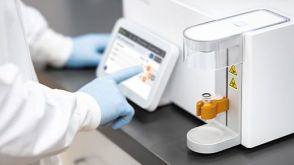 实验方案Gene Editing Human CD34+ Hematopoietic Stem and Progenitor Cells with the CellPore™ Transfection System
 技术公告Expansion and Differentiation of Hematopoietic Stem and Progenitor Cells into Natural Killer (NK) Cells Using StemSpan™ Medium and Supplements
 技术公告StemSpan™ Medium and Supplements for the Generation of T Cells from Cord Blood-Derived CD34+ Cells
 沪公网安备31010102008431号