Bacigalupo A et al. (JUL 2005)
Experimental hematology 33 7 819--27
T-cell suppression mediated by mesenchymal stem cells is deficient in patients with severe aplastic anemia.
OBJECTIVE: To compare the suppressive effect of mesenchymal stem cells (MSC),derived from normal individuals or severe aplastic anemia patients (SAA),on T-cell activation. PATIENTS AND METHODS: We studied bone marrow MSC from 19 healthy donors and 23 SAA patients in different phases of the disease: at diagnosis (n = 3),following immunosuppressive therapy (IS) (n = 16),or after a bone marrow transplant (BMT) (n = 4). MSC were tested for T-cell suppression in the following assays: mixed lymphocyte reaction (MLR),phytohemaglutinin (PHA)-primed cultures,activation surface markers,gamma-IFN production,hematopoietic colony formation (CFC),production of cyclic ADP-ribose (cADPR). RESULTS: The abnormalities of SAA MSC included: 1) significantly lower suppression of T-cell proliferation induced by alloantigens (p = 0.009) or PHA (p = 0.006); 2) impaired capacity to suppress CD38 expression on PHA-primed T cells (p = 0.001); 3) impaired ability to suppress gamma-IFN production in PHA cultures,resulting in an 11-fold higher gamma-IFN concentration; 4) no preventive effect on T cell-mediated inhibition of CFC; and 5) significantly reduced (p = 0.009) production of cADPR,a universal calcium mobilizer. MSC-mediated suppression of PHA-induced T-cell proliferation was restored to control levels in 3 of 4 patients post-BMT. CONCLUSION: The ability of MSC to downregulate T-cell priming,proliferation,and cytokine release is deficient in patients with SAA,persists indefinitely after immunosuppressive therapy,but seems to be restored after BMT. Whether these abnormalities are relevant to the pathogenesis of aplastic anemia remains to be determined.
View Publication
产品类型:
产品号#:
05401
05402
05411
产品名:
MesenCult™ MSC 基础培养基(人)
MesenCult™ MSC 刺激补充剂(人)
MesenCult™ 增殖试剂盒(人)
A. Reuter et al. ( 2015)
The Journal of Immunology 194 2696-2705
Criteria for Dendritic Cell Receptor Selection for Efficient Antibody-Targeted Vaccination
Ab-targeted vaccination involves targeting a receptor of choice expressed by dendritic cells (DCs) with Ag-coupled Abs. Currently,there is little consensus as to which criteria determine receptor selection to ensure superior Ag presentation and immunity. In this study,we investigated parameters of DC receptor internalization and determined how they impact Ag presentation outcomes. First,using mixed bone marrow chimeras,we established that Ag-targeted,but not nontargeted,DCs are responsible for Ag presentation in settings of Ab-targeted vaccination in vivo. Next,we analyzed parameters of DEC205 (CD205),Clec9A,CD11c,CD11b,and CD40 endocytosis and obtained quantitative measurements of internalization speed,surface turnover,and delivered Ag load. Exploiting these parameters in MHC class I (MHC I) and MHC class II (MHC II) Ag presentation assays,we showed that receptor expression level,proportion of surface turnover,or speed of receptor internalization did not impact MHC I or MHC II Ag presentation efficiency. Furthermore,the Ag load delivered to DCs did not correlate with the efficiency of MHC I or MHC II Ag presentation. In contrast,targeting Ag to CD8(+) or CD8(-) DCs enhanced MHC I or MHC II Ag presentation,respectively. Therefore,receptor expression levels,speed of internalization,and/or the amount of Ag delivered can be excluded as major determinants that dictate Ag presentation efficiency in setting of Ab-targeted vaccination.
View Publication
产品类型:
产品号#:
19251
19251RF
产品名:
EasySep™人Pan-DC预富集试剂盒
RoboSep™ 人Pan-DC预富集试剂盒含滤芯吸头
Abadier M et al. (DEC 2017)
Cell reports 21 13 3885--3899
Effector and Regulatory T Cells Roll at High Shear Stress by Inducible Tether and Sling Formation.
The adaptive immune response involves T cell differentiation and migration to sites of inflammation. T cell trafficking is initiated by rolling on inflamed endothelium. Tethers and slings,discovered in neutrophils,facilitate cell rolling at high shear stress. Here,we demonstrate that the ability to form tethers and slings during rolling is highly inducible in T helper 1 (Th1),Th17,and regulatory T (Treg) cells but less in Th2 cells. In vivo,endogenous Treg cells rolled stably in cremaster venules at physiological shear stress. Quantitative dynamic footprinting nanoscopy of Th1,Th17,and Treg cells uncovered the formation of multiple tethers per cell. Human Th1 cells also showed tethers and slings. RNA sequencing (RNA-seq) revealed the induction of cell migration and cytoskeletal genes in sling-forming cells. We conclude that differentiated CD4 T cells stabilize rolling by inducible tether and sling formation. These phenotypic changes approximate the adhesion phenotype of neutrophils and support CD4 T cell access to sites of inflammation.
View Publication
Kabanova A et al. (APR 2016)
Cell Reports 15 1 9--18
Human Cytotoxic T Lymphocytes Form Dysfunctional Immune Synapses with B Cells Characterized by Non-Polarized Lytic Granule Release.
Suppression of the cytotoxic T cell (CTL) immune response has been proposed as one mechanism for immune evasion in cancer. In this study,we have explored the underlying basis for CTL suppression in the context of B cell malignancies. We document that human B cells have an intrinsic ability to resist killing by freshly isolated cytotoxic T cells (CTLs),but are susceptible to lysis by IL-2 activated CTL blasts and CTLs isolated from immunotherapy-treated patients with chronic lymphocytic leukemia (CLL). Impaired killing was associated with the formation of dysfunctional non-lytic immune synapses characterized by the presence of defective linker for activation of T cells (LAT) signaling and non-polarized release of the lytic granules transported by ADP-ribosylation factor-like protein 8 (Arl8). We propose that non-lytic degranulation of CTLs are a key regulatory mechanism of evasion through which B cells may interfere with the formation of functional immune synapses by CTLs.
View Publication
产品类型:
产品号#:
15024
15064
15023
15063
产品名:
RosetteSep™人B细胞富集抗体混合物
RosetteSep™人B细胞富集抗体混合物
RosetteSep™人CD8+ T细胞富集抗体混合物
RosetteSep™人CD8+ T细胞富集抗体混合物
Y. Kuwano et al. (MAY 2016)
Journal of Immunology 196 9 3828--33
G$\alpha$i2 and G$\alpha$i3 Differentially Regulate Arrest from Flow and Chemotaxis in Mouse Neutrophils.
Leukocyte recruitment to inflammation sites progresses in a multistep cascade. Chemokines regulate multiple steps of the cascade,including arrest,transmigration,and chemotaxis. The most important chemokine receptor in mouse neutrophils is CXCR2,which couples through G$\alpha$i2- and G$\alpha$i3-containing heterotrimeric G proteins. Neutrophils arrest in response to CXCR2 stimulation. This is defective in G$\alpha$i2-deficient neutrophils. In this study,we show that G$\alpha$i3-deficient neutrophils showed reduced transmigration but normal arrest in mice. We also tested G$\alpha$i2- or G$\alpha$i3-deficient neutrophils in a CXCL1 gradient generated by a microfluidic device. G$\alpha$i3-,but not G$\alpha$i2-,deficient neutrophils showed significantly reduced migration and directionality. This was confirmed in a model of sterile inflammation in vivo. G$\alpha$i2-,but not G$\alpha$i3-,deficient neutrophils showed decreased Ca(2+) flux in response to CXCR2 stimulation. Conversely,G$\alpha$i3-,but not G$\alpha$i2-,deficient neutrophils exhibited reduced AKT phosphorylation upon CXCR2 stimulation. We conclude that G$\alpha$i2 controls arrest and G$\alpha$i3 controls transmigration and chemotaxis in response to chemokine stimulation of neutrophils.
View Publication
产品类型:
产品号#:
19762
19762RF
20155
产品名:
EasySep™小鼠中性粒细胞富集试剂盒
RoboSep™ 小鼠中性粒细胞富集试剂盒含滤芯吸头
RoboSep™分选管套装(9个塑料管)
Kortylewski M et al. (DEC 2005)
Nature medicine 11 12 1314--21
Inhibiting Stat3 signaling in the hematopoietic system elicits multicomponent antitumor immunity.
The immune system can act as an extrinsic suppressor of tumors. Therefore,tumor progression depends in part on mechanisms that downmodulate intrinsic immune surveillance. Identifying these inhibitory pathways may provide promising targets to enhance antitumor immunity. Here,we show that Stat3 is constitutively activated in diverse tumor-infiltrating immune cells,and ablating Stat3 in hematopoietic cells triggers an intrinsic immune-surveillance system that inhibits tumor growth and metastasis. We observed a markedly enhanced function of dendritic cells,T cells,natural killer (NK) cells and neutrophils in tumor-bearing mice with Stat3(-/-) hematopoietic cells,and showed that tumor regression requires immune cells. Targeting Stat3 with a small-molecule drug induces T cell- and NK cell-dependent growth inhibition of established tumors otherwise resistant to direct killing by the inhibitor. Our findings show that Stat3 signaling restrains natural tumor immune surveillance and that inhibiting hematopoietic Stat3 in tumor-bearing hosts elicits multicomponent therapeutic antitumor immunity.
View Publication
产品类型:
产品号#:
18709
18709RF
产品名:
EasySep™小鼠定制正选试剂盒
RoboSep™ 小鼠定制正选试剂盒含滤芯吸头
&Scaron et al. (JUL 2013)
Journal of immunology (Baltimore,Md. : 1950) 191 2 828--36
CD160 activation by herpesvirus entry mediator augments inflammatory cytokine production and cytolytic function by NK cells.
Lymphocyte activation is regulated by costimulatory and inhibitory receptors,of which both B and T lymphocyte attenuator (BTLA) and CD160 engage herpesvirus entry mediator (HVEM). Notably,it remains unclear how HVEM functions with each of its ligands during immune responses. In this study,we show that HVEM specifically activates CD160 on effector NK cells challenged with virus-infected cells. Human CD56(dim) NK cells were costimulated specifically by HVEM but not by other receptors that share the HVEM ligands LIGHT,Lymphotoxin-α,or BTLA. HVEM enhanced human NK cell activation by type I IFN and IL-2,resulting in increased IFN-γ and TNF-α secretion,and tumor cell-expressed HVEM activated CD160 in a human NK cell line,causing rapid hyperphosphorylation of serine kinases ERK1/2 and AKT and enhanced cytolysis of target cells. In contrast,HVEM activation of BTLA reduced cytolysis of target cells. Together,our results demonstrate that HVEM functions as a regulator of immune function that activates NK cells via CD160 and limits lymphocyte-induced inflammation via association with BTLA.
View Publication
产品类型:
产品号#:
19055
19055RF
产品名:
EasySep™人NK细胞富集试剂盒
RoboSep™ 人NK细胞富集试剂盒含滤芯吸头
Begum AN et al. (JUL 2014)
Translational psychiatry 4 January e414
Women with the Alzheimer's risk marker ApoE4 lose A-specific CD4 T cells 10-20 years before men.
Adaptive immunity to self-antigens causes autoimmune disorders,such as multiple sclerosis,psoriasis and type 1 diabetes; paradoxically,T- and B-cell responses to amyloid-$\$(A$\$) reduce Alzheimer's disease (AD)-associated pathology and cognitive impairment in mouse models of the disease. The manipulation of adaptive immunity has been a promising therapeutic approach for the treatment of AD,although vaccine and anti-A$\$ approaches have proven difficult in patients,thus far. CD4(+) T cells have a central role in regulating adaptive immune responses to antigens,and A$\$-specific CD4(+) T cells have been shown to reduce AD pathology in mouse models. As these cells may facilitate endogenous mechanisms that counter AD,an evaluation of their abundance before and during AD could provide important insights. A$\$-CD4see is a new assay developed to quantify A$\$-specific CD4(+) T cells in human blood,using dendritic cells derived from human pluripotent stem cells. In tests of textgreater50 human subjects A$\$-CD4see showed an age-dependent decline of A$\$-specific CD4(+) T cells,which occurs earlier in women than men. In aggregate,men showed a 50% decline in these cells by the age of 70 years,but women reached the same level before the age of 60 years. Notably,women who carried the AD risk marker apolipoproteinE-ɛ4 (ApoE4) showed the earliest decline,with a precipitous drop between 45 and 52 years,when menopause typically begins. A$\$-CD4see requires a standard blood draw and provides a minimally invasive approach for assessing changes in A$\$ that may reveal AD-related changes in physiology by a decade. Furthermore,CD4see probes can be modified to target any peptide,providing a powerful new tool to isolate antigen-specific CD4(+) T cells from human subjects.
View Publication
产品类型:
产品号#:
05850
05857
05870
05875
85850
85857
85870
85875
产品名:
mTeSR™1
mTeSR™1
Hansen AS et al. (OCT 2016)
Scientific reports 6 35406
Non-random pairing of CD46 isoforms with skewing towards BC2 and C2 in activated and memory/effector T cells.
CD46 is a glycoprotein with important functions in innate and adaptive immune responses. Functionally different isoforms are generated by alternative splicing at exons 7-9 (BC and C isoforms) and exon 13 (CYT-1 and CYT-2 isoforms) giving rise to BC1,BC2,C1 and C2. We developed a novel real-time PCR assay that allows quantitative comparisons between these isoforms. Their relative frequency in CD4(+) T cells from 100 donors revealed a distribution with high interpersonally variability. Importantly,the distribution between the isoforms was not random and although splicing favoured inclusion of exon 8 (BC isoforms),exclusion of exon 8 (C isoforms) was significantly linked to exclusion of exon 13 (CYT-2 isoforms). Despite inter-individual differences,CD4(+) and CD8(+) T cells,B cells,NK cells and monocytes expressed similar isoform profiles intra-individually. However,memory/effector CD4(+) T cells had a significantly higher frequency of CYT-2 when compared with naïve CD4(+) T cells. Likewise,in vitro activation of naïve and total CD4(+) T cells increased the expression of CYT-2. This indicates that although splicing factors determine a certain expression profile in an individual,the profile can be modulated by external stimuli. This suggests a mechanism by which alterations in CD46 isoforms may temporarily regulate the immune response.
View Publication
产品类型:
产品号#:
17952
17952RF
19155
19155RF
100-0696
产品名:
EasySep™人CD4+ T细胞分选试剂盒
RoboSep™ 人CD4+ T细胞分选试剂盒
EasySep™人CD4+ T细胞分离试剂盒
Hosszu KK et al. ( 2012)
Blood 120 6 1228--1237
DC-SIGN, C1q and gC1qR forge a trimolecular receptor complex on the surface of human monocyte-derived immature dendritic cells
C1q modulates the differentiation and function of cells committed to the monocyte-derived dendritic cell (DC) lineage. Because the two C1q receptors found on the DC surface - gC1qR and cC1qR - lack a direct conduit into intracellular elements,we postulated that the receptors must form complexes with transmembrane partners. Here we show that DC-SIGN,a C-type lectin expressed on DCs,binds directly to C1q,as assessed by ELISA,flow cytometry and immuno-precipitation experiments. Surface plasmon resonance analysis revealed that the interaction was specific,and intact C1q,as well as the globular portion of C1q,bound to DC-SIGN. While IgG significantly reduced the binding; the Arg residues (162-163) of the C1q-A-chain,considered to contribute to C1q-IgG interaction,were not required for C1q binding to DC-SIGN. Binding was significantly reduced in the absence of Ca(2+) and by pre-incubation of DC-SIGN with mannan,suggesting that C1q binds to DC-SIGN at its principal Ca(2+)-binding pocket,which has increased affinity for mannose residues. Antigen-capture ELISA and immunofluorescence microscopy revealed that C1q and gC1qR associate with DC-SIGN on blood DC precursors and immature DCs. Thus the data suggest that C1q/gC1qR may regulate DC differentiation and function through DC-SIGN-mediated induction of cell signaling pathways.
View Publication
产品类型:
产品号#:
07801
07811
07851
07861
18060
18061
产品名:
Lymphoprep™
Lymphoprep™
Lymphoprep™
Lymphoprep™
Podar K et al. (FEB 2003)
The Journal of biological chemistry 278 8 5794--801
Essential role of caveolae in interleukin-6- and insulin-like growth factor I-triggered Akt-1-mediated survival of multiple myeloma cells.
Caveolae,specialized flask-shaped lipid rafts on the cell surface,are composed of cholesterol,sphingolipids,and structural proteins termed caveolins; functionally,these plasma membrane microdomains have been implicated in signal transduction and transmembrane transport. In the present study,we examined the role of caveolin-1 in multiple myeloma cells. We show for the first time that caveolin-1,which is usually absent in blood cells,is expressed in multiple myeloma cells. Analysis of myeloma cell-derived plasma membrane fractions shows that caveolin-1 is co-localized with interleukin-6 receptor signal transducing chain gp130 and with insulin-like growth factor-I receptor. Cholesterol depletion by beta-cyclodextrin results in the loss of caveola structure in myeloma cells,as shown by transmission electron microscopy,and loss of caveolin-1 function. Interleukin-6 and insulin-like growth factor-I,growth and survival factors in multiple myeloma,induce caveolin-1 phosphorylation,which is abrogated by pre-treatment with beta-cyclodextrin. Importantly,inhibition of caveolin-1 phosphorylation blocks both interleukin-6-induced protein complex formation with caveolin-1 and downstream activation of the phosphatidylinositol 3-kinase/Akt-1 pathway. beta-Cyclodextrin also blocks insulin-like growth factor-I-induced tyrosine phosphorylation of insulin-responsive substrate-1 and downstream activation of the phosphatidylinositol 3-kinase/Akt-1 pathway. Therefore,cholesterol depletion by beta-cyclodextrin abrogates both interleukin-6- and insulin-like growth factor-I-triggered multiple myeloma cell survival via negative regulation of caveolin-1. Taken together,this study identifies caveolin-1 and other structural membrane components as potential new therapeutic targets in multiple myeloma.
View Publication


 EasySep™小鼠TIL(CD45)正选试剂盒




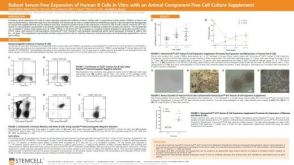 科学海报Robust Serum-Free Expansion of Human B Cells In Vitro with an Animal Component-Free Cell Culture Supplement
 沪公网安备31010102008431号