Cron RQ et al. (JAN 2006)
Journal of immunology (Baltimore,Md. : 1950) 176 2 811--8
Early growth response-1 is required for CD154 transcription.
CD154 (CD40 ligand) expression on CD4 T cells is normally tightly controlled,but abnormal or dysregulated expression of CD154 has been well documented in autoimmune diseases,such as systemic lupus erythematosus. Beyond regulation by NFAT proteins,little is known about the transcriptional activation of the CD154 promoter. We identified a species-conserved purine-rich sequence located adjacent to the CD154 transcriptional promoter proximal NFAT site,which binds early growth response (Egr) transcription factors. Gel shift assays and chromatin immunoprecipitation assays reveal that Egr-1,Egr-3,and NFAT1 present in primary human CD4 T cells are capable of binding this combinatorial site in vitro and in vivo,respectively. Multimerization of this NFAT/Egr sequence in the context of a reporter gene demonstrates this sequence is transcriptionally active upon T cell activation in primary human CD4 T cells. Overexpression of Egr-1,but not Egr-3,is capable of augmenting transcription of this reporter gene as well as that of an intact CD154 promoter. Conversely,overexpression of small interfering RNA specific for Egr-1 in primary human CD4 T cells inhibits CD154 expression. Similarly,upon activation,CD154 message is notably decreased in splenic CD4 T cells from Egr-1-deficient mice compared with wild-type controls. Our data demonstrate that Egr-1 is required for CD154 transcription in primary CD4 T cells. This has implications for selective targeting of Egr family members to control abnormal expression of CD154 in autoimmune diseases such as systemic lupus erythematosus.
View Publication
Rouhi A et al. (MAR 2006)
Journal of immunology (Baltimore,Md. : 1950) 176 5 2991--9
Evidence for epigenetic maintenance of Ly49a monoallelic gene expression.
Although structurally unrelated,the human killer cell Ig-like (KIR) genes and the rodent lectin-like Ly49 genes serve similar functional roles in NK cells. Moreover,both gene families display variegated,monoallelic expression patterns established at the transcriptional level. DNA methylation has been shown to play an important role in maintenance of expression patterns of KIR genes,which have CpG island promoters. The potential role of DNA methylation in expression of Ly49 genes,which have CpG-poor promoters,is unknown. In this study,we show that hypomethylation of the region encompassing the Pro-2 promoter of Ly49a and Ly49c in primary C57BL/6 NK cells correlates with expression of the gene. Using C57BL/6 x BALB/c F1 hybrid mice,we demonstrate that the expressed allele of Ly49a is hypomethylated while the nonexpressed allele is heavily methylated,indicating a role for epigenetics in maintaining monoallelic Ly49 gene expression. Furthermore,the Ly49a Pro-2 region is heavily methylated in fetal NK cells but variably methylated in nonlymphoid tissues. Finally,in apparent contrast to the KIR genes,we show that DNA methylation and the histone acetylation state of the Pro-2 region are strictly linked with Ly49a expression status.
View Publication
Aryl hydrocarbon receptor is required for optimal B-cell proliferation.
The aryl hydrocarbon receptor (AhR),a transcription factor known for mediating xenobiotic toxicity,is expressed in B cells,which are known targets for environmental pollutants. However,it is unclear what the physiological functions of AhR in B cells are. We show here that expression of Ahr in B cells is up-regulated upon B-cell receptor (BCR) engagement and IL-4 treatment. Addition of a natural ligand of AhR,FICZ,induces AhR translocation to the nucleus and transcription of the AhR target gene Cyp1a1,showing that the AhR pathway is functional in B cells. AhR-deficient (Ahr(-/-)) B cells proliferate less than AhR-sufficient (Ahr(+/+)) cells following in vitro BCR stimulation and in vivo adoptive transfer models confirmed that Ahr(-/-) B cells are outcompeted by Ahr(+/+) cells. Transcriptome comparison of AhR-deficient and AhR-sufficient B cells identified cyclin O (Ccno),a direct target of AhR,as a top candidate affected by AhR deficiency.
View Publication
R. Gupta et al. (may 2019)
Journal of immunology (Baltimore,Md. : 1950) 202 10 2924--2944
Mechanism for IL-15-Driven B Cell Chronic Lymphocytic Leukemia Cycling: Roles for AKT and STAT5 in Modulating Cyclin D2 and DNA Damage Response Proteins.
Clonal expansion of B cell chronic lymphocytic leukemia (B-CLL) occurs within lymphoid tissue pseudofollicles. IL-15,a stromal cell-associated cytokine found within spleens and lymph nodes of B-CLL patients,significantly boosts in vitro cycling of blood-derived B-CLL cells following CpG DNA priming. Both IL-15 and CpG DNA are elevated in microbe-draining lymphatic tissues,and unraveling the basis for IL-15-driven B-CLL growth could illuminate new therapeutic targets. Using CpG DNA-primed human B-CLL clones and approaches involving both immunofluorescent staining and pharmacologic inhibitors,we show that both PI3K/AKT and JAK/STAT5 pathways are activated and functionally important for IL-15→CD122/ɣc signaling in ODN-primed cells expressing activated pSTAT3. Furthermore,STAT5 activity must be sustained for continued cycling of CFSE-labeled B-CLL cells. Quantitative RT-PCR experiments with inhibitors of PI3K and STAT5 show that both contribute to IL-15-driven upregulation of mRNA for cyclin D2 and suppression of mRNA for DNA damage response mediators ATM,53BP1,and MDC1. Furthermore,protein levels of these DNA damage response molecules are reduced by IL-15,as indicated by Western blotting and immunofluorescent staining. Bioinformatics analysis of ENCODE chromatin immunoprecipitation sequencing data from cell lines provides insight into possible mechanisms for STAT5-mediated repression. Finally,pharmacologic inhibitors of JAKs and STAT5 significantly curtailed B-CLL cycling when added either early or late in a growth response. We discuss how the IL-15-induced changes in gene expression lead to rapid cycling and possibly enhanced mutagenesis. STAT5 inhibitors might be an effective modality for blocking B-CLL growth in patients.
View Publication


 EasySep™小鼠TIL(CD45)正选试剂盒




 科学海报Workflow Solutions for Human T Cell Isolation and Expansion
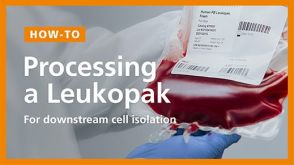
 实验方案How to Process a Leukopak for Downstream Cell Isolation
 技术公告B Cell Isolation for More Sensitive Array-Based CLL Assays
 产品手册Highway1™: Fast, Gentle, and Automated Cell Sorting for Every Lab


 沪公网安备31010102008431号