Roybal KT et al. (SEP 2016)
Cell 167 2 419--432.e16
Engineering T Cells with Customized Therapeutic Response Programs Using Synthetic Notch Receptors
Redirecting T cells to attack cancer using engineered chimeric receptors provides powerful new therapeutic capabilities. However,the effectiveness of therapeutic T cells is constrained by the endogenous T cell response: certain facets of natural response programs can be toxic,whereas other responses,such as the ability to overcome tumor immunosuppression,are absent. Thus,the efficacy and safety of therapeutic cells could be improved if we could custom sculpt immune cell responses. Synthetic Notch (synNotch) receptors induce transcriptional activation in response to recognition of user-specified antigens. We show that synNotch receptors can be used to sculpt custom response programs in primary T cells: they can drive a la carte cytokine secretion profiles,biased T cell differentiation,and local delivery of non-native therapeutic payloads,such as antibodies,in response to antigen. SynNotch T cells can thus be used as a general platform to recognize and remodel local microenvironments associated with diverse diseases.
View Publication
产品类型:
产品号#:
15022
15062
15023
15063
产品名:
RosetteSep™人CD4+ T细胞富集抗体混合物
RosetteSep™人CD4+ T细胞富集抗体混合物
RosetteSep™人CD8+ T细胞富集抗体混合物
RosetteSep™人CD8+ T细胞富集抗体混合物
Chan H-W et al. (JAN 2003)
The Journal of experimental medicine 197 2 245--55
DNA methylation maintains allele-specific KIR gene expression in human natural killer cells.
Killer immunoglobulin-like receptors (KIR) bind self-major histocompatibility complex class I molecules,allowing natural killer (NK) cells to recognize aberrant cells that have down-regulated class I. NK cells express variable numbers and combinations of highly homologous clonally restricted KIR genes,but uniformly express KIR2DL4. We show that NK clones express both 2DL4 alleles and either one or both alleles of the clonally restricted KIR 3DL1 and 3DL2 genes. Despite allele-independent expression,3DL1 alleles differed in the core promoter by only one or two nucleotides. Allele-specific 3DL1 gene expression correlated with promoter and 5' gene DNA hypomethylation in NK cells in vitro and in vivo. The DNA methylase inhibitor,5-aza-2'-deoxycytidine,induced KIR DNA hypomethylation and heterogeneous expression of multiple KIR genes. Thus,NK cells use DNA methylation to maintain clonally restricted expression of highly homologous KIR genes and alleles.
View Publication
产品类型:
产品号#:
15025
15065
产品名:
RosetteSep™人NK细胞富集抗体混合物
RosetteSep™人NK细胞富集抗体混合物
Guan H et al. (JUL 2007)
Journal of immunology (Baltimore,Md. : 1950) 179 1 590--6
NK cells enhance dendritic cell response against parasite antigens via NKG2D pathway.
Recent studies have shown that NK-dendritic cell (DC) interaction plays an important role in the induction of immune response against tumors and certain viruses. Although the effect of this interaction is bidirectional,the mechanism or molecules involved in this cross-talk have not been identified. In this study,we report that coculture with NK cells causes several fold increase in IL-12 production by Toxoplasma gondii lysate Ag-pulsed DC. This interaction also leads to stronger priming of Ag-specific CD8+ T cell response by these cells. In vitro blockade of NKG2D,a molecule present on human and murine NK cells,neutralizes the NK cell-induced up-regulation of DC response. Moreover,treatment of infected animals with Ab to NKG2D receptor compromises the development of Ag-specific CD8+ T cell immunity and reduces their ability to clear parasites. These studies emphasize the critical role played by NKG2D in the NK-DC interaction,which apparently is important for the generation of robust CD8+ T cell immunity against intracellular pathogens. To the best of our knowledge,this is the first work that describes in vivo importance of NKG2D during natural infection.
View Publication
NAP-2 Secreted by Human NK Cells Can Stimulate Mesenchymal Stem/Stromal Cell Recruitment.
Strategies for improved homing of mesenchymal stem cells (MSCs) to a place of injury are being sought and it has been shown that natural killer (NK) cells can stimulate MSC recruitment. Here,we studied the chemokines behind this recruitment. Assays were performed with bone marrow human MSCs and NK cells freshly isolated from healthy donor buffy coats. Supernatants from MSC-NK cell co-cultures can induce MSC recruitment but not to the same extent as when NK cells are present. Antibody arrays and ELISA assays confirmed that NK cells secrete RANTES (CCL5) and revealed that human NK cells secrete NAP-2 (CXCL7),a chemokine that can induce MSC migration. Inhibition with specific antagonists of CXCR2,a receptor that recognizes NAP-2,abolished NK cell-mediated MSC recruitment. This capacity of NK cells to produce chemokines that stimulate MSC recruitment points toward a role for this immune cell population in regulating tissue repair/regeneration.
View Publication
产品类型:
产品号#:
19055
19055RF
产品名:
EasySep™人NK细胞富集试剂盒
RoboSep™ 人NK细胞富集试剂盒含滤芯吸头
Poggi A et al. (MAR 2005)
Journal of immunology (Baltimore,Md. : 1950) 174 5 2653--60
Tumor-induced apoptosis of human IL-2-activated NK cells: role of natural cytotoxicity receptors.
We provide evidence that tumor cells can induce apoptosis of NK cells by engaging the natural cytotoxicity receptors (NCR) NKp30,NKp44,and NKp46. Indeed,the binding between NCR on NK cells and their putative ligands on tumor target cells led to NK cell apoptosis,and this event was abolished by blocking NCR/NCR-ligand interaction by anti-NCR-specific mAbs. The engagement of NCR induced up-regulation of Fas ligand (FasL) mRNA,FasL protein synthesis,and release. In turn,FasL interacting with Fas at NK cell surface causes NK cell suicide,as apoptosis of NK cells was inhibited by blocking FasL/Fas interaction with specific mAbs. Interestingly,NK cell apoptosis,but not killing of tumor target cells,is inhibited by cyclosporin A,suggesting that apoptosis and cytolysis are regulated by different biochemical pathways. These findings indicate that NCR are not only triggering molecules essential for antitumor activity,but also surface receptors involved in NK cell suicide.
View Publication
产品类型:
产品号#:
15025
15065
产品名:
RosetteSep™人NK细胞富集抗体混合物
RosetteSep™人NK细胞富集抗体混合物
Renn CN et al. (JUL 2006)
Journal of immunology (Baltimore,Md. : 1950) 177 1 298--305
TLR activation of Langerhans cell-like dendritic cells triggers an antiviral immune response.
Langerhans cells (LC) are a unique subset of dendritic cells (DC),present in the epidermis and serving as the first line of defense against pathogens invading the skin. To investigate the role of human LCs in innate immune responses,we examined TLR expression and function of LC-like DCs derived from CD34+ progenitor cells and compared them to DCs derived from peripheral blood monocytes (monocyte-derived DC; Mo-DC). LC-like DCs and Mo-DCs expressed TLR1-10 mRNAs at comparable levels. Although many of the TLR-induced cytokine patterns were similar between the two cell types,stimulation with the TLR3 agonist poly(I:C) triggered significantly higher amounts of the IFN-inducible chemokines CXCL9 (monokine induced by IFN-gamma) and CXCL11 (IFN-gamma-inducible T cell alpha chemoattractant) in LC-like DCs as compared with Mo-DCs. Supernatants from TLR3-activated LC-like DCs reduced intracellular replication of vesicular stomatitis virus in a type I IFN-dependent manner. Finally,CXCL9 colocalized with LCs in skin biopsy specimens from viral infections. Together,our data suggest that LCs exhibit a direct antiviral activity that is dependent on type I IFN as part of the innate immune system.
View Publication
产品类型:
产品号#:
15026
15066
产品名:
RosetteSep™人造血祖细胞富集抗体混合物
RosetteSep™人造血祖细胞富集抗体混合物
Wright JF et al. (MAY 2007)
The Journal of biological chemistry 282 18 13447--55
Identification of an interleukin 17F/17A heterodimer in activated human CD4+ T cells.
IL-17F and IL-17A are members of the IL-17 pro-inflammatory cytokine family. IL-17A has been implicated in the pathogenesis of autoimmune diseases. IL-17F is a disulfide-linked dimer that contains a cysteine-knot motif. We hypothesized that IL-17F and IL-17A could form a heterodimer due to their sequence homology and overlapping pattern of expression. We evaluated the structure of recombinant IL-17F and IL-17A proteins,as well as that of natural IL-17F and IL-17A derived from activated human CD4+ T cells,by enzyme-linked immunosorbent assay,immunoprecipitation followed by Western blotting,and mass spectrometry. We find that both IL-17F and IL-17A can form both homodimeric and heterodimeric proteins when expressed in a recombinant system,and that all forms of the recombinant proteins have in vitro functional activity. Furthermore,we find that in addition to the homodimers of IL-17F and IL-17A,activated human CD4+ T cells also produce the IL-17F/IL-17A heterodimer. These data suggest that the IL-17F/IL-17A heterodimer may contribute to the T cell-mediated immune responses.
View Publication
产品类型:
产品号#:
15022
15062
产品名:
RosetteSep™人CD4+ T细胞富集抗体混合物
RosetteSep™人CD4+ T细胞富集抗体混合物
Mian MF et al. (JUL 2010)
Molecular therapy : the journal of the American Society of Gene Therapy 18 7 1379--88
FimH can directly activate human and murine natural killer cells via TLR4.
Although the importance of natural killer (NK) cells in innate immune responses against tumors or viral infections are well documented,their ability to directly recognize pathogens is less well defined. We have recently reported FimH,a bacterial fimbrial protein,as a novel Toll-like receptor (TLR)4 ligand that potently induces antiviral responses. Here,we investigated whether FimH either directly or indirectly can activate human and murine NK cells. We demonstrate that FimH potently activates both human and murine NK cells in vitro to induce cytokines [interferon (IFN)-gamma and tumor necrosis factor (TNF)-alpha] and cytotoxicity. Importantly,NK cells directly recognize FimH-expressing pathogens as FimH(+),but not FimH(-),bacteria were able to activate human NK cells. FimH activation of NK cells required TLR4 and MyD88 signaling,as NK cells from both TLR4(-/-) and MyD88(-/-) mice as well as human NK-92 cells,which lack TLR4,were all unresponsive to FimH. In addition,TLR4 neutralization significantly abrogated the response of human NK cells to FimH. Activation of purified NK cells by FimH was independent of lipopolysaccharide (LPS) or other bacterial contaminations. These data demonstrate for the first time that highly purified NK cells directly recognize and respond to FimH via TLR4-MyD88 pathways to aid innate protection against cancer or microbial infections.
View Publication
产品类型:
产品号#:
19055
19055RF
产品名:
EasySep™人NK细胞富集试剂盒
RoboSep™ 人NK细胞富集试剂盒含滤芯吸头
Brusko TM et al. (JAN 2010)
PloS one 5 7 e11726
Human antigen-specific regulatory T cells generated by T cell receptor gene transfer.
BACKGROUND: Therapies directed at augmenting regulatory T cell (Treg) activities in vivo as a systemic treatment for autoimmune disorders and transplantation may be associated with significant off-target effects,including a generalized immunosuppression that may compromise beneficial immune responses to infections and cancer cells. Adoptive cellular therapies using purified expanded Tregs represents an attractive alternative to systemic treatments,with results from animal studies noting increased therapeutic potency of antigen-specific Tregs over polyclonal populations. However,current methodologies are limited in terms of the capacity to isolate and expand a sufficient quantity of endogenous antigen-specific Tregs for therapeutic intervention. Moreover,FOXP3+ Tregs fall largely within the CD4+ T cell subset and are thus routinely MHC class II-specific,whereas class I-specific Tregs may function optimally in vivo by facilitating direct tissue recognition. METHODOLOGY/PRINCIPAL FINDINGS: To overcome these limitations,we have developed a novel means for generating large numbers of antigen-specific Tregs involving lentiviral T cell receptor (TCR) gene transfer into in vitro expanded polyclonal natural Treg populations. Tregs redirected with a high-avidity class I-specific TCR were capable of recognizing the melanoma antigen tyrosinase in the context of HLA-A*0201 and could be further enriched during the expansion process by antigen-specific reactivation with peptide loaded artificial antigen presenting cells. These in vitro expanded Tregs continued to express FOXP3 and functional TCRs,and maintained the capacity to suppress conventional T cell responses directed against tyrosinase,as well as bystander T cell responses. Using this methodology in a model tumor system,murine Tregs designed to express the tyrosinase TCR effectively blocked antigen-specific effector T cell (Teff) activity as determined by tumor cell growth and luciferase reporter-based imaging. CONCLUSIONS/SIGNIFICANCE: These results support the feasibility of class I-restricted TCR transfer as a promising strategy to redirect the functional properties of Tregs and provide for a more efficacious adoptive cell therapy.
View Publication
产品类型:
产品号#:
15022
15062
15621
15661
产品名:
RosetteSep™人CD4+ T细胞富集抗体混合物
RosetteSep™人CD4+ T细胞富集抗体混合物
RosetteSep™人CD3去除抗体混合物
RosetteSep™人CD3去除抗体混合物
Huang S-H et al. (JAN 2018)
The Journal of clinical investigation
Latent HIV reservoirs exhibit inherent resistance to elimination by CD8+ T cells.
The presence of persistent,latent HIV reservoirs in CD4+ T cells obstructs current efforts to cure infection. The so-called kick-and-kill paradigm proposes to purge these reservoirs by combining latency-reversing agents with immune effectors such as cytotoxic T lymphocytes. Support for this approach is largely based on success in latency models,which do not fully reflect the makeup of latent reservoirs in individuals on long-term antiretroviral therapy (ART). Recent studies have shown that CD8+ T cells have the potential to recognize defective proviruses,which comprise the vast majority of all infected cells,and that the proviral landscape can be shaped over time due to in vivo clonal expansion of infected CD4+ T cells. Here,we have shown that treating CD4+ T cells from ART-treated individuals with combinations of potent latency-reversing agents and autologous CD8+ T cells consistently reduced cell-associated HIV DNA,but failed to deplete replication-competent virus. These CD8+ T cells recognized and potently eliminated CD4+ T cells that were newly infected with autologous reservoir virus,ruling out a role for both immune escape and CD8+ T cell dysfunction. Thus,our results suggest that cells harboring replication-competent HIV possess an inherent resistance to CD8+ T cells that may need to be addressed to cure infection.
View Publication


 EasySep™小鼠TIL(CD45)正选试剂盒




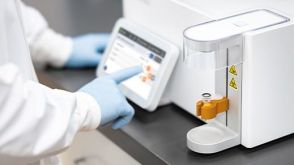 实验方案Gene Editing Human Pluripotent Stem Cells (hPSCs) Using the CellPore™ Transfection System
 27:57
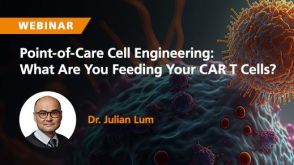
线上讲座Advances in Point-of-Care Cell Engineering—What Are You Feeding Your CAR T Cells?发布日期: 08/27/2024
27:57
线上讲座Advances in Point-of-Care Cell Engineering—What Are You Feeding Your CAR T Cells?发布日期: 08/27/2024
 沪公网安备31010102008431号