Ben-David U et al. (SEP 2014)
Nature communications 5 4825
Aneuploidy induces profound changes in gene expression, proliferation and tumorigenicity of human pluripotent stem cells.
Human pluripotent stem cells (hPSCs) tend to acquire genomic aberrations in culture,the most common of which is trisomy of chromosome 12. Here we dissect the cellular and molecular implications of this trisomy in hPSCs. Global gene expression analyses reveal that trisomy 12 profoundly affects the gene expression profile of hPSCs,inducing a transcriptional programme similar to that of germ cell tumours. Comparison of proliferation,differentiation and apoptosis between diploid and aneuploid hPSCs shows that trisomy 12 significantly increases the proliferation rate of hPSCs,mainly as a consequence of increased replication. Furthermore,trisomy 12 increases the tumorigenicity of hPSCs in vivo,inducing transcriptionally distinct teratomas from which pluripotent cells can be recovered. Last,a chemical screen of 89 anticancer drugs discovers that trisomy 12 raises the sensitivity of hPSCs to several replication inhibitors. Together,these findings demonstrate the extensive effect of trisomy 12 and highlight its perils for successful hPSC applications.
View Publication
产品类型:
产品号#:
05850
05857
05870
05875
07909
85850
85857
85870
85875
产品名:
IV型胶原酶(1mg /mL)
mTeSR™1
mTeSR™1
Arokium H et al. (OCT 2014)
PLoS ONE 9 10 e108682
Deep sequencing reveals low incidence of endogenous LINE-1 retrotransposition in human induced pluripotent stem cells
Long interspersed element-1 (LINE-1 or L1) retrotransposition induces insertional mutations that can result in diseases. It was recently shown that the copy number of L1 and other retroelements is stable in induced pluripotent stem cells (iPSCs). However,by using an engineered reporter construct over-expressing L1,another study suggests that reprogramming activates L1 mobility in iPSCs. Given the potential of human iPSCs in therapeutic applications,it is important to clarify whether these cells harbor somatic insertions resulting from endogenous L1 retrotransposition. Here,we verified L1 expression during and after reprogramming as well as potential somatic insertions driven by the most active human endogenous L1 subfamily (L1Hs). Our results indicate that L1 over-expression is initiated during the reprogramming process and is subsequently sustained in isolated clones. To detect potential somatic insertions in iPSCs caused by L1Hs retotransposition,we used a novel sequencing strategy. As opposed to conventional sequencing direction,we sequenced from the 3' end of L1Hs to the genomic DNA,thus enabling the direct detection of the polyA tail signature of retrotransposition for verification of true insertions. Deep coverage sequencing thus allowed us to detect seven potential somatic insertions with low read counts from two iPSC clones. Negative PCR amplification in parental cells,presence of a polyA tail and absence from seven L1 germline insertion databases highly suggested true somatic insertions in iPSCs. Furthermore,these insertions could not be detected in iPSCs by PCR,likely due to low abundance. We conclude that L1Hs retrotransposes at low levels in iPSCs and therefore warrants careful analyses for genotoxic effects.
View Publication
Gu Z et al. (FEB 2006)
Antimicrobial agents and chemotherapy 50 2 625--31
In vitro antiretroviral activity and in vitro toxicity profile of SPD754, a new deoxycytidine nucleoside reverse transcriptase inhibitor for treatment of human immunodeficiency virus infection.
SPD754 (AVX754) is a deoxycytidine analogue nucleotide reverse transcriptase inhibitor (NRTI) in clinical development. These studies characterized the in vitro activity of SPD754 against NRTI-resistant human immunodeficiency virus type 1 (HIV-1) and non-clade B HIV-1 isolates,its activity in combination with other antiretrovirals,and its potential myelotoxicity and mitochondrial toxicity. SPD754 was tested against 50 clinical HIV-1 isolates (5 wild-type isolates and 45 NRTI-resistant isolates) in MT-4 cells using the Antivirogram assay. SPD754 susceptibility was reduced 1.2- to 2.2-fold against isolates resistant to zidovudine (M41L,T215Y/F,plus a median of three additional nucleoside analogue mutations [NAMs]) and/or lamivudine (M184V) and was reduced 1.3- to 2.8-fold against isolates resistant to abacavir (L74V,Y115F,and M184V plus one other NAM) or stavudine (V75T/M,M41L,T215F/Y,and four other NAMs). Insertions at amino acid position 69 and Q151M mutations (with or without M184V) reduced SPD754 susceptibility 5.2-fold and 14- to 16-fold,respectively (these changes gave values comparable to or less than the corresponding values for zidovudine,lamivudine,abacavir,and didanosine). SPD754 showed similar activity against isolates of group M HIV-1 clades,including A/G,B,C,D,A(E),D/F,F,and H. SPD754 showed additive effects in combination with other NRTIs,tenofovir,nevirapine,or saquinavir. SPD754 had no significant effects on cell viability or mitochondrial DNA in HepG2 or MT-4 cells during 28-day exposure at concentrations up to 200 microM. SPD754 showed a low potential for myelotoxicity against human bone marrow. In vitro,SPD754 retained activity against most NRTI-resistant HIV-1 clinical isolates and showed a low propensity to cause myelotoxicity and mitochondrial toxicity.
View Publication
Carlo-Stella C et al. (JAN 2007)
Stem cells (Dayton,Ohio) 25 1 252--61
Placental growth factor-1 potentiates hematopoietic progenitor cell mobilization induced by granulocyte colony-stimulating factor in mice and nonhuman primates.
The complex hematopoietic effects of placental growth factor (PlGF) prompted us to test in mice and nonhuman primates the mobilization of peripheral blood progenitor cells (PBPCs) elicited by recombinant mouse PlGF-2 (rmPlGF-2) and recombinant human PlGF-1 (rhPlGF-1). PBPC mobilization was evaluated by assaying colony-forming cells (CFCs),high-proliferative potential-CFCs (HPP-CFCs),and long-term culture-initiating cells (LTC-ICs). In mice,both rmPlGF-2 and rhPlGF-1 used as single agents failed to mobilize PBPCs,whereas the combination of rhPlGF-1 and granulocyte colony-stimulating factor (rhG-CSF) increased CFCs and LTC-ICs per milliliter of blood by four- and eightfold,respectively,as compared with rhG-CSF alone. rhPlGF-1 plus rhG-CSF significantly increased matrix metalloproteinase-9 plasma levels over rhG-CSF alone,suggesting a mechanistic explanation for rhPlGF-1/rhG-CSF synergism. In rhesus monkeys,rhPlGF-1 alone had no mobilization effect,whereas rhPlGF-1 (260 microg/kg per day) plus rhG-CSF (100 microg/kg per day) increased rhG-CSF-elicited mobilization of CFCs,HPP-CFCs,and LTC-ICs per milliliter of blood by 5-,7-,and 15-fold,respectively. No specific toxicity was associated with the administration of rhPlGF-1 alone or in combination. In conclusion,our data demonstrate that rhPlGF-1 significantly increases rhG-CSF-elicited hematopoietic mobilization and provide a preclinical rationale for evaluating rhPlGF-1 in the clinical setting.
View Publication
Tareen SU et al. (MAR 2014)
Molecular therapy : the journal of the American Society of Gene Therapy 22 3 575--87
Design of a novel integration-deficient lentivector technology that incorporates genetic and posttranslational elements to target human dendritic cells.
As sentinels of the immune system,dendritic cells (DCs) play an essential role in regulating cellular immune responses. One of the main challenges of developing DC-targeted therapies includes the delivery of antigen to DCs in order to promote the activation of antigen-specific effector CD8 T cells. With the goal of creating antigen-directed immunotherapeutics that can be safely administered directly to patients,Immune Design has developed a platform of novel integration-deficient lentiviral vectors that target and deliver antigen-encoding nucleic acids to human DCs. This platform,termed ID-VP02,utilizes a novel genetic variant of a Sindbis virus envelope glycoprotein with posttranslational carbohydrate modifications in combination with Vpx,a SIVmac viral accessory protein,to achieve efficient targeting and transduction of human DCs. In addition,ID-VP02 incorporates safety features in its design that include two redundant mechanisms to render ID-VP02 integration-deficient. Here,we describe the characteristics that allow ID-VP02 to specifically transduce human DCs,and the advances that ID-VP02 brings to conventional third-generation lentiviral vector design as well as demonstrate upstream production yields that will enable manufacturing feasibility studies to be conducted.
View Publication
Young J et al. (SEP 2015)
Journal of Immunological Methods 424 91--99
A novel immunoassay to measure total serum lymphotoxin�?α levels in the presence of an anti-LTα therapeutic antibody
During drug development,measurement of suitable pharmacodynamic biomarkers is key to establishing in vivo drug activity. Binding of monoclonal antibody (mAb) therapeutics to soluble target proteins often results in elevated serum levels of their target antigen,and measuring total (free and bound) concentration of the target antigen can be an important means of demonstrating that the mAb has reached its specific target. However,accurately measuring soluble circulating antigen in preclinical or clinical samples in the presence of a therapeutic mAb presents a bioanalytical challenge. Particularly in the case of low molecular weight and/or multimeric targets,epitopes for capture and detection of the target by reagent antibodies can be obscured by bound therapeutic mAb. Lymphotoxin-alpha (LTα) is a cytokine in the TNF superfamily that has been implicated in the pathophysiology of autoimmune disease,and is a therapeutic target for neutralizing mAb. During preclinical safety studies in cynomolgus macaques,we encountered difficulties in measuring total LTα in serum of dosed animals. When serum LTα trimer was saturated with the anti-LTα mAb,binding of two reagent antibodies,as required for a classic sandwich ELISA,was not feasible,and dissociation methods were also found to be unsuitable. We therefore developed an approach in which excess anti-LTα mAb was added to the in vitro assay system to fully saturate all binding sites,and an anti-idiotypic antibody was used to detect bound therapeutic antibody. Using this method,total LTα could be accurately measured in cynomolgus macaque serum,and was observed to increase with increasing anti-LTα therapeutic mAb dose. Additional in vitro studies demonstrated that the method worked equally well in human serum. This assay strategy will be useful for quantifying total concentrations of other small and/or multimeric target proteins in the presence of a therapeutic antibody.
View Publication


 EasySep™小鼠TIL(CD45)正选试剂盒




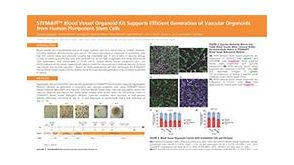 科学海报STEMdiff™ Blood Vessel Organoid Kit Supports Efficient Generation of Vascular Organoids from Human Pluripotent Stem Cells
 科学海报A Human Pluripotent Stem Cell-Derived Organoid Model for Recapitulation of Central Nervous System (CNS) Barrier and Fluid Secretion Functions of the Choroid Plexus
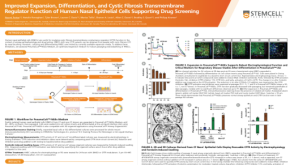 科学海报Improved Expansion, Differentiation, and Cystic Fibrosis Transmembrane Regulator Function of Human Nasal Epithelial Cells Supporting Drug Screening
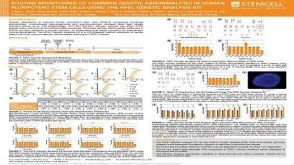 科学海报Routine Monitoring of Common Genetic Abnormalities in Human Pluripotent Stem Cells Using the hPSC Genetic Analysis Kit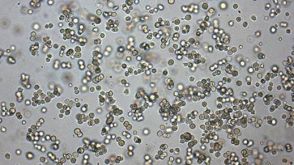
 科学海报Expansion of High-Quality Human Pluripotent Stem Cells (hPSCs) Using a Novel Animal Origin-Free and Stabilized hPSC Maintenance Medium
 沪公网安备31010102008431号