Development of human monoclonal antibodies against respiratory syncytial virus using a high efficiency human hybridoma technique.
Human monoclonal antibodies against RSV have high potential for use as prophylaxis or therapeutic molecules,and they also can be used to define the structure of protective epitopes for rational vaccine design. In the past,however,isolation of human monoclonal antibodies was difficult and inefficient. Here,we describe contemporary methods for activation and proliferation of primary human memory B cells followed by cytofusion to non-secreting myeloma cells by dielectrophoresis to generate human hybridomas secreting RSV-specific monoclonal antibodies. We also provide experimental methods for screening human B cell lines to obtain RSV-specific lines,especially lines secreting neutralizing antibodies.
View Publication
Perna F et al. (OCT 2017)
Cancer cell 32 4 506--519.e5
Integrating Proteomics and Transcriptomics for Systematic Combinatorial Chimeric Antigen Receptor Therapy of AML.
Chimeric antigen receptor (CAR) therapy targeting CD19 has yielded remarkable outcomes in patients with acute lymphoblastic leukemia. To identify potential CAR targets in acute myeloid leukemia (AML),we probed the AML surfaceome for overexpressed molecules with tolerable systemic expression. We integrated large transcriptomics and proteomics datasets from malignant and normal tissues,and developed an algorithm to identify potential targets expressed in leukemia stem cells,but not in normal CD34+CD38- hematopoietic cells,T cells,or vital tissues. As these investigations did not uncover candidate targets with a profile as favorable as CD19,we developed a generalizable combinatorial targeting strategy fulfilling stringent efficacy and safety criteria. Our findings indicate that several target pairings hold great promise for CAR therapy of AML.
View Publication
产品类型:
产品号#:
70002
70002.1
70002.2
70002.3
70002.4
70002.5
产品名:
Cavero I et al. (MAY 2016)
Journal of pharmacological and toxicological methods
Comprehensive in vitro Proarrhythmia Assay (CiPA): Pending issues for successful validation and implementation.
INTRODUCTION The Comprehensive in vitro Proarrhythmia Assay (CiPA) is a nonclinical Safety Pharmacology paradigm for discovering electrophysiological mechanisms that are likely to confer proarrhythmic liability to drug candidates intended for human use. TOPICS COVERED Key talks delivered at the 'CiPA on my mind' session,held during the 2015 Annual Meeting of the Safety Pharmacology Society (SPS),are summarized. Issues and potential solutions relating to crucial constituents [e.g.,biological materials (ion channels and pluripotent stem cell-derived cardiomyocytes),study platforms,drug solutions,and data analysis] of CiPA core assays are critically examined. DISCUSSION In order to advance the CiPA paradigm from the current testing and validation stages to a research and regulatory drug development strategy,systematic guidance by CiPA stakeholders is necessary to expedite solutions to pending and newly arising issues. Once a study protocol is proved to yield robust and reproducible results within and across laboratories,it can be implemented as qualified regulatory procedure.
View Publication
Antigen-antibody affinity for dry eye biomarkers by label free biosensing. Comparison with the ELISA technique
The specificity and affinity of antibody-antigen interactions is a fundamental way to achieve reliable biosensing responses. Different proteins involved with dry eye dysfunction: ANXA1,ANXA11,CST4,PRDX5,PLAA and S100A6; were validated as biomarkers. In this work several antibodies were tested for ANXA1,ANXA11 and PRDX5 to select the best candidates for each biomarker. The results were obtained by using Biophotonic Sensing Cells (BICELLs) as an efficient methodology for label-free biosensing and compared with the Enzyme-Linked Immuno Sorbent Assay (ELISA) technique.
View Publication


 EasySep™小鼠TIL(CD45)正选试剂盒




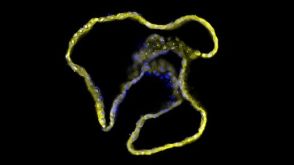 实验方案Drug Screening with Human Pancreatic Organoid Cultures
 技术公告The CFU Assay in Preclinical Toxicity Testing: An In Vitro Tool for Predicting In Vivo Cytopenia



 沪公网安备31010102008431号