Chen J and Chen Z-L (MAR 2010)
Chinese journal of cancer 29 3 265--9
Technology update for the sorting and identification of breast cancer stem cells.
Breast cancer stem cells are a group of undifferentiated cells with self-renewal and multidifferentiation potential. Chemotherapeutic and radiotherapeutic resistance,hypoxic resistance,high tumorigenicity,high cell invasion,and metastatic abilities are characteristics of these cells,which are responsible for breast cancer recurrence. Therefore,the correct sorting and identification of breast cancer stem cells is a primary step for research in this field. This article briefly describes the recent progress on sorting and identification technologies for breast cancer stem cells. Sorting technologies include the side population technique,technologies that depend on cell surface markers,ALDEFLUOR assays,and in situ detection. Identification technologies include mammosphere cultures,limited dilution in vitro,and in-vivo animal models. This review provides an important reference for breast cancer stem cell research,which will explore new methods for the treatment of patients with breast cancer.
View Publication
H. Cao et al. (JUN 2018)
Human gene therapy 29 6 643--652
Transducing Airway Basal Cells with a Helper-Dependent Adenoviral Vector for Lung Gene Therapy.
A major challenge in developing gene-based therapies for airway diseases such as cystic fibrosis (CF) is sustaining therapeutic levels of transgene expression over time. This is largely due to airway epithelial cell turnover and the host immunogenicity to gene delivery vectors. Modern gene editing tools and delivery vehicles hold great potential for overcoming this challenge. There is currently not much known about how to deliver genes into airway stem cells,of which basal cells are the major type in human airways. In this study,helper-dependent adenoviral (HD-Ad) vectors were delivered to mouse and pig airways via intranasal delivery,and direct bronchoscopic instillation,respectively. Vector transduction was assessed by immunostaining of lung tissue sections,which revealed that airway basal cells of mice and pigs can be targeted in vivo. In addition,efficient transduction of primary human airway basal cells was verified with an HD-Ad vector expressing green fluorescent protein. Furthermore,we successfully delivered the human CFTR gene to airway basal cells from CF patients,and demonstrated restoration of CFTR channel activity following cell differentiation in air-liquid interface culture. Our results provide a strong rationale for utilizing HD-Ad vectors to target airway basal cells for permanent gene correction of genetic airway diseases.
View Publication
Eden JA (JUL 2010)
Menopause (New York,N.Y.) 17 4 801--10
Human breast cancer stem cells and sex hormones--a narrative review.
OBJECTIVE: The aim of this narrative review was to evaluate the role of cancer stem cells (CSCs) and sex steroids in the pathophysiology of human breast cancer. METHODS: A key-word search was performed using the Scopus database. Preference was given to studies using human cells and tissues. RESULTS: Long-term estrogen-progestin hormone therapy is known to increase breast cancer risk,although the mechanisms are poorly understood. In the last few years,it has become clear that many human breast cancers contain CSCs,which may be responsible for much of the tumor's malignant behavior. Very recently,the impact of estrogen,progesterone,and progestins on breast CSCs and their progeny has been studied and clarified. Most breast CSCs are estrogen receptor negative and progesterone receptor negative,although some intermediary progenitor forms have hormone receptors,especially progesterone receptor. Most mature human breast cancer cellsare estrogen receptor positive and can thus be stimulated by estrogen. Breast CSCs usually elaborate CD44+,CD24j/low and/or ALDEFLUOR+ cell markers and are lineage markers negative. One of the main roles of progesterone and progestin seems to be on certain breast cancer stem intermediate forms,inducing them to revert back to a more primitive breast CSC form. CONCLUSIONS: As the pathophysiology of human breast CSC is clarified,it is probable that this will lead to novel,effective breast cancer treatments and,perhaps,new breast cancer preventive agents. This research may also lead to safer hormone therapy regimens.
View Publication
Gazdhar A et al. ( 2017)
Frontiers in immunology 8 April 447
Human Bronchial Epithelial Cells Induce CD141/CD123/DC-SIGN/FLT3Monocytes That Promote Allogeneic Th17 Differentiation.
Little is known about monocyte differentiation in the lung mucosal environment and about how the epithelium shapes monocyte function. We studied the role of the soluble component of bronchial epithelial cells (BECs) obtained under basal culture conditions in innate and adaptive monocyte responses. Monocytes cultured in bronchial epithelial cell-conditioned media (BEC-CM) specifically upregulate CD141,CD123,and DC-SIGN surface levels andFLT3expression,as well as the release of IL-1β,IL-6,and IL-10. BEC-conditioned monocytes stimulate naive T cells to produce IL-17 through IL-1β mechanism and also trigger IL-10 production by memory T cells. Furthermore,monocytes cultured in an inflammatory environment induced by the cytokines IL-6,IL-8,IL-1β,IL-15,TNF-α,and GM-CSF also upregulate CD123 and DC-SIGN expression. However,only inflammatory cytokines in the epithelial environment boost the expression of CD141. Interestingly,we identified a CD141/CD123/DC-SIGN triple positive population in the bronchoalveolar lavage fluid (BALF) from patients with different inflammatory conditions,demonstrating that this monocyte population existsin vivo. The frequency of this monocyte population was significantly increased in patients with sarcoidosis,suggesting a role in inflammatory mechanisms. Overall,these data highlight the specific role that the epithelium plays in shaping monocyte responses. Therefore,the unraveling of these mechanisms contributes to the understanding of the function that the epithelium may playin vivo.
View Publication


 EasySep™小鼠TIL(CD45)正选试剂盒




 产品手册ALDEFLUOR™: For Identification and Isolation of Viable Stem & Progenitor Cells
 实验方案How to Prepare Conditioned Medium for the Expansion of Epithelial Cells
 科学海报Efficient Generation of Lung Progenitor Cells From Human Pluripotent Stem Cells
 实验方案How to Dissociate and Plate Human Pluripotent Stem Cell-Derived Cardiomyocytes for Microelectrode Array (MEA) Assay
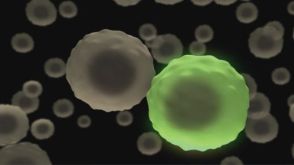 实验方案How to Identify ALDH-Expressing Cells in Human Breast Tissue
 科学海报High-Throughput-Compatible Differentiation of Human Pluripotent Stem Cell Lines to Kidney Organoids for Nephrotoxic Drug Screening
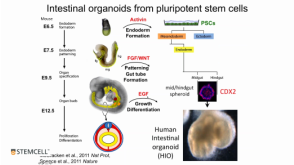 56:31
线上讲座Modeling Human Gastrointestinal Development and Disease Using Pluripotent Stem Cells发布日期: 03/06/2017
56:31
线上讲座Modeling Human Gastrointestinal Development and Disease Using Pluripotent Stem Cells发布日期: 03/06/2017

 沪公网安备31010102008431号