Liu S et al. (JAN 2011)
Cancer research 71 2 614--24
Breast cancer stem cells are regulated by mesenchymal stem cells through cytokine networks.
We have used in vitro and mouse xenograft models to examine the interaction between breast cancer stem cells (CSC) and bone marrow-derived mesenchymal stem cells (MSC). We show that both of these cell populations are organized in a cellular hierarchy in which primitive aldehyde dehydrogenase expressing mesenchymal cells regulate breast CSCs through cytokine loops involving IL6 and CXCL7. In NOD/SCID mice,labeled MSCs introduced into the tibia traffic to sites of growing breast tumor xenografts where they accelerated tumor growth by increasing the breast CSC population. With immunochemistry,we identified MSC-CSC niches in these tumor xenografts as well as in frozen sections from primary human breast cancers. Bone marrow-derived MSCs may accelerate human breast tumor growth by generating cytokine networks that regulate the CSC population.
View Publication
产品类型:
产品号#:
01700
01705
01702
产品名:
ALDEFLUOR™ 试剂盒
ALDEFLUOR™ DEAB试剂
ALDEFLUOR™测定缓冲液
Barkal LJ et al. ( 2017)
Nature Communications 8 1
Microbial volatile communication in human organotypic lung models
We inhale respiratory pathogens continuously,and the subsequent signaling events between host and microbe are complex,ultimately resulting in clearance of the microbe,stable colonization of the host,or active disease. Traditional in vitro methods are ill-equipped to study these critical events in the context of the lung microenvironment. Here we introduce a microscale organotypic model of the human bronchiole for studying pulmonary infection. By leveraging microscale techniques,the model is designed to approximate the structure of the human bronchiole,containing airway,vascular,and extracellular matrix compartments. To complement direct infection of the organotypic bronchiole,we present a clickable extension that facilitates volatile compound communication between microbial populations and the host model. Using Aspergillus fumigatus,a respiratory pathogen,we characterize the inflammatory response of the organotypic bronchiole to infection. Finally,we demonstrate multikingdom,volatile-mediated communication between the organotypic bronchiole and cultures of Aspergillus fumigatus and Pseudomonas aeruginosa.
View Publication
产品类型:
产品号#:
05001
05021
05022
产品名:
PneumaCult™-ALI 培养基
PneumaCult™-ALI 培养基含12 mm Transwell®插件
PneumaCult™-ALI 培养基含6.5 mm Transwell®插件
Liu S and Wicha MS (SEP 2010)
Journal of clinical oncology : official journal of the American Society of Clinical Oncology 28 25 4006--12
Targeting breast cancer stem cells.
There is increasing evidence that many cancers,including breast cancer,contain populations of cells that display stem-cell properties. These breast cancer stem cells,by virtue of their relative resistance to radiation and cytotoxic chemotherapy,may contribute to treatment resistance and relapse. The elucidation of pathways that regulate these cells has led to the identification of potential therapeutic targets. A number of agents capable of targeting breast cancer stem cells in preclinical models are currently entering clinical trials. Assessment of the efficacy of the agents will require development of innovative clinical trial designs with appropriate biologic and clinical end points. The effective targeting of breast cancer stem cells has the potential to significantly improve outcome for women with both early-stage and advanced breast cancer.
View Publication
产品类型:
产品号#:
01700
01705
01702
产品名:
ALDEFLUOR™ 试剂盒
ALDEFLUOR™ DEAB试剂
ALDEFLUOR™测定缓冲液
Deng X et al. ( 2016)
PLoS Pathogens 12 1 1--25
Replication of an autonomous human parvovirus in non-dividing human airway epithelium is facilitated through the DNA damage and repair pathways
Human bocavirus 1 (HBoV1) belongs to the genus Bocaparvovirus of the Parvoviridae family,and is an emerging human pathogenic respiratory virus. In vitro,HBoV1 infects well-differentiated/polarized primary human airway epithelium (HAE) cultured at an air-liquid interface (HAE-ALI). Although it is well known that autonomous parvovirus replication depends on the S phase of the host cells,we demonstrate here that the HBoV1 genome amplifies efficiently in mitotically quiescent airway epithelial cells of HAE-ALI cultures. Analysis of HBoV1 DNA in infected HAE-ALI revealed that HBoV1 amplifies its ssDNA genome following a typical parvovirus rolling-hairpin DNA replication mechanism. Notably,HBoV1 infection of HAE-ALI initiates a DNA damage response (DDR) with activation of all three phosphatidylinositol 3-kinase-related kinases (PI3KKs). We found that the activation of the three PI3KKs is required for HBoV1 genome amplification; and,more importantly,we identified that two Y-family DNA polymerases,Pol eta and Pol kappa,are involved in HBoV1 genome amplification. Overall,we have provided an example of de novo DNA synthesis (genome amplification) of an autonomous parvovirus in non-dividing cells,which is dependent on the cellular DNA damage and repair pathways.
View Publication
产品类型:
产品号#:
05001
05021
05022
产品名:
PneumaCult™-ALI 培养基
PneumaCult™-ALI 培养基含12 mm Transwell®插件
PneumaCult™-ALI 培养基含6.5 mm Transwell®插件
Lindvall C et al. (NOV 2006)
The Journal of biological chemistry 281 46 35081--7
The Wnt signaling receptor Lrp5 is required for mammary ductal stem cell activity and Wnt1-induced tumorigenesis.
Canonical Wnt signaling has emerged as a critical regulatory pathway for stem cells. The association between ectopic activation of Wnt signaling and many different types of human cancer suggests that Wnt ligands can initiate tumor formation through altered regulation of stem cell populations. Here we have shown that mice deficient for the Wnt co-receptor Lrp5 are resistant to Wnt1-induced mammary tumors,which have been shown to be derived from the mammary stem/progenitor cell population. These mice exhibit a profound delay in tumorigenesis that is associated with reduced Wnt1-induced accumulation of mammary progenitor cells. In addition to the tumor resistance phenotype,loss of Lrp5 delays normal mammary development. The ductal trees of 5-week-old Lrp5-/- females have fewer terminal end buds,which are structures critical for juvenile ductal extension presumed to be rich in stem/progenitor cells. Consequently,the mature ductal tree is hypomorphic and does not completely fill the fat pad. Furthermore,Lrp5-/- ductal cells from mature females exhibit little to no stem cell activity in limiting dilution transplants. Finally,we have shown that Lrp5-/- embryos exhibit substantially impaired canonical Wnt signaling in the primitive stem cell compartment of the mammary placodes. These findings suggest that Lrp5-mediated canonical signaling is required for mammary ductal stem cell activity and for tumor development in response to oncogenic Wnt effectors.
View Publication
产品类型:
产品号#:
05601
产品名:
EpiCult™-B 人培养基
Aladegbami B et al. (JUL 2017)
Scientific reports 7 1 5580
Epithelial cell specific Raptor is required for initiation of type 2 mucosal immunity in small intestine.
Intestinal tuft cells are one of 4 secretory cell linages in the small intestine and the source of IL-25,a critical initiator of the type 2 immune response to parasite infection. When Raptor,a critical scaffold protein for mammalian target of rapamycin complex 1 (mTORC1),was acutely deleted in intestinal epithelium via Tamoxifen injection in Tritrichomonas muris (Tm) infected mice,tuft cells,IL-25 in epithelium and IL-13 in the mesenchyme were significantly reduced,but Tm burden was not affected. When Tm infected mice were treated with rapamycin,DCLK1 and IL-25 expression in enterocytes and IL-13 expression in mesenchyme were diminished. After massive small bowel resection,tuft cells and Tm were diminished due to the diet used postoperatively. The elimination of Tm and subsequent re-infection of mice with Tm led to type 2 immune response only in WT,but Tm colonization in both WT and Raptor deficient mice. When intestinal organoids were stimulated with IL-4,tuft cells and IL-25 were induced in both WT and Raptor deficient organoids. In summary,our study reveals that enterocyte specific Raptor is required for initiating a type 2 immune response which appears to function through the regulation of mTORC1 activity.
View Publication
产品类型:
产品号#:
06005
产品名:
IntestiCult™ 肠道类器官生长培养基 (小鼠)
Pond AC et al. ( 2013)
Stem cells (Dayton,Ohio) 31 1 10.1002/stem.1266
Fibroblast Growth Factor Receptor Signaling Is Essential for Normal Mammary Gland Development and Stem Cell Function
Fibroblast growth factor (FGF) signaling plays an important role in embryonic stem cells and adult tissue homeostasis,but the function of FGFs in mammary gland stem cells is less well defined. Both FGFR1 and FGFR2 are expressed in basal and luminal mammary epithelial cells (MECs),suggesting that together they might play a role in mammary gland development and stem cell dynamics. Previous studies have demonstrated that the deletion of FGFR2 resulted only in transient developmental defects in branching morphogenesis. Using a conditional deletion strategy,we investigated the consequences of FGFR1 deletion alone and then the simultaneous deletion of both FGFR1 and FGFR2 in the mammary epithelium. FGFR1 deletion using a keratin 14 promoter-driven Cre-recombinase resulted in an early,yet transient delay in development. However,no reduction in functional outgrowth potential was observed following limiting dilution transplantation analysis. In contrast,a significant reduction in outgrowth potential was observed upon the deletion of both FGFR1 and FGFR2 in MECs using adenovirus-Cre. Additionally,using a fluorescent reporter mouse model to monitor Cre-mediated recombination,we observed a competitive disadvantage following transplantation of both FGFR1/R2-null MECs,most prominently in the basal epithelial cells. This correlated with the complete loss of the mammary stem cell repopulating population in the FGFR1/R2-attenuated epithelium. FGFR1/R2-null MECs were partially rescued in chimeric outgrowths containing wild-type MECs,suggesting the potential importance of paracrine mechanisms involved in the maintenance of the basal epithelial stem cells. These studies document the requirement for functional FGFR signaling in mammary stem cells during development.
View Publication
产品类型:
产品号#:
60037
60037AD
60037AD.1
60037AZ
60037BT
60037FI
60037PB
60037PB.1
60037PE
60037PE.1
60099
60099.1
60099AD
60099AD.1
60099AZ.1
60099BT
60099BT.1
60099PE
60099PE.1
60099PS
60099PS.1
产品名:
抗小鼠CD49f抗体, clone GoH3
抗小鼠CD49f抗体,clone GoH3,Alexa Fluor® 488
抗小鼠CD49f抗体,clone GoH3,Alexa Fluor® 488
抗小鼠CD49f抗体,clone GoH3,APC
抗小鼠CD49f抗体,clone GoH3,Biotin
抗小鼠CD49f抗体,clone GoH3,FITC
抗小鼠CD49f抗体,clone GoH3,Pacific Blue™
抗小鼠CD49f抗体,clone GoH3,Pacific Blue™
抗小鼠CD49f抗体,clone GoH3,PE
抗小鼠CD49f抗体,clone GoH3,PE
抗小鼠CD24抗体, clone M1/69
抗小鼠CD24抗体,clone M1/69
抗小鼠CD24抗体,clone M1/69,Alexa Fluor® 488
抗小鼠CD24抗体,clone M1/69,Alexa Fluor® 488
抗小鼠CD24抗体,clone M1/69,APC
抗小鼠CD24抗体,clone M1/69,Biotin
抗小鼠CD24抗体,clone M1/69,Biotin
抗小鼠CD24抗体,clone M1/69,PE
抗小鼠CD24抗体,clone M1/69,PE
抗小鼠CD24抗体,clone M1/69,PerCP-Cy5.5
抗小鼠CD24抗体,clone M1/69,PerCP-Cy5.5
Prince OA et al. (MAR 2018)
Cellular microbiology 20 3 e12810
Modelling persistent Mycoplasma pneumoniae infection of human airway epithelium.
Mycoplasma pneumoniae is a human respiratory tract pathogen causing acute and chronic airway disease states that can include long-term carriage and extrapulmonary spread. The mechanisms of persistence and migration beyond the conducting airways,however,remain poorly understood. We previously described an acute exposure model using normal human bronchial epithelium (NHBE) in air-liquid interface culture,showing that M. pneumoniae gliding motility is essential for initial colonisation and subsequent spread,including localisation to epithelial cell junctions. We extended those observations here,characterizing M. pneumoniae infection of NHBE for up to 4 weeks. Colonisation of the apical surface was followed by pericellular invasion of the basolateral compartment and migration across the underlying transwell membrane. Despite fluctuations in transepithelial electrical resistance and increased NHBE cell desquamation,barrier function remained largely intact. Desquamation was accompanied by epithelial remodelling that included cytoskeletal reorganisation and development of deep furrows in the epithelium. Finally,M. pneumoniae strains S1 and M129 differed with respect to invasion and histopathology,consistent with contrasting virulence in experimentally infected mice. In summary,this study reports pericellular invasion,NHBE cytoskeletal reorganisation,and tissue remodelling with persistent infection in a human airway epithelium model,providing clear insight into the likely route for extrapulmonary spread.
View Publication
De Giorgi U et al. (MAY 2011)
Cancer biology & therapy 11 9 812--5
Mesenchymal stem cells expressing GD2 and CD271 correlate with breast cancer-initiating cells in bone marrow.
Purpose: The bone marrow microenvironment is considered a critical component in the dissemination and fate of cancer cells in the metastatic process. We explored the possible correlation between bone marrow mesenchymal stem cells (BM-MSC) and disseminated breast cancer-initiating cells (BCIC) in primary breast cancer patients. Experimental design: Bone marrow mononuclear cells (BM-MNC) were collected at the time of primary surgery in 12 breast cancer patients. BM-MNC was immunophenotyped and BCIC was defined as epithelial cells (CD326+CD45-) with a stem-like" phenotype (CD44+CD24low/-�
View Publication


 EasySep™小鼠TIL(CD45)正选试剂盒




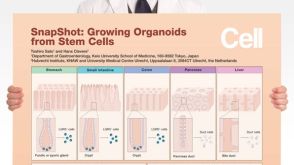 挂图SnapShot: Growing Organoids from Stem Cells Key culture conditions and organoid-forming cells from a variety of epithelial tissues
 沪公网安备31010102008431号