An inflammation loop orchestrated by S100A9 and Calprotectin is critical for development of arthritis
OBJECTIVE: The S100A9 and S100A8 proteins are highly expressed by neutrophils and monocytes and are part of a group of damage-associated molecular pattern molecules that trigger inflammatory responses. Sera and synovial fluids of patients with rheumatoid arthritis (RA) contain high concentrations of S100A8/A9 that correlate with disease activity.backslashnbackslashnMETHODS: In this study,we investigated the importance of S100A9 in RA by using neutralizing antibodies in a murine lipopolysaccharide-synchronized collagen-induced arthritis model. We also used an in vitro model of stimulation of human immune cells to decipher the role played by S100A9 in leukocyte migration and pro-inflammatory cytokine secretion.backslashnbackslashnRESULTS: Treatment with anti-S100A9 antibodies improved the clinical score by 50%,diminished immune cell infiltration,reduced inflammatory cytokines,both in serum and in the joints,and preserved bone/collagen integrity. Stimulation of neutrophils with S100A9 protein led to the enhancement of neutrophil transendothelial migration. S100A9 protein also induced the secretion by monocytes of proinflammatory cytokines like TNFα,IL-1β and IL-6,and of chemokines like MIP-1α and MCP-1.backslashnbackslashnCONCLUSION: The effects of anti-S100A9 treatment are likely direct consequences of inhibiting the S100A9-mediated promotion of neutrophil transmigration and secretion of pro-inflammatory cytokines from monocytes. Collectively,our results show that treatment with anti-S100A9 may inhibit amplification of the immune response and help preserve tissue integrity. Therefore,S100A9 is a promising potential therapeutic target for inflammatory diseases like rheumatoid arthritis for which alternative therapeutic strategies are needed.
View Publication
产品类型:
产品号#:
03800
03801
03802
03803
03804
03805
03806
15028
15068
产品名:
ClonaCell™-HY 杂交瘤试剂盒
ClonaCell™-HY Medium
ClonaCell™-HY Medium
ClonaCell™-HY Medium
ClonaCell™-HY Medium
ClonaCell™-HY Medium
ClonaCell™-HY PEG (融合)
RosetteSep™ 人单核细胞富集抗体混合物
RosetteSep™人单核细胞富集抗体混合物
Alisson-Silva F et al. (MAY 2014)
Glycobiology 24 5 458--468
Evidences for the involvement of cell surface glycans in stem cell pluripotency and differentiation
Induced pluripotent stem (iPS) cells are somatic cells that have been reprogrammed to a pluripotent state via the introduction of defined transcription factors. Although iPS is a potentially valuable resource for regenerative medicine and drug development,several issues regarding their pluripotency,differentiation propensity and potential for tumorigenesis remain to be elucidated. Analysis of cell surface glycans has arisen as an interesting tool for the characterization of iPS. An appropriate characterization of glycan surface molecules of human embryonic stem (hES) cells and iPS cells might generate crucial data to highlight their role in the acquisition and maintenance of pluripotency. In this study,we characterized the surface glycans of iPS generated from menstrual blood-derived mesenchymal cells (iPS-MBMC). We demonstrated that,upon spontaneous differentiation,iPS-MBMC present high amounts of terminal $\$-galactopyranoside residues,pointing to an important role of terminal-linked sialic acids in pluripotency maintenance. The removal of sialic acids by neuraminidase induces iPS-MBMC and hES cells differentiation,prompting an ectoderm commitment. Exposed $\$-galactopyranose residues might be recognized by carbohydrate-binding molecules found on the cell surface,which could modulate intercellular or intracellular interactions. Together,our results point for the first time to the involvement of the presence of terminal sialic acid in the maintenance of embryonic stem cell pluripotency and,therefore,the modulation of sialic acid biosynthesis emerges as a mechanism that may govern stem cell differentiation.
View Publication
Cavero I et al. (MAY 2016)
Journal of pharmacological and toxicological methods
Comprehensive in vitro Proarrhythmia Assay (CiPA): Pending issues for successful validation and implementation.
INTRODUCTION The Comprehensive in vitro Proarrhythmia Assay (CiPA) is a nonclinical Safety Pharmacology paradigm for discovering electrophysiological mechanisms that are likely to confer proarrhythmic liability to drug candidates intended for human use. TOPICS COVERED Key talks delivered at the 'CiPA on my mind' session,held during the 2015 Annual Meeting of the Safety Pharmacology Society (SPS),are summarized. Issues and potential solutions relating to crucial constituents [e.g.,biological materials (ion channels and pluripotent stem cell-derived cardiomyocytes),study platforms,drug solutions,and data analysis] of CiPA core assays are critically examined. DISCUSSION In order to advance the CiPA paradigm from the current testing and validation stages to a research and regulatory drug development strategy,systematic guidance by CiPA stakeholders is necessary to expedite solutions to pending and newly arising issues. Once a study protocol is proved to yield robust and reproducible results within and across laboratories,it can be implemented as qualified regulatory procedure.
View Publication
产品类型:
产品号#:
85850
85857
产品名:
mTeSR™1
mTeSR™1
Alvarado G and Crowe JE ( 2016)
1442 63--76
Development of human monoclonal antibodies against respiratory syncytial virus using a high efficiency human hybridoma technique.
Human monoclonal antibodies against RSV have high potential for use as prophylaxis or therapeutic molecules,and they also can be used to define the structure of protective epitopes for rational vaccine design. In the past,however,isolation of human monoclonal antibodies was difficult and inefficient. Here,we describe contemporary methods for activation and proliferation of primary human memory B cells followed by cytofusion to non-secreting myeloma cells by dielectrophoresis to generate human hybridomas secreting RSV-specific monoclonal antibodies. We also provide experimental methods for screening human B cell lines to obtain RSV-specific lines,especially lines secreting neutralizing antibodies.
View Publication
Li J et al. (MAR 2005)
Clinical Cancer Research 11 6 2195--2204
Generation of PRL-3- and PRL-1-specific monoclonal antibodies as potential diagnostic markers for cancer metastases
PURPOSE: The PRL-3 mRNA is consistently elevated in metastatic samples derived from colorectal cancers. We sought to generate a specific PRL-3 monoclonal antibody (mAb) that might serve as a potential diagnostic marker for colorectal cancer metastasis. EXPERIMENTAL DESIGN: PRL-3 is one of three members (PRL-1,PRL-2,and PRL-3) in a unique protein-tyrosine phosphatase family. Because the three PRLs are 76% to 87% identical in their amino acid sequences,it poses a great challenge to obtain mAbs that are specific for respective phosphatase of regenerating liver (PRL) but not for the other two in the family. We screened over 1,400 hybridoma clones to generate mAbs specific to each PRL member. RESULTS: We obtained two hybridoma clones specifically against PRL-3 and another two clones specifically against PRL-1. These antibodies had been evaluated by several critical tests to show their own specificities and applications. Most importantly,the PRL-3 mAbs were assessed on 282 human colorectal tissue samples (121 normal,17 adenomas,and 144 adenocarcinomas). PRL-3 protein was detected in 11% of adenocarcinoma samples. The PRL-3- and PRL-1-specific mAbs were further examined on 204 human multiple cancer tissues. The differential expressions of PRL-3 and PRL-1 confirmed the mAbs' specificity. CONCLUSIONS: Using several approaches,we show that PRL-3- or PRL-1-specific mAbs react only to their respective antigen. The expression of PRL-3 in textgreater10% of primary colorectal cancer samples indicates that PRL-3 may prime the metastatic process. These mAbs will be useful as markers in clinical diagnosis for assessing tumor aggressiveness.
View Publication
产品类型:
产品号#:
03800
03801
03802
03803
03804
03805
03806
产品名:
ClonaCell™-HY 杂交瘤试剂盒
ClonaCell™-HY Medium
ClonaCell™-HY Medium
ClonaCell™-HY Medium
ClonaCell™-HY Medium
ClonaCell™-HY Medium
ClonaCell™-HY PEG (融合)
Laguna M et al. (AUG 2015)
Sensors 15 8 19819--29
Antigen-antibody affinity for dry eye biomarkers by label free biosensing. Comparison with the ELISA technique
The specificity and affinity of antibody-antigen interactions is a fundamental way to achieve reliable biosensing responses. Different proteins involved with dry eye dysfunction: ANXA1,ANXA11,CST4,PRDX5,PLAA and S100A6; were validated as biomarkers. In this work several antibodies were tested for ANXA1,ANXA11 and PRDX5 to select the best candidates for each biomarker. The results were obtained by using Biophotonic Sensing Cells (BICELLs) as an efficient methodology for label-free biosensing and compared with the Enzyme-Linked Immuno Sorbent Assay (ELISA) technique.
View Publication


 EasySep™小鼠TIL(CD45)正选试剂盒




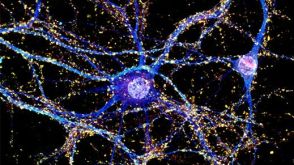 实验方案How to Culture Primary Rodent Neurons for MEA Analysis Using the Maestro MEA™ System
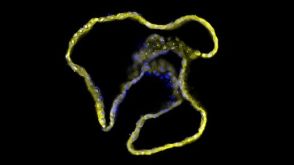 实验方案Drug Screening with Human Pancreatic Organoid Cultures


 沪公网安备31010102008431号