Gu Z et al. (FEB 2006)
Antimicrobial agents and chemotherapy 50 2 625--31
In vitro antiretroviral activity and in vitro toxicity profile of SPD754, a new deoxycytidine nucleoside reverse transcriptase inhibitor for treatment of human immunodeficiency virus infection.
SPD754 (AVX754) is a deoxycytidine analogue nucleotide reverse transcriptase inhibitor (NRTI) in clinical development. These studies characterized the in vitro activity of SPD754 against NRTI-resistant human immunodeficiency virus type 1 (HIV-1) and non-clade B HIV-1 isolates,its activity in combination with other antiretrovirals,and its potential myelotoxicity and mitochondrial toxicity. SPD754 was tested against 50 clinical HIV-1 isolates (5 wild-type isolates and 45 NRTI-resistant isolates) in MT-4 cells using the Antivirogram assay. SPD754 susceptibility was reduced 1.2- to 2.2-fold against isolates resistant to zidovudine (M41L,T215Y/F,plus a median of three additional nucleoside analogue mutations [NAMs]) and/or lamivudine (M184V) and was reduced 1.3- to 2.8-fold against isolates resistant to abacavir (L74V,Y115F,and M184V plus one other NAM) or stavudine (V75T/M,M41L,T215F/Y,and four other NAMs). Insertions at amino acid position 69 and Q151M mutations (with or without M184V) reduced SPD754 susceptibility 5.2-fold and 14- to 16-fold,respectively (these changes gave values comparable to or less than the corresponding values for zidovudine,lamivudine,abacavir,and didanosine). SPD754 showed similar activity against isolates of group M HIV-1 clades,including A/G,B,C,D,A(E),D/F,F,and H. SPD754 showed additive effects in combination with other NRTIs,tenofovir,nevirapine,or saquinavir. SPD754 had no significant effects on cell viability or mitochondrial DNA in HepG2 or MT-4 cells during 28-day exposure at concentrations up to 200 microM. SPD754 showed a low potential for myelotoxicity against human bone marrow. In vitro,SPD754 retained activity against most NRTI-resistant HIV-1 clinical isolates and showed a low propensity to cause myelotoxicity and mitochondrial toxicity.
View Publication
产品类型:
产品号#:
04434
04444
产品名:
MethoCult™H4434经典
MethoCult™H4434经典
Kern J et al. (OCT 2009)
Blood 114 18 3960--7
GRP-78 secreted by tumor cells blocks the antiangiogenic activity of bortezomib.
Antiangiogenic effects of the proteasome inhibitor bortezomib were analyzed on tumor xenografts in vivo. Bortezomib strongly inhibited angiogenesis and vascularization in the chicken chorioallantoic membrane. Bortezomib's inhibitory effects on chorioallantoic membrane vascularization were abrogated in the presence of distinct tumor xenografts,thanks to a soluble factor secreted by tumor cells. Through size-exclusion and ion-exchange chromatography as well as mass spectroscopy,we identified GRP-78,a chaperone protein of the unfolded protein response,as being responsible for bortezomib resistance. Indeed,a variety of bortezomib-resistant solid tumor cell lines (PC-3,HRT-18),but not myeloma cell lines (U266,OPM-2),were able to secrete high amounts of GRP-78. Recombinant GRP-78 conferred bortezomib resistance to endothelial cells and OPM-2 myeloma cells. Knockdown of GRP78 gene expression in tumor cells and immunodepletion of GRP-78 protein from tumor cell supernatants restored bortezomib sensitivity. GRP-78 did not bind or complex bortezomib but induced prosurvival signals by phosphorylation of extracellular signal-related kinase and inhibited p53-mediated expression of proapoptotic Bok and Noxa proteins in endothelial cells. From our data,we conclude that distinct solid tumor cells are able to secrete GRP-78 into the tumor microenvironment,thus demonstrating a hitherto unknown mechanism of resistance to bortezomib.
View Publication
Imatinib mesylate has shown remarkable efficacy in the treatment of patients in the chronic phase of chronic myeloid leukemia. However,despite an overall significant hematological and cytogenetic response,imatinib therapy may favor the emergence of drug-resistant clones,ultimately leading to relapse. Some imatinib resistance mechanisms had not been fully elucidated yet. In this study we used sensitive and resistant sublines from a Bcr-Abl positive cell line to investigate the putative involvement of telomerase in the promotion of imatinib resistance. We showed that sensitivity to imatinib can be partly restored in imatinib-resistant cells by targeting telomerase expression,either by the introduction of a dominant-negative form of the catalytic protein subunit of the telomerase (hTERT) or by the treatment with all-trans-retinoic acid,a clinically used drug. Furthermore,we showed that hTERT overexpression favors the development of imatinib resistance through both its antiapoptotic and telomere maintenance functions. Therefore,combining antitelomerase strategies to imatinib treatment at the beginning of the treatment should be promoted to reduce the risk of imatinib resistance development and increase the probability of eradicating the disease.
View Publication
产品类型:
产品号#:
04230
产品名:
MethoCult™H4230
Lee Y-KK et al. (JAN 2016)
International journal of cardiology 203 964--971
Efficient attenuation of Friedreich's ataxia (FRDA) cardiomyopathy by modulation of iron homeostasis-human induced pluripotent stem cell (hiPSC) as a drug screening platform for FRDA.
BACKGROUND Friedreich's ataxia (FRDA),a recessive neurodegenerative disorder commonly associated with hypertrophic cardiomyopathy,is caused by silencing of the frataxin (FXN) gene encoding the mitochondrial protein involved in iron-sulfur cluster biosynthesis. METHODS Application of our previously established FRDA human induced pluripotent stem cell (hiPSC) derived cardiomyocytes model as a platform to assess the efficacy of treatment with either the antioxidant coenzyme Q10 analog,idebenone (IDE) or the iron chelator,deferiprone (DFP),which are both under clinical trial. RESULTS DFP was able to more significantly suppress synthesis of reactive oxygen species (ROS) than IDE at the dosages of 25 $\$ and 10nM respectively which agreed with the reduced rate of intracellular accumulation of iron by DFP treatment from 25 to 50 $\$ With regard to cardiac electrical-contraction (EC) coupling function,decay velocity of calcium handling kinetics in FRDA-hiPSC-cardiomyocytes was significantly improved by DFP treatment but not by IDE. Further mechanistic studies revealed that DFP also modulated iron induced mitochondrial stress as reflected by mitochondria network disorganization and decline level of respiratory chain protein,succinate dehydrogenase (CxII) and cytochrome c oxidase (COXIV). In addition,iron-response protein (IRP-1) regulatory loop was overridden by DFP as reflected by resumed level of ferritin (FTH) back to basal level and the attenuated transferrin receptor (TSFR) mRNA level suppression thereby reducing further iron uptake. CONCLUSIONS DFP modulated iron homeostasis in FRDA-hiPSC-cardiomyocytes and effectively relieved stress-stimulation related to cardiomyopathy. The resuming of redox condition led to the significantly improved cardiac prime events,cardiac electrical-coupling during contraction.
View Publication
Song DH et al. (AUG 2000)
Journal of Biological Chemistry 275 31 23790--97
Endogenous protein kinase CK2 participates in Wnt signaling in mammary epithelial cells
Protein kinase CK2 (formerly casein kinase II) is a serine/threonine kinase overexpressed in many human tumors,transformed cell lines,and rapidly proliferating tissues. Recent data have shown that many cancers involve inappropriate reactivation of Wnt signaling through ectopic expression of Wnts themselves,as has been seen in a number of human breast cancers,or through mutation of intermediates in the Wnt pathway,such as adenomatous polyposis coli or beta-catenin,as described in colon and other cancers. Wnts are secreted factors that are important in embryonic development,but overexpression of certain Wnts,such as Wnt-1,leads to proliferation and transformation of cells. We report that upon stable transfection of Wnt-1 into the mouse mammary epithelial cell line C57MG,morphological changes and increased proliferation are accompanied by increased levels of CK2,as well as of beta-catenin. CK2 and beta-catenin co-precipitate with the Dvl proteins,which are Wnt signaling intermediates. A major phosphoprotein of the size of beta-catenin appears in in vitro kinase reactions performed on the Dvl immunoprecipitates. In vitro translated beta-catenin,Dvl-2,and Dvl-3 are phosphorylated by CK2. The selective CK2 inhibitor apigenin blocks proliferation of Wnt-1-transfected cells,abrogates phosphorylation of beta-catenin,and reduces beta-catenin and Dvl protein levels. These results demonstrate that endogenous CK2 is a positive regulator of Wnt signaling and growth of mammary epithelial cells.
View Publication


 EasySep™小鼠TIL(CD45)正选试剂盒




 科学海报Rapid, High-Efficiency Differentiation of Motor Neurons from Human Pluripotent Stem Cells
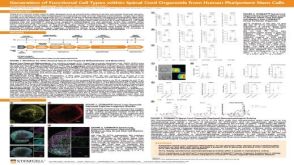 科学海报Generation of Functional 3D Spinal Cord Organoids from Human Pluripotent Stem Cells
 科学海报Generation of a Glia-Neuron Co-Culture System Derived From Human Pluripotent Stem Cells
 实验方案Gene Editing Human Pluripotent Stem Cells (hPSCs) Using the CellPore™ Transfection System

 沪公网安备31010102008431号