Kawatsu K et al. (APR 2008)
Journal of clinical microbiology 46 4 1226--31
Development and evaluation of immunochromatographic assay for simple and rapid detection of Campylobacter jejuni and Campylobacter coli in human stool specimens.
An immunochromatographic assay (Campy-ICA) using a newly generated single monoclonal antibody against a 15-kDa cell surface protein of Campylobacter jejuni was developed. When cell suspensions of 86 C. jejuni strains and 27 Campylobacter coli strains were treated with a commercially available bacterial protein extraction reagent and the resulting extracts were tested with the Campy-ICA,they all yielded positive results. The minimum detectable limits for the C. jejuni strains ranged from 1.8 x 10(4) to 8.2 x 10(5) CFU/ml of cell suspension,and those for the C. coli strains ranged from 1.4 x 10(5) to 4.6 x 10(6) CFU/ml of cell suspension. All 26 non-Campylobacter species tested yielded negative results with the Campy-ICA. To evaluate the ability of the Campy-ICA to detect C. jejuni and C. coli in human stool specimens,suspensions of 222 stool specimens from patients with acute gastroenteritis were treated with the bacterial protein extraction reagent,and the resulting extracts were tested with the Campy-ICA. The Campy-ICA results showed a sensitivity of 84.8% (28 of 33 specimens) and a specificity of 100% (189 of 189 specimens) compared to the results of isolation of C. jejuni and C. coli from the stool specimens by a bacterial culture test. The Campy-ICA was simple to perform and was able to detect Campylobacter antigen in a fecal extract within 15 min. These results suggest that Campy-ICA testing of fecal extracts may be useful as a simple and rapid adjunct to stool culture for detecting C. jejuni and C. coli in human stool specimens.
View Publication
Meng A et al. (DEC 2003)
Experimental hematology 31 12 1348--56
Ionizing radiation and busulfan inhibit murine bone marrow cell hematopoietic function via apoptosis-dependent and -independent mechanisms.
OBJECTIVE: Ionizing radiation (IR) and busulfan (BU) are commonly used as preconditioning regimens for bone marrow transplantation (BMT). We examined whether induction of apoptosis in murine bone marrow (BM) hematopoietic cells contributes to IR- and BU-induced suppression of their hematopoietic function. METHODS: The hematopoietic functions of hematopoietic stem cells (HSCs) and progenitors were analyzed by the cobblestone area-forming cell (CAFC) assay. Apoptosis was determined by measuring 3,3'-dihexyloxacarbocyanine iodide (DiCO6) uptake,annexin V staining,and/or sub-G(0/1) cells. Four cell types were studied: murine BM mononuclear cells (BM-MNCs),linage-negative hematopoietic cells (Lin-) cells),Lin- Scal+ c-kit+ cells,and Lin- Scal- c-kit+ cells by flow cytometry. RESULTS: Exposure of BM-MNCs to IR (4 Gy) or incubation of the cells with BU (30 microM) resulted in a significant reduction in CAFC frequency (ptextless0.001). The survival fractions of various day-types of CAFC for the irradiated cells were less than 10%,while that for BU-treated cells was 71.3% on day 7 and progressively declined to 5.3% on day 35. Interestingly,IR significantly induced apoptosis in BM-MNCs,Lin- cells,HSCs,and progenitors,whereas BU failed to increase apoptosis in these cells. In addition,preincubation of BM-MNCs with z-Val-Ala-Asp (OCH3)-fluoromethylketone,methyl ester (z-VAD) attenuated IR-induced reduction in CAFC but not that induced by BU. CONCLUSION: IR and BU differentially suppress the hematopoietic function of HSCs and progenitors by fundamentally different mechanisms. IR inhibits the function primarily by the induction of HSC and progenitor apoptosis. In contrast,BU suppresses HSC and progenitor function via an apoptosis-independent mechanism.
View Publication
产品类型:
产品号#:
03534
产品名:
MethoCult™GF M3534
Ben-David U et al. (SEP 2014)
Nature communications 5 4825
Aneuploidy induces profound changes in gene expression, proliferation and tumorigenicity of human pluripotent stem cells.
Human pluripotent stem cells (hPSCs) tend to acquire genomic aberrations in culture,the most common of which is trisomy of chromosome 12. Here we dissect the cellular and molecular implications of this trisomy in hPSCs. Global gene expression analyses reveal that trisomy 12 profoundly affects the gene expression profile of hPSCs,inducing a transcriptional programme similar to that of germ cell tumours. Comparison of proliferation,differentiation and apoptosis between diploid and aneuploid hPSCs shows that trisomy 12 significantly increases the proliferation rate of hPSCs,mainly as a consequence of increased replication. Furthermore,trisomy 12 increases the tumorigenicity of hPSCs in vivo,inducing transcriptionally distinct teratomas from which pluripotent cells can be recovered. Last,a chemical screen of 89 anticancer drugs discovers that trisomy 12 raises the sensitivity of hPSCs to several replication inhibitors. Together,these findings demonstrate the extensive effect of trisomy 12 and highlight its perils for successful hPSC applications.
View Publication
产品类型:
产品号#:
07909
85850
85857
产品名:
IV型胶原酶(1mg /mL)
mTeSR™1
mTeSR™1
Arokium H et al. (OCT 2014)
PLoS ONE 9 10 e108682
Deep sequencing reveals low incidence of endogenous LINE-1 retrotransposition in human induced pluripotent stem cells
Long interspersed element-1 (LINE-1 or L1) retrotransposition induces insertional mutations that can result in diseases. It was recently shown that the copy number of L1 and other retroelements is stable in induced pluripotent stem cells (iPSCs). However,by using an engineered reporter construct over-expressing L1,another study suggests that reprogramming activates L1 mobility in iPSCs. Given the potential of human iPSCs in therapeutic applications,it is important to clarify whether these cells harbor somatic insertions resulting from endogenous L1 retrotransposition. Here,we verified L1 expression during and after reprogramming as well as potential somatic insertions driven by the most active human endogenous L1 subfamily (L1Hs). Our results indicate that L1 over-expression is initiated during the reprogramming process and is subsequently sustained in isolated clones. To detect potential somatic insertions in iPSCs caused by L1Hs retotransposition,we used a novel sequencing strategy. As opposed to conventional sequencing direction,we sequenced from the 3' end of L1Hs to the genomic DNA,thus enabling the direct detection of the polyA tail signature of retrotransposition for verification of true insertions. Deep coverage sequencing thus allowed us to detect seven potential somatic insertions with low read counts from two iPSC clones. Negative PCR amplification in parental cells,presence of a polyA tail and absence from seven L1 germline insertion databases highly suggested true somatic insertions in iPSCs. Furthermore,these insertions could not be detected in iPSCs by PCR,likely due to low abundance. We conclude that L1Hs retrotransposes at low levels in iPSCs and therefore warrants careful analyses for genotoxic effects.
View Publication
产品类型:
产品号#:
85850
85857
产品名:
mTeSR™1
mTeSR™1
Smith Sa et al. (MAR 2012)
Journal of Virology 86 5 2665--75
Persistence of circulating memory B cell clones with potential for Dengue virus disease enhancement for decades following infection
Symptomatic dengue virus infection ranges in disease severity from an influenza-like illness to life-threatening shock. One model of the mechanism underlying severe disease proposes that weakly neutralizing,dengue serotype cross-reactive antibodies induced during a primary infection facilitate virus entry into Fc receptor-bearing cells during a subsequent secondary infection,increasing viral replication and the release of cytokines and vasoactive mediators,culminating in shock. This process has been termed antibody-dependent enhancement of infection and has significantly hindered vaccine development. Much of our understanding of this process has come from studies using mouse monoclonal antibodies (MAbs); however,antibody responses in mice typically exhibit less complexity than those in humans. A better understanding of the humoral immune response to natural dengue virus infection in humans is sorely needed. Using a high-efficiency human hybridoma technology,we isolated 37 hybridomas secreting human MAbs to dengue viruses from 12 subjects years or even decades following primary or secondary infection. The majority of the human antibodies recovered were broadly cross-reactive,directed against either envelope or premembrane proteins,and capable of enhancement of infection in vitro; few exhibited serotype-specific binding or potent neutralizing activity. Memory B cells encoding enhancing antibodies predominated in the circulation,even two or more decades following infection. Mapping the epitopes and activity of naturally occurring dengue antibodies should prove valuable in determining whether the enhancing and neutralizing activity of antibodies can be separated. Such principles could be used in the rational design of vaccines that enhance the induction of neutralizing antibodies,while lowering the risk of dengue shock syndrome.
View Publication


 EasySep™小鼠TIL(CD45)正选试剂盒




 42:14
线上讲座Scaling-Up hPSC-Derived Cardiomyocytes for Preclinical and Therapeutic Applications发布日期: 02/21/2025
42:14
线上讲座Scaling-Up hPSC-Derived Cardiomyocytes for Preclinical and Therapeutic Applications发布日期: 02/21/2025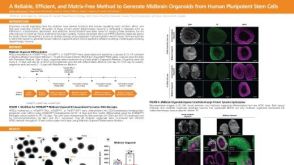 科学海报A Reliable, Efficient, and Matrix-Free Method to Generate Midbrain Organoids from Human Pluripotent Stem Cells
 科学海报Expansion and Differentiation Potential of Human Pluripotent Stem Cells Maintained in cGMP Animal Origin-Free Medium
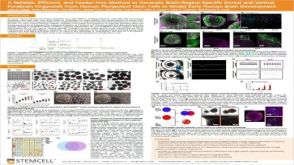 科学海报A Reliable, Efficient, and Feeder-Free Method to Generate Brain-Region-Specific Dorsal and Ventral Forebrain Organoids From Human Pluripotent Stem Cells to Model Early Human Brain Development


 沪公网安备31010102008431号