Qu X et al. (OCT 2013)
Biochemical and Biophysical Research Communications 439 4 552--558
Differentiation of reprogrammed human adipose mesenchymal stem cells toward neural cells with defined transcription factors
Somatic cell reprogramming may become a powerful approach to generate specific human cell types for cell-fate determination studies and potential transplantation therapies of neurological diseases. Here we report a reprogramming methodology with which human adipose stem cells (hADSCs) can be differentiated into neural cells. After being reprogrammed with polycistronic plasmid carrying defined factor OCT3/4,SOX2,KLF4 and c-MYC,and further treated with neural induce medium,the hADSCs switched to differentiate toward neural cell lineages. The generated cells had normal karyotypes and exogenous vector sequences were not inserted in the genomes. Therefore,this cell lineage conversion methodology bypasses the risk of mutation and gene instability,and provides a novel strategy to obtain patient-specific neural cells for basic research and therapeutic application.
View Publication
Rapid and Efficient Direct Conversion of Human Adult Somatic Cells into Neural Stem Cells by HMGA2/let-7b.
A recent study has suggested that fibroblasts can be converted into mouse-induced neural stem cells (miNSCs) through the expression of defined factors. However,successful generation of human iNSCs (hiNSCs) has proven challenging to achieve. Here,using microRNA (miRNA) expression profile analyses,we showed that let-7 microRNA has critical roles for the formation of PAX6/NESTIN-positive colonies from human adult fibroblasts and the proliferation and self-renewal of hiNSCs. HMGA2,a let-7-targeting gene,enables induction of hiNSCs that displayed morphological/molecular features and in vitro/in vivo differentiation potential similar to H9-derived NSCs. Interestingly,HMGA2 facilitated the efficient conversion of senescent somatic cells or blood CD34+ cells into hiNSCs through an interaction with SOX2,whereas other combinations or SOX2 alone showed a limited conversion ability. Taken together,these findings suggest that HMGA2/let-7 facilitates direct reprogramming toward hiNSCs in minimal conditions and maintains hiNSC self-renewal,providing a strategy for the clinical treatment of neurological diseases.
View Publication
Amenduni M et al. (DEC 2011)
European Journal of Human Genetics 19131 10 1246--1255
ARTICLE iPS cells to model CDKL5-related disorders
Rett syndrome (RTT) is a progressive neurologic disorder representing one of the most common causes of mental retardation in females. To date mutations in three genes have been associated with this condition. Classic RTT is caused by mutations in the MECP2 gene,whereas variants can be due to mutations in either MECP2 or FOXG1 or CDKL5. Mutations in CDKL5 have been identified both in females with the early onset seizure variant of RTT and in males with X-linked epileptic encephalopathy. CDKL5 is a kinase protein highly expressed in neurons,but its exact function inside the cell is unknown. To address this issue we established a human cellular model for CDKL5-related disease using the recently developed technology of induced pluripotent stem cells (iPSCs). iPSCs can be expanded indefinitely and differentiated in vitro into many different cell types,including neurons. These features make them the ideal tool to study disease mechanisms directly on the primarily affected neuronal cells. We derived iPSCs from fibroblasts of one female with p.Q347X and one male with p.T288I mutation,affected by early onset seizure variant and X-linked epileptic encephalopathy,respectively. We demonstrated that female CDKL5-mutated iPSCs maintain X-chromosome inactivation and clones express either the mutant CDKL5 allele or the wild-type allele that serve as an ideal experimental control. Array CGH indicates normal isogenic molecular karyotypes without detection of de novo CNVs in the CDKL5-mutated iPSCs. Furthermore,the iPS cells can be differentiated into neurons and are thus suitable to model disease pathogenesis in vitro.
View Publication
产品类型:
产品号#:
85850
85857
产品名:
mTeSR™1
mTeSR™1
Kandasamy M et al. (MAR 2017)
Cell and Tissue Research 368 3 531--549
Glycoconjugates reveal diversity of human neural stem cells (hNSCs) derived from human induced pluripotent stem cells (hiPSCs)
Neural stem cells (NSCs) have the ability to self-renew and to differentiate into various cell types of the central nervous system. This potential can be recapitulated by human induced pluripotent stem cells (hiPSCs) in vitro. The differentiation capacity of hiPSCs is characterized by several stages with distinct morphologies and the expression of various marker molecules. We used the monoclonal antibodies (mAbs) 487(LeX),5750(LeX) and 473HD to analyze the expression pattern of particular carbohydrate motifs as potential markers at six differentiation stages of hiPSCs. Mouse ESCs were used as a comparison. At the pluripotent stage,487(LeX)-,5750(LeX)- and 473HD-related glycans were differently expressed. Later,cells of the three germ layers in embryoid bodies (hEBs) and,even after neuralization of hEBs,subpopulations of cells were labeled with these surface antibodies. At the human rosette-stage of NSCs (hR-NSC),LeX- and 473HD-related epitopes showed antibody-specific expression patterns. We also found evidence that these surface antibodies could be used to distinguish the hR-NSCs from the hSR-NSCs stages. Characterization of hNSCs(FGF-2/EGF) derived from hSR-NSCs revealed that both LeX antibodies and the 473HD antibody labeled subpopulations of hNSCs(FGF-2/EGF). Finally,we identified potential LeX carrier molecules that were spatiotemporally regulated in early and late stages of differentiation. Our study provides new insights into the regulation of glycoconjugates during early human stem cell development. The mAbs 487(LeX),5750(LeX) and 473HD are promising tools for identifying distinct stages during neural differentiation.
View Publication
Booth L et al. (AUG 2015)
Journal of cellular physiology 230 8 1982--98
OSU-03012 and Viagra Treatment Inhibits the Activity of Multiple Chaperone Proteins and Disrupts the Blood-Brain Barrier: Implications for Anti-Cancer Therapies.
We examined the interaction between OSU-03012 (also called AR-12) with phosphodiesterase 5 (PDE5) inhibitors to determine the role of the chaperone glucose-regulated protein (GRP78)/BiP/HSPA5 in the cellular response. Sildenafil (Viagra) interacted in a greater than additive fashion with OSU-03012 to kill stem-like GBM cells. Treatment of cells with OSU-03012/sildenafil: abolished the expression of multiple oncogenic growth factor receptors and plasma membrane drug efflux pumps and caused a rapid degradation of GRP78 and other HSP70 and HSP90 family chaperone proteins. Decreased expression of plasma membrane receptors and drug efflux pumps was dependent upon enhanced PERK-eIF2α-ATF4-CHOP signaling and was blocked by GRP78 over-expression. In vivo OSU-03012/sildenafil was more efficacious than treatment with celecoxib and sildenafil at killing tumor cells without damaging normal tissues and in parallel reduced expression of ABCB1 and ABCG2 in the normal brain. The combination of OSU-03012/sildenafil synergized with low concentrations of sorafenib to kill tumor cells,and with lapatinib to kill ERBB1 over-expressing tumor cells. In multiplex assays on plasma and human tumor tissue from an OSU-03012/sildenafil treated mouse,we noted a profound reduction in uPA signaling and identified FGF and JAK1/2 as response biomarkers for potentially suppressing the killing response. Inhibition of FGFR signaling and to a lesser extent JAK1/2 signaling profoundly enhanced OSU-03012/sildenafil lethality.
View Publication
Lee SJ et al. (DEC 2014)
Stem Cells and Development 23 23 2831--2840
Adult Stem Cells from the Hyaluronic Acid-Rich Node and Duct System Differentiate into Neuronal Cells and Repair Brain Injury
The existence of a hyaluronic acid-rich node and duct system (HAR-NDS) within the lymphatic and blood vessels was demonstrated previously. The HAR-NDS was enriched with small (3.0-5.0 μm in diameter),adult stem cells with properties similar to those of the very small embryonic-like stem cells (VSELs). Sca-1(+)Lin(-)CD45(-) cells were enriched approximately 100-fold in the intravascular HAR-NDS compared with the bone marrow. We named these adult stem cells node and duct stem cells (NDSCs)." NDSCs formed colonies on C2C12 feeder layers were positive for fetal alkaline phosphatase and could be subcultured on the feeder layers. NDSCs were Oct4(+)Nanog(+)SSEA-1(+)Sox2(+) while VSELs were Oct4(+)Nanog(+)SSEA-1(+)Sox2(-). NDSCs had higher sphere-forming efficiency and proliferative potential than VSELs and they were found to differentiate into neuronal cells in vitro. Injection of NDSCs into mice partially repaired ischemic brain damage. Thus we report the discovery of potential adult stem cells that may be involved in tissue regeneration. The intravascular HAR-NDS may serve as a route that delivers these stem cells to their target tissues.
View Publication


 EasySep™小鼠TIL(CD45)正选试剂盒




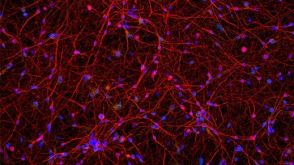 实验方案How to Culture Human Pluripotent Stem Cell (hPSC)-Derived Forebrain Neurons for MEA Analysis Using the Maestro MEA™ System
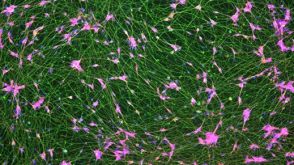 实验方案How to Culture Human Pluripotent Stem Cell (hPSC)-Derived Induced Forebrain Neurons for MEA Analysis Using the Maestro MEA™ System
 研究综述Neural Stem Cells: Identification, Function, Culture, and Isolation
 挂图Derivation and Applications of Human Pluripotent Stem Cells Overview of the derivation of human embryonic stem cells (hESCs) and induced pluripotent stem cells (iPSCs)
 科学海报Generation, Maintenance and Cryopreservation of Neural Progenitor Cells Derived from Human Pluripotent Stem Cells Using the STEMdiff™ Neural System

 沪公网安备31010102008431号