Mitne-Neto M et al. (SEP 2011)
Human Molecular Genetics 20 18 3642--52
Downregulation of VAPB expression in motor neurons derived from induced pluripotent stem cells of ALS8 patients.
Amyotrophic lateral sclerosis (ALS) is an incurable neuromuscular disease that leads to a profound loss of life quality and premature death. Around 10% of the cases are inherited and ALS8 is an autosomal dominant form of familial ALS caused by mutations in the vamp-associated protein B/C (VAPB) gene. The VAPB protein is involved in many cellular processes and it likely contributes to the pathogenesis of other forms of ALS besides ALS8. A number of successful drug tests in ALS animal models could not be translated to humans underscoring the need for novel approaches. The induced pluripotent stem cells (iPSC) technology brings new hope,since it can be used to model and investigate diseases in vitro. Here we present an additional tool to study ALS based on ALS8-iPSC. Fibroblasts from ALS8 patients and their non-carrier siblings were successfully reprogrammed to a pluripotent state and differentiated into motor neurons. We show for the first time that VAPB protein levels are reduced in ALS8-derived motor neurons but,in contrast to over-expression systems,cytoplasmic aggregates could not be identified. Our results suggest that optimal levels of VAPB may play a central role in the pathogenesis of ALS8,in agreement with the observed reduction of VAPB in sporadic ALS.
View Publication
产品类型:
产品号#:
85850
85857
产品名:
mTeSR™1
mTeSR™1
Noormohammadi A et al. (NOV 2016)
Nature Communications 7 13649
Somatic increase of CCT8 mimics proteostasis of human pluripotent stem cells and extends C. elegans lifespan
Human embryonic stem cells can replicate indefinitely while maintaining their undifferentiated state and,therefore,are immortal in culture. This capacity may demand avoidance of any imbalance in protein homeostasis (proteostasis) that would otherwise compromise stem cell identity. Here we show that human pluripotent stem cells exhibit enhanced assembly of the TRiC/CCT complex,a chaperonin that facilitates the folding of 10% of the proteome. We find that ectopic expression of a single subunit (CCT8) is sufficient to increase TRiC/CCT assembly. Moreover,increased TRiC/CCT complex is required to avoid aggregation of mutant Huntingtin protein. We further show that increased expression of CCT8 in somatic tissues extends Caenorhabditis elegans lifespan in a TRiC/CCT-dependent manner. Ectopic expression of CCT8 also ameliorates the age-associated demise of proteostasis and corrects proteostatic deficiencies in worm models of Huntington's disease. Our results suggest proteostasis is a common principle that links organismal longevity with hESC immortality.
View Publication
产品类型:
产品号#:
05835
05839
07920
07922
100-0485
100-1077
85850
85857
产品名:
STEMdiff™ 神经诱导培养基
STEMdiff™ 神经诱导培养基
ACCUTASE™
ACCUTASE™
温和细胞解离试剂
ReLeSR™
mTeSR™1
mTeSR™1
Bramble MS et al. (NOV 2016)
Scientific reports 6 36916
Sex-Specific Effects of Testosterone on the Sexually Dimorphic Transcriptome and Epigenome of Embryonic Neural Stem/Progenitor Cells.
The mechanisms by which sex differences in the mammalian brain arise are poorly understood,but are influenced by a combination of underlying genetic differences and gonadal hormone exposure. Using a mouse embryonic neural stem cell (eNSC) model to understand early events contributing to sexually dimorphic brain development,we identified novel interactions between chromosomal sex and hormonal exposure that are instrumental to early brain sex differences. RNA-sequencing identified 103 transcripts that were differentially expressed between XX and XY eNSCs at baseline (FDR%=%0.10). Treatment with testosterone-propionate (TP) reveals sex-specific gene expression changes,causing 2854 and 792 transcripts to become differentially expressed on XX and XY genetic backgrounds respectively. Within the TP responsive transcripts,there was enrichment for genes which function as epigenetic regulators that affect both histone modifications and DNA methylation patterning. We observed that TP caused a global decrease in 5-methylcytosine abundance in both sexes,a transmissible effect that was maintained in cellular progeny. Additionally,we determined that TP was associated with residue-specific alterations in acetylation of histone tails. These findings highlight an unknown component of androgen action on cells within the developmental CNS,and contribute to a novel mechanism of action by which early hormonal organization is initiated and maintained.
View Publication
产品类型:
产品号#:
05700
05701
05702
产品名:
NeuroCult™ 基础培养基(小鼠&大鼠)
NeuroCult™ 扩增添加物 (小鼠&大鼠)
NeuroCult™ 扩增试剂盒 (小鼠&大鼠)
Hotta R et al. (APR 2016)
Neurogastroenterology and motility : the official journal of the European Gastrointestinal Motility Society 28 4 498--512
Isogenic enteric neural progenitor cells can replace missing neurons and glia in mice with Hirschsprung disease.
BACKGROUND Transplanting autologous patient-derived enteric neuronal stem/progenitor cells (ENSCs) is an innovative approach to replacing missing enteric neurons in patients with Hirschsprung disease (HSCR). Using autologous cells eliminates immunologic and ethical concerns raised by other cell sources. However,whether postnatal aganglionic bowel is permissive for transplanted ENSCs and whether ENSCs from HSCR patients can be successfully isolated,cultured,and transplanted in vivo remains unknown. METHODS ENSCs isolated from the ganglionic intestine of Ednrb(-/-) mice (HSCR-ENSCs) were characterized immunohistochemically and evaluated for their capacity to proliferate and differentiate in vitro. Fluorescently labeled ENSCs were co-cultured ex vivo with aganglionic Ednrb(-/-) colon. For in vivo transplantation,HSCR-ENSCs were labeled with lentivirus expressing green fluorescent protein (GFP) and implanted into aganglionic embryonic chick gut in ovo and postnatal aganglionic Ednrb(-/-) rectum in vivo. KEY RESULTS HSCR-ENSCs maintain normal capacity self-renewal and neuronal differentiation. Moreover,the Ednrb(-/-) aganglionic environment is permissive to engraftment by wild-type ENSCs ex vivo and supports migratrion and neuroglial differentiation of these cells following transplantation in vivo. Lentiviral GFP-labeled HSCR-ENSCs populated embryonic chick hindgut and postnatal colon of Ednrb(-/-) HSCR,with cells populating the intermuscular layer and forming enteric neurons and glia. CONCLUSIONS & INFERENCES ENSCs can be isolated and cultured from mice with HSCR,and transplanted into the aganglionic bowel of HSCR littermates to generate enteric neuronal networks. These results in an isogenic model establish the potential of using autologous-derived stem cells to treat HSCR and other intestinal neuropathies.
View Publication
产品类型:
产品号#:
05700
产品名:
NeuroCult™ 基础培养基(小鼠&大鼠)
Crook JM et al. (MAR 2015)
Expert review of neurotherapeutics 15 3 295--304
The potential of induced pluripotent stem cells in models of neurological disorders: implications on future therapy.
There is an urgent need for new and advanced approaches to modeling the pathological mechanisms of complex human neurological disorders. This is underscored by the decline in pharmaceutical research and development efficiency resulting in a relative decrease in new drug launches in the last several decades. Induced pluripotent stem cells represent a new tool to overcome many of the shortcomings of conventional methods,enabling live human neural cell modeling of complex conditions relating to aberrant neurodevelopment,such as schizophrenia,epilepsy and autism as well as age-associated neurodegeneration. This review considers the current status of induced pluripotent stem cell-based modeling of neurological disorders,canvassing proven and putative advantages,current constraints,and future prospects of next-generation culture systems for biomedical research and translation.
View Publication
产品类型:
产品号#:
85850
85857
产品名:
mTeSR™1
mTeSR™1
Guadagno J et al. (MAR 2013)
Cell Death & Disease 4 3 e538--e538
Microglia-derived TNFα induces apoptosis in neural precursor cells via transcriptional activation of the Bcl-2 family member Puma
Neuroinflammation is a common feature of acute neurological conditions such as stroke and spinal cord injury,as well as neurodegenerative conditions such as Parkinson's disease,Alzheimer's disease,and amyotrophic lateral sclerosis. Previous studies have demonstrated that acute neuroinflammation can adversely affect the survival of neural precursor cells (NPCs) and thereby limit the capacity for regeneration and repair. However,the mechanisms by which neuroinflammatory processes induce NPC death remain unclear. Microglia are key mediators of neuroinflammation and when activated to induce a pro-inflammatory state produce a number of factors that could affect NPC survival. Importantly,in the present study we demonstrate that tumor necrosis factor α (TNFα) produced by lipopolysaccharide-activated microglia is necessary and sufficient to trigger apoptosis in mouse NPCs in vitro. Furthermore,we demonstrate that microglia-derived TNFα induces NPC apoptosis via a mitochondrial pathway regulated by the Bcl-2 family protein Bax. BH3-only proteins are known to play a key role in regulating Bax activation and we demonstrate that microglia-derived TNFα induces the expression of the BH3-only family member Puma in NPCs via an NF-κB-dependent mechanism. Specifically,we show that NF-κB is activated in NPCs treated with conditioned media from activated microglia and that Puma induction and NPC apoptosis is blocked by the NF-κB inhibitor BAY-117082. Importantly,we have determined that NPC apoptosis induced by activated microglia-derived TNFα is attenuated in Puma-deficient NPCs,indicating that Puma induction is required for NPC death. Consistent with this,we demonstrate that Puma-deficient NPCs exhibit an 13-fold increase in survival as compared with wild-type NPCs following transplantation into the inflammatory environment of the injured spinal cord in vivo. In summary,we have identified a key signaling pathway that regulates neuroinflammation induced apoptosis in NPCs in vitro and in vivo that could be targeted to promote regeneration and repair in diverse neurological conditions.
View Publication
产品类型:
产品号#:
05707
产品名:
NeuroCult™化学解离试剂盒(小鼠)
Walker TL et al. (APR 2007)
The Journal of neuroscience : the official journal of the Society for Neuroscience 27 14 3734--42
The doublecortin-expressing population in the developing and adult brain contains multipotential precursors in addition to neuronal-lineage cells.
Doublecortin (DCX) has recently been promulgated as a selective marker of cells committed to the neuronal lineage in both the developing and the adult brain. To explore the potential of DCX-positive (DCX+) cells more stringently,these cells were isolated by flow cytometry from the brains of transgenic mice expressing green fluorescent protein under the control of the DCX promoter in embryonic,early postnatal,and adult animals. It was found that virtually all of the cells (99.9%) expressing high levels of DCX (DCX(high)) in the embryonic brain coexpressed the neuronal marker betaIII-tubulin and that this population contained no stem-like cells as demonstrated by lack of neurosphere formation in vitro. However,the DCX+ population from the early postnatal brain and the adult subventricular zone and hippocampus,which expressed low levels of DCX (DCX(low)),was enriched for neurosphere-forming cells,with only a small subpopulation of these cells coexpressing the neuronal markers betaIII-tubulin or microtubule-associated protein 2. Similarly,the DCX(low) population from embryonic day 14 (E14) brain contained neurosphere-forming cells. Only the postnatal cerebellum and adult olfactory bulb contained some DCX(high) cells,which were shown to be similar to the E14 DCX(high) cells in that they had no stem cell activity. Electrophysiological studies confirmed the heterogeneous nature of DCX+ cells,with some cells displaying characteristics of immature or mature neurons,whereas others showed no neuronal characteristics whatsoever. These results indicate that DCX(high) cells,regardless of location,are restricted to the neuronal lineage or are bone fide neurons,whereas some DCX(low) cells retain their multipotentiality.
View Publication
产品类型:
产品号#:
05700
05701
05702
产品名:
NeuroCult™ 基础培养基(小鼠&大鼠)
NeuroCult™ 扩增添加物 (小鼠&大鼠)
NeuroCult™ 扩增试剂盒 (小鼠&大鼠)
Chua SJ et al. (FEB 2009)
Biochemical and biophysical research communications 379 2 217--21
Neural progenitors, neurons and oligodendrocytes from human umbilical cord blood cells in a serum-free, feeder-free cell culture.
We have previously demonstrated that lineage negative cells (Lin(neg)) from umbilical cord blood (UCB) develop into multipotent cells capable of differentiation into bone,muscle,endothelial and neural cells. The objective of this study was to determine the optimal conditions required for Lin(neg) UCB cells to differentiate into neuronal cells and oligodendrocytes. We demonstrate that early neural stage markers (nestin,neurofilament,A2B5 and Sox2) are expressed in Lin(neg) cells cultured in FGF4,SCF,Flt3-ligand reprogramming culture media followed by the early macroglial cell marker O4. Early stage oligodendrocyte markers CNPase,GalC,Olig2 and the late-stage marker MOSP are observed,as is the Schwann cell marker PMP22. In summary,Lin(neg) UCB cells,when appropriately cultured,are able to exhibit characteristics of neuronal and macroglial cells that can specifically differentiate into oligodendrocytes and Schwann cells and express proteins associated with myelin production after in vitro differentiation.
View Publication
产品类型:
产品号#:
09600
09650
产品名:
StemSpan™ SFEM
StemSpan™ SFEM
Ankam S et al. (JAN 2013)
Acta Biomaterialia 9 1 4535--45
Substrate topography and size determine the fate of human embryonic stem cells to neuronal or glial lineage
Efficient derivation of neural cells from human embryonic stem cells (hESCs) remains an unmet need for the treatment of neurological disorders. The limiting factors for current methods include being labor-intensive,time-consuming and expensive. In this study,we hypothesize that the substrate topography,with optimal geometry and dimension,can modulate the neural fate of hESCs and enhance the efficiency of differentiation. A multi-architectural chip (MARC) containing fields of topographies varying in geometry and dimension was developed to facilitate high-throughput analysis of topography-induced neural differentiation in vitro. The hESCs were subjected to direct differentiation"�
View Publication
产品类型:
产品号#:
07920
07922
85850
85857
产品名:
ACCUTASE™
ACCUTASE™
mTeSR™1
mTeSR™1
Haile Y et al. (MAR 2015)
PLoS ONE 10 3 e0119617
Reprogramming of HUVECs into induced pluripotent stem cells (HiPSCs), generation and characterization of HiPSC-derived neurons and astrocytes
Neurodegenerative diseases are characterized by chronic and progressive structural or functional loss of neurons. Limitations related to the animal models of these human diseases have impeded the development of effective drugs. This emphasizes the need to establish disease models using human-derived cells. The discovery of induced pluripotent stem cell (iPSC) technology has provided novel opportunities in disease modeling,drug development,screening,and the potential for patient-matched" cellular therapies in neurodegenerative diseases. In this study�
View Publication
产品类型:
产品号#:
05893
07920
07922
100-1044
36254
72302
72304
72307
72308
85850
85857
产品名:
AggreWell™ EB形成培养基
ACCUTASE™
ACCUTASE™
Y-27632(二盐酸盐)
DMEM/F-12 with 15 mM HEPES
Y-27632(二盐酸盐)
Y-27632(二盐酸盐)
Y-27632(二盐酸盐)
Y-27632(二盐酸盐)
mTeSR™1
mTeSR™1
Ogulur I et al. (MAY 2014)
International Immunopharmacology 20 1 101--109
Suppressive effect of compact bone-derived mesenchymal stem cells on chronic airway remodeling in murine model of asthma
New therapeutic strategies are needed in the treatment of asthma besides vaccines and pharmacotherapies. For the development of novel therapies,the use of mesenchymal stem cells (MSCs) is a promising approach in regenerative medicine. Delivery of compact bone (CB) derived MSCs to the injured lungs is an alternative treatment strategy for chronic asthma. In this study,we aimed to isolate highly enriched population of MSCs from mouse CB with regenerative capacity,and to investigate the impact of these cells in airway remodeling and inflammation in experimental ovalbumin-induced mouse model of chronic asthma. mCB-MSCs were isolated,characterized,labeled with GFP and then transferred into mice with chronic asthma developed by ovalbumin (OVA) provocation. Histopathological changes including basement membrane,epithelium,subepithelial smooth thickness and goblet cell hyperplasia,and MSCs migration to lung tissues were evaluated. These histopathological alterations were increased in ovalbumin-treated mice compared to PBS group (P<0.001). Intravenous administration of mCB-MSC significantly reduced these histopathological changes in both distal and proximal airways (P<0.001). We showed that GFP-labeled MSCs were located in the lungs of OVA group 2weeks after intravenous induction. mCB-MSCs also significantly promoted Treg response in ovalbumin-treated mice (OVA+MSC group) (P<0.037). Our studies revealed that mCB-MSCs migrated to lung tissue and suppressed histopathological changes in murine model of asthma. The results reported here provided evidence that mCB-MSCs may be an alternative strategy for the treatment of remodeling and inflammation associated with chronic asthma.
View Publication


 EasySep™小鼠TIL(CD45)正选试剂盒




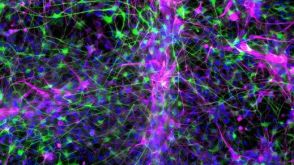 实验方案How to Co-Culture Astrocytes and NGN2 mRNA-Driven Induced Forebrain Neurons Derived from Human Pluripotent Stem Cells

 沪公网安备31010102008431号