Reprogramming of HUVECs into induced pluripotent stem cells (HiPSCs), generation and characterization of HiPSC-derived neurons and astrocytes
Neurodegenerative diseases are characterized by chronic and progressive structural or functional loss of neurons. Limitations related to the animal models of these human diseases have impeded the development of effective drugs. This emphasizes the need to establish disease models using human-derived cells. The discovery of induced pluripotent stem cell (iPSC) technology has provided novel opportunities in disease modeling,drug development,screening,and the potential for patient-matched" cellular therapies in neurodegenerative diseases. In this study�
View Publication
产品类型:
产品号#:
05893
07920
07922
100-1044
36254
72302
72304
72307
72308
85850
85857
产品名:
AggreWell™ EB形成培养基
ACCUTASE™
ACCUTASE™
Y-27632(二盐酸盐)
DMEM/F-12 with 15 mM HEPES
Y-27632(二盐酸盐)
Y-27632(二盐酸盐)
Y-27632(二盐酸盐)
Y-27632(二盐酸盐)
mTeSR™1
mTeSR™1
Ogulur I et al. (MAY 2014)
International Immunopharmacology 20 1 101--109
Suppressive effect of compact bone-derived mesenchymal stem cells on chronic airway remodeling in murine model of asthma
New therapeutic strategies are needed in the treatment of asthma besides vaccines and pharmacotherapies. For the development of novel therapies,the use of mesenchymal stem cells (MSCs) is a promising approach in regenerative medicine. Delivery of compact bone (CB) derived MSCs to the injured lungs is an alternative treatment strategy for chronic asthma. In this study,we aimed to isolate highly enriched population of MSCs from mouse CB with regenerative capacity,and to investigate the impact of these cells in airway remodeling and inflammation in experimental ovalbumin-induced mouse model of chronic asthma. mCB-MSCs were isolated,characterized,labeled with GFP and then transferred into mice with chronic asthma developed by ovalbumin (OVA) provocation. Histopathological changes including basement membrane,epithelium,subepithelial smooth thickness and goblet cell hyperplasia,and MSCs migration to lung tissues were evaluated. These histopathological alterations were increased in ovalbumin-treated mice compared to PBS group (P<0.001). Intravenous administration of mCB-MSC significantly reduced these histopathological changes in both distal and proximal airways (P<0.001). We showed that GFP-labeled MSCs were located in the lungs of OVA group 2weeks after intravenous induction. mCB-MSCs also significantly promoted Treg response in ovalbumin-treated mice (OVA+MSC group) (P<0.037). Our studies revealed that mCB-MSCs migrated to lung tissue and suppressed histopathological changes in murine model of asthma. The results reported here provided evidence that mCB-MSCs may be an alternative strategy for the treatment of remodeling and inflammation associated with chronic asthma.
View Publication
Lu J et al. (OCT 2012)
Integrative biology : quantitative biosciences from nano to macro 4 10 1223--36
Advancing practical usage of microtechnology: a study of the functional consequences of dielectrophoresis on neural stem cells.
The integration of microscale engineering,microfluidics,and AC electrokinetics such as dielectrophoresis has generated novel microsystems that enable quantitative analysis of cellular phenotype,function,and physiology. These systems are increasingly being used to assess diverse cell types,such as stem cells,so it becomes critical to thoroughly evaluate whether the systems themselves impact cell function. For example,engineered microsystems have been utilized to investigate neural stem/progenitor cells (NSPCs),which are of interest due to their potential to treat CNS disease and injury. Analysis by dielectrophoresis (DEP) microsystems determined that unlabeled NSPCs with distinct fate potential have previously unrecognized distinguishing electrophysiological characteristics,suggesting that NSPCs could be isolated by DEP microsystems without the use of cell type specific labels. To gauge the potential impact of DEP sorting on NSPCs,we investigated whether electric field exposure of varying times affected survival,proliferation,or fate potential of NSPCs in suspension. We found short-term DEP exposure (1 min or less) had no effect on NSPC survival,proliferation,or fate potential revealed by differentiation. Moreover,NSPC proliferation (measured by DNA synthesis and cell cycle kinetics) and fate potential were not altered by any length of DEP exposure (up to 30 min). However,lengthy exposure (textgreater5 min) to frequencies near the crossover frequency (50-100 kHz) led to decreased survival of NSPCs (maximum ∼30% cell loss after 30 min). Based on experimental observations and mathematical simulations of cells in suspension,we find that frequencies near the crossover frequency generate an induced transmembrane potential that results in cell swelling and rupture. This is in contrast to the case for adherent cells since negative DEP frequencies lower than the crossover frequency generate the highest induced transmembrane potential and damage for these cells. We clarify contrasting effects of DEP on adherent and suspended cells,which are related to the cell position within the electric field and the strength of the electric field at specific distances from the electrodes. Modeling of electrode configurations predicts optimal designs to induce cell movement by DEP while limiting the induced transmembrane potential. We find DEP electric fields are not harmful to stem cells in suspension at short exposure times,thus providing a basis for developing DEP-based applications for stem cells.
View Publication
产品类型:
产品号#:
05707
产品名:
NeuroCult™化学解离试剂盒(小鼠)
Santos T et al. (DEC 2012)
ACS nano 6 12 10463--74
Polymeric nanoparticles to control the differentiation of neural stem cells in the subventricular zone of the brain.
Herein,we report the use of retinoic acid-loaded polymeric nanoparticles as a potent tool to induce the neuronal differentiation of subventricular zone neural stem cells. The intracellular delivery of retinoic acid by the nanoparticles activated nuclear retinoic acid receptors,decreased stemness,and increased proneurogenic gene expression. Importantly,this work reports for the first time a nanoparticle formulation able to modulate in vivo the subventricular zone neurogenic niche. The work further compares the dynamics of initial stages of differentiation between SVZ cells treated with retinoic acid-loaded polymeric nanoparticles and solubilized retinoic acid. The nanoparticle formulation developed here may ultimately offer new perspectives to treat neurodegenerative diseases.
View Publication
产品类型:
产品号#:
05707
产品名:
NeuroCult™化学解离试剂盒(小鼠)
Louis SA et al. (JAN 2013)
Methods in molecular biology (Clifton,N.J.) 946 479--506
Methods to culture, differentiate, and characterize neural stem cells from the adult and embryonic mouse central nervous system.
Since the discovery of neural stem cells (NSC) in the embryonic and adult mammalian central nervous system (CNS),there have been a growing numbers of tissue culture media and protocols to study and functionally characterize NSCs and its progeny in vitro. One of these culture systems introduced in 1992 is referred to as the Neurosphere Assay,and it has been widely used to isolate,expand,differentiate and even quantify NSC populations. Several years later because its application as a quantitative in vitro assay for measuring NSC frequency was limited,a new single-step semisolid based assay,the Neural Colony Forming Cell (NCFC) assay was developed to accurately measure NSC numbers. The NCFC assay allows the discrimination between NSCs and progenitors by the size of colonies they produce (i.e.,their proliferative potential). The evolution and continued improvements made to these tissue culture tools will facilitate further advances in the promising application of NSCs for therapeutic use.
View Publication
产品类型:
产品号#:
05700
05701
05715
产品名:
NeuroCult™ 基础培养基(小鼠&大鼠)
NeuroCult™ 扩增添加物 (小鼠&大鼠)
NeuroCult™成年中枢神经系统(CNS)组织酶解试剂盒(小鼠和大鼠)
Madison JM et al. (JUN 2015)
Molecular Psychiatry 20 November 2013 703--17
Characterization of bipolar disorder patient-specific induced pluripotent stem cells from a family reveals neurodevelopmental and mRNA expression abnormalities.
Bipolar disorder (BD) is a common neuropsychiatric disorder characterized by chronic recurrent episodes of depression and mania. Despite evidence for high heritability of BD,little is known about its underlying pathophysiology. To develop new tools for investigating the molecular and cellular basis of BD,we applied a family-based paradigm to derive and characterize a set of 12 induced pluripotent stem cell (iPSC) lines from a quartet consisting of two BD-affected brothers and their two unaffected parents. Initially,no significant phenotypic differences were observed between iPSCs derived from the different family members. However,upon directed neural differentiation,we observed that CXCR4 (CXC chemokine receptor-4) expressing central nervous system (CNS) neural progenitor cells (NPCs) from both BD patients compared with their unaffected parents exhibited multiple phenotypic differences at the level of neurogenesis and expression of genes critical for neuroplasticity,including WNT pathway components and ion channel subunits. Treatment of the CXCR4(+) NPCs with a pharmacological inhibitor of glycogen synthase kinase 3,a known regulator of WNT signaling,was found to rescue a progenitor proliferation deficit in the BD patient NPCs. Taken together,these studies provide new cellular tools for dissecting the pathophysiology of BD and evidence for dysregulation of key pathways involved in neurodevelopment and neuroplasticity. Future generation of additional iPSCs following a family-based paradigm for modeling complex neuropsychiatric disorders in conjunction with in-depth phenotyping holds promise for providing insights into the pathophysiological substrates of BD and is likely to inform the development of targeted therapeutics for its treatment and ideally prevention.
View Publication
产品类型:
产品号#:
85850
85857
产品名:
mTeSR™1
mTeSR™1
Beamish CA et al. (APR 2016)
Islets 8 3 65--82
Insulin-positive, Glut2-low cells present within mouse pancreas exhibit lineage plasticity and are enriched within extra-islet endocrine cell clusters.
Regeneration of insulin-producing β-cells from resident pancreas progenitors requires an understanding of both progenitor identity and lineage plasticity. One model suggested that a rare β-cell sub-population within islets demonstrated multi-lineage plasticity. We hypothesized that β-cells from young mice (postnatal day 7,P7) exhibit such plasticity and used a model of islet dedifferentiation toward a ductal epithelial-cell phenotype to test this theory. RIPCre;Z/AP(+/+) mice were used to lineage trace the fate of β-cells during dedifferentiation culture by a human placental alkaline phosphatase (HPAP) reporter. There was a significant loss of HPAP-expressing β-cells in culture,but remaining HPAP(+) cells lost insulin expression while gaining expression of the epithelial duct cell marker cytokeratin-19 (Ck19). Flow cytometry and recovery of β-cell subpopulations from whole pancreas vs. islets suggest that the HPAP(+)Ck19(+) cells had derived from insulin-positive,glucose-transporter-2-low (Ins(+)Glut2(LO)) cells,representing 3.5% of all insulin-expressing cells. The majority of these cells were found outside of islets within clusters of <5 β-cells. These insulin(+)Glut2(LO) cells demonstrated a greater proliferation rate in vivo and in vitro as compared to insulin(+)Glut2(+) cells at P7,were retained into adulthood,and a subset differentiated into endocrine,ductal,and neural lineages,illustrating substantial plasticity. Results were confirmed using RIPCre;ROSA- eYFP mice. Quantitative PCR data indicated these cells possess an immature β-cell phenotype. These Ins(+)Glut2(LO) cells may represent a resident population of cells capable of forming new,functional β-cells,and which may be potentially exploited for regenerative therapies in the future.
View Publication
产品类型:
产品号#:
05700
05701
05702
产品名:
NeuroCult™ 基础培养基(小鼠&大鼠)
NeuroCult™ 扩增添加物 (小鼠&大鼠)
NeuroCult™ 扩增试剂盒 (小鼠&大鼠)
Hackett C et al. ( 2014)
American journal of translational research 6 2 119--28
Transplantation of Fas-deficient or wild-type neural stem/progenitor cells (NPCs) is equally efficient in treating experimental autoimmune encephalomyelitis (EAE).
Studies have shown that neural stem/progenitor cell (NPC) transplantation is beneficial in experimental autoimmune encephalomyelitis (EAE),an established animal model of multiple sclerosis (MS). It is unclear whether NPCs have the ability to integrate into the host CNS to replace lost cells or if their main mechanism of action is via bystander immunomodulation. Understanding the mechanisms by which NPCs exert their beneficial effects as well as exploring methods to increase post-transplantation survival and differentiation is critical to advancing this treatment strategy. Using the EAE model and Fas-deficient (lpr) NPCs,we investigated the effects of altering the Fas system in NPC transplantation therapy. We show that transplantation of NPCs into EAE mice ameliorates clinical symptoms with greater efficacy than sham treatments regardless of cell type (wt or lpr). NPC transplantation via retro-orbital injections significantly decreased inflammatory infiltrates at the acute time point,with a similar trend at the chronic time point. Both wt and lpr NPCs injected into mice with EAE were able to home to sites of CNS inflammation in the periventricular brain and lumbar spinal cord. Both wt and lpr NPCs have the same capacity for inducing apoptosis of Th1 and Th17 cells,and minimal numbers of NPCs entered the CNS. These cells did not express terminal differentiation markers,suggesting that NPCs exert their effects mainly via bystander peripheral immunomodulation.
View Publication
产品类型:
产品号#:
05715
产品名:
NeuroCult™成年中枢神经系统(CNS)组织酶解试剂盒(小鼠和大鼠)
Kim KH et al. (NOV 2015)
PLoS ONE 10 11 e0142693
Transcriptomic analysis of induced pluripotent stem cells derived from patients with bipolar disorder from an old order amish pedigree
Fibroblasts from patients with Type I bipolar disorder (BPD) and their unaffected siblings were obtained from an Old Order Amish pedigree with a high incidence of BPD and reprogrammed to induced pluripotent stem cells (iPSCs). Established iPSCs were subsequently differentiated into neuroprogenitors (NPs) and then to neurons. Transcriptomic microarray analysis was conducted on RNA samples from iPSCs,NPs and neurons matured in culture for either 2 weeks (termed early neurons,E) or 4 weeks (termed late neurons,L). Global RNA profiling indicated that BPD and control iPSCs differentiated into NPs and neurons at a similar rate,enabling studies of differentially expressed genes in neurons from controls and BPD cases. Significant disease-associated differences in gene expression were observed only in L neurons. Specifically,328 genes were differentially expressed between BPD and control L neurons including GAD1,glutamate decarboxylase 1 (2.5 fold) and SCN4B,the voltage gated type IV sodium channel beta subunit (-14.6 fold). Quantitative RT-PCR confirmed the up-regulation of GAD1 in BPD compared to control L neurons. Gene Ontology,GeneGo and Ingenuity Pathway Analysis of differentially regulated genes in L neurons suggest that alterations in RNA biosynthesis and metabolism,protein trafficking as well as receptor signaling pathways may play an important role in the pathophysiology of BPD.
View Publication
产品类型:
产品号#:
85850
85857
产品名:
mTeSR™1
mTeSR™1
Kanai R et al. (JUN 2011)
Clinical cancer research : an official journal of the American Association for Cancer Research 17 11 3686--96
A novel oncolytic herpes simplex virus that synergizes with phosphoinositide 3-kinase/Akt pathway inhibitors to target glioblastoma stem cells.
PURPOSE: To develop a new oncolytic herpes simplex virus (oHSV) for glioblastoma (GBM) therapy that will be effective in glioblastoma stem cells (GSC),an important and untargeted component of GBM. One approach to enhance oHSV efficacy is by combination with other therapeutic modalities. EXPERIMENTAL DESIGN: MG18L,containing a U(S)3 deletion and an inactivating LacZ insertion in U(L)39,was constructed for the treatment of brain tumors. Safety was evaluated after intracerebral injection in HSV-susceptible mice. The efficacy of MG18L in human GSCs and glioma cell lines in vitro was compared with other oHSVs,alone or in combination with phosphoinositide-3-kinase (PI3K)/Akt inhibitors (LY294002,triciribine,GDC-0941,and BEZ235). Cytotoxic interactions between MG18L and PI3K/Akt inhibitors were determined using Chou-Talalay analysis. In vivo efficacy studies were conducted using a clinically relevant mouse model of GSC-derived GBM. RESULTS: MG18L was severely neuroattenuated in mice,replicated well in GSCs,and had anti-GBM activity in vivo. PI3K/Akt inhibitors displayed significant but variable antiproliferative activities in GSCs,whereas their combination with MG18L synergized in killing GSCs and glioma cell lines,but not human astrocytes,through enhanced induction of apoptosis. Importantly,synergy was independent of inhibitor sensitivity. In vivo,the combination of MG18L and LY294002 significantly prolonged survival of mice,as compared with either agent alone,achieving 50% long-term survival in GBM-bearing mice. CONCLUSIONS: This study establishes a novel therapeutic strategy: oHSV manipulation of critical oncogenic pathways to sensitize cancer cells to molecularly targeted drugs. MG18L is a promising agent for the treatment of GBM,being especially effective when combined with PI3K/Akt pathway-targeted agents.
View Publication


 EasySep™小鼠TIL(CD45)正选试剂盒




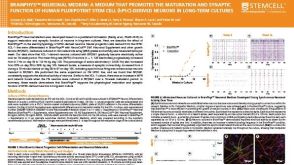 科学海报BrainPhys™ Neuronal Medium: A Medium That Promotes the Maturation and Synaptic Function of Human Pluripotent Stem Cell (hPSC)-Derived Neurons in Long-Term Cultures
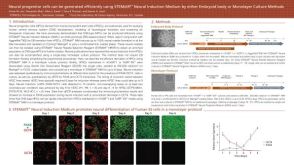 科学海报Neural Progenitor Cells can be Generated Efficiently Using STEMdiff™ Neural Induction Medium By Either Embryoid Body or Monolayer Culture Methods
 沪公网安备31010102008431号