Li J et al. (MAR 2005)
Clinical Cancer Research 11 6 2195--2204
Generation of PRL-3- and PRL-1-specific monoclonal antibodies as potential diagnostic markers for cancer metastases
PURPOSE: The PRL-3 mRNA is consistently elevated in metastatic samples derived from colorectal cancers. We sought to generate a specific PRL-3 monoclonal antibody (mAb) that might serve as a potential diagnostic marker for colorectal cancer metastasis. EXPERIMENTAL DESIGN: PRL-3 is one of three members (PRL-1,PRL-2,and PRL-3) in a unique protein-tyrosine phosphatase family. Because the three PRLs are 76% to 87% identical in their amino acid sequences,it poses a great challenge to obtain mAbs that are specific for respective phosphatase of regenerating liver (PRL) but not for the other two in the family. We screened over 1,400 hybridoma clones to generate mAbs specific to each PRL member. RESULTS: We obtained two hybridoma clones specifically against PRL-3 and another two clones specifically against PRL-1. These antibodies had been evaluated by several critical tests to show their own specificities and applications. Most importantly,the PRL-3 mAbs were assessed on 282 human colorectal tissue samples (121 normal,17 adenomas,and 144 adenocarcinomas). PRL-3 protein was detected in 11% of adenocarcinoma samples. The PRL-3- and PRL-1-specific mAbs were further examined on 204 human multiple cancer tissues. The differential expressions of PRL-3 and PRL-1 confirmed the mAbs' specificity. CONCLUSIONS: Using several approaches,we show that PRL-3- or PRL-1-specific mAbs react only to their respective antigen. The expression of PRL-3 in textgreater10% of primary colorectal cancer samples indicates that PRL-3 may prime the metastatic process. These mAbs will be useful as markers in clinical diagnosis for assessing tumor aggressiveness.
View Publication
产品类型:
产品号#:
03800
03801
03802
03803
03804
03805
03806
产品名:
ClonaCell™-HY 杂交瘤试剂盒
ClonaCell™-HY Medium
ClonaCell™-HY Medium
ClonaCell™-HY Medium
ClonaCell™-HY Medium
ClonaCell™-HY Medium
ClonaCell™-HY PEG (融合)
Ting S et al. (MAY 2014)
Biotechnology journal 9 5 675--683
Time-resolved video analysis and management system for monitoring cardiomyocyte differentiation processes and toxicology assays.
Cardiomyocytes (CM) derived from human embryonic stem cells (hESC) are used for cardio-toxicity evaluation and tested in many preclinical trials for their potential use in regenerative therapeutics. As more efficient CM differentiation protocols are developed,reliable automated platforms for characterization and detection are needed. An automated time-resolved video analysis and management system (TVAMS) has been developed for the evaluation of hESC differentiation to CM. The system was used for monitoring the kinetics of embryoid bodies (EB) generation (numbers and size) and differentiation into beating EBs (percentage beating area and beating EB count) in two differentiation protocols. We show that the percentage beating areas of EBs (from total area of the EBs) is a more sensitive and better predictor of CM differentiation efficiency than percentage of beating EBs (from total EBs) as the percentage beating areas of EBs correlates with cardiac troponin-T and myosin heavy chain expression levels. TVAMS can also be used to evaluate the effect of drugs and inhibitors (e.g. isoproterenol and ZD7288) on CM beating frequency. TVAMS can reliably replace the commonly practiced,time consuming,manual counting of total and beating EBs during CM differentiation. TVAMS is a high-throughput non-invasive video imaging platform that can be applied for the development of new CM differentiation protocols,as well as a tool to conduct CM toxicology assays.
View Publication
产品类型:
产品号#:
05850
05857
05870
05875
85850
85857
85870
85875
产品名:
mTeSR™1
mTeSR™1
Laguna M et al. (AUG 2015)
Sensors 15 8 19819--29
Antigen-antibody affinity for dry eye biomarkers by label free biosensing. Comparison with the ELISA technique
The specificity and affinity of antibody-antigen interactions is a fundamental way to achieve reliable biosensing responses. Different proteins involved with dry eye dysfunction: ANXA1,ANXA11,CST4,PRDX5,PLAA and S100A6; were validated as biomarkers. In this work several antibodies were tested for ANXA1,ANXA11 and PRDX5 to select the best candidates for each biomarker. The results were obtained by using Biophotonic Sensing Cells (BICELLs) as an efficient methodology for label-free biosensing and compared with the Enzyme-Linked Immuno Sorbent Assay (ELISA) technique.
View Publication
Ma Z et al. (JUL 2015)
Nature communications 6 May 7413
Self-organizing human cardiac microchambers mediated by geometric confinement.
Tissue morphogenesis and organ formation are the consequences of biochemical and biophysical cues that lead to cellular spatial patterning in development. To model such events in vitro,we use PEG-patterned substrates to geometrically confine human pluripotent stem cell colonies and spatially present mechanical stress. Modulation of the WNT/β-catenin pathway promotes spatial patterning via geometric confinement of the cell condensation process during epithelial-mesenchymal transition,forcing cells at the perimeter to express an OCT4+ annulus,which is coincident with a region of higher cell density and E-cadherin expression. The biochemical and biophysical cues synergistically induce self-organizing lineage specification and creation of a beating human cardiac microchamber confined by the pattern geometry. These highly defined human cardiac microchambers can be used to study aspects of embryonic spatial patterning,early cardiac development and drug-induced developmental toxicity.
View Publication
产品类型:
产品号#:
05850
05857
05870
05875
85850
85857
85870
85875
产品名:
mTeSR™1
mTeSR™1
Flyak AI et al. (FEB 2015)
Cell 160 5 893--903
Mechanism of human antibody-mediated neutralization of Marburg virus
The mechanisms by which neutralizing antibodies inhibit Marburg virus (MARV) are not known. We isolated a panel of neutralizing antibodies from a human MARV survivor that bind to MARV glycoprotein (GP) and compete for binding to a single major antigenic site. Remarkably,several of the antibodies also bind to Ebola virus (EBOV) GP. Single-particle EM structures of antibody-GP complexes reveal that all of the neutralizing antibodies bind to MARV GP at or near the predicted region of the receptor-binding site. The presence of the glycan cap or mucin-like domain blocks binding of neutralizing antibodies to EBOV GP,but not to MARV GP. The data suggest that MARV-neutralizing antibodies inhibit virus by binding to infectious virions at the exposed MARV receptor-binding site,revealing a mechanism of filovirus inhibition.
View Publication
Stable differentiation and clonality of murine long-term hematopoiesis after extended reduced-intensity selection for MGMT P140K transgene expression.
Efficient in vivo selection increases survival of gene-corrected hematopoietic stem cells (HSCs) and protects hematopoiesis,even if initial gene transfer efficiency is low. Moreover,selection of a limited number of transduced HSCs lowers the number of cell clones at risk of gene activation by insertional mutagenesis. However,a limited clonal repertoire greatly increases the proliferation stress of each individual clone. Therefore,understanding the impact of in vivo selection on proliferation and lineage differentiation of stem-cell clones is essential for its clinical use. We established minimal cell and drug dosage requirements for selection of P140K mutant O6-methylguanine-DNA-methyltransferase (MGMT P140K)-expressing HSCs and monitored their differentiation potential and clonality under long-term selective stress. Up to 17 administrations of O6-benzylguanine (O6-BG) and 1,3-bis(2-chloroethyl)-1-nitroso-urea (BCNU) did not impair long-term differentiation and proliferation of MGMT P140K-expressing stem-cell clones in mice that underwent serial transplantation and did not lead to clonal exhaustion. Interestingly,not all gene-modified hematopoietic repopulating cell clones were efficiently selectable. Our studies demonstrate that the normal function of murine hematopoietic stem and progenitor cells is not compromised by reduced-intensity long-term in vivo selection,thus underscoring the potential value of MGMT P140K selection for clinical gene therapy.
View Publication


 EasySep™小鼠TIL(CD45)正选试剂盒




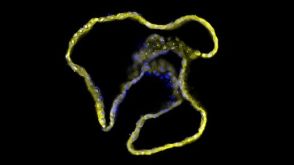 实验方案Drug Screening with Human Pancreatic Organoid Cultures

 37:09
线上讲座Quick and Easy Isolation of T Cells and Other Immune Cells from Large-Volume Samples发布日期: 05/27/2022
37:09
线上讲座Quick and Easy Isolation of T Cells and Other Immune Cells from Large-Volume Samples发布日期: 05/27/2022


 沪公网安备31010102008431号