

 EasySep™小鼠TIL(CD45)正选试剂盒




搜索结果: 'methocult media formulations for human hematopoietic cells serum containing'
-
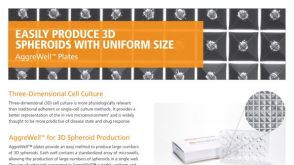 产品手册AggreWell™ for Spheroids
产品类型:
品牌:
AggreWell
产品号#:
07010
27215
27250
27845
27945
27840
27865
27940
27965
34811
34815
34850
34821
34825
34860
34421
34425
34460
34411
34415
34450
产品名:
抗粘附冲洗液
37µm可逆滤筛,小 (15 mL)
37µm可逆滤筛,大 (50 mL)
AggreWell™ 800 24孔板,1个
AggreWell™ 800 24孔板,5个
AggreWell™ 800 24孔板启动套装
AggreWell™ 800 6孔板,1个
AggreWell™ 800 6孔板,5个
AggreWell™ 800 6孔板启动套装
AggreWell™ 400 6孔板,1个
AggreWell™ 400 6孔板,5个
AggreWell™ 400 6孔板启动套装
AggreWell™ 400 24孔板,1个
AggreWell™400 24孔板,5个
AggreWell™400 24孔板启动套装
-
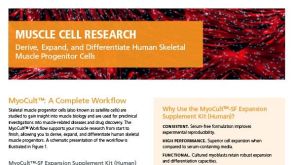 产品手册Derive, Expand, and Differentiate Human Skeletal Muscle Progenitor Cells
产品类型:
品牌:
MyoCult
产品号#:
产品名:
-
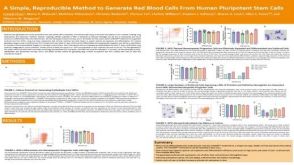 科学海报A Simple, Reproducible Method to Generate Red Blood Cells From Human Pluripotent Stem Cells
产品类型:
Conference:
BCREGMED 2020
产品号#:
产品名:
-

产品类型:
产品号#:
03800
03801
03802
03803
03804
03805
03806
产品名:
ClonaCell™-HY 杂交瘤试剂盒
ClonaCell™-HY Medium
ClonaCell™-HY Medium
ClonaCell™-HY Medium
ClonaCell™-HY Medium
ClonaCell™-HY Medium
ClonaCell™-HY PEG (融合)
-
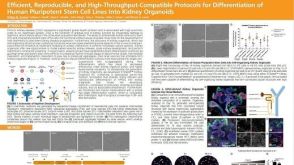 科学海报Efficient, Reproducible and High-Throughput-Compatible Protocols for Differentiation of Human Pluripotent Stem Cell Lines Into Kidney Organoids
产品类型:
Conference:
ISSCR 2019
产品号#:
产品名:
-
产品类型:
产品号#:
03434
03444
05350
产品名:
MethoCult™GF M3434
MethoCult™GF M3434


 沪公网安备31010102008431号