Irwin EF et al. (OCT 2011)
Biomaterials 32 29 6912--6919
Engineered polymer-media interfaces for the long-term self-renewal of human embryonic stem cells.
We have developed a synthetic polymer interface for the long-term self-renewal of human embryonic stem cells (hESCs) in defined media. We successfully cultured hESCs on hydrogel interfaces of aminopropylmethacrylamide (APMAAm) for over 20 passages in chemically-defined mTeSR™1 media and demonstrated pluripotency of multiple hESC lines with immunostaining and quantitative RT-PCR studies. Results for hESC proliferation and pluripotency markers were both qualitatively and quantitatively similar to cells cultured on Matrigel™-coated substrates. Mechanistically,it was resolved that bovine serum albumin (BSA) in the mTeSR™1 media was critical for cell adhesion on APMAAm hydrogel interfaces. This study uniquely identified a robust long-term culture surface for the self-renewal of hESCs without the use of biologic coatings (e.g.,peptides,proteins,or Matrigel™) in completely chemically-defined media that employed practical culturing techniques amenable to clinical-scale cell expansion.
View Publication
Chemically defined serum-free conditions for cartilage regeneration from human embryonic stem cells.
AIMS The aim of this study was to improve a method that induce cartilage differentiation of human embryoid stem cells (hESCs) in vitro,and test the effect of in vivo environments on the further maturation of hESCs derived cells. MAIN METHODS Embryoid bodies (EBs) formed from hESCs,with serum-free KSR-based medium and mesodermal specification related factors,CHIR,and Noggin for first 8days. Then cells were digested and cultured as micropellets in serum-free KSR-based chondrogenic medium that was supplemented with PDGF-BB,TGF β3,BMP4 in sequence for 24days. The morphology,FACS,histological staining as well as the expression of chondrogenic specific genes were detected in each stage,and further in vivo experiments,cell injections and tissue transplantations,further verified the formation of chondrocytes. KEY FINDINGS We were able to obtain chondrocyte/cartilage from hESCs using serum-free KSR-based conditioned medium. qPCR analysis showed that expression of the chondroprogenitor genes and the chondrocyte/cartilage matrix genes. Morphology analysis demonstrated we got PG+COL2+COL1-particles. It indicated we obtained hyaline cartilage-like particles. 32-Day differential cells were injected subcutaneous. Staining results showed grafts developed further mature in vivo. But when transplanted in subrenal capsule,their effect was not good as in subcutaneous. Microenvironment might affect the cartilage formation. SIGNIFICANCE The results of this study provide an absolute serum-free and efficient approach for generation of hESC-derived chondrocytes,and cells will become further maturation in vivo. It provides evidence and technology for the hypothesis that hESCs may be a promising therapy for the treatment of cartilage disease.
View Publication
Chang M-YY et al. (NOV 2015)
Stem cell research 15 3 608--613
Doxycycline supplementation allows for the culture of human ESCs/iPSCs with media changes at 3-day intervals.
Culturing human embryonic stem and induced pluripotent stem cells (hESCs/iPSCs) is one of the most costly and labor-intensive tissue cultures,as media containing expensive factors/cytokines should be changed every day to maintain and propagate undifferentiated hESCs/iPSCs in vitro. We recently reported that doxycycline,an anti-bacterial agent,had dramatic effects on hESC/iPSC survival and promoted self-renewal. In this study,we extended the effects of doxycycline to a more practical issue to save cost and labor in hESC/iPSC cultures. Regardless of cultured cell conditions,hESCs/iPSCs in doxycycline-supplemented media were viable and proliferating for at least 3 days without media change,while none or few viable cells were detected in the absence of doxycycline in the same conditions. Thus,hESCs/iPSCs supplemented with doxycycline can be cultured for a long period of time with media changes at 3-day intervals without altering their self-renewal and pluripotent properties,indicating that doxycycline supplementation can reduce the frequency of media changes and the amount of media required by 1/3. These findings strongly encourage the use of doxycycline to save cost and labor in culturing hESCs/iPSCs.
View Publication
产品类型:
产品号#:
07920
85850
85857
产品名:
ACCUTASE™
mTeSR™1
mTeSR™1
文献
R. O. Bak et al. (FEB 2018)
Nature protocols 13 2 358--376
CRISPR/Cas9 genome editing in human hematopoietic stem cells.
Genome editing via homologous recombination (HR) (gene targeting) in human hematopoietic stem cells (HSCs) has the power to reveal gene-function relationships and potentially transform curative hematological gene and cell therapies. However,there are no comprehensive and reproducible protocols for targeting HSCs for HR. Herein,we provide a detailed protocol for the production,enrichment,and in vitro and in vivo analyses of HR-targeted HSCs by combining CRISPR/Cas9 technology with the use of rAAV6 and flow cytometry. Using this protocol,researchers can introduce single-nucleotide changes into the genome or longer gene cassettes with the precision of genome editing. Along with our troubleshooting and optimization guidelines,researchers can use this protocol to streamline HSC genome editing at any locus of interest. The in vitro HSC-targeting protocol and analyses can be completed in 3 weeks,and the long-term in vivo HSC engraftment analyses in immunodeficient mice can be achieved in 16 weeks. This protocol enables manipulation of genes for investigation of gene functions during hematopoiesis,as well as for the correction of genetic mutations in HSC transplantation-based therapies for diseases such as sickle cell disease,$\beta$-thalassemia,and primary immunodeficiencies.
View Publication
产品类型:
产品号#:
09605
09655
04435
04445
72912
72914
产品名:
StemSpan™ SFEM II
StemSpan™ SFEM II
MethoCult™H4435富集
MethoCult™H4435富集
文献
Perez-Campo FM et al. (JUN 2014)
STEM CELLS 32 6 1591--1601
MOZ-Mediated Repression of p16 INK 4 a Is Critical for the Self-Renewal of Neural and Hematopoietic Stem Cells
Although inhibition of p16(INK4a) expression is critical to preserve the proliferative capacity of stem cells,the molecular mechanisms responsible for silencing p16(INK4a) expression remain poorly characterized. Here,we show that the histone acetyltransferase (HAT) monocytic leukemia zinc finger protein (MOZ) controls the proliferation of both hematopoietic and neural stem cells by modulating the transcriptional repression of p16(INK4a) . In the absence of the HAT activity of MOZ,expression of p16(INK4a) is upregulated in progenitor and stem cells,inducing an early entrance into replicative senescence. Genetic deletion of p16(INK4a) reverses the proliferative defect in both Moz(HAT) (-) (/) (-) hematopoietic and neural progenitors. Our results suggest a critical requirement for MOZ HAT activity to silence p16(INK4a) expression and to protect stem cells from early entrance into replicative senescence.
View Publication
产品类型:
产品号#:
05700
05701
05702
05707
产品名:
NeuroCult™ 基础培养基(小鼠&大鼠)
NeuroCult™ 扩增添加物 (小鼠&大鼠)
NeuroCult™ 扩增试剂盒 (小鼠&大鼠)
NeuroCult™化学解离试剂盒(小鼠)
文献
Yanagimachi MD et al. (APR 2013)
PLoS ONE 8 4 e59243
Robust and Highly-Efficient Differentiation of Functional Monocytic Cells from Human Pluripotent Stem Cells under Serum- and Feeder Cell-Free Conditions
Monocytic lineage cells (monocytes,macrophages and dendritic cells) play important roles in immune responses and are involved in various pathological conditions. The development of monocytic cells from human embryonic stem cells (ESCs) and induced pluripotent stem cells (iPSCs) is of particular interest because it provides an unlimited cell source for clinical application and basic research on disease pathology. Although the methods for monocytic cell differentiation from ESCs/iPSCs using embryonic body or feeder co-culture systems have already been established,these methods depend on the use of xenogeneic materials and,therefore,have a relatively poor-reproducibility. Here,we established a robust and highly-efficient method to differentiate functional monocytic cells from ESCs/iPSCs under serum- and feeder cell-free conditions. This method produced 1.3 × 10(6) ± 0.3 × 10(6) floating monocytes from approximately 30 clusters of ESCs/iPSCs 5-6 times per course of differentiation. Such monocytes could be differentiated into functional macrophages and dendritic cells. This method should be useful for regenerative medicine,disease-specific iPSC studies and drug discovery.
View Publication
Bruserud O et al. (DEC 2000)
Journal of hematotherapy & stem cell research 9 6 923--32
In vitro culture of human acute myelogenous leukemia (AML) cells in serum-free media: studies of native AML blasts and AML cell lines.
The functional characteristics were compared for acute myelogenous leukemia (AML) cells (native blasts and AML cell lines) cultured in three serum-free media (X-vivo 10,X-vivo 15,[Bio-Whitacker,Walkersville,MD] and StemSpan [Stem Cell Technologies,Vancouver,BC,Canada]) and in medium containing 10% inactivated fetal calf serum (FCS). For native AML blasts the following functions were compared: (1) autonomous and cytokine-dependent proliferation; (2) frequency of clonogenic cell; and (3) constitutive cytokine secretion. AML blast proliferation differed between patients independent of the culture medium used,and clonogenic cells were maintained after in vitro culture in all media. In contrast,constitutive cytokine secretion was higher for cells cultured in StemSpan and FCS-containing medium than for cells cultured in the X-vivo media. Native AML blasts incubated in StemSpan also showed a low frequency of apoptotic cells. The three serum-free media could also be used for long-term expansion of well-characterized AML cell lines,but the optimal medium for cell expansion and cytokine secretion differed between cell lines. We conclude that standardized serum-free culture conditions can be used for in vitro studies of native AML blasts and AML cell lines.
View Publication


 EasySep™小鼠TIL(CD45)正选试剂盒
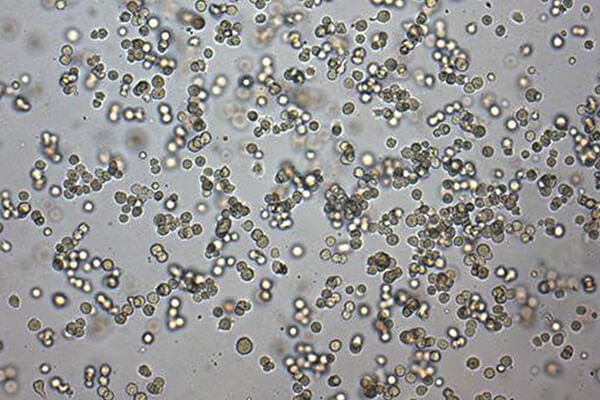
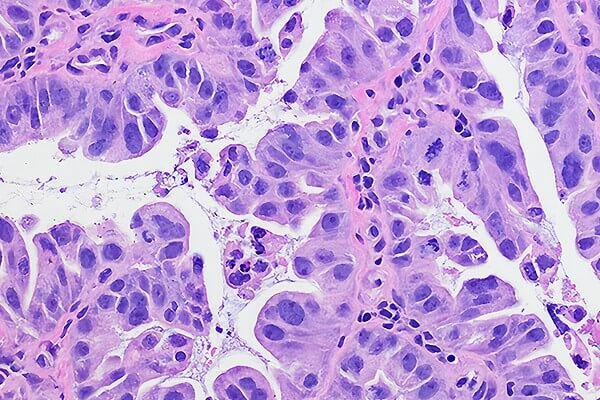


 Hematopoietic Stem and Progenitor Cells - Products for Your Research
 文献
文献 An Animal Component-Free, Serum-Free Culture Method for Generation of Human Dendritic Cells
 科学海报The STEMdiff™ Hematopoietic Kit Reproducibly Generates Functional Hematopoietic Progenitor Cells from Human Pluripotent Stem Cells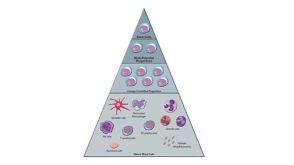

 沪公网安备31010102008431号