C. Zou et al. (sep 2005)
Journal of biochemical and biophysical methods 64 3 207--15
2-NBDG as a fluorescent indicator for direct glucose uptake measurement.
Evaluation of glucose uptake ability in cells plays a fundamental role in diabetes mellitus research. In this study,we describe a sensitive and non-radioactive assay for direct and rapid measuring glucose uptake in single,living cells. The assay is based on direct incubation of mammalian cells with a fluorescent d-glucose analog 2-[N-(7-nitrobenz-2-oxa-1,3-diazol-4-yl) amino]-2-deoxy-D-glucose (2-NBDG) followed by flow cytometric detection of fluorescence produced by the cells. A series of experiments were conducted to define optimal conditions for this assay. By this technique,it was found that insulin lost its physiological effects on cells in vitro meanwhile some other anti-diabetic drugs facilitated the cell glucose uptake rates with mechanisms which likely to be different from those of insulin or those that were generally accepted of each drug. Our findings show that this technology has potential for applications in both medicine and research.
View Publication
Gallego MJ et al. (JUN 2009)
Stem cells and development 18 5 737--740
Opioid and progesterone signaling is obligatory for early human embryogenesis.
The growth factors that drive the division and differentiation of stem cells during early human embryogenesis are unknown. The secretion of endorphins,progesterone (P(4)),human chorionic gonadotropin,17beta-estradiol,and gonadotropin-releasing hormone by trophoblasts that lie adjacent to the embryoblast in the blastocyst suggests that these pregnancy-associated factors may directly signal the growth and development of the embryoblast. To test this hypothesis,we treated embryoblast-derived human embryonic stem cells (hESCs) with ICI 174,864,a delta-opioid receptor antagonist,and RU-486 (mifepristone),a P(4) receptor competitive antagonist. Both antagonists potently inhibited the differentiation of hESC into embryoid bodies,an in vitro structure akin to the blastocyst containing all three germ layers. Furthermore,these agents prevented the differentiation of hESC aggregates into columnar neuroectodermal cells and their organization into neural tube-like rosettes as determined morphologically. Immunoblot analyses confirmed the obligatory role of these hormones; both antagonists inhibited nestin expression,an early marker of neural precursor cells normally detected during rosette formation. Conversely,addition of P(4) to hESC aggregates induced nestin expression and the formation of neuroectodermal rosettes. These results demonstrate that trophoblast-associated hormones induce blastulation and neurulation during early human embryogenesis.
View Publication
产品类型:
产品号#:
85850
85857
产品名:
mTeSR™1
mTeSR™1
Chang Y et al. (MAR 2009)
Nature structural & molecular biology 16 3 312--7
Structural basis for G9a-like protein lysine methyltransferase inhibition by BIX-01294.
Histone lysine methylation is an important epigenetic mark that regulates gene expression and chromatin organization. G9a and G9a-like protein (GLP) are euchromatin-associated methyltransferases that repress transcription by methylating histone H3 Lys9. BIX-01294 was originally identified as a G9a inhibitor during a chemical library screen of small molecules and has previously been used in the generation of induced pluripotent stem cells. Here we present the crystal structure of the catalytic SET domain of GLP in complex with BIX-01294 and S-adenosyl-L-homocysteine. The inhibitor is bound in the substrate peptide groove at the location where the histone H3 residues N-terminal to the target lysine lie in the previously solved structure of the complex with histone peptide. The inhibitor resembles the bound conformation of histone H3 Lys4 to Arg8,and is positioned in place by residues specific for G9a and GLP through specific interactions.
View Publication
产品类型:
产品号#:
72042
72044
产品名:
BIX01294 (Trihydrochloride Hydrate)
BIX01294 (Trihydrochloride Hydrate)
Booth L et al. (JUL 2015)
Journal of cellular physiology 230 7 1661--76
GRP78/BiP/HSPA5/Dna K is a universal therapeutic target for human disease.
The chaperone GRP78/Dna K is conserved throughout evolution down to prokaryotes. The GRP78 inhibitor OSU-03012 (AR-12) interacted with sildenafil (Viagra) or tadalafil (Cialis) to rapidly reduce GRP78 levels in eukaryotes and as a single agent reduce Dna K levels in prokaryotes. Similar data with the drug combination were obtained for: HSP70,HSP90,GRP94,GRP58,HSP27,HSP40 and HSP60. OSU-03012/sildenafil treatment killed brain cancer stem cells and decreased the expression of: NPC1 and TIM1; LAMP1; and NTCP1,receptors for Ebola/Marburg/Hepatitis A,Lassa fever,and Hepatitis B viruses,respectively. Pre-treatment with OSU-03012/sildenafil reduced expression of the coxsakie and adenovirus receptor in parallel with it also reducing the ability of a serotype 5 adenovirus or coxsakie virus B4 to infect and to reproduce. Similar data were obtained using Chikungunya,Mumps,Measles,Rubella,RSV,CMV,and Influenza viruses. OSU-03012 as a single agent at clinically relevant concentrations killed laboratory generated antibiotic resistant E. coli and clinical isolate multi-drug resistant N. gonorrhoeae and MRSE which was in bacteria associated with reduced Dna K and Rec A expression. The PDE5 inhibitors sildenafil or tadalafil enhanced OSU-03012 killing in N. gonorrhoeae and MRSE and low marginally toxic doses of OSU-03012 could restore bacterial sensitivity in N. gonorrhoeae to multiple antibiotics. Thus,Dna K and bacterial phosphodiesterases are novel antibiotic targets,and inhibition of GRP78 is of therapeutic utility for cancer and also for bacterial and viral infections.
View Publication
产品类型:
产品号#:
05750
05751
产品名:
NeuroCult™ NS-A 基础培养基(人)
NeuroCult™ NS-A 扩增试剂盒(人)
Lin M et al. (AUG 2012)
PLoS ONE 7 8 e44017
Allele-biased expression in differentiating human neurons: implications for neuropsychiatric disorders.
Stochastic processes and imprinting,along with genetic factors,lead to monoallelic or allele-biased gene expression. Stochastic monoallelic expression fine-tunes information processing in immune cells and the olfactory system,and imprinting plays an important role in development. Recent studies suggest that both stochastic events and imprinting may be more widespread than previously considered. We are interested in allele-biased gene expression occurring in the brain because parent-of-origin effects suggestive of imprinting appear to play a role in the transmission of schizophrenia (SZ) and autism spectrum disorders (ASD) in some families. In addition,allele-biased expression could help explain monozygotic (MZ) twin discordance and reduced penetrance. The ability to study allele-biased expression in human neurons has been transformed with the advent of induced pluripotent stem cell (iPSC) technology and next generation sequencing. Using transcriptome sequencing (RNA-Seq) we identified 801 genes in differentiating neurons that were expressed in an allele-biased manner. These included a number of putative SZ and ASD candidates,such as A2BP1 (RBFOX1),ERBB4,NLGN4X,NRG1,NRG3,NRXN1,and NLGN1. Overall,there was a modest enrichment for SZ and ASD candidate genes among those that showed evidence for allele-biased expression (chi-square,p = 0.02). In addition to helping explain MZ twin discordance and reduced penetrance,the capacity to group many candidate genes affecting a variety of molecular and cellular pathways under a common regulatory process - allele-biased expression - could have therapeutic implications.
View Publication
Bento: a toolkit for subcellular analysis of spatial transcriptomics data
The spatial organization of molecules in a cell is essential for their functions. While current methods focus on discerning tissue architecture,cell–cell interactions,and spatial expression patterns,they are limited to the multicellular scale. We present Bento,a Python toolkit that takes advantage of single-molecule information to enable spatial analysis at the subcellular scale. Bento ingests molecular coordinates and segmentation boundaries to perform three analyses: defining subcellular domains,annotating localization patterns,and quantifying gene–gene colocalization. We demonstrate MERFISH,seqFISH +,Molecular Cartography,and Xenium datasets. Bento is part of the open-source Scverse ecosystem,enabling integration with other single-cell analysis tools.Supplementary InformationThe online version contains supplementary material available at 10.1186/s13059-024-03217-7.
View Publication
产品类型:
产品号#:
100-0276
100-1130
产品名:
mTeSR™ Plus
mTeSR™ Plus
Q. T. Dang et al. (Feb 2026)
Nucleic Acids Research 54 4
CRISPR-associated transposon for programmable viral vector engineering and prime editing
Baculovirus,an insect virus commonly used for recombinant protein expression in insect cells and gene delivery in mammalian systems,is often generated through bacmid-based engineering. To enable flexible and programmable bacmid engineering,we developed SHOT 2.0,an optimized CRISPR-associated transposon platform that mediates RNA-guided and customized bacmid editing in Escherichia coli. The edited bacmid can be transfected into insect cells to produce recombinant baculoviruses. SHOT 2.0 supported site-specific integration of large DNA cargos (at least 14 kb) into defined loci such as v-cath and ODVe56,with integration at ODVe56 markedly improving transgene stability during serial virus passaging. The system is fully compatible with the Bac-to-Bac® workflow,enabling dual-gene insertion into the bacmid and derived baculovirus. Leveraging this platform,we constructed an all-in-one baculovirus encoding the PE5max prime editor. This vector-mediated prime editing achieves efficiencies up to 85.6% in HEK293T cells and achieves robust prime editing in hard-to-transfect cell types,including iPSCs and liver cancer cells,with efficiencies up to 37.1%. These results demonstrate that SHOT 2.0 substantially expands the baculovirus engineering toolbox,providing a flexible platform for genome editing and future gene delivery.
View Publication
产品类型:
产品号#:
100-0276
100-1130
产品名:
mTeSR™ Plus
mTeSR™ Plus
R. Gupta et al. (may 2019)
Journal of immunology (Baltimore,Md. : 1950) 202 10 2924--2944
Mechanism for IL-15-Driven B Cell Chronic Lymphocytic Leukemia Cycling: Roles for AKT and STAT5 in Modulating Cyclin D2 and DNA Damage Response Proteins.
Clonal expansion of B cell chronic lymphocytic leukemia (B-CLL) occurs within lymphoid tissue pseudofollicles. IL-15,a stromal cell-associated cytokine found within spleens and lymph nodes of B-CLL patients,significantly boosts in vitro cycling of blood-derived B-CLL cells following CpG DNA priming. Both IL-15 and CpG DNA are elevated in microbe-draining lymphatic tissues,and unraveling the basis for IL-15-driven B-CLL growth could illuminate new therapeutic targets. Using CpG DNA-primed human B-CLL clones and approaches involving both immunofluorescent staining and pharmacologic inhibitors,we show that both PI3K/AKT and JAK/STAT5 pathways are activated and functionally important for IL-15→CD122/ɣc signaling in ODN-primed cells expressing activated pSTAT3. Furthermore,STAT5 activity must be sustained for continued cycling of CFSE-labeled B-CLL cells. Quantitative RT-PCR experiments with inhibitors of PI3K and STAT5 show that both contribute to IL-15-driven upregulation of mRNA for cyclin D2 and suppression of mRNA for DNA damage response mediators ATM,53BP1,and MDC1. Furthermore,protein levels of these DNA damage response molecules are reduced by IL-15,as indicated by Western blotting and immunofluorescent staining. Bioinformatics analysis of ENCODE chromatin immunoprecipitation sequencing data from cell lines provides insight into possible mechanisms for STAT5-mediated repression. Finally,pharmacologic inhibitors of JAKs and STAT5 significantly curtailed B-CLL cycling when added either early or late in a growth response. We discuss how the IL-15-induced changes in gene expression lead to rapid cycling and possibly enhanced mutagenesis. STAT5 inhibitors might be an effective modality for blocking B-CLL growth in patients.
View Publication


 EasySep™小鼠TIL(CD45)正选试剂盒




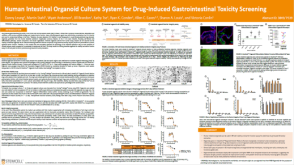 科学海报Human Intestinal Organoid Culture System for Drug-Induced Gastrointestinal Toxicity Screening
 产品手册Highway1™: Fast, Gentle, and Automated Cell Sorting for Every Lab
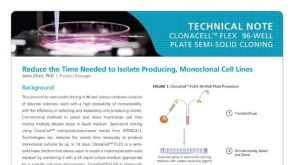 技术公告Protocol for Producing Monoclonal Cell Lines Using ClonaCell™ FLEX Semi-Solid Medium

 沪公网安备31010102008431号