Furuya S et al. (OCT 1995)
Journal of neurochemistry 65 4 1551--61
Sphingolipid biosynthesis is necessary for dendrite growth and survival of cerebellar Purkinje cells in culture.
The requirement of complex sphingolipid biosynthesis for growth of neurons was examined in developing rat cerebellar Purkinje neurons using a dissociated culture system. Purkinje cells developed well-differentiated dendrites and axons after 2 weeks in a serum-free nutrient condition. Addition of 2 microM fumonisin B1,a fungal inhibitor of mammalian ceramide synthase,inhibited incorporation of [3H]galactose/glucosamine and [14C]-serine into complex sphingolipids of cultured cerebellar neurons. Under this condition,the expression of Purkinje cell-enriched sphingolipids,including GD1 alpha,9-O-acetylated LD1 and GD3,and sphingomyelin,was significantly decreased. After 2 weeks' exposure to fumonisin B1,dose-dependent measurable decreases in the survival and visually discernible differences in the morphology were seen in fumonisin-treated Purkinje cells. The Purkinje cell dendrites exhibited two types of anomalies; one population of cells developed elongated but less-branched dendrites after a slight time lag,but their branches began to degenerate. In some cells,formation of elongated dendrite trees was severely impaired. However,treatment with fumonisin B1 also led to the formation of spinelike protrusions on the dendrites of Purkinje cells as in control cultures. In contrast to the alterations observed in Purkinje cells,morphology of other cell types including granule neurons appeared to be almost normal after treatment with fumonisin B1. These observations indicated strongly that membrane sphingolipids participate in growth and maintenance of dendrites and in the survival of cerebellar Purkinje cells. Indeed,these effects of fumonisin B1 were reversed,but not completely,by the addition of 6-[[N-(7-nitrobenz-2-oxa-1,3-diazol-4-yl)-amino dcaproyl]sphingosine (C6-NBD-ceramide),a synthetic derivative of ceramide. Thus,we conclude that deprivation of membrane sphingolipids in a culture environment is responsible for aberrant growth of Purkinje cells.
View Publication
产品类型:
产品号#:
73682
73684
产品名:
Fumonisin B1
Fumonisin B1
Vukovic J et al. (AUG 2013)
Stem Cells and Development 22 16 2341--2345
A Novel Fluorescent Reporter CDy1 Enriches for Neural Stem Cells Derived from the Murine Brain
Neurogenesis occurs continuously in two brain regions of adult mammals,underpinned by a pool of resident neural stem cells (NSCs) that can differentiate into all neural cell types. To advance our understanding of NSC function and to develop therapeutic and diagnostic approaches,it is important to accurately identify and enrich for NSCs. There are no definitive markers for the identification and enrichment of NSCs present in the mouse brain. Recently,a fluorescent rosamine dye,CDy1,has been identified as a label for pluripotency in cultured human embryonic and induced pluripotent stem cells. As similar cellular characteristics may enable the uptake and retention of CDy1 by other stem cell populations,we hypothesized that this dye may also enrich for primary NSCs from the mouse brain. Because the subventricular zone (SVZ) and the hippocampus represent brain regions that are highly enriched for NSCs in adult mammals,we sampled cells from these areas to test this hypothesis. These experiments revealed that CDy1 staining indeed allows for enrichment and selection of all neurosphere-forming cells from both the SVZ and the hippocampus. We next examined the effectiveness of CDy1 to select for NSCs derived from the SVZ of aged animals,where the total pool of NSCs present is significantly lower than in young animals. We found that CDy1 effectively labels the NSCs in adult and aged animals as assessed by the neurosphere assay and reflects the numbers of NSCs present in aged animals. CDy1,therefore,appears to be a novel marker for enrichment of NSCs in primary brain tissue preparations.
View Publication
产品类型:
产品号#:
05700
05701
05702
产品名:
NeuroCult™ 基础培养基(小鼠&大鼠)
NeuroCult™ 扩增添加物 (小鼠&大鼠)
NeuroCult™ 扩增试剂盒 (小鼠&大鼠)
Kortylewski M et al. (DEC 2005)
Nature medicine 11 12 1314--21
Inhibiting Stat3 signaling in the hematopoietic system elicits multicomponent antitumor immunity.
The immune system can act as an extrinsic suppressor of tumors. Therefore,tumor progression depends in part on mechanisms that downmodulate intrinsic immune surveillance. Identifying these inhibitory pathways may provide promising targets to enhance antitumor immunity. Here,we show that Stat3 is constitutively activated in diverse tumor-infiltrating immune cells,and ablating Stat3 in hematopoietic cells triggers an intrinsic immune-surveillance system that inhibits tumor growth and metastasis. We observed a markedly enhanced function of dendritic cells,T cells,natural killer (NK) cells and neutrophils in tumor-bearing mice with Stat3(-/-) hematopoietic cells,and showed that tumor regression requires immune cells. Targeting Stat3 with a small-molecule drug induces T cell- and NK cell-dependent growth inhibition of established tumors otherwise resistant to direct killing by the inhibitor. Our findings show that Stat3 signaling restrains natural tumor immune surveillance and that inhibiting hematopoietic Stat3 in tumor-bearing hosts elicits multicomponent therapeutic antitumor immunity.
View Publication
产品类型:
产品号#:
18709
18709RF
产品名:
EasySep™小鼠定制正选试剂盒
RoboSep™ 小鼠定制正选试剂盒含滤芯吸头
Nemeth MJ et al. (SEP 2006)
Proceedings of the National Academy of Sciences of the United States of America 103 37 13783--8
Hmgb3 regulates the balance between hematopoietic stem cell self-renewal and differentiation.
Hmgb3 is an X-linked member of a family of sequence-independent chromatin-binding proteins that is preferentially expressed in hematopoietic stem cells (HSC). Hmgb3-deficient mice (Hmgb3(-/Y)) contain normal numbers of HSCs,capable of self-renewal and hematopoietic repopulation,but fewer common lymphoid (CLP) and common myeloid progenitors (CMP). In this study,we tested the hypothesis that Hmgb3(-/Y) HSCs are biased toward self-renewal at the expense of progenitor production. Wild-type and Hmgb3(-/Y) CLPs and CMPs proliferate and differentiate equally in vitro,indicating that CLP and CMP function normally in Hmgb3(-/Y) mice. Hmgb3(-/Y) HSCs exhibit constitutive activation of the canonical Wnt signaling pathway,which regulates stem cell self-renewal. Increased Wnt signaling in Hmgb3(-/Y) HSCs corresponds to increased expression of Dvl1,a positive regulator of the canonical Wnt pathway. To induce hematopoietic stress and a subsequent response from HSCs,we treated Hmgb3(-/Y) mice with 5-fluorouracil. Hmgb3(-/Y) mice exhibit a faster recovery of functional HSCs after administration of 5-fluorouracil compared with wild-type mice,which may be due to the increased Wnt signaling. Furthermore,the recovery of HSC number in Hmgb3(-/Y) mice occurs more rapidly than CLP and CMP recovery. From these data,we propose a model in which Hmgb3 is required for the proper balance between HSC self-renewal and differentiation.
View Publication
产品类型:
产品号#:
03630
03434
03444
09600
09650
产品名:
MethoCult™M3630
MethoCult™GF M3434
MethoCult™GF M3434
StemSpan™ SFEM
StemSpan™ SFEM
K. Saito et al. (Sep 2024)
Nature Communications 15
Hematopoietic stem cells (HSCs) react to various stress conditions. However,it is unclear whether and how HSCs respond to severe anemia. Here,we demonstrate that upon induction of acute anemia,HSCs rapidly proliferate and enhance their erythroid differentiation potential. In severe anemia,lipoprotein profiles largely change and the concentration of ApoE increases. In HSCs,transcription levels of lipid metabolism-related genes,such as very low-density lipoprotein receptor ( Vldlr ),are upregulated. Stimulation of HSCs with ApoE enhances their erythroid potential,whereas HSCs in Apoe knockout mice do not respond to anemia induction. Vldlr high HSCs show higher erythroid potential,which is enhanced after acute anemia induction. Vldlr high HSCs are epigenetically distinct because of their low chromatin accessibility,and more chromatin regions are closed upon acute anemia induction. Chromatin regions closed upon acute anemia induction are mainly binding sites of Erg. Inhibition of Erg enhanced the erythroid differentiation potential of HSCs. Our findings indicate that lipoprotein metabolism plays an important role in HSC regulation under severe anemic conditions. Subject terms: Haematopoietic stem cells,Fat metabolism,Chromatin,Anaemia
View Publication
产品类型:
产品号#:
03434
03444
09600
09650
产品名:
MethoCult™GF M3434
MethoCult™GF M3434
StemSpan™ SFEM
StemSpan™ SFEM
Xia G et al. (APR 2013)
Cellular reprogramming 15 2 166--77
Generation of neural cells from DM1 induced pluripotent stem cells as cellular model for the study of central nervous system neuropathogenesis.
Dystrophia myotonica type 1 (DM1) is an autosomal dominant multisystem disorder. The pathogenesis of central nervous system (CNS) involvement is poorly understood. Disease-specific induced pluripotent stem cell (iPSC) lines would provide an alternative model. In this study,we generated two DM1 lines and a normal iPSC line from dermal fibroblasts by retroviral transduction of Yamanaka's four factors (hOct4,hSox2,hKlf4,and hc-Myc). Both DM1 and control iPSC clones showed typical human embryonic stem cell (hESC) growth patterns with a high nuclear-to-cytoplasm ratio. The iPSC colonies maintained the same growth pattern through subsequent passages. All iPSC lines expressed stem cell markers and differentiated into cells derived from three embryonic germ layers. All iPSC lines underwent normal neural differentiation. Intranuclear RNA foci,a hallmark of DM1,were detected in DM1 iPSCs,neural stem cells (NSCs),and terminally differentiated neurons and astrocytes. In conclusion,we have successfully established disease-specific human DM1 iPSC lines,NSCs,and neuronal lineages with pathognomonic intranuclear RNA foci,which offer an unlimited cell resource for CNS mechanistic studies and a translational platform for therapeutic development.
View Publication
Baba Y et al. (AUG 2006)
Journal of immunology (Baltimore,Md. : 1950) 177 4 2294--303
Constitutively active beta-catenin promotes expansion of multipotent hematopoietic progenitors in culture.
This study was designed to investigate one component of the Wnt/beta-catenin signaling pathway that has been implicated in stem cell self-renewal. Retroviral-mediated introduction of stable beta-catenin to primitive murine bone marrow cells allowed the expansion of multipotential c-Kit(low)Sca-1(low/-)CD19(-) CD11b/Mac-1(-)Flk-2(-)CD43(+)AA4.1(+)NK1.1(-)CD3(-)CD11c(-)Gr-1(-)CD45R/B220(+) cells in the presence of stromal cells and cytokines. They generated myeloid,T,and B lineage lymphoid cells in culture,but had no T lymphopoietic potential when transplanted. Stem cell factor and IL-6 were found to be minimal requirements for long-term,stromal-free propagation,and a beta-catenin-transduced cell line was maintained for 5 mo with these defined conditions. Although multipotential and responsive to many normal stimuli in culture,it was unable to engraft several types of irradiated recipients. These findings support previous studies that have implicated the canonical Wnt pathway signaling in regulation of multipotent progenitors. In addition,we demonstrate how it may be experimentally manipulated to generate valuable cell lines.
View Publication
产品类型:
产品号#:
03434
03444
产品名:
MethoCult™GF M3434
MethoCult™GF M3434
Kurtz J et al. (SEP 2007)
Transfusion 47 9 1578--87
Assessment of cord blood hematopoietic cell parameters before and after cryopreservation.
BACKGROUND: The testing of cord blood (CB) progenitor and stem cell units for transplantation suitability involves enumeration of total nucleated cells before freezing. CD34+ cell counts may also be a means of determining suitability. Studies have been conducted to evaluate how specific storage conditions influence cell counts. STUDY DESIGN AND METHODS: CB units were processed by hydroxyethyl starch volume reduction. Cryopreserved-thawed samples were diluted 1:3 without washing. CD34+ cells were measured with three commercially available assay methods. In specific studies,apoptosis-indicating reagents were included. CB units were analyzed for nucleated cells,aldehyde dehydrogenase-containing cells,and progenitor colonies. RESULTS: CD34+ cell levels and nucleated cells were retained during storage in test tubes at 1 to 6 degrees C for 3 days. Cryopreserved-thawed samples showed a reduction in CD34+ cells relative to prefreeze levels with the largest decrease with the Stem-Kit (Beckman Coulter) restricted gating procedure. Prefreeze samples contained minimal numbers of presumed apoptotic cells detected with 7-aminoactinomycin D or SYTO16,but after cryopreservation-thawing there was an increase. Nucleated cell levels determined with a hematology analyzer or flow cytometry were reduced after thawing. Cryopreservation-thawing reduced the percentage of CD34+ cells positive for the presence of aldehyde dehydrogenase and the number of progenitor colonies. These differences were significant. CONCLUSION: These studies indicate that CD34+ cell counts were maintained when CB samples were stored at 1 to 6 degrees C in test tubes for 3 days. Cryopreservation-thawing resulted in changes in a number of parameters including the percentage of CD34+ cells that were aldehyde dehydrogenase(+) and the number of 7-aminoactinomycin D(+) cells and SYTO16(low) cells.
View Publication
产品类型:
产品号#:
01700
01705
01702
产品名:
ALDEFLUOR™ 试剂盒
ALDEFLUOR™ DEAB试剂
ALDEFLUOR™测定缓冲液
Lymperi S et al. (FEB 2011)
Blood 117 5 1540--9
Inhibition of osteoclast function reduces hematopoietic stem cell numbers in vivo.
Osteoblasts play a crucial role in the hematopoietic stem cell (HSC) niche; however,an overall increase in their number does not necessarily promote hematopoiesis. Because the activity of osteoblasts and osteoclasts is coordinately regulated,we hypothesized that active bone-resorbing osteoclasts would participate in HSC niche maintenance. Mice treated with bisphosphonates exhibited a decrease in proportion and absolute number of Lin(-)cKit(+)Sca1(+) Flk2(-) (LKS Flk2(-)) and long-term culture-initiating cells in bone marrow (BM). In competitive transplantation assays,the engraftment of treated BM cells was inferior to that of controls,confirming a decrease in HSC numbers. Accordingly,bisphosphonates abolished the HSC increment produced by parathyroid hormone. In contrast,the number of colony-forming-unit cells in BM was increased. Because a larger fraction of LKS in the BM of treated mice was found in the S/M phase of the cell cycle,osteoclast impairment makes a proportion of HSCs enter the cell cycle and differentiate. To prove that HSC impairment was a consequence of niche manipulation,a group of mice was treated with bisphosphonates and then subjected to BM transplantation from untreated donors. Treated recipient mice experienced a delayed hematopoietic recovery compared with untreated controls. Our findings demonstrate that osteoclast function is fundamental in the HSC niche.
View Publication


 EasySep™小鼠TIL(CD45)正选试剂盒




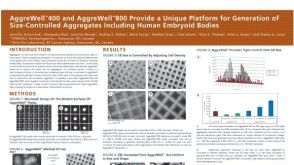 科学海报Aggrewell™400 and Aggrewell™800 Provide a Unique Platform for Generation of Size-Controlled Aggregates Including Human Embryoid Bodies
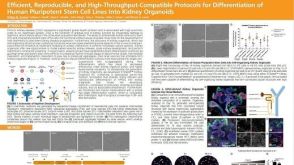 科学海报Efficient, Reproducible and High-Throughput-Compatible Protocols for Differentiation of Human Pluripotent Stem Cell Lines Into Kidney Organoids

 沪公网安备31010102008431号