CHD7 regulates definitive endodermal and mesodermal development from human embryonic stem cells
BackgroundCHD7 encodes an ATP-dependent chromodomain helicase DNA binding protein; mutations in this gene lead to multiple developmental disorders,including CHARGE (Coloboma,Heart defects,Atresia of the choanae,Retardation of growth and development,Genital hypoplasia,and Ear anomalies) syndrome. How the mutations cause multiple defects remains largely unclear. Embryonic definitive endoderm (DE) generates the epithelial compartment of vital organs such as the thymus,liver,pancreas,and intestine.MethodsIn this study,we used the clustered regularly interspaced short palindromic repeats (CRISPR)/Cas9 technique to delete the CHD7 gene in human embryonic stem cells (hESCs) to generate CHD7 homozygous mutant (CHD7?/?),heterozygous mutant (CHD7+/?),and control wild-type (CHD7+/+) cells. We then investigated the ability of the hESCs to develop into DE and the other two germ layers,mesoderm and ectoderm in vitro. We also compared global gene expression and chromatin accessibility among the hESC-DE cells by RNA sequencing (RNA-seq) and the assay for transposase-accessible chromatin with sequencing (ATAC-seq).ResultsWe found that deletion of CHD7 led to reduced capacity to develop into DE and mesoderm in a dose-dependent manner. Loss of CHD7 led to significant changes in the expression and chromatin accessibility of genes associated with several pathways. We identified 40 genes that were highly down-regulated in both the expression and chromatin accessibility in CHD7 deleted hESC-DE cells.ConclusionsCHD7 is critical for DE and mesodermal development from hESCs. Our results provide new insights into the mechanisms by which CHD7 mutations cause multiple congenital anomalies.Supplementary InformationThe online version contains supplementary material available at 10.1186/s13287-025-04437-9.
View Publication
产品类型:
产品号#:
05230
100-0276
100-1130
产品名:
STEMdiff™ 三谱系分化试剂盒
mTeSR™ Plus
mTeSR™ Plus
V. K. Krishnamoorthy et al. (Dec 2024)
Life Science Alliance 8 3
NSD3 protein methylation and stabilization transforms human ES cells into variant state
Our study highlights the role of epigenetic machinery in transformation of normal pluripotent stem cells to variant pluripotent state. We demonstrate the importance of non-histone protein methylation,which underlie the EMT and abnormal differentiation behaviour of variant hESCs.
View Publication
Dendritic Cells but Not Macrophages Sense Tumor Mitochondrial DNA for Cross-priming through Signal Regulatory Protein α Signaling.
Inhibition of cytosolic DNA sensing represents a strategy that tumor cells use for immune evasion,but the underlying mechanisms are unclear. Here we have shown that CD47-signal regulatory protein α (SIRPα) axis dictates the fate of ingested DNA in DCs for immune evasion. Although macrophages were more potent in uptaking tumor DNA,increase of DNA sensing by blocking the interaction of SIRPα with CD47 preferentially occurred in dendritic cells (DCs) but not in macrophages. Mechanistically,CD47 blockade enabled the activation of NADPH oxidase NOX2 in DCs,which in turn inhibited phagosomal acidification and reduced the degradation of tumor mitochondrial DNA (mtDNA) in DCs. mtDNA was recognized by cyclic-GMP-AMP synthase (cGAS) in the DC cytosol,contributing to type I interferon (IFN) production and antitumor adaptive immunity. Thus,our findings have demonstrated how tumor cells inhibit innate sensing in DCs and suggested that the CD47-SIRPα axis is critical for DC-driven antitumor immunity.
View Publication
Yea C-H et al. (JAN 2016)
Biomaterials 75 250--259
In situ label-free quantification of human pluripotent stem cells with electrochemical potential
Conventional methods for quantification of undifferentiated pluripotent stem cells such as fluorescence-activated cell sorting and real-time PCR analysis have technical limitations in terms of their sensitivity and recyclability. Herein,we designed a real-time in situ label-free monitoring system on the basis of a specific electrochemical signature of human pluripotent stem cells in vitro. The intensity of the signal of hPSCs highly corresponded to the cell number and remained consistent in a mixed population with differentiated cells. The electrical charge used for monitoring did not markedly affect the proliferation rate or molecular characteristics of differentiated human aortic smooth muscle cells. After YM155 treatment to ablate undifferentiated hPSCs,their specific signal was significantly reduced. This suggests that detection of the specific electrochemical signature of hPSCs would be a valid approach to monitor potential contamination of undifferentiated hPSCs,which can assess the risk of teratoma formation efficiently and economically.
View Publication
Widespread Chromatin Accessibility at Repetitive Elements Links Stem Cells with Human Cancer.
Chromatin regulation is critical for differentiation and disease. However,features linking the chromatin environment of stem cells with disease remain largely unknown. We explored chromatin accessibility in embryonic and multipotent stem cells and unexpectedly identified widespread chromatin accessibility at repetitive elements. Integrating genomic and biochemical approaches,we demonstrate that these sites of increased accessibility are associated with well-positioned nucleosomes marked by distinct histone modifications. Differentiation is accompanied by chromatin remodeling at repetitive elements associated with altered expression of genes in relevant developmental pathways. Remarkably,we found that the chromatin environment of Ewing sarcoma,a mesenchymally derived tumor,is shared with primary mesenchymal stem cells (MSCs). Accessibility at repetitive elements in MSCs offers a permissive environment that is exploited by the critical oncogene responsible for this cancer. Our data demonstrate that stem cells harbor a unique chromatin landscape characterized by accessibility at repetitive elements,a feature associated with differentiation and oncogenesis.
View Publication
Assessing differentiation status of human embryonic stem cells noninvasively using Raman microspectroscopy.
Raman microspectroscopy is an attractive approach for chemical imaging of biological specimens,including live cells,without the need for chemi-selective stains. Using a microspectrometer,near-infrared Raman spectra throughout the range 663 cm(-1) to 1220 cm(-1) were obtained from colonies of CA1 human embryonic stem cells (hESCs) and CA1 cells that had been stimulated to differentiate for 3 weeks by 10% fetal bovine serum on gelatin. Distributions and intensities of spectral bands attributed to proteins varied significantly between undifferentiated and differentiated cells. Importantly,compared to proteins and lipids,the band intensities of nucleic acids were dominant in undifferentiated cells with a dominance-reversal in differentiated cells. Thus,we could identify intensity ratios of particular protein-related bands (e.g.,757 cm(-1) tryptophan) to nucleic acid bands (784 cm(-1) DNA/RNA composite) that were effective in discriminating between spectra of undifferentiated and differentiated cells. We observed no discernible negative effects due to the laser exposure in terms of morphology,proliferation,or pluripotency of the stem cells. We conclude that Raman microscopy and complementary data processing procedures provide a rapid,noninvasive approach that can distinguish hESCs from differentiated cells. This is the first report to identify specific Raman markers for the differentiation status of hESCs.
View Publication
产品类型:
产品号#:
85850
85857
产品名:
mTeSR™1
mTeSR™1
Loewer S et al. (DEC 2010)
Nature genetics 42 12 1113--7
Large intergenic non-coding RNA-RoR modulates reprogramming of human induced pluripotent stem cells.
The conversion of lineage-committed cells to induced pluripotent stem cells (iPSCs) by reprogramming is accompanied by a global remodeling of the epigenome,resulting in altered patterns of gene expression. Here we characterize the transcriptional reorganization of large intergenic non-coding RNAs (lincRNAs) that occurs upon derivation of human iPSCs and identify numerous lincRNAs whose expression is linked to pluripotency. Among these,we defined ten lincRNAs whose expression was elevated in iPSCs compared with embryonic stem cells,suggesting that their activation may promote the emergence of iPSCs. Supporting this,our results indicate that these lincRNAs are direct targets of key pluripotency transcription factors. Using loss-of-function and gain-of-function approaches,we found that one such lincRNA (lincRNA-RoR) modulates reprogramming,thus providing a first demonstration for critical functions of lincRNAs in the derivation of pluripotent stem cells.
View Publication
产品类型:
产品号#:
85850
85857
产品名:
mTeSR™1
mTeSR™1
Xue Y et al. (AUG 2013)
PLoS ONE 8 8 e70573
Generating a Non-Integrating Human Induced Pluripotent Stem Cell Bank from Urine-Derived Cells
Induced pluripotent stem cell (iPS cell) holds great potential for applications in regenerative medicine,drug discovery,and disease modeling. We describe here a practical method to generate human iPS cells from urine-derived cells (UCs) under feeder-free,virus-free,serum-free condition and without oncogene c-MYC. We showed that this approach could be applied in a large population with different genetic backgrounds. UCs are easily accessible and exhibit high reprogramming efficiency,offering advantages over other cell types used for the purpose of iPS generation. Using the approach described in this study,we have generated 93 iPS cell lines from 20 donors with diverse genetic backgrounds. The non-viral iPS cell bank with these cell lines provides a valuable resource for iPS cells research,facilitating future applications of human iPS cells.
View Publication


 EasySep™小鼠TIL(CD45)正选试剂盒




 实验方案Gene Editing Human Pluripotent Stem Cells (hPSCs) Using the CellPore™ Transfection System
 20:09
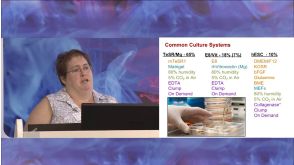
线上讲座Nature Research Round Table: Maintenance of Human Pluripotent Stem Cells In Vitro发布日期: 11/01/2019
20:09
线上讲座Nature Research Round Table: Maintenance of Human Pluripotent Stem Cells In Vitro发布日期: 11/01/2019

 沪公网安备31010102008431号