Differentiation of human induced pluripotent stem cells to mature functional Purkinje neurons.
It remains a challenge to differentiate human induced pluripotent stem cells (iPSCs) or embryonic stem (ES) cells to Purkinje cells. In this study,we derived iPSCs from human fibroblasts and directed the specification of iPSCs first to Purkinje progenitors,by adding Fgf2 and insulin to the embryoid bodies (EBs) in a time-sensitive manner,which activates the endogenous production of Wnt1 and Fgf8 from EBs that further patterned the cells towards a midbrain-hindbrain-boundary tissue identity. Neph3-positive human Purkinje progenitors were sorted out by using flow cytometry and cultured either alone or with granule cell precursors,in a 2-dimensional or 3-dimensional environment. However,Purkinje progenitors failed to mature further under above conditions. By co-culturing human Purkinje progenitors with rat cerebellar slices,we observed mature Purkinje-like cells with right morphology and marker expression patterns,which yet showed no appropriate membrane properties. Co-culture with human fetal cerebellar slices drove the progenitors to not only morphologically correct but also electrophysiologically functional Purkinje neurons. Neph3-posotive human cells could also survive transplantation into the cerebellum of newborn immunodeficient mice and differentiate to L7- and Calbindin-positive neurons. Obtaining mature human Purkinje cells in vitro has significant implications in studying the mechanisms of spinocerebellar ataxias and other cerebellar diseases.
View Publication
产品类型:
产品号#:
85850
85857
产品名:
mTeSR™1
mTeSR™1
V. K. Singh et al. ( 2022)
Frontiers in immunology 13 865503
Antibody-Mediated LILRB2-Receptor Antagonism Induces Human Myeloid-Derived Suppressor Cells to Kill Mycobacterium tuberculosis.
Tuberculosis is a leading cause of death in mankind due to infectious agents,and Mycobacterium tuberculosis (Mtb) infects and survives in macrophages (MФs). Although MФs are a major niche,myeloid-derived suppressor cells (MDSCs) are an alternative site for pathogen persistence. Both MФs and MDSCs express varying levels of leukocyte immunoglobulin-like receptor B (LILRB),which regulate the myeloid cell suppressive function. Herein,we demonstrate that antagonism of LILRB2 by a monoclonal antibody (mab) induced a switch of human MDSCs towards an M1-macrophage phenotype,increasing the killing of intracellular Mtb. Mab-mediated antagonism of LILRB2 alone and its combination with a pharmacological blockade of SHP1/2 phosphatase increased proinflammatory cytokine responses and phosphorylation of ERK1/2,p38 MAPK,and NF-kB in Mtb-infected MDSCs. LILRB2 antagonism also upregulated anti-mycobacterial iNOS gene expression and an increase in both nitric oxide and reactive oxygen species synthesis. Because genes associated with the anti-mycobacterial function of M1-MФs were enhanced in MDSCs following mab treatment,we propose that LILRB2 antagonism reprograms MDSCs from an immunosuppressive state towards a pro-inflammatory phenotype that kills Mtb. LILRB2 is therefore a novel therapeutic target for eradicating Mtb in MDSCs.
View Publication
产品类型:
产品号#:
100-0742
17885
100-0744
17885RF
产品名:
EasySep™人CD11b正选和去除试剂盒
EasySep™ HLA嵌合体全血CD33正选试剂盒
RoboSep™ 人CD11b正选和去除试剂盒
RoboSep™ HLA嵌合体全血CD33正选试剂盒
(Mar 2024)
Bioactive Materials 36
Feeder-free differentiation of human iPSCs into natural killer cells with cytotoxic potential against malignant brain rhabdoid tumor cells
Natural killer (NK) cells are cytotoxic immune cells that can eliminate target cells without prior stimulation. Human induced pluripotent stem cells (iPSCs) provide a robust source of NK cells for safe and effective cell-based immunotherapy against aggressive cancers. In this in vitro study,a feeder-free iPSC differentiation was performed to obtain iPSC-NK cells,and distinct maturational stages of iPSC-NK were characterized. Mature cells of CD56bright CD16bright phenotype showed upregulation of CD56,CD16,and NK cell activation markers NKG2D and NKp46 upon IL-15 exposure,while exposure to aggressive atypical teratoid/rhabdoid tumor (ATRT) cell lines enhanced NKG2D and NKp46 expression. Malignant cell exposure also increased CD107a degranulation markers and stimulated IFN-? secretion in activated NK cells. CD56bright CD16bright iPSC-NK cells showed a ratio-dependent killing of ATRT cells,and the percentage lysis of CHLA-05-ATRT was higher than that of CHLA-02-ATRT. The iPSC-NK cells were also cytotoxic against other brain,kidney,and lung cancer cell lines. Further NK maturation yielded CD56?ve CD16bright cells,which lacked activation markers even after exposure to interleukins or ATRT cells - indicating diminished cytotoxicity. Generation and characterization of different NK phenotypes from iPSCs,coupled with their promising anti-tumor activity against ATRT in vitro,offer valuable insights into potential immunotherapeutic strategies for brain tumors. Graphical abstractImage 1 Highlights•Natural killer (NK) cells were derived from human induced pluripotent stem cells (iPSCs) in the absence of feeder cells.•Various maturational subtypes of iPSC-NK cells were characterized,and the phenotypic and functional properties were studied.•iPSC-NK cells of CD56bright CD16bright phenotype expressed activation markers in response to interleukin stimuli.•iPSC-NK cells were cytotoxic toward human atypical teratoid and rhabdoid tumor (ATRT) cells and other human cancer cells.•The cytotoxicity of iPSC-NK cells against various cancer cells in vitro might be translated into an in vivo immunotherapy.
View Publication
产品类型:
产品号#:
09600
09605
09650
09655
09915
09950
09960
100-0276
100-1130
产品名:
StemSpan™ SFEM
StemSpan™ SFEM II
StemSpan™ SFEM
StemSpan™ SFEM II
StemSpan™淋系祖细胞扩增添加物(10X)
StemSpan™ NK细胞分化添加物(100X)
StemSpan™ NK细胞生成试剂盒
mTeSR™ Plus
mTeSR™ Plus
Chu et al. (Jul 2025)
International Journal of Molecular Sciences 26 13
Limited Myelination Capacity in Human Schwann Cells in Experimental Models in Comparison to Rodent and Porcine Schwann Cells
Schwann cells (SCs) play a crucial role in peripheral nerve repair by supporting axonal regeneration and remyelination. While extensive research has been conducted using rodent SCs,increasing attention is being directed toward human SCs due to species-specific differences in phenotypical and functional properties,and accessibility of human SCs derived from diverse sources. A major challenge in translating SC-based therapies for nerve repair lies in the inability to replicate human SC myelination in vitro,posing a significant obstacle to drug discovery and preclinical research. In this study,we compared the myelination capacity of human,rodent,and porcine SCs in various co-culture conditions,including species-matched and cross-species neuronal environments in a serum-free medium. Our results confirmed that rodent and porcine SCs readily myelinate neurites under standard culture conditions after treatment with ascorbic acid for two weeks,whereas human SCs,at least within the four-week observation period,failed to show myelin staining in all co-cultures. Furthermore,we investigated whether cell culture manipulation impairs human SC myelination by transplanting freshly harvested and predegenerated human nerve segments into NOD-SCID mice for four weeks. Despite supporting host axonal regeneration into the grafts,human SCs exhibited very limited myelination,suggesting an intrinsic species-specific restriction rather than a cell culture-induced defect. These observations suggest fundamental differences between human and rodent SCs and highlight the need for human-specific models and protocols to advance our understanding of SC myelination.
View Publication
产品类型:
产品号#:
05790
产品名:
BrainPhys™神经元培养基
Milush JM et al. (NOV 2009)
Blood 114 23 4823--31
Functionally distinct subsets of human NK cells and monocyte/DC-like cells identified by coexpression of CD56, CD7, and CD4.
The lack of natural killer (NK) cell-specific markers,as well as the overlap among several common surface antigens and functional properties,has obscured the delineation between NK cells and dendritic cells. Here,novel subsets of peripheral blood CD3/14/19(neg) NK cells and monocyte/dendritic cell (DC)-like cells were identified on the basis of CD7 and CD4 expression. Coexpression of CD7 and CD56 differentiates NK cells from CD56+ monocyte/DC-like cells,which lack CD7. In contrast to CD7+CD56+ NK cells,CD7(neg)CD56+ cells lack expression of NK cell-associated markers,but share commonalities in their expression of various monocyte/DC-associated markers. Using CD7,we observed approximately 60% of CD4+CD56+ cells were CD7(neg) cells,indicating the actual frequency of activated CD4+ NK cells is much lower in the blood than previously recognized. Functionally,only CD7+ NK cells secrete gamma interferon (IFNgamma) and degranulate after interleukin-12 (IL-12) plus IL-18 or K562 target cell stimulation. Furthermore,using CD7 to separate CD56+ NK cells and CD56+ myeloid cells,we demonstrate that unlike resting CD7+CD56+ NK cells,the CD7(neg)CD56+ myeloid cells stimulate a potent allogeneic response. Our data indicate that CD7 and CD56 coexpression discriminates NK cells from CD7(neg)CD56+ monocyte/DC-like cells,thereby improving our ability to study the intricacies of NK-cell subset phenotypes and functions in vivo.
View Publication
产品类型:
产品号#:
19051
19051RF
产品名:
EasySep™人T细胞富集试剂盒
RoboSep™ 人T细胞富集试剂盒含滤芯吸头
Hartung O et al. (AUG 2010)
Current protocols in stem cell biology Chapter 1 Unit 1C.10
Clump passaging and expansion of human embryonic and induced pluripotent stem cells on mouse embryonic fibroblast feeder cells.
The ability of human embryonic stem cells (hESCs) to differentiate into essentially all somatic cell types has made them a valuable tool for studying human development and has positioned them for broad applications in toxicology,regenerative medicine,and drug discovery. This unit describes a protocol for the large-scale expansion and maintenance of hESCs in vitro. hESC cultures must maintain a balance between the cellular states of pluripotency and differentiation; thus,researchers must use care when growing these technically demanding cells. The culture system is based largely on the use of a proprietary serum-replacement product and basic fibroblast growth factor (bFGF),with mouse embryonic fibroblasts as a feeder layer. These conditions provide the basis for relatively inexpensive maintenance and expansion of hESCs,as well as their engineered counterparts,human induced pluripotent stem cells (hiPSCs).
View Publication
Chan H-W et al. (JAN 2003)
The Journal of experimental medicine 197 2 245--55
DNA methylation maintains allele-specific KIR gene expression in human natural killer cells.
Killer immunoglobulin-like receptors (KIR) bind self-major histocompatibility complex class I molecules,allowing natural killer (NK) cells to recognize aberrant cells that have down-regulated class I. NK cells express variable numbers and combinations of highly homologous clonally restricted KIR genes,but uniformly express KIR2DL4. We show that NK clones express both 2DL4 alleles and either one or both alleles of the clonally restricted KIR 3DL1 and 3DL2 genes. Despite allele-independent expression,3DL1 alleles differed in the core promoter by only one or two nucleotides. Allele-specific 3DL1 gene expression correlated with promoter and 5' gene DNA hypomethylation in NK cells in vitro and in vivo. The DNA methylase inhibitor,5-aza-2'-deoxycytidine,induced KIR DNA hypomethylation and heterogeneous expression of multiple KIR genes. Thus,NK cells use DNA methylation to maintain clonally restricted expression of highly homologous KIR genes and alleles.
View Publication
产品类型:
产品号#:
15025
15065
产品名:
RosetteSep™人NK细胞富集抗体混合物
RosetteSep™人NK细胞富集抗体混合物
K. B. Langer et al. (APR 2018)
Stem cell reports 10 4 1282--1293
Retinal Ganglion Cell Diversity and Subtype Specification from Human Pluripotent Stem Cells.
Retinal ganglion cells (RGCs) are the projection neurons of the retina and transmit visual information to postsynaptic targets in the brain. While this function is shared among nearly all RGCs,this class of cell is remarkably diverse,comprised of multiple subtypes. Previous efforts have identified numerous RGC subtypes in animal models,but less attention has been paid to human RGCs. Thus,efforts of this study examined the diversity of RGCs differentiated from human pluripotent stem cells (hPSCs) and characterized defined subtypes through the expression of subtype-specific markers. Further investigation of these subtypes was achieved using single-cell transcriptomics,confirming the combinatorial expression of molecular markers associated with these subtypes,and also provided insight into more subtype-specific markers. Thus,the results of this study describe the derivation of RGC subtypes from hPSCs and will support the future exploration of phenotypic and functional diversity within human RGCs.
View Publication
产品类型:
产品号#:
05790
05792
05793
05794
05795
85850
85857
产品名:
BrainPhys™神经元培养基
BrainPhys™神经元培养基和SM1试剂盒
BrainPhys™ 神经元培养基N2-A和SM1试剂盒
BrainPhys™原代神经元试剂盒
BrainPhys™ hPSC 神经元试剂盒
mTeSR™1
mTeSR™1
I. Canals et al. (SEP 2018)
Nature methods 15 9 693--696
Rapid and efficient induction of functional astrocytes from human pluripotent stem cells.
The derivation of astrocytes from human pluripotent stem cells is currently slow and inefficient. We demonstrate that overexpression of the transcription factors SOX9 and NFIB in human pluripotent stem cells rapidly and efficiently yields homogeneous populations of induced astrocytes. In our study these cells exhibited molecular and functional properties resembling those of adult human astrocytes and were deemed suitable for disease modeling. Our method provides new possibilities for the study of human astrocytes in health and disease.
View Publication
产品类型:
产品号#:
05790
05792
05793
05794
05795
100-0276
100-1130
73802
73804
85850
85857
产品名:
BrainPhys™神经元培养基
BrainPhys™神经元培养基和SM1试剂盒
BrainPhys™ 神经元培养基N2-A和SM1试剂盒
BrainPhys™原代神经元试剂盒
BrainPhys™ hPSC 神经元试剂盒
mTeSR™ Plus
mTeSR™ Plus
Rho激酶抑制剂IV (Dihydrochloride)
Rho激酶抑制剂IV (Dihydrochloride)
mTeSR™1
mTeSR™1
Brown ME et al. (JAN 2010)
PLoS ONE 5 6 e11373
Derivation of induced pluripotent stem cells from human peripheral blood T lymphocytes
Induced pluripotent stem cells (iPSCs) hold enormous potential for the development of personalized in vitro disease models,genomic health analyses,and autologous cell therapy. Here we describe the generation of T lymphocyte-derived iPSCs from small,clinically advantageous volumes of non-mobilized peripheral blood. These T-cell derived iPSCs (TiPS") retain a normal karyotype and genetic identity to the donor. They share common characteristics with human embryonic stem cells (hESCs) with respect to morphology�
View Publication
产品类型:
产品号#:
85850
85857
产品名:
mTeSR™1
mTeSR™1
Spence JR et al. (FEB 2010)
Nature 470 7332 105--109
Directed differentiation of human pluripotent stem cells into intestinal tissue in vitro
Studies in embryonic development have guided successful efforts to direct the differentiation of human embryonic and induced pluripotent stem cells (PSCs) into specific organ cell types in vitro. For example,human PSCs have been differentiated into monolayer cultures of liver hepatocytes and pancreatic endocrine cells that have therapeutic efficacy in animal models of liver disease and diabetes,respectively. However,the generation of complex three-dimensional organ tissues in vitro remains a major challenge for translational studies. Here we establish a robust and efficient process to direct the differentiation of human PSCs into intestinal tissue in vitro using a temporal series of growth factor manipulations to mimic embryonic intestinal development. This involved activin-induced definitive endoderm formation,FGF/Wnt-induced posterior endoderm pattering,hindgut specification and morphogenesis,and a pro-intestinal culture system to promote intestinal growth,morphogenesis and cytodifferentiation. The resulting three-dimensional intestinal 'organoids' consisted of a polarized,columnar epithelium that was patterned into villus-like structures and crypt-like proliferative zones that expressed intestinal stem cell markers. The epithelium contained functional enterocytes,as well as goblet,Paneth and enteroendocrine cells. Using this culture system as a model to study human intestinal development,we identified that the combined activity of WNT3A and FGF4 is required for hindgut specification whereas FGF4 alone is sufficient to promote hindgut morphogenesis. Our data indicate that human intestinal stem cells form de novo during development. We also determined that NEUROG3,a pro-endocrine transcription factor that is mutated in enteric anendocrinosis,is both necessary and sufficient for human enteroendocrine cell development in vitro. PSC-derived human intestinal tissue should allow for unprecedented studies of human intestinal development and disease.
View Publication


 EasySep™小鼠TIL(CD45)正选试剂盒




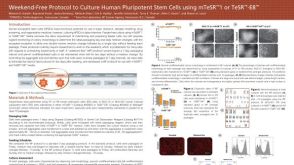 科学海报Weekend-Free Protocol to Culture Human Pluripotent Stem Cells Using mTeSR™1 or TeSR™-E8™
 沪公网安备31010102008431号