NAP-2 Secreted by Human NK Cells Can Stimulate Mesenchymal Stem/Stromal Cell Recruitment.
Strategies for improved homing of mesenchymal stem cells (MSCs) to a place of injury are being sought and it has been shown that natural killer (NK) cells can stimulate MSC recruitment. Here,we studied the chemokines behind this recruitment. Assays were performed with bone marrow human MSCs and NK cells freshly isolated from healthy donor buffy coats. Supernatants from MSC-NK cell co-cultures can induce MSC recruitment but not to the same extent as when NK cells are present. Antibody arrays and ELISA assays confirmed that NK cells secrete RANTES (CCL5) and revealed that human NK cells secrete NAP-2 (CXCL7),a chemokine that can induce MSC migration. Inhibition with specific antagonists of CXCR2,a receptor that recognizes NAP-2,abolished NK cell-mediated MSC recruitment. This capacity of NK cells to produce chemokines that stimulate MSC recruitment points toward a role for this immune cell population in regulating tissue repair/regeneration.
View Publication
产品类型:
产品号#:
19055
19055RF
产品名:
EasySep™人NK细胞富集试剂盒
RoboSep™ 人NK细胞富集试剂盒含滤芯吸头
Qu Y et al. (AUG 2016)
Scientific reports 6 32007
Transcriptome and proteome characterization of surface ectoderm cells differentiated from human iPSCs.
Surface ectoderm (SE) cells give rise to structures including the epidermis and ectodermal associated appendages such as hair,eye,and the mammary gland. In this study,we validate a protocol that utilizes BMP4 and the $$-secretase inhibitor DAPT to induce SE differentiation from human induced pluripotent stem cells (hiPSCs). hiPSC-differentiated SE cells expressed markers suggesting their commitment to the SE lineage. Computational analyses using integrated quantitative transcriptomic and proteomic profiling reveal that TGF$$ superfamily signaling pathways are preferentially activated in SE cells compared with hiPSCs. SE differentiation can be enhanced by selectively blocking TGF$$-RI signaling. We also show that SE cells and neural ectoderm cells possess distinct gene expression patterns and signaling networks as indicated by functional Ingenuity Pathway Analysis. Our findings advance current understanding of early human SE cell development and pave the way for modeling of SE-derived tissue development,studying disease pathogenesis,and development of regenerative medicine approaches.
View Publication
产品类型:
产品号#:
85850
85857
产品名:
mTeSR™1
mTeSR™1
Ouyang Q et al. (NOV 2016)
Stem cell research 17 3 634--636
Generation of human embryonic stem cells from abnormal blastocyst diagnosed with adrenoleukodystrophy.
Human embryonic stem cell (hESC) line chHES-480 was derived from abnormal blastocyst diagnosed with adrenoleukodystrophy (ALD) after preimplantation genetic diagnosis (PGD) treatment. DNA sequencing analysis confirmed that chHES-480 cell line carried a hemizygous missense mutation c.1825GtextgreaterA(p.Glu609Lys) of ABCD1 gene. Characteristic tests proved that the chHES-480 cell line presented typical markers of pluripotency and had the capability to form the three germ layers both in vitro and in vivo.
View Publication
产品类型:
产品号#:
85850
85857
产品名:
mTeSR™1
mTeSR™1
F. T. Merkle et al. (APR 2017)
Nature
Human pluripotent stem cells recurrently acquire and expand dominant negative P53 mutations
The authors surveyed whole-exome and RNA-sequencing data from 252 unique pluripotent stem cell lines,some of which are in the pipeline for clinical use,and found that approximately 5{\%} of cell lines had acquired mutations in the TP53 gene that allow mutant cells to rapidly outcompete non-mutant cells,but do not prevent differentiation.
View Publication
Diversification of human plasmacytoid predendritic cells in response to a single stimulus.
Innate immune cells adjust to microbial and inflammatory stimuli through a process termed environmental plasticity,which links a given individual stimulus to a unique activated state. Here,we report that activation of human plasmacytoid predendritic cells (pDCs) with a single microbial or cytokine stimulus triggers cell diversification into three stable subpopulations (P1-P3). P1-pDCs (PD-L1+CD80-) displayed a plasmacytoid morphology and specialization for type I interferon production. P3-pDCs (PD-L1-CD80+) adopted a dendritic morphology and adaptive immune functions. P2-pDCs (PD-L1+CD80+) displayed both innate and adaptive functions. Each subpopulation expressed a specific coding- and long-noncoding-RNA signature and was stable after secondary stimulation. P1-pDCs were detected in samples from patients with lupus or psoriasis. pDC diversification was independent of cell divisions or preexisting heterogeneity within steady-state pDCs but was controlled by a TNF autocrine and/or paracrine communication loop. Our findings reveal a novel mechanism for diversity and division of labor in innate immune cells.
View Publication
产品类型:
产品号#:
19062
19062RF
19251
19251RF
产品名:
EasySep™人浆细胞样DC富集试剂盒
RoboSep™ 人浆细胞样DC富集试剂盒含滤芯吸头
EasySep™人Pan-DC预富集试剂盒
RoboSep™ 人Pan-DC预富集试剂盒含滤芯吸头
K. Kwak et al. (NOV 2018)
Science immunology 3 29
Intrinsic properties of human germinal center B cells set antigen affinity thresholds.
Protective antibody responses to vaccination or infection depend on affinity maturation,a process by which high-affinity germinal center (GC) B cells are selected on the basis of their ability to bind,gather,and present antigen to T follicular helper (Tfh) cells. Here,we show that human GC B cells have intrinsically higher-affinity thresholds for both B cell antigen receptor (BCR) signaling and antigen gathering as compared with na{\{i}}ve B cells and that these functions are mediated by distinct cellular structures and pathways that ultimately lead to antigen affinity- and Tfh cell-dependent differentiation to plasma cells. GC B cells bound antigen through highly dynamic actin- and ezrin-rich pod-like structures that concentrated BCRs. The behavior of these structures was dictated by the intrinsic antigen affinity thresholds of GC B cells. Low-affinity antigens triggered continuous engagement and disengagement of membrane-associated antigens whereas high-affinity antigens induced stable synapse formation. The pod-like structures also mediated affinity-dependent antigen internalization by unconventional pathways distinct from those of na{\"{i}}ve B cells. Thus intrinsic properties of human GC B cells set thresholds for affinity selection."""
View Publication
产品类型:
产品号#:
19054
19054RF
产品名:
EasySep™人B细胞富集试剂盒
RoboSep™ 人B细胞富集试剂盒含滤芯吸头
A. A. Titov et al. (jul 2019)
Journal of immunology (Baltimore,Md. : 1950) 203 2 338--348
Metformin Inhibits the Type 1 IFN Response in Human CD4+ T Cells.
In systemic lupus erythematosus,defective clearance of apoptotic debris and activation of innate cells result in a chronically activated type 1 IFN response,which can be measured in PBMCs of most patients. Metformin,a widely used prescription drug for Type 2 diabetes,has a therapeutic effect in several mouse models of lupus through mechanisms involving inhibition of oxidative phosphorylation and a decrease in CD4+ T cell activation. In this study,we report that in CD4+ T cells from human healthy controls and human systemic lupus erythematosus patients,metformin inhibits the transcription of IFN-stimulated genes (ISGs) after IFN-alpha treatment. Accordingly,metformin inhibited the phosphorylation of pSTAT1 (Y701) and its binding to IFN-stimulated response elements that control ISG expression. These effects were independent of AMPK activation or mTORC1 inhibition but were replicated using inhibitors of the electron transport chain respiratory complexes I,III,and IV. This indicates that mitochondrial respiration is required for ISG expression in CD4+ T cells and provides a novel mechanism by which metformin may exert a therapeutic effect in autoimmune diseases.
View Publication
Effective Cardiac Myocyte Differentiation of Human Induced Pluripotent Stem Cells Requires VEGF
Perhaps one of the most significant achievements in modern science is the discovery of human induced pluripotent stem cells (hiPSCs),which have paved the way for regeneration therapy using patients' own cells. Cardiomyocytes differentiated from hiPSCs (hiPSC-CMs) could be used for modelling patients with heart failure,for testing new drugs,and for cellular therapy in the future. However,the present cardiomyocyte differentiation protocols exhibit variable differentiation efficiency across different hiPSC lines,which inhibit the application of this technology significantly. Here,we demonstrate a novel myocyte differentiation protocol that can yield a significant,high percentage of cardiac myocyte differentiation (backslashtextgreater85%) in 2 hiPSC lines,which makes the fabrication of a human cardiac muscle patch possible. The established hiPSCs cell lines being examined include the transgene integrated UCBiPS7 derived from cord blood cells and non-integrated PCBC16iPS from skin fibroblasts. The results indicate that hiPSC-CMs derived from established hiPSC lines respond to adrenergic or acetylcholine stimulation and beat regularly for greater than 60 days. This data also demonstrates that this novel differentiation protocol can efficiently generate hiPSC-CMs from iPSC lines that are derived not only from fibroblasts,but also from blood mononuclear cells.
View Publication
产品类型:
产品号#:
85850
85857
产品名:
mTeSR™1
mTeSR™1
Kawase E ( 2016)
1307 61--69
Efficient Expansion of Dissociated Human Pluripotent Stem Cells Using a Synthetic Substrate.
Human pluripotent stem cells (hPSCs),including human embryonic stem cells and human-induced pluripotent stem cells,are a renewable cell source for a wide range of applications in regenerative medicine and useful tools for human disease modeling and drug discovery. For these purposes,large numbers of high-quality cells are essential. Recently,we showed that a biological substrate,recombinant E8 fragments of laminin isoforms,sustains long-term self-renewal of hPSCs in defined,xeno-free medium with dissociated single-cell passaging. Here,we describe a modified culture system with similar performance to efficiently expand hPSCs under defined,xeno-free conditions using a non-biological synthetic substrate.
View Publication
产品类型:
产品号#:
85850
85857
产品名:
mTeSR™1
mTeSR™1
Graham B et al. (JUL 2014)
International Journal of Environmental Research and Public Health 11 7 7524--7536
Enhancement of arsenic trioxide-mediated changes in human induced pluripotent stem cells (IPS)
Induced pluripotent stem cells (IPS) are an artificially derived type of pluripotent stem cell,showing many of the same characteristics as natural pluripotent stem cells. IPS are a hopeful therapeutic model; however there is a critical need to determine their response to environmental toxins. Effects of arsenic on cells have been studied extensively; however,its effect on IPS is yet to be elucidated. Arsenic trioxide (ATO) has been shown to inhibit cell proliferation,induce apoptosis and genotoxicity in many cells. Based on ATOs action in other cells,we hypothesize that it will induce alterations in morphology,inhibit cell viability and induce a genotoxic effect on IPS. Cells were treated for 24 hours with ATO (0-9 µg/mL). Cell morphology,viability and DNA damage were documented. Results indicated sufficient changes in morphology of cell colonies mainly in cell ability to maintain grouping and ability to remain adherent. Cell viability decreased in a dose dependent manner. There were significant increases in tail length and moment as well as destruction of intact DNA as concentration increased. Exposure to ATO resulted in a reproducible dose dependent sequence of events marked by changes in morphology,decrease of cell viability,and induction of genotoxicity in IPS.
View Publication
产品类型:
产品号#:
85850
85857
产品名:
mTeSR™1
mTeSR™1
Vanuytsel K et al. (SEP 2014)
Stem Cell Research 13 2 240--250
FANCA knockout in human embryonic stem cells causes a severe growth disadvantage
Fanconi anemia (FA) is an autosomal recessive disorder characterized by progressive bone marrow failure (BMF) during childhood,aside from numerous congenital abnormalities. FA mouse models have been generated; however,they do not fully mimic the hematopoietic phenotype. As there is mounting evidence that the hematopoietic impairment starts already in utero,a human pluripotent stem cell model would constitute a more appropriate system to investigate the mechanisms underlying BMF in FA and its developmental basis. Using zinc finger nuclease (ZFN) technology,we have created a knockout of FANCA in human embryonic stem cells (hESC). We introduced a selection cassette into exon 2 thereby disrupting the FANCA coding sequence and found that whereas mono-allelically targeted cells retain an unaltered proliferation potential,disruption of the second allele causes a severe growth disadvantage. As a result,heterogeneous cultures arise due to the presence of cells still carrying an unaffected FANCA allele,quickly outgrowing the knockout cells. When pure cultures of FANCA knockout hESC are pursued either through selection or single cell cloning,this rapidly results in growth arrest and such cultures cannot be maintained. These data highlight the importance of a functional FA pathway at the pluripotent stem cell stage. ?? 2014.
View Publication


 EasySep™小鼠TIL(CD45)正选试剂盒




 19:35
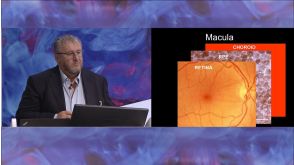
线上讲座Nature Research Round Table: Retinal Cell Therapy Using Human Embryonic Stem Cells发布日期: 11/01/2019
19:35
线上讲座Nature Research Round Table: Retinal Cell Therapy Using Human Embryonic Stem Cells发布日期: 11/01/2019
 沪公网安备31010102008431号