(May 2024)
Molecular Therapy. Methods & Clinical Development 32 2
Preclinical specificity & activity of a fully human 41BB-expressing anti-CD19 CART- therapy for treatment-resistant autoimmune disease
Over 4% of the global population is estimated to live with autoimmune disease,necessitating immunosuppressive treatment that is often chronic,not curative,and carries associated risks. B cells have emerged as key players in disease pathogenesis,as evidenced by partial responsiveness to B cell depletion by antibody-based therapies. However,these treatments often have transient effects due to incomplete depletion of tissue-resident B cells. Chimeric antigen receptor (CAR) T cells targeting B cells have demonstrated efficacy in refractory systemic lupus erythematosus. To this end,we developed an anti-CD19 CAR T cell product candidate,CABA-201,containing a clinically evaluated fully human CD19 binder (IC78) with a 4-1BB costimulatory domain and CD3 zeta stimulation domain for treatment refractory autoimmune disease. Here,we demonstrate specific cytotoxic activity of CABA-201 against CD19+ Nalm6 cells with no off-target effects on primary human cells. Novel examination of CABA-201 generated from primary T cells from multiple patients with autoimmune disease displayed robust CAR surface expression and effective elimination of the intended target autologous CD19+ B cells in vitro. Together,these findings support the tolerability and activity of CABA-201 for clinical development in patients with autoimmune disease. Graphical abstract Basu and colleagues show CABA-201,a B cell-targeting CAR T cell product with a fully human CD19 binder and 4-1BB costimulatory domain,can precisely eliminate autoimmune patient B cells without off-target deleterious effects,demonstrating its ability as a robust therapeutic for B cell-driven autoimmune disorders.
View Publication
产品类型:
产品号#:
19554
17954
17951
100-0695
17951RF
19554RF
17954RF
100-0971
产品名:
EasySep™人Pan-B细胞富集试剂盒
EasySep™人B细胞分选试剂盒
EasySep™人T细胞分选试剂盒
EasySep™人T细胞分选试剂盒
RoboSep™ 人T细胞分选试剂盒
RoboSep™ 人Pan-B细胞富集试剂盒
RoboSep™ 人B细胞分选试剂盒
EasySep™人B细胞分离试剂盒
S. Russo et al. (Nov 2025)
Journal for Immunotherapy of Cancer 13 11
Effect of extracellular vesicles in remodeling the tumor microenvironment by DNMT1 downregulation for enhanced cancer immunotherapy
The efficacy of immunotherapy is often hindered by the suppression of immune responses via the tumor microenvironment (TME). The presence of cancer cells forces other proximal non-cancerous cells to support tumor growth and persistence. A clear example of this cancerous-to-non-cancerous communication is represented by the accumulation of myeloid-derived suppressor cells (MDSCs) within the TME. Several studies have convergently shown that the overexpression of DNA-methyl-transferase-1 (DNMT1) in these cells results in protection from necroptosis and enhanced accumulation in vivo. Conversely,targeting DNMT1 through hypo-methylating agents has shown promising therapeutic potential by not only reducing the levels of MDSCs but also enhancing cancer immunogenicity and the efficacy of immune checkpoint inhibitors (ICI). Methods: Murine 4T1 (triple-negative breast cancer (TNBC)) and CT26 (colon carcinoma) cell lines were cultured under standard conditions and used to generate tumor models in BALB/c mice. An oncolytic adenovirus expressing a DNMT1-targeting short hairpin RNA (OAd.shDNMT1) was engineered and validated for DNMT1 knockdown and genome-wide methylation reduction. Small extracellular vesicles (sEVs) were isolated from virus-infected cancer cells and characterized for RNA content and uptake by MDSCs. MDSC differentiation and suppressive function were assessed in vitro using flow cytometry and co-culture assays with murine splenocytes. In vivo,tumor-bearing mice received intratumoral OAd.shDNMT1,systemic decitabine,or immune checkpoint inhibitors (anti-Programmed cell Death protein-1),and tumor growth,immune infiltration,and systemic MDSC levels were evaluated. Results: In this study,we report that,by using virally infected TNBC murine cells as a source for shDNMT1-loaded sEVs,OAd.shDNMT1 successfully reduced MDSC levels in vitro and in vivo. Furthermore,the co-administration with ICI resulted in a significant tumor growth reduction in mice bearing poorly immunogenic TNBC 4T1 cells. Also,our treatment promoted antitumor immunity,prolonged survival,and complete tumor eradication in modestly immunogenic colon CT26 cancer cells. Conclusions: This multifaceted strategy,based on OV-mediated immune stimulation and reduction of MDSC levels via sEVs,may improve clinical outcomes and the success of immuno-based regimens for patients facing MDSC-rich and highly aggressive cancer subtypes.
View Publication
产品类型:
产品号#:
19867
产品名:
EasySep™小鼠MDSC(CD11b+Gr1+)分选试剂盒
Sasaki H et al. (FEB 2005)
Blood 105 3 1204--13
Overexpression of a cell adhesion molecule, TSLC1, as a possible molecular marker for acute-type adult T-cell leukemia.
Adult T-cell leukemia (ATL) caused by human T-cell leukemia virus type 1 (HTLV-1) infection,occurs in 2% to 4% of the HTLV-1 carriers with a long latent period,suggesting that additional alterations participate in the development of ATL. To characterize and identify novel markers of ATL,we examined the expression profiles of more than 12 000 genes in 8 cases of acute-type ATL using microarray. One hundred ninety-two genes containing interleukin 2 (IL-2) receptor alpha were up-regulated more than 2-fold compared with CD4(+) and CD4(+)CD45RO(+) T cells,and tumor suppressor in lung cancer 1 (TSLC1),caveolin 1,and prostaglandin D2 synthase showed increased expression of more than 30-fold. TSLC1 is a cell adhesion molecule originally identified as a tumor suppressor in the lung but lacks its expression in normal or activated T cells. We confirmed ectopic expression of the TSLC1 in all acute-type ATL cells and in 7 of 10 ATL- or HTLV-1-infected T-cell lines. Introduction of TSLC1 into a human ATL cell line ED enhanced both self-aggregation and adhesion ability to vascular endothelial cells. These results suggested that the ectopic expression of TSLC1 could provide a novel marker for acute-type ATL and may participate in tissue invasion,a characteristic feature of the malignant ATL cells.
View Publication
产品类型:
产品号#:
15022
15062
产品名:
RosetteSep™人CD4+ T细胞富集抗体混合物
RosetteSep™人CD4+ T细胞富集抗体混合物
McDevitt MA et al. (MAY 2006)
The Journal of experimental medicine 203 5 1185--96
A critical role for the host mediator macrophage migration inhibitory factor in the pathogenesis of malarial anemia.
The pathogenesis of malarial anemia is multifactorial,and the mechanisms responsible for its high mortality are poorly understood. Studies indicate that host mediators produced during malaria infection may suppress erythroid progenitor development (Miller,K.L.,J.C. Schooley,K.L. Smith,B. Kullgren,L.J. Mahlmann,and P.H. Silverman. 1989. Exp. Hematol. 17:379-385; Yap,G.S.,and M.M. Stevenson. 1991. Ann. NY Acad. Sci. 628:279-281). We describe an intrinsic role for macrophage migration inhibitory factor (MIF) in the development of the anemic complications and bone marrow suppression that are associated with malaria infection. At concentrations found in the circulation of malaria-infected patients,MIF suppressed erythropoietin-dependent erythroid colony formation. MIF synergized with tumor necrosis factor and gamma interferon,which are known antagonists of hematopoiesis,even when these cytokines were present in subinhibitory concentrations. MIF inhibited erythroid differentiation and hemoglobin production,and it antagonized the pattern of mitogen-activated protein kinase phosphorylation that normally occurs during erythroid progenitor differentiation. Infection of MIF knockout mice with Plasmodium chabaudi resulted in less severe anemia,improved erythroid progenitor development,and increased survival compared with wild-type controls. We also found that human mononuclear cells carrying highly expressed MIF alleles produced more MIF when stimulated with the malarial product hemozoin compared with cells carrying low expression MIF alleles. These data suggest that polymorphisms at the MIF locus may influence the levels of MIF produced in the innate response to malaria infection and the likelihood of anemic complications.
View Publication
产品类型:
产品号#:
03334
产品名:
MethoCult™M3334
Ball CR et al. (SEP 2007)
Blood 110 6 1779--87
Stable differentiation and clonality of murine long-term hematopoiesis after extended reduced-intensity selection for MGMT P140K transgene expression.
Efficient in vivo selection increases survival of gene-corrected hematopoietic stem cells (HSCs) and protects hematopoiesis,even if initial gene transfer efficiency is low. Moreover,selection of a limited number of transduced HSCs lowers the number of cell clones at risk of gene activation by insertional mutagenesis. However,a limited clonal repertoire greatly increases the proliferation stress of each individual clone. Therefore,understanding the impact of in vivo selection on proliferation and lineage differentiation of stem-cell clones is essential for its clinical use. We established minimal cell and drug dosage requirements for selection of P140K mutant O6-methylguanine-DNA-methyltransferase (MGMT P140K)-expressing HSCs and monitored their differentiation potential and clonality under long-term selective stress. Up to 17 administrations of O6-benzylguanine (O6-BG) and 1,3-bis(2-chloroethyl)-1-nitroso-urea (BCNU) did not impair long-term differentiation and proliferation of MGMT P140K-expressing stem-cell clones in mice that underwent serial transplantation and did not lead to clonal exhaustion. Interestingly,not all gene-modified hematopoietic repopulating cell clones were efficiently selectable. Our studies demonstrate that the normal function of murine hematopoietic stem and progenitor cells is not compromised by reduced-intensity long-term in vivo selection,thus underscoring the potential value of MGMT P140K selection for clinical gene therapy.
View Publication
产品类型:
产品号#:
03434
03444
产品名:
MethoCult™GF M3434
MethoCult™GF M3434
Nishimura K et al. (FEB 2011)
The Journal of biological chemistry 286 6 4760--71
Development of defective and persistent Sendai virus vector: a unique gene delivery/expression system ideal for cell reprogramming.
The ectopic expression of transcription factors can reprogram differentiated tissue cells into induced pluripotent stem cells. However,this is a slow and inefficient process,depending on the simultaneous delivery of multiple genes encoding essential reprogramming factors and on their sustained expression in target cells. Moreover,once cell reprogramming is accomplished,these exogenous reprogramming factors should be replaced with their endogenous counterparts for establishing autoregulated pluripotency. Complete and designed removal of the exogenous genes from the reprogrammed cells would be an ideal option for satisfying this latter requisite as well as for minimizing the risk of malignant cell transformation. However,no single gene delivery/expression system has ever been equipped with these contradictory characteristics. Here we report the development of a novel replication-defective and persistent Sendai virus (SeVdp) vector based on a noncytopathic variant virus,which fulfills all of these requirements for cell reprogramming. The SeVdp vector could accommodate up to four exogenous genes,deliver them efficiently into various mammalian cells (including primary tissue cells and human hematopoietic stem cells) and express them stably in the cytoplasm at a prefixed balance. Furthermore,interfering with viral transcription/replication using siRNA could erase the genomic RNA of SeVdp vector from the target cells quickly and thoroughly. A SeVdp vector installed with Oct4/Sox2/Klf4/c-Myc could reprogram mouse primary fibroblasts quite efficiently; ∼1% of the cells were reprogrammed to Nanog-positive induced pluripotent stem cells without chromosomal gene integration. Thus,this SeVdp vector has potential as a tool for advanced cell reprogramming and for stem cell research.
View Publication
产品类型:
产品号#:
产品名:
Wei X et al. (APR 2013)
Bioconjugate chemistry 24 4 658--668
Hyaluronic acid-based nanogel-drug conjugates with enhanced anticancer activity designed for the targeting of CD44-positive and drug-resistant tumors.
Many drug-resistant tumors and cancer stem cells (CSC) express elevated levels of CD44 receptor,a cellular glycoprotein binding hyaluronic acid (HA). Here,we report the synthesis of nanogel-drug conjugates based on membranotropic cholesteryl-HA (CHA) for efficient targeting and suppression of drug-resistant tumors. These conjugates significantly increased the bioavailability of poorly soluble drugs with previously reported activity against CSC,such as etoposide,salinomycin,and curcumin. The small nanogel particles (diameter 20-40 nm) with a hydrophobic core and high drug loads (up to 20%) formed after ultrasonication and demonstrated a sustained drug release following the hydrolysis of biodegradable ester linkage. Importantly,CHA-drug nanogels demonstrated 2-7 times higher cytotoxicity in CD44-expressing drug-resistant human breast and pancreatic adenocarcinoma cells compared to that of free drugs and nonmodified HA-drug conjugates. These nanogels were efficiently internalized via CD44 receptor-mediated endocytosis and simultaneous interaction with the cancer cell membrane. Anchoring by cholesterol moieties in the cellular membrane after nanogel unfolding evidently caused more efficient drug accumulation in cancer cells compared to that in nonmodified HA-drug conjugates. CHA-drug nanogels were able to penetrate multicellular cancer spheroids and displayed a higher cytotoxic effect in the system modeling tumor environment than both free drugs and HA-drug conjugates. In conclusion,the proposed design of nanogel-drug conjugates allowed us to significantly enhance drug bioavailability,cancer cell targeting,and the treatment efficacy against drug-resistant cancer cells and multicellular spheroids.
View Publication
产品类型:
产品号#:
05620
产品名:
MammoCult™人培养基试剂盒
Lopez-Izquierdo A et al. (NOV 2014)
American journal of physiology. Heart and circulatory physiology 307 9 H1370--7
A near-infrared fluorescent voltage-sensitive dye allows for moderate-throughput electrophysiological analyses of human induced pluripotent stem cell-derived cardiomyocytes.
Human induced pluripotent stem cell-derived cardiomyocyte (iPSC-CM)-based assays are emerging as a promising tool for the in vitro preclinical screening of QT interval-prolonging side effects of drugs in development. A major impediment to the widespread use of human iPSC-CM assays is the low throughput of the currently available electrophysiological tools. To test the precision and applicability of the near-infrared fluorescent voltage-sensitive dye 1-(4-sulfanatobutyl)-4-β[2-(di-n-butylamino)-6-naphthyl]butadienylquinolinium betaine (di-4-ANBDQBS) for moderate-throughput electrophysiological analyses,we compared simultaneous transmembrane voltage and optical action potential (AP) recordings in human iPSC-CM loaded with di-4-ANBDQBS. Optical AP recordings tracked transmembrane voltage with high precision,generating nearly identical values for AP duration (AP durations at 10%,50%,and 90% repolarization). Human iPSC-CMs tolerated repeated laser exposure,with stable optical AP parameters recorded over a 30-min study period. Optical AP recordings appropriately tracked changes in repolarization induced by pharmacological manipulation. Finally,di-4-ANBDQBS allowed for moderate-throughput analyses,increasing throughput textgreater10-fold over the traditional patch-clamp technique. We conclude that the voltage-sensitive dye di-4-ANBDQBS allows for high-precision optical AP measurements that markedly increase the throughput for electrophysiological characterization of human iPSC-CMs.
View Publication
产品类型:
产品号#:
85850
85857
产品名:
mTeSR™1
mTeSR™1
S. Odongo et al. (Jul 2024)
PLOS Neglected Tropical Diseases 18 7
A Nanobody/Monoclonal Antibody “hybrid” sandwich technology offers an improved immunoassay strategy for detection of African trypanosome infections
The scarcity of reliable devices for diagnosis of Animal African trypanosomiasis (AAT) presents a limitation to control of the disease. Existing high-sensitivity technologies such as PCR are costly,laborious,time-consuming,complex,and require skilled personnel. Hence,utilisation of most diagnostics for AAT is impracticable in rural areas,where the disease occurs. A more accessible point-of-care test (POCT) capable of detecting cryptic active infection,without relying on expensive equipment,would facilitate AAT detection. In turn,early management,would reduce disease incidence and severity. Today,several ongoing research projects aim at modifying complex immunoassays into POCTs. In this context,we report the development of an antigen (Ag) detection sandwich ELISA prototype for diagnosis of T . congolense infections,which is comprised of nanobody (Nb) and monoclonal antibody (mAb) reagents. The Nb474H used here,originated from a past study. Briefly,the Nb was engineered starting from mRNA of peripheral blood lymphocytes of an alpaca immunized with soluble lysate of Trypanosoma congolense (TC13). T . congolense glycosomal fructose-1,6-bisphosphate aldolase ( Tco ALD) was discovered as the cognate Ag of Nb474H. In this study,splenocytes were harvested from a mouse immunized with recombinant Tco ALD and fused with NS01 cells to generate a hybridoma library. Random screening of the library on Tco ALD retrieved a lone binder,designated IgM8A2. Using Nb474H as Ag-capture reagent in combination with the IgM8A2 monoclonal antibody Ag-detection reagent resulted in a tool that effectively detects native Tco ALD released during infection by T . congolense parasites. Hitherto,development of POCT for detection of active trypanosome infection is elusive. The Nanobody/Monoclonal Antibody (Nb/mAb) “hybrid” sandwich technology offers prospects for exploration,using the unique specificity of Nb as a key determinant in Ag capturing,while using the versatility of monoclonal Ab to adapt to various detection conditions.
View Publication
产品类型:
产品号#:
03800
03802
03803
03804
03806
产品名:
ClonaCell™-HY 杂交瘤试剂盒
ClonaCell™-HY Medium
ClonaCell™-HY Medium
ClonaCell™-HY Medium
ClonaCell™-HY PEG (融合)
I. Decoene et al. (Mar 2025)
Bone Research 13
Callus organoids reveal distinct cartilage to bone transition mechanisms across donors and a role for biological sex
Clinical translation of tissue-engineered advanced therapeutic medicinal products is hindered by a lack of patient-dependent and independent in-process biological quality controls that are reflective of in vivo outcomes. Recent insights into the mechanism of native bone repair highlight a robust path dependence. Organoid-based bottom-up developmental engineering mimics this path-dependence to design personalized living implants scaffold-free,with in-build outcome predictability. Yet,adequate (noninvasive) quality metrics of engineered tissues are lacking. Moreover,insufficient insight into the role of donor variability and biological sex as influencing factors for the mechanism toward bone repair hinders the implementation of such protocols for personalized bone implants. Here,male and female bone-forming organoids were compared to non-bone-forming organoids regarding their extracellular matrix composition,transcriptome,and secreted proteome signatures to directly link in vivo outcomes to quality metrics. As a result,donor variability in bone-forming callus organoids pointed towards two distinct pathways to bone,through either a hypertrophic cartilage or a fibrocartilaginous template. The followed pathway was determined early,as a biological sex-dependent activation of distinct progenitor populations. Independent of donor or biological sex,a cartilage-to-bone transition was driven by a common panel of secreted factors that played a role in extracellular matrix remodeling,mineralization,and attraction of vasculature. Hence,the secreted proteome is a source of noninvasive biomarkers that report on biological potency and could be the missing link toward data-driven decision-making in organoid-based bone tissue engineering. Subject terms: Bone,Bone quality and biomechanics
View Publication
产品类型:
产品号#:
34811
34815
34821
34825
34850
34860
产品名:
AggreWell™ 800 24孔板,1个
AggreWell™ 800 24孔板,5个
AggreWell™ 800 6孔板,1个
AggreWell™ 800 6孔板,5个
AggreWell™ 800 24孔板启动套装
AggreWell™ 800 6孔板启动套装
S. Phillips et al. (jun 2020)
Scientific reports 10 1 10152
Vaccination of koalas during antibiotic treatment for Chlamydia-induced cystitis induces an improved antibody response to Chlamydia pecorum.
Chlamydia infection and disease are endemic in free-ranging koalas. Antibiotics remain the front line treatment for Chlamydia in koalas,despite their rates of treatment failure and adverse gut dysbiosis outcomes. A Chlamydia vaccine for koalas has shown promise for replacing antibiotic treatment in mild ocular Chlamydia disease. In more severe disease presentations that require antibiotic intervention,the effect of vaccinating during antibiotic use is not currently known. This study investigated whether a productive immune response could be induced by vaccinating koalas during antibiotic treatment for Chlamydia-induced cystitis. Plasma IgG antibody levels against the C. pecorum major outer membrane protein (MOMP) dropped during antibiotic treatment in both vaccinated and unvaccinated koalas. Post-treatment,IgG levels recovered. The IgG antibodies from naturally-infected,vaccinated koalas recognised a greater proportion of the MOMP protein compared to their naturally-infected,unvaccinated counterparts. Furthermore,peripheral blood mononuclear cell gene expression revealed an up-regulation in genes related to neutrophil degranulation in vaccinated koalas during the first month post-vaccination. These findings show that vaccination of koalas while they are being treated with antibiotics for cystitis can result in the generation of a productive immune response,in the form of increased and expanded IgG production and host response through neutrophil degranulation.
View Publication


 EasySep™小鼠TIL(CD45)正选试剂盒




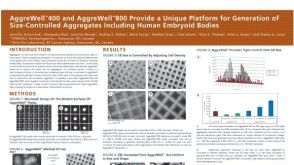 科学海报Aggrewell™400 and Aggrewell™800 Provide a Unique Platform for Generation of Size-Controlled Aggregates Including Human Embryoid Bodies
 沪公网安备31010102008431号