S. Cao et al. (mar 2019)
Science advances 5 3 eaav6322
Hybrid nanocarriers incorporating mechanistically distinct drugs for lymphatic CD4+ T cell activation and HIV-1 latency reversal.
A proposed strategy to cure HIV uses latency-reversing agents (LRAs) to reactivate latent proviruses for purging HIV reservoirs. A variety of LRAs have been identified,but none has yet proven effective in reducing the reservoir size in vivo. Nanocarriers could address some major challenges by improving drug solubility and safety,providing sustained drug release,and simultaneously delivering multiple drugs to target tissues and cells. Here,we formulated hybrid nanocarriers that incorporate physicochemically diverse LRAs and target lymphatic CD4+ T cells. We identified one LRA combination that displayed synergistic latency reversal and low cytotoxicity in a cell model of HIV and in CD4+ T cells from virologically suppressed patients. Furthermore,our targeted nanocarriers selectively activated CD4+ T cells in nonhuman primate peripheral blood mononuclear cells as well as in murine lymph nodes,and substantially reduced local toxicity. This nanocarrier platform may enable new solutions for delivering anti-HIV agents for an HIV cure.
View Publication
产品类型:
产品号#:
17952
17952RF
100-0696
产品名:
EasySep™人CD4+ T细胞分选试剂盒
RoboSep™ 人CD4+ T细胞分选试剂盒
EasySep™人CD4+ T细胞分离试剂盒
A. Zheng et al. ( 2022)
Frontiers in immunology 13 829391
Sustained Drug Release From Liposomes for the Remodeling of Systemic Immune Homeostasis and the Tumor Microenvironment.
Myeloid Derived Suppressor Cells (MDSCs) play important roles in constituting the immune suppressive environment promoting cancer development and progression. They are consisted of a heterogeneous population of immature myeloid cells including polymorphonuclear MDSC (PMN-MDSC) and monocytes MDSC (M-MDSC) that are found in both the systemic circulation and in the tumor microenvironment (TME). While previous studies had shown that all-trans retinoic acid (ATRA) could induce MDSC differentiation and maturation,the very poor solubility and fast metabolism of the drug limited its applications as an immune-modulator for cancer immunotherapy. We aimed in this study to develop a drug encapsulated liposome formulation L-ATRA with sustained release properties and examined the immuno-modulation effects. We showed that the actively loaded L-ATRA achieved stable encapsulation and enabled controlled drug release and accumulation in the tumor tissues. In vivo administration of L-ATRA promoted the remodeling of the systemic immune homeostasis as well as the tumor microenvironment. They were found to promote MDSCs maturation into DCs and facilitate immune responses against cancer cells. When used as a single agent treatment,L-ATRA deterred tumor growth,but only in immune-competent mice. In mice with impaired immune functions,L-ATRA at the same dose was not effective. When combined with checkpoint inhibitory agents,L-ATRA resulted in greater anti-cancer activities. Thus,L-ATRA may present a new IO strategy targeting the MDSCs that needs be further explored for improving the immunotherapy efficacy in cancer.
View Publication
产品类型:
产品号#:
18000
18970
20144
18970RF
产品名:
EasySep™磁极
EasySep™小鼠CD11b正选试剂盒II
EasySep™缓冲液
RoboSep™ 小鼠CD11b正选试剂盒II
Y. Liang et al. ( 2022)
Theranostics 12 18 7729--7744
Self-assembly of X-shaped antibody to combine the activity of IgG and IgA for enhanced tumor killing.
Rationale: IgA can induce activation of neutrophils which are the most abundant cell type in blood,but the development of IgA as therapeutic has been confounded by its short half-life and a weak ability to recruit NK cells as effector cells. Therefore,we generated an X-shaped antibody (X-body) based on the principle of molecular self-assembly that combines the activities of both IgG and IgA,which can effectively recruit and activate NK cells,macrophages,and neutrophils to kill tumor cells. Methods: X-body was generated by using a self-assembly strategy. The affinity of the X-body with the antigen and Fc receptors was tested by surface plasmon resonance. The shape of X-body was examined using negative staining transmission electron microscopy. The tumor cell killing activity of X-body was assessed in vitro and in multiple syngeneic mouse models. To explore the mechanism of X-body,tumor-infiltrating immune cells were analyzed by single-cell RNA-seq and flow cytometry. The dependence of neutrophil,macrophage,and NK cells for the X-body efficacy was confirmed by in vivo depletion of immune cell subsets. Results: The X-body versions of rituximab and trastuzumab combined the full spectrum activity of IgG and IgA and recruited NK cells,macrophages,and neutrophils as effector cells for eradication of tumor cells. Treatment with anti-hCD20 and anti-hHER2 X-bodies leads to a greater reduction in tumor burden in tumor-bearing mice compared with the IgA or IgG counterpart,and no obvious adverse effect is observed upon X-body treatment. Moreover,the X-body has a serum half-life and drug stability comparable to IgG. Conclusions: The X-body,as a myeloid-cell-centered therapeutic strategy,holds promise for the development of more effective cancer-targeting therapies than the current state of the art.
View Publication
产品类型:
产品号#:
17955
17955RF
100-0960
产品名:
EasySep™人NK细胞分选试剂盒
RoboSep™ 人NK细胞分选试剂盒
EasySep™人NK细胞分离试剂盒
(Nov 2024)
International Journal of Molecular Sciences 25 23
Human-Induced Pluripotent Stem Cell-Derived Neural Organoids as a Novel In Vitro Platform for Developmental Neurotoxicity Assessment
There has been a recent drive to replace in vivo studies with in vitro studies in the field of toxicity testing. Therefore,instead of conventional animal or planar cell culture models,there is an urgent need for in vitro systems whose conditions can be strictly controlled,including cell–cell interactions and sensitivity to low doses of chemicals. Neural organoids generated from human-induced pluripotent stem cells (iPSCs) are a promising in vitro platform for modeling human brain development. In this study,we developed a new tool based on various iPSCs to study and predict chemical-induced toxicity in humans. The model displayed several neurodevelopmental features and showed good reproducibility,comparable to that of previously published models. The results revealed that basic fibroblast growth factor plays a key role in the formation of the embryoid body,as well as complex neural networks and higher-order structures such as layered stacking. Using organoid models,pesticide toxicities were assessed. Cells treated with low concentrations of rotenone underwent apoptosis to a greater extent than those treated with high concentrations of rotenone. Morphological changes associated with the development of neural progenitor cells were observed after exposure to low doses of chlorpyrifos. These findings suggest that the neuronal organoids developed in this study mimic the developmental processes occurring in the brain and nerves and are a useful tool for evaluating drug efficacy,safety,and toxicity.
View Publication
产品类型:
产品号#:
100-0276
100-1130
产品名:
mTeSR™ Plus
mTeSR™ Plus
(Dec 2024)
Nature Communications 15
Selectively targeting the AdipoR2-CaM-CaMKII-NOS3 axis by SCM-198 as a rapid-acting therapy for advanced acute liver failure
Acute liver failure (ALF) is a hepatology emergency with rapid hepatic destruction,multiple organ failures,and high mortality. Despite decades of research,established ALF has minimal therapeutic options. Here,we report that the small bioactive compound SCM-198 increases the survival of male ALF mice to 100%,even administered 24?hours after ALF establishment. We identify adiponectin receptor 2 (AdipoR2) as a selective target of SCM-198,with the AdipoR2 R335 residue being critical for the binding and signaling of SCM-198-AdipoR2 and AdipoR2 Y274 residue serving as a molecular switch for Ca2+ influx. SCM-198-AdipoR2 binding causes Ca2+ influx and elevates the phosphorylation levels of CaMKII and NOS3 in the AdipoR2-CaM-CaMKII-NOS3 complex identified in this study,rapidly inducing nitric oxide production for liver protection in murine ALF. SCM-198 also protects human ESC-derived liver organoids from APAP/TAA injuries. Thus,selectively targeting the AdipoR2-CaM-CaMKII-NOS3 axis by SCM-198 is a rapid-acting therapeutic strategy for advanced ALF. Late-stage acute liver failure (ALF) has limited therapies. The authors show that the bioactive compound SCM-198 extends the ALF treatment window from 3 to 24?hours in mice by selectively targeting the identified AdipoR2-CaM-CaMKII-NOS3-NO axis.
View Publication
产品类型:
产品号#:
85850
85857
产品名:
mTeSR™1
mTeSR™1
(Jun 2025)
Bio-protocol 15 12
A Hybrid 2D/3D Approach for Neural Differentiation Into Telencephalic Organoids and Efficient Modulation of FGF8 Signaling
Human brain development relies on a finely tuned balance between the proliferation and differentiation of neural progenitor cells,followed by the migration,differentiation,and connectivity of post-mitotic neurons with region-specific identities. These processes are orchestrated by gradients of morphogens,such as FGF8. Disruption of this developmental balance can lead to brain malformations,which underlie a range of complex neurodevelopmental disorders,including epilepsy,autism,and intellectual disabilities. Studying the early stages of human brain development,whether under normal or pathological conditions,remains challenging due to ethical and technical limitations inherent to working with human fetal tissue. Recently,human brain organoids have emerged as a powerful in vitro alternative,allowing researchers to model key aspects of early brain development while circumventing many of these constraints. Unlike traditional 2D cultures,where neural progenitors and neurons are grown on flat surfaces,3D organoids form floating self-organizing aggregates that better replicate the cellular diversity and tissue architecture of the developing brain. However,3D organoid protocols often suffer from significant variability between batches and individual organoids. Furthermore,few existing protocols directly manipulate key morphogen signaling pathways or provide detailed analyses of the resulting effects on regional brain patterning. • To address these limitations,we developed a hybrid 2D/3D approach for the rapid and efficient induction of telencephalic organoids that recapitulate major steps of anterior brain development. Starting from human induced pluripotent stem cells (hiPSCs),our protocol begins with 2D neural induction using small-molecule inhibitors to achieve fast and homogenous production of neural progenitors (NPs). After dissociation,NPs are reaggregated in Matrigel droplets and cultured in spinning mini-bioreactors,where they self-organize into neural rosettes and neuroepithelial structures,surrounded by differentiating neurons. Activation of the FGF signaling pathway through the controlled addition of FGF8 to the culture medium will modulate regional identity within developing organoids,leading to the formation of distinct co-developing domains within a single organoid. Our protocol combines the speed and reproducibility of 2D induction with the structural and cellular complexity of 3D telencephalic organoids. The ability to manipulate signaling pathways provides an additional opportunity to further increase system complexity,enabling the simultaneous development of multiple distinct brain regions within a single organoid. This versatile system facilitates the study of key cellular and molecular mechanisms driving early human brain development across both telencephalic and non-telencephalic areas. Key features • This protocol builds on the method established by Chambers et al. [1] for generating 2D neural progenitors,followed by dissociation and reaggregation into 3D brain organoids. • For optimal growth and maturation,telencephalic organoids are cultured in spinning mini-bioreactors [2] or on orbital shakers. • The protocol enables the generation of telencephalic neural progenitors in 10 days and produces 3D telencephalic organoids containing neocortical neurons within one month of culture. • Addition of morphogens in the culture medium (example: FGF8) enhances cellular heterogeneity,promoting the emergence of distinct brain domains within a single organoid.
View Publication
产品类型:
产品号#:
100-0276
100-1130
85850
85857
产品名:
mTeSR™ Plus
mTeSR™ Plus
mTeSR™1
mTeSR™1
(Feb 2025)
Cancer Medicine 14 5
CAR‐T Cell Manufacturing for Hematological and Solid Tumors: From the Preclinical to Clinical Point of View
ABSTRACTCell therapy based on chimeric antigen receptor (CAR) T cells has represented a revolutionary new approach for treating tumors,especially hematological diseases. Complete remission rates (CRR) > 80%–97% and 50%–90% overall response rates (ORR) have been achieved with a treatment based on CAR‐T cells in patients with malignant B‐cell tumors that have relapsed or are refractory to previous treatments. Toxicity remains the major problem. Most patients treated with CAR‐T cells develop high‐grade cytokine release syndrome (CRS) and immune effector cell‐associated neurotoxicity syndrome (ICANS). However,the unprecedentedly high CRR and ORR have led to the approval of six CAR‐T cell therapeutics by the Food and Drug Administration (FDA) and the European Medicines Agency (EMA),prompting researchers to improve existing products and develop new ones. By now,around 1000 clinical trials based on CAR‐T cells are registered at ClinicalTrials.gov: 82% are for hematological diseases,while the remaining 16% are for solid tumors. As a result of this increased research,an enormous amount of conflicting information has been accumulated in the literature,and each group follows its manufacturing protocols and performs specific in vitro testing. This review aimed to combine and compare clinical and preclinical information,highlighting the most used protocols to provide a comprehensive overview of the in vitro world of CAR‐T cells,from manufacturing to their characterization. The focus is on all steps of the CAR‐T cell manufacturing process,from the collection of patient or donor blood to the enrichment of T cells,their activation with anti‐CD3/CD28 beads,interleukin‐2 (IL‐2) or IL‐7 and IL‐15 (induction of a more functional memory phenotype),and their transfection (viral or non‐viral methods). Automation is crucial for ensuring a standardized final product.
View Publication
产品类型:
产品号#:
17951
100-0695
17951RF
产品名:
EasySep™人T细胞分选试剂盒
EasySep™人T细胞分选试剂盒
RoboSep™ 人T细胞分选试剂盒
Yang et al. (Nov 2024)
PLOS ONE 19 11
Identification of small molecule agonists of fetal hemoglobin expression for the treatment of sickle cell disease
Induction of fetal hemoglobin (HbF) has been shown to be a viable therapeutic approach to treating sickle cell disease and potentially other β-hemoglobinopathies. To identify targets and target-modulating small molecules that enhance HbF expression,we engineered a human umbilical-derived erythroid progenitor reporter cell line (HUDEP2_HBG1_HiBiT) by genetically tagging a HiBiT peptide to the carboxyl (C)-terminus of the endogenous HBG1 gene locus,which codes for γ-globin protein,a component of HbF. Employing this reporter cell line,we performed a chemogenomic screen of approximately 5000 compounds annotated with known targets or mechanisms that have achieved clinical stage or approval by the US Food and Drug Administration (FDA). Among them,10 compounds were confirmed for their ability to induce HbF in the HUDEP2 cell line. These include several known HbF inducers,such as pomalidomide,lenalidomide,decitabine,idoxuridine,and azacytidine,which validate the translational nature of this screening platform. We identified avadomide,autophinib,triciribine,and R574 as novel HbF inducers from these screens. We orthogonally confirmed HbF induction activities of the top hits in both parental HUDEP2 cells as well as in human primary CD34+ hematopoietic stem and progenitor cells (HSPCs). Further,we demonstrated that pomalidomide and avadomide,but not idoxuridine,induced HbF expression through downregulation of several transcriptional repressors such as BCL11A,ZBTB7A,and IKZF1. These studies demonstrate a robust phenotypic screening workflow that can be applied to large-scale small molecule profiling campaigns for the discovery of targets and pathways,as well as novel therapeutics for sickle cell disease and other β-hemoglobinopathies.
View Publication
产品类型:
产品号#:
09600
09650
产品名:
StemSpan™ SFEM
StemSpan™ SFEM
M. Saxena et al. (sep 2020)
Cancer research 80 17 3631--3648
A Pygopus 2-Histone Interaction Is Critical for Cancer Cell Dedifferentiation and Progression in Malignant Breast Cancer.
Pygopus 2 (Pygo2) is a coactivator of Wnt/$\beta$-catenin signaling that can bind bi- or trimethylated lysine 4 of histone-3 (H3K4me2/3) and participate in chromatin reading and writing. It remains unknown whether the Pygo2-H3K4me2/3 association has a functional relevance in breast cancer progression in vivo. To investigate the functional relevance of histone-binding activity of Pygo2 in malignant progression of breast cancer,we generated a knock-in mouse model where binding of Pygo2 to H3K4me2/3 was rendered ineffective. Loss of Pygo2-histone interaction resulted in smaller,differentiated,and less metastatic tumors,due,in part,to decreased canonical Wnt/$\beta$-catenin signaling. RNA- and ATAC-sequencing analyses of tumor-derived cell lines revealed downregulation of TGF$\beta$ signaling and upregulation of differentiation pathways such as PDGFR signaling. Increased differentiation correlated with a luminal cell fate that could be reversed by inhibition of PDGFR activity. Mechanistically,the Pygo2-histone interaction potentiated Wnt/$\beta$-catenin signaling,in part,by repressing the expression of Wnt signaling antagonists. Furthermore,Pygo2 and $\beta$-catenin regulated the expression of miR-29 family members,which,in turn,repressed PDGFR expression to promote dedifferentiation of wild-type Pygo2 mammary epithelial tumor cells. Collectively,these results demonstrate that the histone binding function of Pygo2 is important for driving dedifferentiation and malignancy of breast tumors,and loss of this binding activates various differentiation pathways that attenuate primary tumor growth and metastasis formation. Interfering with the Pygo2-H3K4me2/3 interaction may therefore serve as an attractive therapeutic target for metastatic breast cancer. SIGNIFICANCE: Pygo2 represents a potential therapeutic target in metastatic breast cancer,as its histone-binding capability promotes $\beta$-catenin-mediated Wnt signaling and transcriptional control in breast cancer cell dedifferentiation,EMT,and metastasis.
View Publication


 EasySep™小鼠TIL(CD45)正选试剂盒




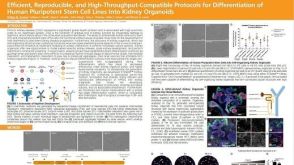 科学海报Efficient, Reproducible and High-Throughput-Compatible Protocols for Differentiation of Human Pluripotent Stem Cell Lines Into Kidney Organoids
 技术公告The CFU Assay in Preclinical Toxicity Testing: An In Vitro Tool for Predicting In Vivo Cytopenia

 沪公网安备31010102008431号