Lassailly F et al. (JUL 2010)
Blood 115 26 5347--54
Microenvironmental contaminations" induced by fluorescent lipophilic dyes used for noninvasive in vitro and in vivo cell tracking."
Determining how normal and leukemic stem cells behave in vivo,in a dynamic and noninvasive way,remains a major challenge. Most optical tracking technologies rely on the use of fluorescent or bioluminescent reporter genes,which need to be stably expressed in the cells of interest. Because gene transfer in primary leukemia samples represents a major risk to impair their capability to engraft in a xenogenic context,we evaluated the possibility to use gene transfer-free labeling technologies. The lipophilic dye 3,3,3',3' tetramethylindotricarbocyanine iodide (DiR) was selected among 4 near-infrared (NIR) staining technologies. Unfortunately we report here a massive transfer of the dye occurring toward the neighbor cells both in vivo and in vitro. We further demonstrate that all lipophilic dyes tested in this study (1,1'-dioctadecyl-3,3,3',3'-tetramethylindotricarbocyanine perchlorate [DiI],DiD,DiR,and PKH26) can give rise to microenvironmental contamination,including when used in suboptimal concentration,after extensive washing procedures and in the absence of phagocytosis or marked cell death. This was observed from all cell types tested. Eventually,we show that this microenvironmental contamination is mediated by both direct cell-cell contacts and diffusible microparticles. We conclude that tracking of labeled cells using non-genetically encoded markers should always be accompanied by drastic cross validation using multimodality approaches.
View Publication
产品类型:
产品号#:
09600
09650
产品名:
StemSpan™ SFEM
StemSpan™ SFEM
Smith D et al. (JAN 2016)
Biotechnology progress 32 1 215--223
Automated image analysis with the potential for process quality control applications in stem cell maintenance and differentiation.
The translation of laboratory processes into scaled production systems suitable for manufacture is a significant challenge for cell based therapies; in particular there is a lack of analytical methods that are informative and efficient for process control. Here the potential of image analysis as one part of the solution to this issue is explored,using pluripotent stem cell colonies as a valuable and challenging exemplar. The Cell-IQ live cell imaging platform was used to build image libraries of morphological culture attributes such as colony edge�
View Publication
产品类型:
产品号#:
07923
85850
85857
产品名:
Dispase (1 U/mL)
mTeSR™1
mTeSR™1
(May 2025)
GigaScience 14 3
Lifting the curse from high-dimensional data: automated projection pursuit clustering for a variety of biological data modalities
AbstractUnsupervised clustering is a powerful machine-learning technique widely used to analyze high-dimensional biological data. It plays a crucial role in uncovering patterns,structures,and inherent relationships within complex datasets without relying on predefined labels. In the context of biology,high-dimensional data may include transcriptomics,proteomics,and a variety of single-cell omics data. Most existing clustering algorithms operate directly in the high-dimensional space,and their performance may be negatively affected by the phenomenon known as the curse of dimensionality. Here,we show an alternative clustering approach that alleviates the curse by sequentially projecting high-dimensional data into a low-dimensional representation. We validated the effectiveness of our approach,named automated projection pursuit (APP),across various biological data modalities,including flow and mass cytometry data,scRNA-seq,multiplex imaging data,and T-cell receptor repertoire data. APP efficiently recapitulated experimentally validated cell-type definitions and revealed new biologically meaningful patterns.
View Publication
产品类型:
产品号#:
19654
19058
19058RF
100-1525
19654RF
产品名:
EasySep™ Direct 人 PBMC 分选试剂盒
EasySep™人单核细胞富集试剂盒(不去除CD16)
RoboSep™ 人单核细胞富集试剂盒(不去除CD16)含滤芯吸头
EasySep™人单核细胞富集试剂盒(不去除CD16)
RoboSep™ Direct 人 PBMC 分选试剂盒
S. N. Quayle et al. (apr 2020)
Clinical cancer research : an official journal of the American Association for Cancer Research 26 8 1953--1964
CUE-101, a Novel E7-pHLA-IL2-Fc Fusion Protein, Enhances Tumor Antigen-Specific T-Cell Activation for the Treatment of HPV16-Driven Malignancies.
PURPOSE To assess the potential for CUE-101,a novel therapeutic fusion protein,to selectively activate and expand HPV16 E711-20-specific CD8+ T cells as an off-the shelf therapy for the treatment of HPV16-driven tumors,including head and neck squamous cell carcinoma (HNSCC),cervical,and anal cancers. EXPERIMENTAL DESIGN CUE-101 is an Fc fusion protein composed of a human leukocyte antigen (HLA) complex,an HPV16 E7 peptide epitope,reduced affinity human IL2 molecules,and an effector attenuated human IgG1 Fc domain. Human E7-specific T cells and human peripheral blood mononuclear cells (PBMC) were tested to demonstrate cellular activity and specificity of CUE-101,whereas in vivo activity of CUE-101 was assessed in HLA-A2 transgenic mice. Antitumor efficacy with a murine surrogate (mCUE-101) was tested in the TC-1 syngeneic tumor model. RESULTS CUE-101 demonstrates selective binding,activation,and expansion of HPV16 E711-20-specific CD8+ T cells from PBMCs relative to nontarget cells. Intravenous administration of CUE-101 induced selective expansion of HPV16 E711-20-specific CD8+ T cells in HLA-A2 (AAD) transgenic mice,and anticancer efficacy and immunologic memory was demonstrated in TC-1 tumor-bearing mice treated with mCUE-101. Combination therapy with anti-PD-1 checkpoint blockade further enhanced the observed efficacy. CONCLUSIONS Consistent with its design,CUE-101 demonstrates selective expansion of an HPV16 E711-20-specific population of cytotoxic CD8+ T cells,a favorable safety profile,and in vitro and in vivo evidence supporting its potential for clinical efficacy in an ongoing phase I trial (NCT03978689).
View Publication
Li Y et al. (FEB 2007)
Journal of immunology (Baltimore,Md. : 1950) 178 3 1938--47
Phosphorylated ERM is responsible for increased T cell polarization, adhesion, and migration in patients with systemic lupus erythematosus.
Systemic lupus erythematosus (SLE) is an autoimmune/inflammatory disease characterized by autoantibody production and abnormal T cells that infiltrate tissues through not well-known mechanisms. We report that SLE T lymphocytes display increased levels of CD44,ezrin,radixin,and moesin (ERM) phosphorylation,stronger actin polymerization,higher polar cap formation,and enhanced adhesion and chemotactic migration compared with T cells from patients with rheumatoid arthritis and normal individuals. Silencing of CD44 by CD44 small interfering RNA in SLE T cells inhibited significantly their ability to adhere and migrate as did treatment with Rho kinase and actin polymerization inhibitors. Forced expression of T567D-ezrin,a phosphorylation-mimic form,enhanced remarkably the adhesion and migration rate of normal T cells. Anti-CD3/TCR autoantibodies present in SLE sera caused increased ERM phosphorylation,adhesion,and migration in normal T cells. pERM and CD44 are highly expressed in T cells infiltrating in the kidneys of patients with lupus nephritis. These data prove that increased ERM phosphorylation represents a key molecular abnormality that guides T cell adhesion and migration in SLE patients.
View Publication
产品类型:
产品号#:
15021
15061
产品名:
RosetteSep™人T细胞富集抗体混合物
RosetteSep™人T细胞富集抗体混合物
Hattermann K et al. (MAY 2007)
FASEB journal : official publication of the Federation of American Societies for Experimental Biology 21 7 1575--85
The Toll-like receptor 7/8-ligand resiquimod (R-848) primes human neutrophils for leukotriene B4, prostaglandin E2 and platelet-activating factor biosynthesis.
Toll-like receptors (TLR) recognize pathogen-associated molecular patterns and play important roles in the innate immune system. While single-stranded viral RNA is the natural ligand of TLR7/TLR8,the imidazoquinoline resiquimod (R-848) is recognized as a potent synthetic agonist of TLR7/TLR8. We investigated the effects of TLR7/8 activation on lipid mediator production in polymorphonuclear leukocytes exposed to R-848. Although R-848 had minimal effects by itself,it strongly enhanced leukotriene B4 formation on subsequent stimulation by fMLP,platelet-activating factor,and the ionophore A23187. R-848 acted via TLR8 but not TLR7 as shown by the lack of effect of the TLR7-specific ligand imiquimod. Priming with R-848 also resulted in enhanced arachidonic acid release and platelet-activating factor formation following fMLP stimulation,as well as enhanced prostaglandin E2 synthesis following the addition of arachidonic acid. Western blot analysis demonstrated that R-848 induced the phosphorylation of the cytosolic phospholipase A2alpha,promoted 5-lipoxygenase translocation and potently stimulated the expression of the type 2 cyclooxygenase. Bafilomycin A1,an inhibitor of endosomal acidification,efficiently inhibited all R-848-induced effects. These studies demonstrate that TLR8 signaling strongly promotes inflammatory lipid mediator biosynthesis and provide novel insights on innate immune response to viral infections.
View Publication
产品类型:
产品号#:
73782
73784
产品名:
R848
R848
Liu C et al. (DEC 2010)
Blood 116 25 5518--27
Progenitor cell dose determines the pace and completeness of engraftment in a xenograft model for cord blood transplantation.
Two critical concerns in clinical cord blood transplantation are the initial time to engraftment and the subsequent restoration of immune function. These studies measured the impact of progenitor cell dose on both the pace and strength of hematopoietic reconstitution by transplanting nonobese diabetic/severe combined immunodeficiency/interleukin-2 receptor-gamma-null (NSγ) mice with lineage-depleted aldehyde dehydrogenase-bright CD34(+) human cord blood progenitors. The progress of each transplant was monitored over an extended time course by repeatedly analyzing the peripheral blood for human hematopoietic cells. In vivo human hematopoietic development was complete. After long-term transplantation assays (≥ 19 weeks),human T-cell development was documented within multiple tissues in 16 of 32 NSγ mice. Human T-cell differentiation was active within NSγ thymuses,as documented by the presence of CD4(+) CD8(+) T-cell progenitors as well as T-cell receptor excision circles. It is important to note that although myeloid and B-cell engraftment was detected as early as 4 weeks after transplantation,human T-cell development was exclusively late onset. High progenitor cell doses were associated with a robust human hematopoietic chimerism that accelerated both initial time to engraftment and subsequent T-cell development. At lower progenitor cell doses,the chimerism was weak and the human hematopoietic lineage development was frequently incomplete.
View Publication
产品类型:
产品号#:
01700
01702
01705
28600
产品名:
ALDEFLUOR™ 试剂盒
ALDEFLUOR™测定缓冲液
ALDEFLUOR™ DEAB试剂
L-Calc™有限稀释软件
Aufderheide M et al. (JAN 2015)
Experimental and Toxicologic Pathology 68 1 1--11
A new computer-controlled air–liquid interface cultivation system for the generation of differentiated cell cultures of the airway epithelium
The increased application of in vitro systems in pharmacology and toxicology requires cell culture systems that facilitate the cultivation process and ensure stable,reproducible and controllable cultivation conditions. Up to now,some devices have been developed for the cultivation of cells under submersed conditions. However,systems meeting the requirements of an air-liquid interface (ALI) cultivation for the special needs of bronchial epithelial cells for example are still lacking. In order to obtain in vivo like organization and differentiation of these cells they need to be cultivated under ALI conditions on microporous membranes in direct contact with the environmental atmosphere. For this purpose,a Long-Term-Cultivation system was developed (CULTEX(®) LTC-C system) for the computer-controlled cultivation of such cells. The transwell inserts are placed in an incubator module (24 inserts),which can be adjusted for the medium level (ultrasonic pulse-echosensor),time and volume-dependent medium exchange,and frequency for mixing the medium with a rotating disc for homogeneous distribution of medium and secretion components. Normal primary freshly isolated bronchial epithelial cells were cultivated for up to 38 days to show the efficiency of such a cultivation procedure for generating 3D cultures exhibiting in vivo-like pseudostratified organization of the cells as well as differentiation characteristics like mucus-producing and cilia-forming cells.
View Publication
产品类型:
产品号#:
05001
05021
05022
产品名:
PneumaCult™-ALI 培养基
PneumaCult™-ALI 培养基含12 mm Transwell®插件
PneumaCult™-ALI 培养基含6.5 mm Transwell®插件
Chan LY-T et al. (FEB 2012)
Tissue Engineering Part C: Methods 19 2 120914060918004
Normalized Median Fluorescence: An Alternative Flow Cytometry Analysis Method for Tracking Human Embryonic Stem Cell States During Differentiation
Human embryonic stem cells (hESCs) are a promising cell source for tissue engineering and regenerative medicine,but before they can be used in therapies,we must be able to accurately identify the state and progeny of hESCs. One of the most commonly used methods for identification is flow cytometry. Many flow cytometry applications use antibodies to detect the amount of antigen present on/in a cell. This allows for the identification of unique cell populations or the tracking of expression changes within a population during differentiation. The results are typically presented as a percentage of positively expressing cells (%Pos) for a marker of choice,relative to a negative control. However,this reporting term is vulnerable to distortion from outliers and inaccuracy from loss of information about the population's fluorescence intensity. In this article,we describe an alternate strategy that uses the normalized median fluorescence intensity (nMFI),in which the MFI of the stained sample is normalized to the MFI of the negative control,as the reporting term to more accurately describe a population of cells in culture. We observed that nMFI provides a more accurate representation for the quality of a starting population and comparing data of different experimental runs. In addition,we demonstrated that the nMFI is a more sensitive measure of pluripotent and differentiation markers expression changes during hESC differentiation into three germ layer lineages.
View Publication
A two-dimensionally coincident second difference cosmic ray spike removal method for the fully automated processing of Raman spectra.
Charge-coupled device detectors are vulnerable to cosmic rays that can contaminate Raman spectra with positive going spikes. Because spikes can adversely affect spectral processing and data analyses,they must be removed. Although both hardware-based and software-based spike removal methods exist,they typically require parameter and threshold specification dependent on well-considered user input. Here,we present a fully automated spike removal algorithm that proceeds without requiring user input. It is minimally dependent on sample attributes,and those that are required (e.g.,standard deviation of spectral noise) can be determined with other fully automated procedures. At the core of the method is the identification and location of spikes with coincident second derivatives along both the spectral and spatiotemporal dimensions of two-dimensional datasets. The method can be applied to spectra that are relatively inhomogeneous because it provides fairly effective and selective targeting of spikes resulting in minimal distortion of spectra. Relatively effective spike removal obtained with full automation could provide substantial benefits to users where large numbers of spectra must be processed.
View Publication


 EasySep™小鼠TIL(CD45)正选试剂盒




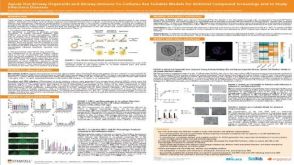 科学海报Apical-Out Airway Organoids and Airway-Immune Co-Cultures Are Suitable Models for Antiviral Compound Screenings and to Study Infectious Diseases

 沪公网安备31010102008431号