Ricci A et al. (JUN 2013)
Cell cycle (Georgetown,Tex.) 12 11 1696--1703
TrkB is responsible for EMT transition in malignant pleural effusions derived cultures from adenocarcinoma of the lung.
Lung cancer is the leading cause of cancer-related mortality worldwide. Recent evidence indicates that tumors contain a subpopulation of cancer stem cells (CSCs) that are responsible for tumor maintenance and spread. CSCs have recently been linked to the occurrence of epithelial-to-mesenchymal transition (EMT). Neurotrophins (NTs) are growth factors that regulate the biology of embryonic stem cells and cancer cells,but still little is known about the role NTs in the progression of lung cancer. In this work,we investigated the role of the NTs and their receptors using as a study system primary cell cultures derived from malignant pleural effusions (MPEs) of patients with adenocarcinoma of the lung. We assessed the expression of NTs and their receptors in MPE-derived adherent cultures vs. spheroids enriched in CSC markers. We observed in spheroids a selectively enhanced expression of TrkB,both at the mRNA and protein levels. Both K252a,a known inhibitor of Trk activity,and a siRNA against TrkB strongly affected spheroid morphology,induced anoikis and decreased spheroid forming efficiency. Treatment with neurotrophins reversed the inhibitory effect of K252a. Importantly,TrkB inhibition caused loss of vimentin expression as well as that of a set of transcription factors known to be linked to EMT. These ex vivo results nicely correlated with an inverse relationship between TrkB and E-cadherin expression measured by immunohistochemistry in a panel of lung adenocarcinoma samples. We conclude that TrkB is involved in full acquisition of EMT in lung cancer,and that its inhibition results in a less aggressive phenotype.
View Publication
产品类型:
产品号#:
01700
01705
01702
产品名:
ALDEFLUOR™ 试剂盒
ALDEFLUOR™ DEAB试剂
ALDEFLUOR™测定缓冲液
(Sep 2024)
Human Genetics and Genomics Advances 5 4
Non-coding cause of congenital heart defects: Abnormal RNA splicing with multiple isoforms as a mechanism for heterotaxy
SummaryHeterotaxy is a disorder characterized by severe congenital heart defects (CHDs) and abnormal left-right patterning in other thoracic or abdominal organs. Clinical and research-based genetic testing has previously focused on evaluation of coding variants to identify causes of CHDs,leaving non-coding causes of CHDs largely unknown. Variants in the transcription factor zinc finger of the cerebellum 3 (ZIC3) cause X-linked heterotaxy. We identified an X-linked heterotaxy pedigree without a coding variant in ZIC3. Whole-genome sequencing revealed a deep intronic variant (ZIC3 c.1224+3286A>G) predicted to alter RNA splicing. An in vitro minigene splicing assay confirmed the variant acts as a cryptic splice acceptor. CRISPR-Cas9 served to introduce the ZIC3 c.1224+3286A>G variant into human embryonic stem cells demonstrating pseudoexon inclusion caused by the variant. Surprisingly,Sanger sequencing of the resulting ZIC3 c.1224+3286A>G amplicons revealed several isoforms,many of which bypass the normal coding sequence of the third exon of ZIC3,causing a disruption of a DNA-binding domain and a nuclear localization signal. Short- and long-read mRNA sequencing confirmed these initial results and identified additional splicing patterns. Assessment of four isoforms determined abnormal functions in vitro and in vivo while treatment with a splice-blocking morpholino partially rescued ZIC3. These results demonstrate that pseudoexon inclusion in ZIC3 can cause heterotaxy and provide functional validation of non-coding disease causation. Our results suggest the importance of non-coding variants in heterotaxy and the need for improved methods to identify and classify non-coding variation that may contribute to CHDs. Coding variants in the transcription factor ZIC3 cause X-linked heterotaxy,a laterality defect causing congenital anomalies. Functional genomic analyses of a ZIC3 intronic variant identified in an X-linked heterotaxy pedigree demonstrated pseudoexon inclusion leading to RNA-splicing disruption,highlighting the importance of whole-genome sequencing to identify potential disease-causing variants.
View Publication
产品类型:
产品号#:
85850
85857
产品名:
mTeSR™1
mTeSR™1
Dambrot C et al. (OCT 2014)
Experimental Cell Research 327 2 297--306
Strategies for rapidly mapping proviral integration sites and assessing cardiogenic potential of nascent human induced pluripotent stem cell clones
Recent methodological advances have improved the ease and efficiency of generating human induced pluripotent stem cells (hiPSCs),but this now typically results in a greater number of hiPSC clones being derived than can be wholly characterized. It is therefore imperative that methods are developed which facilitate rapid selection of hiPSC clones most suited for the downstream research aims. Here we describe a combination of procedures enabling the simultaneous screening of multiple clones to determine their genomic integrity as well as their cardiac differentiation potential within two weeks of the putative reprogrammed colonies initially appearing. By coupling splinkerette-PCR with Ion Torrent sequencing,we could ascertain the number and map the proviral integration sites in lentiviral-reprogrammed hiPSCs. In parallel,we developed an effective cardiac differentiation protocol that generated functional cardiomyocytes within 10 days without requiring line-specific optimization for any of the six independent human pluripotent stem cell lines tested. Finally,to demonstrate the scalable potential of these procedures,we picked 20 nascent iPSC clones and performed these independent assays concurrently. Before the clones required passaging,we were able to identify clones with a single integrated copy of the reprogramming vector and robust cardiac differentiation potential for further analysis.
View Publication
产品类型:
产品号#:
85850
85857
产品名:
mTeSR™1
mTeSR™1
Shetty DK and Inamdar MS (MAR 2016)
Stem Cell Research 16 2 207--209
Generation of a heterozygous knockout human embryonic stem cell line for the OCIAD1 locus using CRISPR/CAS9 mediated targeting: BJNhem20-OCIAD1-CRISPR-20.
Ovarian carcinoma immuno-reactive antigen domain containing 1(OCIAD1) single copy was knocked out generating an OCIAD1 heterozygous knockout human embryonic stem line named BJNhem20-OCIAD1-CRISPR-20. The line was generated using CRISPR-Cas9D10A double nickase knockout strategy (Mali et al.,2013).
View Publication
产品类型:
产品号#:
85850
85857
产品名:
mTeSR™1
mTeSR™1
Feldmann G et al. (MAR 2007)
Cancer research 67 5 2187--96
Blockade of hedgehog signaling inhibits pancreatic cancer invasion and metastases: a new paradigm for combination therapy in solid cancers.
In the context of pancreatic cancer,metastasis remains the most critical determinant of resectability,and hence survival. The objective of this study was to determine whether Hedgehog (Hh) signaling plays a role in pancreatic cancer invasion and metastasis because this is likely to have profound clinical implications. In pancreatic cancer cell lines,Hh inhibition with cyclopamine resulted in down-regulation of snail and up-regulation of E-cadherin,consistent with inhibition of epithelial-to-mesenchymal transition,and was mirrored by a striking reduction of in vitro invasive capacity (P textless 0.0001). Conversely,Gli1 overexpression in immortalized human pancreatic ductal epithelial cells led to a markedly invasive phenotype (P textless 0.0001) and near total down-regulation of E-cadherin. In an orthotopic xenograft model,cyclopamine profoundly inhibited metastatic spread; only one of seven cyclopamine-treated mice developed pulmonary micrometastases versus seven of seven mice with multiple macrometastases in control animals. Combination of gemcitabine and cyclopamine completely abrogated metastases while also significantly reducing the size of primary" tumors. Gli1 levels were up-regulated in tissue samples of metastatic human pancreatic cancer samples compared with matched primary tumors. Aldehyde dehydrogenase (ALDH) overexpression is characteristic for both hematopoietic progenitors and leukemic stem cells; cyclopamine preferentially reduced "ALDH-high" cells by approximately 3-fold (P = 0.048). We confirm pharmacologic Hh pathway inhibition as a valid therapeutic strategy for pancreatic cancer and show for the first time its particular efficacy against metastatic spread. By targeting specific cellular subpopulations likely involved in tumor initiation at metastatic sites�
View Publication
产品类型:
产品号#:
01700
01702
01705
产品名:
ALDEFLUOR™ 试剂盒
ALDEFLUOR™测定缓冲液
ALDEFLUOR™ DEAB试剂
Agosti V et al. (MAR 2004)
The Journal of experimental medicine 199 6 867--78
Critical role for Kit-mediated Src kinase but not PI 3-kinase signaling in pro T and pro B cell development.
The Kit receptor functions in hematopoiesis,lymphocyte development,gastrointestinal tract motility,melanogenesis,and gametogenesis. To investigate the roles of different Kit signaling pathways in vivo,we have generated knock-in mice in which docking sites for PI 3-kinase (KitY719) or Src kinase (KitY567) have been mutated. Whereas steady-state hematopoiesis is normal in KitY719F/Y719F and KitY567F/Y567F mice,lymphopoiesis is affected differentially. The KitY567F mutation,but not the KitY719F mutation,blocks pro T cell and pro B cell development in an age-dependent manner. Thus,the Src family kinase,but not the PI 3-kinase docking site in Kit,mediates a critical signal for lymphocyte development. In agreement with these results,treatment of normal mice with the Kit tyrosine kinase inhibitor imatinib (Gleevec) leads to deficits in pro T and pro B cell development,similar to those seen in KitY567F/Y567F and KitW/W mice. The two mutations do not affect embryonic gametogenesis but the KitY719F mutation blocks spermatogenesis at the spermatogonial stages and in contrast the KitY567F mutation does not affect this process. Therefore,Kit-mediated PI 3-kinase signaling and Src kinase family signaling is highly specific for different cellular contexts in vivo.
View Publication
产品类型:
产品号#:
09600
09650
产品名:
StemSpan™ SFEM
StemSpan™ SFEM
F. Ye et al. (Feb 2025)
Frontiers in Immunology 16
AWT020: a novel fusion protein harnessing PD-1 blockade and selective IL-2 Cis-activation for enhanced anti-tumor immunity and diminished toxicity
The clinical success of the immune checkpoint inhibitor (ICI) targeting programmed cell death protein 1 (PD-1) has revolutionized cancer treatment. However,the full potential of PD-1 blockade therapy remains unrealized,as response rates are still low across many cancer types. Interleukin-2 (IL-2)-based immunotherapies hold promise,as they can stimulate robust T cell expansion and enhance effector function - activities that could synergize potently with PD-1 blockade. Yet,IL-2 therapies also carry a significant drawback: they can trigger severe systemic toxicities and induce immune suppression by expanding regulatory T cells. To overcome the challenges of PD-1 blockade and IL-2 therapies while enhancing safety and efficacy,we have engineered a novel fusion protein,AWT020,combining a humanized anti-PD-1 nanobody and an engineered IL-2 mutein (IL-2c). The IL-2c component of AWT020 has been engineered to exhibit no binding to the IL-2 receptor alpha (IL-2Rα) subunit and attenuated affinity for the IL-2 receptor beta and gamma (IL-2Rβγ) complex,aiming to reduce systemic immune cell activation,thereby mitigating the severe toxicity often associated with IL-2 therapies. The anti-PD-1 antibody portion of AWT020 serves a dual purpose: it precisely delivers the IL-2c payload to tumor-infiltrating T cells while blocking the immune-inhibitory signals mediated by the PD-1 pathway. AWT020 showed significantly enhanced pSTAT5 signaling in PD-1 expressing cells and promoted the proliferation of activated T cells over natural killer (NK) cells. In preclinical studies using both anti-PD-1-sensitive and -resistant mouse tumor models,the mouse surrogate of AWT020 (mAWT020) demonstrated markedly enhanced anti-tumor efficacy compared to an anti-PD-1 antibody,IL-2,or the combination of an anti-PD-1 antibody and IL-2. In addition,the mAWT020 treatment was well-tolerated,with minimal signs of toxicity. Immune profiling revealed that mAWT020 preferentially expands CD8 + T cells within tumors,sparing peripheral T and NK cells. Notably,this selective tumoral T-cell stimulation enables potent tumor-specific T-cell responses,underscoring the molecule’s enhanced efficacy and safety. The AWT020 fusion protein offers a promising novel immunotherapeutic strategy by integrating PD-1 blockade and IL-2 signaling,conferring enhanced anti-tumor activity with reduced toxicity.
View Publication
产品类型:
产品号#:
100-0784
10971
10991
产品名:
ImmunoCult™ 人CD3/CD28 T细胞激活剂
ImmunoCult™ 人CD3/CD28 T细胞激活剂
ImmunoCult™ 人CD3/CD28 T细胞激活剂
Wegener M et al. (JUN 2015)
Drug discovery today 20 6 667--685
How to mend a broken heart: adult and induced pluripotent stem cell therapy for heart repair and regeneration.
The recently developed ability to differentiate primary adult stem cells and induced pluripotent stem cells (iPSCs) into cardiomyocytes is providing unprecedented opportunities to produce an unlimited supply of cardiomyocytes for use in patients with heart disease. Here,we examine the evidence for the preclinical use of such cells for successful heart regeneration. We also describe advances in the identification of new cardiac molecular and cellular targets to induce proliferation of cardiomyocytes for heart regeneration. Such new advances are paving the way for a new innovative drug development process for the treatment of heart disease.
View Publication
产品类型:
产品号#:
产品名:
Akhmetshina A et al. ( 2008)
FASEB journal : official publication of the Federation of American Societies for Experimental Biology 22 7 2214--2222
Dual inhibition of c-abl and PDGF receptor signaling by dasatinib and nilotinib for the treatment of dermal fibrosis.
Abelson kinase (c-abl) and platelet-derived growth factor (PDGF) are key players in the pathogenesis of systemic sclerosis (SSc). The aim of the present study was to evaluate the antifibrotic potential of dasatinib and nilotinib,2 novel inhibitors of c-abl and PDGF,which are well tolerated and have recently been approved. Dasatinib and nilotinib dose-dependently reduced the mRNA and protein levels of extracellular matrix proteins in human stimulated dermal fibroblasts from SSc patients (IC(50) of 0.5-2.0 nM for dasatinib and 0.8-2.5 nM for nilotinib). In a mouse model of bleomycin-induced dermal fibrosis,dasatinib and nilotinib potently reduced the dermal thickness,the number of myofibroblasts,and the collagen content of the skin in a dose-dependent manner at well-tolerated doses. These data indicate that dasatinib and nilotinib potently inhibit the synthesis of extracellular matrix in vitro and in vivo at biologically relevant concentrations. Thus,we provide the first evidence that dasatinib and nilotinib might be promising drugs for the treatment of patients with SSc.
View Publication
产品类型:
产品号#:
73082
73084
产品名:
Dasatinib
达沙替尼
H. Shiohara et al. (jun 2012)
Bioorganic {\&} medicinal chemistry 20 11 3622--34
Discovery of novel indane derivatives as liver-selective thyroid hormone receptor $\beta$ (TR$\beta$) agonists for the treatment of dyslipidemia.
Thyromimetics that specifically target TR$\beta$ have been shown to reduce plasma cholesterol levels and avoid atherosclerosis through the promotion of reverse cholesterol transport in an animal model. We designed novel thyromimetics with high receptor (TR$\beta$) and organ (liver) selectivity based on the structure of eprotirome (3) and molecular modeling. We found that indane derivatives are potent and dual-selective thyromimetics expected to avoid hypothyroidism in some tissues as well as heart toxicity. KTA-439 (29),a representative indane derivative,showed the same high human TR$\beta$ selectivity in a binding assay as 3 and higher liver selectivity than 3 in a cholesterol-fed rat model.
View Publication
M. Kono et al. ( 2022)
Oncoimmunology 11 1 2021619
Immunomodulation via FGFR inhibition augments FGFR1 targeting T-cell based antitumor immunotherapy for head and neck squamous cell carcinoma.
Fibroblast growth factor receptor 1 (FGFR1) is overexpressed in multiple types of solid tumors,including head and neck squamous cell carcinoma (HNSCC). Being associated with poor prognosis,FGFR1 is a potential therapeutic target for aggressive tumors. T cell-based cancer immunotherapy has played a central role in novel cancer treatments. However,the potential of antitumor immunotherapy targeting FGFR1 has not been investigated. Here,we showed that FGFR-tyrosine kinase inhibitors (TKIs) augmented antitumor effects of immune checkpoint inhibitors in an HNSCC mouse model and upregulated tumoral MHC class I and MHC class II expression in vivo and in vitro. This upregulation was associated with the mitogen-activated protein kinase signaling pathway,which is a crucial pathway for cancer development through FGFR signaling. Moreover,we identified an FGFR1-derived peptide epitope (FGFR1305-319) that could elicit antigen-reactive and multiple HLA-restricted CD4+ T cell responses. These T cells showed direct cytotoxicity against tumor cells that expressed FGFR1. Notably,FGFR-TKIs augmented antitumor effects of FGFR1-reactive T cells against human HNSCC cells. These results indicate that the combination of FGFR-TKIs with immunotherapy,such as an FGFR1-targeting peptide vaccine or immune checkpoint inhibitor,could be a novel and robust immunologic approach for treating patients with FGFR1-expressing cancer cells.
View Publication


 EasySep™小鼠TIL(CD45)正选试剂盒




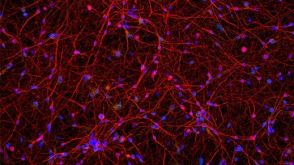 实验方案How to Culture Human Pluripotent Stem Cell (hPSC)-Derived Forebrain Neurons for MEA Analysis Using the Maestro MEA™ System
 沪公网安备31010102008431号