J. Lam et al. (JUN 2018)
Nature communications 9 1 2418
miR-143/145 differentially regulate hematopoietic stem and progenitor activity through suppression of canonical TGFbeta$ signaling.
Expression of miR-143 and miR-145 is reduced in hematopoietic stem/progenitor cells (HSPCs) of myelodysplastic syndrome patients with a deletion in the long arm of chromosome 5. Here we show that mice lacking miR-143/145 have impaired HSPC activity with depletion of functional hematopoietic stem cells (HSCs),but activation of progenitor cells (HPCs). We identify components of the transforming growth factor beta$ (TGFbeta$) pathway as key targets of miR-143/145. Enforced expression of the TGFbeta$ adaptor protein and miR-145 target,Disabled-2 (DAB2),recapitulates the HSC defect seen in miR-143/145-/- mice. Despite reduced HSC activity,older miR-143/145-/- and DAB2-expressing mice show elevated leukocyte counts associated with increased HPC activity. A subset of mice develop a serially transplantable myeloid malignancy,associated with expansion of HPC. Thus,miR-143/145 play a cell context-dependent role in HSPC function through regulation of TGFbeta$/DAB2 activation,and loss of these miRNAs creates a preleukemic state.
View Publication
产品类型:
产品号#:
03434
03444
产品名:
MethoCult™GF M3434
MethoCult™GF M3434
Farese AM et al. (JAN 1996)
Blood 87 2 581--91
Acceleration of hematopoietic reconstitution with a synthetic cytokine (SC-55494) after radiation-induced bone marrow aplasia.
The synthetic cytokine (Synthokine) SC-55494 is a high-affinity interleukin-3 (IL-3) receptor ligand that stimulates greater in vitro multilineage hematopoietic activity than native IL-3,while inducing no significant increase in inflammatory activity relative to native IL-3. The aim of this study was to investigate the in vivo hematopoietic response of rhesus monkeys receiving Synthokine after radiation-induced marrow aplasia. Administration schedule and dose of Synthokine were evaluated. All animals were total-body irradiated (TBI) with 700 cGy 60Co gamma radiation on day 0. Beginning on day 1,cohorts of animals (n = 5) received Synthokine subcutaneously (SC) twice daily with 25 micrograms/kg/d or 100 micrograms/kg/d for 23 days or 100 micrograms/kg/d for 14 days. Control animals (n = 9) received human serum albumin SC once daily at 15 micrograms/kg/d for 23 days. Complete blood counts were monitored for 60 days postirradiation and the durations of neutropenia (NEUT; absolute neutrophil count [ANC] textless 500/microL) and thrombocytopenia (THROM; platelet count textless 20,000/microL) were assessed. Synthokine significantly (P textless .05) reduced the duration of THROM versus the HSA-treated animals regardless of dose or protocol length. The most striking reduction was obtained in the animals receiving 100 micrograms/kg/d for 23 days (THROM = 3.5 v 12.5 days in HSA control animals). Although the duration of NEUT was not significantly altered,the depth of the nadir was significantly lessened in all animal cohorts treated with Synthokine regardless of dose versus schedule length. Bone marrow progenitor cell cultures indicated a beneficial effect of Synthokine on the recovery of granulocyte-macrophage colony-forming units that was significantly higher at day 24 post-TBI in both cohorts treated at 25 and 100 micrograms/kg/d for 23 days relative to the control animals. Plasma pharmacokinetic parameters were evaluated in both normal and irradiated animals. Pharmacokinetic analysis performed in irradiated animals after 1 week of treatment suggests an effect of repetitive Synthokine schedule and/or TBI on distribution and/or elimination of Synthokine. These data show that the Synthokine,SC55 94,administered therapeutically post-TBI,significantly enhanced platelet recovery and modulated neutrophil nadir and may be clinically useful in the treatment of the myeloablated host.
View Publication
产品类型:
产品号#:
04436
04064
04100
04230
04236
04431
04434
04444
04464
04531
04535
04545
04536
04564
04035
04330
04034
04044
04435
04445
04534
04544
04437
04447
产品名:
MethoCult™ SF H4436
MethoCult™ H4034 Optimum启动试剂盒套装
MethoCult™ H4100
MethoCult™H4230
MethoCult™SF H4236
MethoCult™H4431
MethoCult™H4434经典
MethoCult™H4434经典
MethoCult™ H4434 Classic启动试剂盒套装
MethoCult™H4531
MethoCult™H4535富集无EPO
MethoCult™ H4535 Enriched,不含EPO
MethoCult™ SF H4536
入门套件MethoCult™H4534经典无EPO
MethoCult™H4035 Optimum无EPO
MethoCult™H4330
MethoCult™H4034 Optimum
MethoCult™H4034 Optimum
MethoCult™H4435富集
MethoCult™H4435富集
MethoCult™H4534经典无EPO
MethoCult™H4534经典无EPO
MethoCult™表达
MethoCult™表达
Xu H et al. (OCT 2009)
Blood 114 17 3557--66
Loss of the Rho GTPase activating protein p190-B enhances hematopoietic stem cell engraftment potential.
Hematopoietic stem cell (HSC) engraftment is a multistep process involving HSC homing to bone marrow,self-renewal,proliferation,and differentiation to mature blood cells. Here,we show that loss of p190-B RhoGTPase activating protein,a negative regulator of Rho GTPases,results in enhanced long-term engraftment during serial transplantation. This effect is associated with maintenance of functional HSC-enriched cells. Furthermore,loss of p190-B led to marked improvement of HSC in vivo repopulation capacity during ex vivo culture without altering proliferation and multilineage differentiation of HSC and progeny. Transcriptional analysis revealed that p190-B deficiency represses the up-regulation of p16(Ink4a) in HSCs in primary and secondary transplantation recipients,providing a possible mechanism of p190-B-mediated HSC functions. Our study defines p190-B as a critical transducer element of HSC self-renewal activity and long-term engraftment,thus suggesting that p190-B is a target for HSC-based therapies requiring maintenance of engraftment phenotype.
View Publication
产品类型:
产品号#:
09600
09650
产品名:
StemSpan™ SFEM
StemSpan™ SFEM
Taubert I et al. (APR 2011)
Cytotherapy 13 4 459--66
Characterization of hematopoietic stem cell subsets from patients with multiple myeloma after mobilization with plerixafor.
BACKGROUND AIMS: Previous studies have demonstrated that the combination of granulocyte-colony-stimulating factor (G-CSF) + plerixafor is more efficient in mobilizing CD34(+) hematopoietic stem cells (HSC) into the peripheral blood than G-CSF alone. In this study we analyzed the impact of adding plerixafor to G-CSF upon the mobilization of different HSC subsets. METHODS: We characterized the immunophenotype of HSC subsets isolated from the peripheral blood of eight patients with multiple myeloma (MM) before and after treatment with plerixafor. All patients were supposed to collect stem cells prior to high-dose chemotherapy and consecutive autologous stem cell transplantation,and therefore received front-line mobilization with 4 days of G-CSF followed by a single dose of plerixafor. Samples of peripheral blood were analyzed comparatively by flow cytometry directly before and 12 h after administration of plerixafor. RESULTS: The number of aldehyde dehydrogenase (ALDH)(bright) and CD34(+) cells was significantly higher after plerixafor treatment (1.2-5.0 and 1.5-6.0 times; both P textless 0.01) and an enrichment of the very primitive CD34(+) CD38(-) and ALDH(bright) CD34(+) CD38(-) HSC subsets was detectable. Additionally,two distinct ALDH(+) subsets could be clearly distinguished. The small ALDH(high) subset showed a higher number of CD34(+) CD38(-) cells in contrast to the total ALDH(bright) subpopulation and probably represented a very primitive subpopulation of HSC. CONCLUSIONS: A combined staining of ALDH,CD34 and CD38 might represent a powerful tool for the identification of a very rare and primitive hematopoietic stem cell subset. The addition of plerixafor mobilized not only more CD34(+) cells but was also able to increase the proportion of more primitive stem cell subsets.
View Publication
产品类型:
产品号#:
01700
01705
01702
产品名:
ALDEFLUOR™ 试剂盒
ALDEFLUOR™ DEAB试剂
ALDEFLUOR™测定缓冲液
Zeng J and Wang S (JAN 2014)
Stem cells translational medicine 3 1 69--80
Human dendritic cells derived from embryonic stem cells stably modified with CD1d efficiently stimulate antitumor invariant natural killer T cell response.
Invariant natural killer T (iNKT) cells are a unique lymphocyte subpopulation that mediates antitumor activities upon activation. A current strategy to harness iNKT cells for cancer treatment is endogenous iNKT cell activation using patient-derived dendritic cells (DCs). However,the limited number and functional defects of patient DCs are still the major challenges for this therapeutic approach. In this study,we investigated whether human embryonic stem cells (hESCs) with an ectopically expressed CD1d gene could be exploited to address this issue. Using a lentivector carrying an optimized expression cassette,we generated stably modified hESC lines that consistently overexpressed CD1d. These modified hESC lines were able to differentiate into DCs as efficiently as the parental line. Most importantly,more than 50% of such derived DCs were CD1d+. These CD1d-overexpressing DCs were more efficient in inducing iNKT cell response than those without modification,and their ability was comparable to that of DCs generated from monocytes of healthy donors. The iNKT cells expanded by the CD1d-overexpressing DCs were functional,as demonstrated by their ability to lyse iNKT cell-sensitive glioma cells. Therefore,hESCs stably modified with the CD1d gene may serve as a convenient,unlimited,and competent DC source for iNKT cell-based cancer immunotherapy.
View Publication
产品类型:
产品号#:
09600
09650
70024
70024.1
85850
85857
产品名:
StemSpan™ SFEM
StemSpan™ SFEM
冻存的人外周血Pan T细胞
冻存的人外周血Pan T细胞
mTeSR™1
mTeSR™1
Y. Ruan et al. (Dec 2024)
Stem Cell Research & Therapy 15 7759
ZO-1 boosts the in vitro self-renewal of pre-haematopoietic stem cells from OCT4-reprogrammed human hair follicle mesenchymal stem cells through cytoskeleton remodeling
The challenge of expanding haematopoietic stem/progenitor cells (HSPCs) in vitro has limited their clinical application. Human hair follicle mesenchymal stem cells (hHFMSCs) can be reprogrammed to generate intermediate stem cells by transducing OCT4 (hHFMSCs OCT4 ) and pre-inducing with FLT3LG/SCF,and differentiated into erythrocytes. These intermediate cells exhibit gene expression patterns similar to pre-HSCs,making them promising for artificial haematopoiesis. However,further investigation is required to elucidate the in vitro proliferation ability and mechanism underlying the self-renewal of pre-HSCs derived from hHFMSCs. hHFMSCs OCT4 were pre-treated with FLT3LG and SCF cytokines,followed by characterization and isolation of the floating cell subsets for erythroid differentiation through stimulation with hematopoietic cytokines and nutritional factors. Cell adhesion was assessed through disassociation and adhesion assays. OCT4 expression levels were measured using immunofluorescence staining,RT-qPCR,and Western blotting. RNA sequencing and Gene Ontology (GO) enrichment analysis were then conducted to identify proliferation-related biological processes. Proliferative capacity was evaluated through CCK-8,colony formation assays,Ki67 index,and cell cycle analysis. Cytoskeleton was observed through Wright‒Giemsa,Coomassie brilliant blue,and phalloidin staining. Expression of adherens junction (AJ) core members was confirmed through RT‒qPCR,Western blotting,and immunofluorescence staining before and after ZO-1 knockdown. A regulatory network was constructed to determine relationships among cytoskeleton,proliferation,and the AJ pathway. Student’s t tests (GraphPad Prism 8.0.2) were used for group comparisons. The results were considered significant at P < 0.05. Pre-treatment of hHFMSCs OCT4 with FLT3LG and SCF leads to the emergence of floating cell subsets exhibiting small,globoid morphology,suspended above adherent cells,forming colonies,and displaying minimal expression of CD45. Excessive OCT4 expression weakens adhesion in floating hHFMSCs OCT4 . Floating cells moderately enhanced proliferation and undergo cytoskeleton remodelling,with increased contraction and aggregation of F-actin near the nucleus. The upregulation of ZO-1 could impact the expressions of F-actin,E-cadherin,and β-catenin genes,as well as the nuclear positioning of β-catenin,leading to variations in the cytoskeleton and cell cycle. Finally,a regulatory network revealed that the AJ pathway cored with ZO-1 critically bridges cytoskeletal remodelling and haematopoiesis-related proliferation in a β-catenin-dependent manner. ZO-1 improved the self-renewal of pre-HSCs from OCT4-overexpressing hHFMSCs by remodeling the cytoskeleton via the ZO-1-regulated AJ pathway,suggesting floating hHFMSCs OCT4 as the promising seed cells for artificial hematopoiesis. The online version contains supplementary material available at 10.1186/s13287-024-04080-w.
View Publication
产品类型:
产品号#:
09600
09650
产品名:
StemSpan™ SFEM
StemSpan™ SFEM
Pipino C et al. (OCT 2014)
Cellular reprogramming 16 5 331--344
Trisomy 21 mid-trimester amniotic fluid induced pluripotent stem cells maintain genetic signatures during reprogramming: implications for disease modeling and cryobanking.
Trisomy 21 is the most common chromosomal abnormality and is associated primarily with cardiovascular,hematological,and neurological complications. A robust patient-derived cellular model is necessary to investigate the pathophysiology of the syndrome because current animal models are limited and access to tissues from affected individuals is ethically challenging. We aimed to derive induced pluripotent stem cells (iPSCs) from trisomy 21 human mid-trimester amniotic fluid stem cells (AFSCs) and describe their hematopoietic and neurological characteristics. Human AFSCs collected from women undergoing prenatal diagnosis were selected for c-KIT(+) and transduced with a Cre-lox-inducible polycistronic lentiviral vector encoding SOX2,OCT4,KLF-4,and c-MYC (50,000 cells at a multiplicity of infection (MOI) 1-5 for 72 h). The embryonic stem cell (ESC)-like properties of the AFSC-derived iPSCs were established in vitro by embryoid body formation and in vivo by teratoma formation in RAG2(-/-),$\$-chain(-/-),C2(-/-) immunodeficient mice. Reprogrammed cells retained their cytogenetic signatures and differentiated into specialized hematopoietic and neural precursors detected by morphological assessment,immunostaining,and RT-PCR. Additionally,the iPSCs expressed all pluripotency markers upon multiple rounds of freeze-thawing. These findings are important in establishing a patient-specific cellular platform of trisomy 21 to study the pathophysiology of the aneuploidy and for future drug discovery.
View Publication
产品类型:
产品号#:
04434
04444
07909
85850
85857
产品名:
MethoCult™H4434经典
MethoCult™H4434经典
IV型胶原酶(1mg /mL)
mTeSR™1
mTeSR™1
Pospori C et al. (JUN 2011)
Blood 117 25 6813--24
Specificity for the tumor-associated self-antigen WT1 drives the development of fully functional memory T cells in the absence of vaccination.
Recently,vaccines against the Wilms Tumor antigen 1 (WT1) have been tested in cancer patients. However,it is currently not known whether physiologic levels of WT1 expression in stem and progenitor cells of normal tissue result in the deletion or tolerance induction of WT1-specific T cells. Here,we used an human leukocyte antigen-transgenic murine model to study the fate of human leukocyte antigen class-I restricted,WT1-specific T cells in the thymus and in the periphery. Thymocytes expressing a WT1-specific T-cell receptor derived from high avidity human CD8 T cells were positively selected into the single-positive CD8 population. In the periphery,T cells specific for the WT1 antigen differentiated into CD44-high memory phenotype cells,whereas T cells specific for a non-self-viral antigen retained a CD44(low) naive phenotype. Only the WT1-specific T cells,but not the virus-specific T cells,displayed rapid antigen-specific effector function without prior vaccination. Despite long-term persistence of WT1-specific memory T cells,the animals did not develop autoimmunity,and the function of hematopoietic stem and progenitor cells was unimpaired. This is the first demonstration that specificity for a tumor-associated self-antigen may drive differentiation of functionally competent memory T cells.
View Publication
产品类型:
产品号#:
09600
09650
产品名:
StemSpan™ SFEM
StemSpan™ SFEM
C. T. Magawa et al. ( 2022)
Frontiers in physiology 13 947723
Identification of transient receptor potential melastatin 3 proteotypic peptides employing an efficient membrane protein extraction method for natural killer cells.
Introduction: Mutations and misfolding of membrane proteins are associated with various disorders,hence they make suitable targets in proteomic studies. However,extraction of membrane proteins is challenging due to their low abundance,stability,and susceptibility to protease degradation. Given the limitations in existing protocols for membrane protein extraction,the aim of this investigation was to develop a protocol for a high yield of membrane proteins for isolated Natural Killer (NK) cells. This will facilitate genetic analysis of membrane proteins known as transient receptor potential melastatin 3 (TRPM3) ion channels in myalgic encephalomyelitis/chronic fatigue syndrome (ME/CFS) research. Methods: Two protocols,internally identified as Protocol 1 and 2,were adapted and optimized for high yield protein extraction. Protocol 1 utilized ultrasonic and salt precipitation,while Protocol 2 implemented a detergent and chloroform/methanol approach. Protein concentrations were determined by the Pierce Bicinchoninic Acid (BCA) and the Bio-Rad DC (detergent compatible) protein assays according to manufacturer's recommendation. Using Protocol 2,protein samples were extracted from NK cells of n = 6 healthy controls (HC) and n = 4 ME/CFS patients. In silico tryptic digest and enhanced signature peptide (ESP) predictor were used to predict high-responding TRPM3 tryptic peptides. Trypsin in-gel digestion was performed on protein samples loaded on SDS-PAGE gels (excised at 150-200 kDa). A liquid chromatography-multiple reaction monitoring (LC-MRM) method was optimized and used to evaluate the detectability of TRPM3 n = 5 proteotypic peptides in extracted protein samples. Results: The detergent-based protocol protein yield was significantly higher (p < 0.05) compared with the ultrasonic-based protocol. The Pierce BCA protein assay showed more reproducibility and compatibility compared to the Bio-Rad DC protein assay. Two high-responding tryptic peptides (GANASAPDQLSLALAWNR and QAILFPNEEPSWK) for TRPM3 were detectable in n = 10 extracted protein samples from NK cells isolated from HC and ME/CFS patients. Conclusion: A method was optimized for high yield protein extraction from human NK cells and for the first time TRPM3 proteotypic peptides were detected using LC-MRM. This new method provides for future research to assess membrane protein structural and functional relationships,particularly to facilitate proteomic investigation of TRPM3 ion channel isoforms in NK cells in both health and disease states,such as ME/CFS.
View Publication
Kawatsu K et al. (APR 2008)
Journal of clinical microbiology 46 4 1226--31
Development and evaluation of immunochromatographic assay for simple and rapid detection of Campylobacter jejuni and Campylobacter coli in human stool specimens.
An immunochromatographic assay (Campy-ICA) using a newly generated single monoclonal antibody against a 15-kDa cell surface protein of Campylobacter jejuni was developed. When cell suspensions of 86 C. jejuni strains and 27 Campylobacter coli strains were treated with a commercially available bacterial protein extraction reagent and the resulting extracts were tested with the Campy-ICA,they all yielded positive results. The minimum detectable limits for the C. jejuni strains ranged from 1.8 x 10(4) to 8.2 x 10(5) CFU/ml of cell suspension,and those for the C. coli strains ranged from 1.4 x 10(5) to 4.6 x 10(6) CFU/ml of cell suspension. All 26 non-Campylobacter species tested yielded negative results with the Campy-ICA. To evaluate the ability of the Campy-ICA to detect C. jejuni and C. coli in human stool specimens,suspensions of 222 stool specimens from patients with acute gastroenteritis were treated with the bacterial protein extraction reagent,and the resulting extracts were tested with the Campy-ICA. The Campy-ICA results showed a sensitivity of 84.8% (28 of 33 specimens) and a specificity of 100% (189 of 189 specimens) compared to the results of isolation of C. jejuni and C. coli from the stool specimens by a bacterial culture test. The Campy-ICA was simple to perform and was able to detect Campylobacter antigen in a fecal extract within 15 min. These results suggest that Campy-ICA testing of fecal extracts may be useful as a simple and rapid adjunct to stool culture for detecting C. jejuni and C. coli in human stool specimens.
View Publication
产品类型:
产品号#:
03800
03801
03802
03803
03804
03805
03806
产品名:
ClonaCell™-HY 杂交瘤试剂盒
ClonaCell™-HY Medium
ClonaCell™-HY Medium
ClonaCell™-HY Medium
ClonaCell™-HY Medium
ClonaCell™-HY Medium
ClonaCell™-HY PEG (融合)
Ghandour H et al. (NOV 2007)
Blood 110 10 3682--90
Essential role for Rap1 GTPase and its guanine exchange factor CalDAG-GEFI in LFA-1 but not VLA-4 integrin mediated human T-cell adhesion.
Regulated adhesion of T cells by the integrins LFA-1 (lymphocyte function-associated antigen-1) and VLA-4 (very late antigen-4) is essential for T-cell trafficking. The small GTPase Rap1 is a critical activator of both integrins in murine lymphocytes and T-cell lines. Here we examined the contribution of the Rap1 regulatory pathway in integrin activation in primary CD3(+) human T cells. We demonstrate that inactivation of Rap1 GTPase in human T cells by expression of SPA1 or Rap1GAP blocked stromal cell-derived factor-1alpha (SDF-1alpha)-stimulated LFA-1-ICAM-1 (intercellular adhesion molecule-1) interactions and LFA-1 affinity modulation but unexpectedly did not significantly affect binding of VLA-4 to its ligand VCAM-1 (vascular cell adhesion molecule 1). Importantly,silencing of the Rap1 guanine exchange factor CalDAG-GEFI inhibited SDF-1alpha- and phorbol 12-myristate 13-acetate (PMA)-induced adhesion to ICAM-1 while having no effect on adhesion to VCAM-1. Pharmacologic inhibition of Phospholipase C (PLC) blocked Rap1 activation and inhibited cell adhesion and polarization on ICAM-1 and VCAM-1. Protein kinase C (PKC) inhibition led to enhanced levels of active Rap1 concomitantly with increased T-cell binding to ICAM-1,whereas adhesion to VCAM-1 was reduced. Thus,PLC/CalDAG-GEFI regulation of Rap1 is selectively required for chemokine- and PMA-induced LFA-1 activation in human T cells,whereas alternate PLC- and PKC-dependent mechanisms are involved in the regulation of VLA-4.
View Publication


 EasySep™小鼠TIL(CD45)正选试剂盒




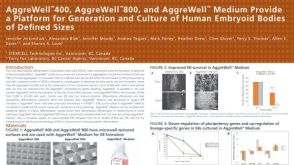 科学海报Aggrewell™ 400, Aggrewell™ 800, and Aggrewell™ Medium Provide a Platform for Generation and Culture of Human Embryoid Bodies of Defined Sizes
 沪公网安备31010102008431号