N. A. Ababneh et al. (Dec 2025)
World Journal of Stem Cells 17 12
Impact of differentiation protocols on the functionality of mesenchymal stem cells derived from induced pluripotent stem cells
BACKGROUND: The discovery of induced pluripotent stem cells revolutionized regenerative medicine,providing a source for generating induced pluripotent stem cell-derived mesenchymal stem cells (iMSCs). AIM: To evaluate and compare five iMSC differentiation protocols,assessing their efficiency,phenotypic characteristics,and functional properties relative to primary mesenchymal stem cells (MSCs). METHODS: Five iMSC differentiation protocols were assessed: SB431542-based differentiation (iMSC1,iMSC3),an iMatrix-free method (iMSC2),growth factor supplementation (iMSC4),and embryoid body formation with retinoic acid (EB-iMSC). iMSC identity was confirmed according to the International Society for Cell & Gene Therapy 2006 criteria,requiring expression of surface markers (CD105,CD73,CD90) and absence of pluripotency markers. Functional assays were conducted to evaluate differentiation potential (osteogenic and adipogenic),proliferation,mitochondrial function,reactive oxygen species,senescence,and migration. RESULTS: All iMSC types expressed MSC markers and lacked pluripotency markers. EB-iMSC and iMSC2 showed enhanced osteogenesis (runt-related transcription factor 2; P ≤ 0.01 and P ≤ 0.0001,respectively),while adipogenic potential was reduced in iMSC2 (Adipsin; P ≤ 0.01) and EB-iMSC (Adipsin and peroxisome proliferator-activated receptor gamma; P ≤ 0.0001 and P ≤ 0.01,respectively). Proliferation was comparable or superior to bone marrow MSCs,except in iMSC1,with iMSC4 showing the highest rate (MTT assay; P values ranged from 0.01 to 0.001). Despite reduced mitochondrial health in iMSC3 and iMSC4 (P ≤ 0.001),reactive oxygen species levels were lower in all iMSCs (P values ranged from 0.001 to 0.0001),and senescence was significantly reduced in all iMSCs with the exception of iMSC1 (P values ranged from 0.01 to 0.0001). Migration was most reduced in iMSC4 (P ≤ 0.001 at 24 hours and P ≤ 0.0001 at 48 hours). CONCLUSION: While all protocols generated functional iMSCs,variations in differentiation,proliferation,and function emphasize the impact of protocol selection. These findings contribute to optimizing iMSC generation for research and clinical applications.
View Publication
产品类型:
产品号#:
100-0276
100-1130
85850
85857
产品名:
mTeSR™ Plus
mTeSR™ Plus
mTeSR™1
mTeSR™1
Nguyen KD et al. (NOV 2009)
American journal of respiratory and critical care medicine 180 9 823--33
Impaired IL-10-dependent induction of tolerogenic dendritic cells by CD4+CD25hiCD127lo/- natural regulatory T cells in human allergic asthma.
RATIONALE: Tolerogenic dendritic cells and natural regulatory T cells have been implicated in the process of infectious tolerance in human allergic asthma. However,the significance of the influence of natural regulatory T cells on tolerogenic dendritic cells in the disease has not been investigated. OBJECTIVES: We aimed to characterize the mechanism of induction of the tolerogenic phenotype in circulating blood dendritic cells by allergic asthmatic natural regulatory T cells. METHODS: The study was performed in a cohort of 21 subjects with allergic asthma,21 healthy control subjects,and 21 subjects with nonallergic asthma. We cultured blood dendritic cells with natural regulatory T cells to study the induction of tolerogenic dendritic cells. Flow cytometry and proliferation assays were employed to analyze phenotype and function of dendritic cells as well as IL-10 production from natural regulatory T cells. MEASUREMENTS AND MAIN RESULTS: Dendritic cells cultured with natural regulatory T cells up-regulated IL-10,down-regulated costimulatory molecules,and stimulated the proliferation of CD4(+)CD25(-) effector T cells less potently. Allergic asthmatic natural regulatory T cells were significantly less efficient in inducing this tolerogenic phenotype of dendritic cells compared with healthy control and nonallergic asthmatic counterparts. Furthermore,this defective function of natural regulatory T cells was associated with their decreased IL-10 expression,disease severity,and could be reversed by oral corticosteroid therapy. CONCLUSIONS: These results provided the first evidences of impaired induction of tolerogenic dendritic cells mediated by natural regulatory T cells in human allergic asthma.
View Publication
产品类型:
产品号#:
15022
15062
产品名:
RosetteSep™人CD4+ T细胞富集抗体混合物
RosetteSep™人CD4+ T细胞富集抗体混合物
Vazquez-Martin A et al. (MAR 2012)
Cell cycle (Georgetown,Tex.) 11 5 974--89
Activation of AMP-activated protein kinase (AMPK) provides a metabolic barrier to reprogramming somatic cells into stem cells.
The ability of somatic cells to reprogram their ATP-generating machinery into a Warburg-like glycolytic metabotype while overexpressing stemness genes facilitates their conversion into either induced pluripotent stem cells (iPSCs) or tumor-propagating cells. AMP-activated protein kinase (AMPK) is a metabolic master switch that senses and decodes intracellular changes in energy status; thus,we have evaluated the impact of AMPK activation in regulating the generation of iPSCs from nonstem cells of somatic origin. The indirect and direct activation of AMPK with the antidiabetic biguanide metformin and the thienopyridone A-769662,respectively,impeded the reprogramming of mouse embryonic and human diploid fibroblasts into iPSCs. The AMPK activators established a metabolic barrier to reprogramming that could not be bypassed,even through p53 deficiency,a fundamental mechanism to greatly improve the efficiency of stem-cell production. Treatment with metformin or A-769662 before the generation of iPSC colonies was sufficient to drastically decrease iPSC generation,suggesting that AMPK activation impedes early stem cell genetic reprogramming. Monitoring the transcriptional activation status of each individual reprogramming factor (i.e.,Oct4,Sox2,Klf4 and c-Myc) revealed that AMPK activation notably prevented the transcriptional activation of Oct4,the master regulator of the pluripotent state. AMPK activation appears to impose a normalized metabolic flow away from the required pro-immortalizing glycolysis that fuels the induction of stemness and pluripotency,endowing somatic cells with an energetic infrastructure that is protected against reprogramming. AMPK-activating anti-reprogramming strategies may provide a roadmap for the generation of novel cancer therapies that metabolically target tumor-propagating cells.
View Publication
产品类型:
产品号#:
72922
73252
73254
产品名:
A769662
Metformin (Hydrochloride)
二甲双胍 (Hydrochloride)
Sivarapatna A et al. (JUN 2015)
Biomaterials 53 621--633
Arterial specification of endothelial cells derived from human induced pluripotent stem cells in a biomimetic flow bioreactor.
Endothelial cells (ECs) exist in different microenvironments in vivo,including under different levels of shear stress in arteries versus veins. Standard stem cell differentiation protocols to derive ECs and EC-subtypes from human induced pluripotent stem cells (hiPSCs) generally use growth factors or other soluble factors in an effort to specify cell fate. In this study,a biomimetic flow bioreactor was used to subject hiPSC-derived ECs (hiPSC-ECs) to shear stress to determine the impacts on phenotype and upregulation of markers associated with an anti-thrombotic,anti-inflammatory,arterial-like phenotype. The in vitro bioreactor system was able to efficiently mature hiPSC-ECs into arterial-like cells in 24 h,as demonstrated by qRT-PCR for arterial markers EphrinB2,CXCR4,Conexin40 and Notch1,as well protein-level expression of Notch1 intracellular domain (NICD). Furthermore,the exogenous addition of soluble factors was not able to fully recapitulate this phenotype that was imparted by shear stress exposure. The induction of these phenotypic changes was biomechanically mediated in the shear stress bioreactor. This biomimetic flow bioreactor is an effective means for the differentiation of hiPSC-ECs toward an arterial-like phenotype,and is amenable to scale-up for culturing large quantities of cells for tissue engineering applications.
View Publication
产品类型:
产品号#:
07913
07920
07922
85850
85857
产品名:
Dispase(5 U/mL)
ACCUTASE™
ACCUTASE™
mTeSR™1
mTeSR™1
Liu P et al. (OCT 2013)
British journal of cancer 109 7 1876--1885
Disulfiram targets cancer stem-like cells and reverses resistance and cross-resistance in acquired paclitaxel-resistant triple-negative breast cancer cells.
BACKGROUND Triple-negative breast cancer (TNBC) has significantly worse prognosis. Acquired chemoresistance remains the major cause of therapeutic failure of TNBC. In clinic,the relapsed TNBC is commonly pan-resistant to various drugs with completely different resistant mechanisms. Investigation of the mechanisms and development of new drugs to target pan-chemoresistance will potentially improve the therapeutic outcomes of TNBC patients. METHODS In this study,1-(4,5-Dimethylthiazol-2-yl)-3,5-diphenylformazan (MTT),combination index (CI)-isobologram,western blot,ALDEFLUOR analysis,clonogenic assay and immunocytochemistry were used. RESULTS The chemoresistant MDA-MB-231PAC10 cells are highly cross-resistant to paclitaxel (PAC),cisplatin (CDDP),docetaxel and doxorubicin. The MDA-MB-231PAC10 cells are quiescent with significantly longer doubling time (64.9 vs 31.7 h). This may be caused by high expression of p21(Waf1). The MDA-MB-231PAC10 cells express high aldehyde dehydrogenase (ALDH) activity and a panel of embryonic stem cell-related proteins,for example,Oct4,Sox2,Nanog and nuclealisation of HIF2$$ and NF-$$Bp65. We have previously reported that disulfiram (DS),an antialcoholism drug,targets cancer stem cells (CSCs) and enhances cytotoxicity of anticancer drugs. Disulfiram abolished CSC characters and completely reversed PAC and CDDP resistance in MDA-MB-231PAC10 cells. CONCLUSION Cancer stem cells may be responsible for acquired pan-chemoresistance. As a drug used in clinic,DS may be repurposed as a CSC inhibitor to reverse the acquired pan-chemoresistance.
View Publication
产品类型:
产品号#:
01700
01705
01702
产品名:
ALDEFLUOR™ 试剂盒
ALDEFLUOR™ DEAB试剂
ALDEFLUOR™测定缓冲液
Lungova V et al. ( 2014)
1307 237--243
Derivation of Epithelial Cells from Human Embryonic Stem Cells as an In Vitro Model of Vocal Mucosa
Vocal fold epithelial cells are very difficult to study as the vocal fold epithelial cell lines do not exist and they cannot be removed from the healthy larynx without engendering a significant and unacceptable risk to vocal fold function. Here,we describe the procedure to create an engineered vocal fold tissue construct consisting of the scaffold composed of the collagen 1 gel seeded with human fibroblasts and simple epithelial progenitors seeded on the scaffold and cultivated at air-liquid interface for 19-21 days to derive the stratified squamous epithelium. This model of vocal fold mucosa is very similar in morphology,gene expression,and phenotypic characteristics to native vocal fold epithelial cells and the underlying lamina propria and,therefore,offers a promising approach to studying vocal fold biology and biomechanics in health and disease.
View Publication
产品类型:
产品号#:
85850
85857
产品名:
mTeSR™1
mTeSR™1
C. M. Card et al. (feb 2022)
AIDS research and human retroviruses 38 2 111--126
Endothelial Cells Promote Productive HIV Infection of Resting CD4+ T Cells by an Integrin-Mediated Cell Adhesion-Dependent Mechanism.
Resting CD4+ T cells are primary targets of early HIV infection events in vivo,but do not readily support HIV replication in vitro. This barrier to infection can be overcome by exposing resting CD4+ T cells to endothelial cells (ECs). ECs line blood vessels and direct T cell trafficking into inflamed tissues. Cell trafficking pathways have been shown to have overlapping roles in facilitating HIV replication,but their relevance to EC-mediated enhancement of HIV susceptibility in resting CD4+ T cells has not previously been examined. We characterized the phenotype of primary human resting CD4+ T cells that became productively infected with HIV when cocultured with primary human blood and lymphatic ECs. The infected CD4+ T cells were primarily central memory cells enriched for high expression of the integrins LFA-1 and VLA-4. ICAM-1 and VCAM-1,the cognate ligands for LFA-1 and VLA-4,respectively,were expressed by the ECs in the coculture. Blocking LFA-1 and VLA-4 on resting CD4+ T cells inhibited infection by 65.4%-96.9%,indicating that engagement of these integrins facilitates EC-mediated enhancement of productive HIV infection in resting CD4+ T cells. The demonstration that ECs influence cellular HIV susceptibility of resting memory CD4+ T cells through cell trafficking pathways engaged during the transmigration of T cells into tissues highlights the physiological relevance of these findings for HIV acquisition and opportunities for intervention.
View Publication
产品类型:
产品号#:
17962
19052
19052RF
17962RF
产品名:
EasySep™ 人静息CD4+ T细胞分选试剂盒
EasySep™人CD4+ T细胞富集试剂盒
RoboSep™ 人CD4+ T细胞富集试剂盒含滤芯吸头
RoboSep™ 人静息CD4+ T细胞分选试剂盒
Milush JM et al. (NOV 2009)
Blood 114 23 4823--31
Functionally distinct subsets of human NK cells and monocyte/DC-like cells identified by coexpression of CD56, CD7, and CD4.
The lack of natural killer (NK) cell-specific markers,as well as the overlap among several common surface antigens and functional properties,has obscured the delineation between NK cells and dendritic cells. Here,novel subsets of peripheral blood CD3/14/19(neg) NK cells and monocyte/dendritic cell (DC)-like cells were identified on the basis of CD7 and CD4 expression. Coexpression of CD7 and CD56 differentiates NK cells from CD56+ monocyte/DC-like cells,which lack CD7. In contrast to CD7+CD56+ NK cells,CD7(neg)CD56+ cells lack expression of NK cell-associated markers,but share commonalities in their expression of various monocyte/DC-associated markers. Using CD7,we observed approximately 60% of CD4+CD56+ cells were CD7(neg) cells,indicating the actual frequency of activated CD4+ NK cells is much lower in the blood than previously recognized. Functionally,only CD7+ NK cells secrete gamma interferon (IFNgamma) and degranulate after interleukin-12 (IL-12) plus IL-18 or K562 target cell stimulation. Furthermore,using CD7 to separate CD56+ NK cells and CD56+ myeloid cells,we demonstrate that unlike resting CD7+CD56+ NK cells,the CD7(neg)CD56+ myeloid cells stimulate a potent allogeneic response. Our data indicate that CD7 and CD56 coexpression discriminates NK cells from CD7(neg)CD56+ monocyte/DC-like cells,thereby improving our ability to study the intricacies of NK-cell subset phenotypes and functions in vivo.
View Publication
产品类型:
产品号#:
19051
19051RF
产品名:
EasySep™人T细胞富集试剂盒
RoboSep™ 人T细胞富集试剂盒含滤芯吸头
C. Shin et al. (Jul 2025)
Molecular Medicine Reports 32 3
Chimeric PD-1 receptor redirects primary T cells against childhood solid tumors but not to PD-1 ligand-positive CD80-coexpressing cells
The clinical application of T cells engineered with chimeric antigen receptors (CARs) for solid tumors is challenging. A major reason for this involves tumor immune evasion mechanisms,including the high expression of immune checkpoint molecules,such as the programmed death 1 (PD-1) ligands PD-L1 and PD-L2. The inducible expression of PD-L1 in tumors has been observed after CAR-T-cell infusion,even in tumors natively not expressing PD-L1. Furthermore,numerous types of pediatric cancer do not have suitable targets for CAR-T-cell therapy. Therefore,the present study aimed to develop novel CAR-T cells that target PD-L1 and PD-L2,and to evaluate their efficacy against pediatric solid tumors. A novel CAR harboring the immunoglobulin V-set domain of the human PD-1 receptor as an antigen binding site (PD-1 CAR-T) was developed without using a single-chain variable fragment. PD-1 CAR-T cells were successfully manufactured by adding an anti-PD-1 antibody,nivolumab,to the ex vivo expansion culture to prevent fratricide during the manufacturing process due to the inducible expression of PD-L1 in activated human T cells. The expression of PD-L1 (and PD-L2 to a lesser extent) was revealed to be highly upregulated in various pediatric solid tumor cells,which displayed no or very low expression initially,on in vitro exposure to interferon-γ and/or tumor necrosis factor-α,which are cytokines secreted by tumor-infiltrating T cells. Furthermore,PD-1 CAR-T cells exhibited strong cytotoxic activity against pediatric solid tumor cells expressing PD-L1 and PD-L2. Conversely,the effect of PD-1 CAR-T cells was significantly attenuated against PD-L1-positive cells coexpressing CD80,suggesting that the toxicity of PD-1 CAR-T cells to normal immune cells,including antigen presenting cells,can be minimized. In conclusion,PD-1 ligands are promising therapeutic targets for pediatric solid tumors. PD-1 CAR-T cells,either alone or in combination with CAR-T cells with other targets,represent a potential treatment option for solid tumors.
View Publication
产品类型:
产品号#:
15021
15061
产品名:
RosetteSep™人T细胞富集抗体混合物
RosetteSep™人T细胞富集抗体混合物
Hakala H et al. (JUL 2009)
Tissue engineering Part A 15 7 1775--85
Comparison of biomaterials and extracellular matrices as a culture platform for multiple, independently derived human embryonic stem cell lines
Long-term in vitro culture of undifferentiated human embryonic stem cells (hESCs) traditionally requires a fibroblast feeder cell layer. Using feeder cells in hESC cultures is highly laborious and limits large-scale hESC production for potential application in regenerative medicine. Replacing feeder cells with defined human extracellular matrix (ECM) components or synthetic biomaterials would be ideal for large-scale production of clinical-grade hESCs. We tested and compared different feeder cell-free hESC culture methods based on different human ECM proteins,human and animal sera matrices,and a Matrigel matrix. Also selected biomaterials were tested for feeder cell-free propagation of undifferentiated hESCs. The matrices were tested together with conventional and modified hESC culture media,human foreskin fibroblast-conditioned culture medium,chemically defined medium,TeSR1,and modified TeSR1 media. The results showed the undefined,xenogeneic Matrigel to be a superior matrix for hESC culture compared with the purified human ECM proteins,serum matrices,and the biomaterials tested. A long-term,feeder cell-free culture system was successful on Matrigel in combination with mTeSR1 culture medium,but a xeno-free,fully defined,and reproducible feeder cell-free hESC culture method still remains to be developed.
View Publication
产品类型:
产品号#:
85850
85857
产品名:
mTeSR™1
mTeSR™1
Sorio C et al. (JAN 2011)
PloS one 6 7 e22212
Defective CFTR expression and function are detectable in blood monocytes: development of a new blood test for cystic fibrosis.
BACKGROUND Evaluation of cystic fibrosis transmembrane conductance regulator (CFTR) functional activity to assess new therapies and define diagnosis of cystic fibrosis (CF) is cumbersome. It is known that leukocytes express detectable levels of CFTR but the molecule has not been characterized in these cells. In this study we aim at setting up and validating a blood test to evaluate CFTR expression and function in leukocytes. DESCRIPTION Western blot,PCR,immunofluorescence and cell membrane depolarization analysis by single-cell fluorescence imaging,using the potential-sensitive DiSBAC(2)(3) probe were utilized. Expression of PKA phosphorylated,cell membrane-localized CFTR was detected in non-CF monocytes,being undetectable or present in truncated form in monocytes derived from CF patients presenting with nonsense mutations. CFTR agonist administration induced membrane depolarization in monocytes isolated from non-CF donors (31 subjects) and,to a lesser extent,obligate CFTR heterozygous carriers (HTZ: 15 subjects),but it failed in monocytes from CF patients (44 subjects). We propose an index,which values in CF patients are significantly (ptextless0.001) lower than in the other two groups. Nasal Potential Difference,measured in selected subjects had concordant results with monocytes assay (Kappa statistic 0.93,95%CI: 0.80-1.00). RESULTS AND SIGNIFICANCE CFTR is detectable and is functional in human monocytes. We also showed that CFTR-associated activity can be evaluated in 5 ml of peripheral blood and devise an index potentially applicable for diagnostic purposes and both basic and translational research: from drug development to evaluation of functional outcomes in clinical trials.
View Publication


 EasySep™小鼠TIL(CD45)正选试剂盒




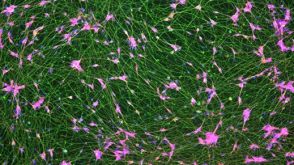 实验方案How to Culture Human Pluripotent Stem Cell (hPSC)-Derived Induced Forebrain Neurons for MEA Analysis Using the Maestro MEA™ System
 沪公网安备31010102008431号