Naive embryonic stem cells hold great promise for research and therapeutics as they have broad and robust developmental potential. While such cells are readily derived from mouse blastocysts it has not been possible to isolate human equivalents easily,although human naive-like cells have been artificially generated (rather than extracted) by coercion of human primed embryonic stem cells by modifying culture conditions or through transgenic modification. Here we show that a sub-population within cultures of human embryonic stem cells (hESCs) and induced pluripotent stem cells (hiPSCs) manifests key properties of naive state cells. These naive-like cells can be genetically tagged,and are associated with elevated transcription of HERVH,a primate-specific endogenous retrovirus. HERVH elements provide functional binding sites for a combination of naive pluripotency transcription factors,including LBP9,recently recognized as relevant to naivety in mice. LBP9-HERVH drives hESC-specific alternative and chimaeric transcripts,including pluripotency-modulating long non-coding RNAs. Disruption of LBP9,HERVH and HERVH-derived transcripts compromises self-renewal. These observations define HERVH expression as a hallmark of naive-like hESCs,and establish novel primate-specific transcriptional circuitry regulating pluripotency.
View Publication
Claassen DA et al. (AUG 2009)
Molecular Reproduction and Development 76 8 722--732
ROCK inhibition enhances the recovery and growth of cryopreserved human embryonic stem cells and human induced pluripotent stem cells
Poor recovery of cryopreserved human embryonic stem (hES) cells and induced pluripotent stem (iPS) cells is a significant impediment to progress with pluripotent stem cells. In this study,we demonstrate that Y-27632,a specific inhibitor of Rho kinase (ROCK) activity,significantly enhances recovery of hES cells from cryopreserved stocks when cultured with or without a growth inactivated feeder layer. Furthermore,treatment with the ROCK inhibitor for several days increased the number of colonies and colony size of hES cells compared to shorter exposures. Remarkably,hES cells that had formed relatively few colonies 5 days after thawing exhibited rapid growth upon addition of Y-27632. Additionally,we determined that Y-27632 significantly improves the recovery of cryopreserved human iPS cells and their growth upon subculture. Thus,Y-27632 provides a means to kick-start" slow-growing human pluripotent stem cells�
View Publication
产品类型:
产品号#:
85850
85857
产品名:
mTeSR™1
mTeSR™1
Huang J et al. ( 2016)
Purinergic Signalling 1--14
Coupling switch of P2Y-IP3 receptors mediates differential Ca2+ signaling in human embryonic stem cells and derived cardiovascular progenitor cells
Purinergic signaling mediated by P2 receptors (P2Rs) plays important roles in embryonic and stem cell development. However,how it mediates Ca2+ signals in human embryonic stem cells (hESCs) and derived cardiovascular progenitor cells (CVPCs) remains unclear. Here,we aimed to determine the role of P2Rs in mediating Ca2+ mobilizations of these cells. hESCs were induced to differentiate into CVPCs by our recently established methods. Gene expression of P2Rs and inositol 1,4,5-trisphosphate receptors (IP3Rs) was analyzed by quantitative/RT-PCR. IP3R3 knockdown (KD) or IP3R2 knockout (KO) hESCs were established by shRNA- or TALEN-mediated gene manipulations,respectively. Confocal imaging revealed that Ca2+ responses in CVPCs to ATP and UTP were more sensitive and stronger than those in hESCs. Consistently,the gene expression levels of most P2YRs except P2Y1 were increased in CVPCs. Suramin or PPADS blocked ATP-induced Ca2+ transients in hESCs but only partially inhibited those in CVPCs. Moreover,the P2Y1 receptor-specific antagonist MRS2279 abolished most ATP-induced Ca2+ signals in hESCs but not in CVPCs. P2Y1 receptor-specific agonist MRS2365 induced Ca2+ transients only in hESCs but not in CVPCs. Furthermore,IP3R2KO but not IP3R3KD decreased the proportion of hESCs responding to MRS2365. In contrast,both IP3R2 and IP3R3 contributed to UTP-induced Ca2+ responses while ATP-induced Ca2+ responses were more dependent on IP3R2 in the CVPCs. In conclusion,a predominant role of P2Y1 receptors in hESCs and a transition of P2Y-IP3R coupling in derived CVPCs are responsible for the differential Ca2+ mobilization between these cells.
View Publication
产品类型:
产品号#:
85850
85857
产品名:
mTeSR™1
mTeSR™1
Kokubu Y et al. (APR 2017)
Biochemical and biophysical research communications 486 2 577--583
In vitro model of cerebral ischemia by using brain microvascular endothelial cells derived from human induced pluripotent stem cells.
Brain-derived microvascular endothelial cells (BMECs),which play a central role in blood brain barrier (BBB),can be used for the evaluation of drug transport into the brain. Although human BMEC cell lines have already been reported,they lack original properties such as barrier integrity. Pluripotent stem cells (PSCs) can be used for various applications such as regenerative therapy,drug screening,and pathological study. In the recent study,an induction method of BMECs from PSCs has been established,making it possible to more precisely study the in vitro human BBB function. Here,using induced pluripotent stem (iPS) cell-derived BMECs,we examined the effects of oxygen-glucose deprivation (OGD) and OGD/reoxygenation (OGD/R) on BBB permeability. OGD disrupted the barrier function,and the dysfunction was rapidly restored by re-supply of the oxygen and glucose. Interestingly,TNF-α,which is known to be secreted from astrocytes and microglia in the cerebral ischemia,prevented the restoration of OGD-induced barrier dysfunction in an apoptosis-independent manner. Thus,we could establish the in vitro BBB disease model that mimics the cerebral ischemia by using iPS cell-derived BMECs.
View Publication
产品类型:
产品号#:
85850
85857
产品名:
mTeSR™1
mTeSR™1
Nä et al. (MAR 2012)
Stem Cells 30 3 452--60
RNA-binding protein L1TD1 interacts with LIN28 via RNA and is required for human embryonic stem cell self-renewal and cancer cell proliferation.
Human embryonic stem cells (hESC) have a unique capacity to self-renew and differentiate into all the cell types found in human body. Although the transcriptional regulators of pluripotency are well studied,the role of cytoplasmic regulators is still poorly characterized. Here,we report a new stem cell-specific RNA-binding protein L1TD1 (ECAT11,FLJ10884) required for hESC self-renewal and cancer cell proliferation. Depletion of L1TD1 results in immediate downregulation of OCT4 and NANOG. Furthermore,we demonstrate that OCT4,SOX2,and NANOG all bind to the promoter of L1TD1. Moreover,L1TD1 is highly expressed in seminomas,and depletion of L1TD1 in these cancer cells influences self-renewal and proliferation. We show that L1TD1 colocalizes and interacts with LIN28 via RNA and directly with RNA helicase A (RHA). LIN28 has been reported to regulate translation of OCT4 in complex with RHA. Thus,we hypothesize that L1TD1 is part of the L1TD1-RHA-LIN28 complex that could influence levels of OCT4. Our results strongly suggest that L1TD1 has an important role in the regulation of stemness.
View Publication
产品类型:
产品号#:
36254
85850
85857
产品名:
DMEM/F-12 with 15 mM HEPES
mTeSR™1
mTeSR™1
Buckley NE et al. (OCT 2013)
Nucleic acids research 41 18 8601--8614
BRCA1 is a key regulator of breast differentiation through activation of Notch signalling with implications for anti-endocrine treatment of breast cancers.
Here,we show for the first time,that the familial breast/ovarian cancer susceptibility gene BRCA1 activates the Notch pathway in breast cells by transcriptional upregulation of Notch ligands and receptors in both normal and cancer cells. We demonstrate through chromatin immunoprecipitation assays that BRCA1 is localized to a conserved intronic enhancer region within the Notch ligand Jagged-1 (JAG1) gene,an event requiring $$Np63. We propose that this BRCA1/$$Np63-mediated induction of JAG1 may be important the regulation of breast stem/precursor cells,as knockdown of all three proteins resulted in increased tumoursphere growth and increased activity of stem cell markers such as Aldehyde Dehydrogenase 1 (ALDH1). Knockdown of Notch1 and JAG1 phenocopied BRCA1 knockdown resulting in the loss of Estrogen Receptor-$$ (ER-$$) expression and other luminal markers. A Notch mimetic peptide could activate an ER-$$ promoter reporter in a BRCA1-dependent manner,whereas Notch inhibition using a $$-secretase inhibitor reversed this process. We demonstrate that inhibition of Notch signalling resulted in decreased sensitivity to the anti-estrogen drug Tamoxifen but increased expression of markers associated with basal-like breast cancer. Together,these findings suggest that BRCA1 transcriptional upregulation of Notch signalling is a key event in the normal differentiation process in breast tissue.
View Publication
Non-integrating episomal plasmid-based reprogramming of human amniotic fluid stem cells into induced pluripotent stem cells in chemically defined conditions.
Amniotic fluid stem cells (AFSC) represent an attractive potential cell source for fetal and pediatric cell-based therapies. However,upgrading them to pluripotency confers refractoriness toward senescence,higher proliferation rate and unlimited differentiation potential. AFSC were observed to rapidly and efficiently reacquire pluripotency which together with their easy recovery makes them an attractive cell source for reprogramming. The reprogramming process as well as the resulting iPSC epigenome could potentially benefit from the unspecialized nature of AFSC. iPSC derived from AFSC also have potential in disease modeling,such as Down syndrome or $\$-thalassemia. Previous experiments involving AFSC reprogramming have largely relied on integrative vector transgene delivery and undefined serum-containing,feeder-dependent culture. Here,we describe non-integrative oriP/EBNA-1 episomal plasmid-based reprogramming of AFSC into iPSC and culture in fully chemically defined xeno-free conditions represented by vitronectin coating and E8 medium,a system that we found uniquely suited for this purpose. The derived AF-iPSC lines uniformly expressed a set of pluripotency markers Oct3/4,Nanog,Sox2,SSEA-1,SSEA-4,TRA-1-60,TRA-1-81 in a pattern typical for human primed PSC. Additionally,the cells formed teratomas,and were deemed pluripotent by PluriTest,a global expression microarray-based in-silico pluripotency assay. However,we found that the PluriTest scores were borderline,indicating a unique pluripotent signature in the defined condition. In the light of potential future clinical translation of iPSC technology,non-integrating reprogramming and chemically defined culture are more acceptable.
View Publication
Seeger FH et al. (MAR 2005)
Circulation 111 9 1184--91
p38 mitogen-activated protein kinase downregulates endothelial progenitor cells.
BACKGROUND Transplantation of endothelial progenitor cells (EPCs) improves neovascularization after ischemia,but patients with coronary artery disease (CAD) or diabetes mellitus show a reduced number of EPCs and impaired functional activity. Therefore,we investigated the effects of risk factors,such as glucose and TNF-alpha,on the number of EPCs in vitro to elucidate the underlying mechanisms. METHODS AND RESULTS EPCs of patients or healthy subjects were isolated from peripheral blood. Incubation with glucose or TNF-alpha dose-dependently reduced the number of EPCs (79.9+/-1.3% and 74.3+/-8.1% of control; Ptextless0.05,respectively). This reduction was not caused by apoptosis. TNF-alpha and glucose induced a dose- and time-dependent activation of the p38 MAP kinase,the downstream kinase mitogen- and stress-activated kinase 1,and the transcription factor cAMP-responsive element-binding protein (CREB),in EPCs. Moreover,EPCs from CAD patients had significantly higher basal p38-phosphorylation levels (1.83+/-0.2-fold increase; Ptextless0.05) compared with healthy subjects. The inhibition of the p38-kinase by SB203580 or infection with a dominant negative p38 kinase adenovirus significantly increased basal number of EPCs (136.7+/-6.3% and 142.9+/-18% versus control,respectively). Likewise,ex vivo cultivation of EPCs from patients with CAD with SB203580 significantly increased the number of EPCs and partially reversed the impaired capacity for neovascularization of EPCs in vivo (relative blood flow: 0.40+/-0.03 versus 0.64+/-0.08,Ptextless0.05). The increased numbers of EPCs by SB203580 were associated with an augmentation of EPC proliferation and a reduction of cells expressing the monocytic marker proteins CD14 and CD64,suggesting that p38 regulates proliferation and differentiation events. CONCLUSIONS These results demonstrate that p38 MAP kinase plays a pivotal role in the signal transduction pathways regulating the number of EPCs ex vivo. SB203580 can prevent the negative effects of TNF-alpha and glucose on the number of EPCs and may be useful to improve the number of EPCs for potential cell therapy.
View Publication
产品类型:
产品号#:
72222
产品名:
SB203580 (Hydrochloride)
Todaro M et al. (JUN 2010)
Gastroenterology 138 6 2151--62
Colon cancer stem cells: promise of targeted therapy.
First developed for hematologic disorders,the concept of cancer stem cells (CSCs) was expanded to solid tumors,including colorectal cancer (CRC). The traditional model of colon carcinogenesis includes several steps that occur via mutational activation of oncogenes and inactivation of tumor suppressor genes. Intestinal epithelial cells exist for a shorter amount of time than that required to accumulate tumor-inducing genetic changes,so researchers have investigated the concept that CRC arises from the long-lived stem cells,rather than from the differentiated epithelial cells. Colon CSCs were originally identified through the expression of the CD133 glycoprotein using an antibody directed to its epitope AC133. It is not clear if CD133 is a marker of colon CSCs-other cell surface markers,such as epithelial-specific antigen,CD44,CD166,Musashi-1,CD29,CD24,leucine-rich repeat-containing G-protein-coupled receptor 5,and aldehyde dehydrogenase 1,have been proposed. In addition to initiating and sustaining tumor growth,CSCs are believed to mediate cancer relapse after chemotherapy. How can we identify and analyze colon CSCs and what agents are being designed to kill this chemotherapy-refractory population?
View Publication


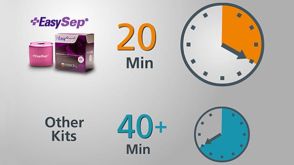
 EasySep™小鼠TIL(CD45)正选试剂盒




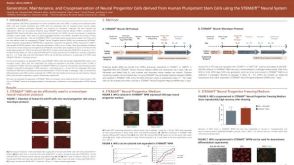 科学海报Generation, Maintenance and Cryopreservation of Neural Progenitor Cells Derived from Human Pluripotent Stem Cells Using the STEMdiff™ Neural System

 沪公网安备31010102008431号