Kabanova A et al. (APR 2016)
Cell Reports 15 1 9--18
Human Cytotoxic T Lymphocytes Form Dysfunctional Immune Synapses with B Cells Characterized by Non-Polarized Lytic Granule Release.
Suppression of the cytotoxic T cell (CTL) immune response has been proposed as one mechanism for immune evasion in cancer. In this study,we have explored the underlying basis for CTL suppression in the context of B cell malignancies. We document that human B cells have an intrinsic ability to resist killing by freshly isolated cytotoxic T cells (CTLs),but are susceptible to lysis by IL-2 activated CTL blasts and CTLs isolated from immunotherapy-treated patients with chronic lymphocytic leukemia (CLL). Impaired killing was associated with the formation of dysfunctional non-lytic immune synapses characterized by the presence of defective linker for activation of T cells (LAT) signaling and non-polarized release of the lytic granules transported by ADP-ribosylation factor-like protein 8 (Arl8). We propose that non-lytic degranulation of CTLs are a key regulatory mechanism of evasion through which B cells may interfere with the formation of functional immune synapses by CTLs.
View Publication
产品类型:
产品号#:
15024
15064
15023
15063
产品名:
RosetteSep™ 人B细胞富集抗体混合物
RosetteSep™人B细胞富集抗体混合物
RosetteSep™ 人CD8+ T细胞富集抗体混合物
RosetteSep™人CD8+ T细胞富集抗体混合物
Zhang S et al. (APR 2014)
Biomaterials 35 12 3786--3793
The influence of a spatiotemporal 3D environment on endothelial cell differentiation of human induced pluripotent stem cells.
Current EC differentiation protocols are inefficient,and the phenotypes of the differentiated ECs are only briefly stable,which significantly inhibits their utility for basic science research. Here,a remarkably more efficient hiPSC-EC differentiation protocol that incorporates a three-dimensional (3D) fibrin scaffold is presented. With this protocol,up to 45% of the differentiated hiPSCs assumed an EC phenotype,and after purification,greater than 95% of the cells displayed the EC phenotype (based on CD31 expression). The hiPSC-ECs continued to display EC characteristics for 4 weeks invitro. Gene and protein expression levels of CD31,CD144 and von Willebrand factor-8 (vWF-8) were significantly up-regulated in differentiated hiPSC-ECs. hiPSC-ECs also have biological function to up-take Dil-conjugated acetylated LDL (Dil-ac-LDL) and form tubular structures on Matrigel. Collectively,these data demonstrate that a 3D differentiation protocol can efficiently generate ECs from hiPSCs and,furthermore,the differentiated hiPSC-ECs are functional and can maintain EC fate up to 4 weeks invitro. ?? 2014 Elsevier Ltd.
View Publication
产品类型:
产品号#:
85850
85857
产品名:
mTeSR™1
mTeSR™1
Mehta A et al. (NOV 2014)
Biochimica et biophysica acta 1843 11 2394--2402
Phasic modulation of Wnt signaling enhances cardiac differentiation in human pluripotent stem cells by recapitulating developmental ontogeny.
Cardiomyocytes (CMs) derived from human pluripotent stem cells (hPSCs) offer immense value in studying cardiovascular regenerative medicine. However,intrinsic biases and differential responsiveness of hPSCs towards cardiac differentiation pose significant technical and logistic hurdles that hamper human cardiomyocyte studies. Tandem modulation of canonical and non-canonical Wnt signaling pathways may play a crucial role in cardiac development that can efficiently generate cardiomyocytes from pluripotent stem cells. Our Wnt signaling expression profiles revealed that phasic modulation of canonical/non-canonical axis enabled orderly recapitulation of cardiac developmental ontogeny. Moreover,evaluation of 8 hPSC lines showed marked commitment towards cardiac-mesoderm during the early phase of differentiation,with elevated levels of canonical Wnts (Wnt3 and 3a) and Mesp1. Whereas continued activation of canonical Wnts was counterproductive,its discrete inhibition during the later phase of cardiac differentiation was accompanied by significant up-regulation of non-canonical Wnt expression (Wnt5a and 11) and enhanced Nkx2.5(+) (up to 98%) populations. These Nkx2.5(+) populations transited to contracting cardiac troponin T-positive CMs with up to 80% efficiency. Our results suggest that timely modulation of Wnt pathways would transcend intrinsic differentiation biases of hPSCs to consistently generate functional CMs that could facilitate their scalable production for meaningful clinical translation towards personalized regenerative medicine.
View Publication
PDX1 binds and represses hepatic genes to ensure robust pancreatic commitment in differentiating human embryonic stem cells.
Inactivation of the Pancreatic and Duodenal Homeobox 1 (PDX1) gene causes pancreatic agenesis,which places PDX1 high atop the regulatory network controlling development of this indispensable organ. However,little is known about the identity of PDX1 transcriptional targets. We simulated pancreatic development by differentiating human embryonic stem cells (hESCs) into early pancreatic progenitors and subjected this cell population to PDX1 chromatin immunoprecipitation sequencing (ChIP-seq). We identified more than 350 genes bound by PDX1,whose expression was upregulated on day 17 of differentiation. This group included known PDX1 targets and many genes not previously linked to pancreatic development. ChIP-seq also revealed PDX1 occupancy at hepatic genes. We hypothesized that simultaneous PDX1-driven activation of pancreatic and repression of hepatic programs underlie early divergence between pancreas and liver. In HepG2 cells and differentiating hESCs,we found that PDX1 binds and suppresses expression of endogenous liver genes. These findings rebrand PDX1 as a context-dependent transcriptional repressor and activator within the same cell type.
View Publication
产品类型:
产品号#:
85850
85857
产品名:
mTeSR™1
mTeSR™1
J. Yao et al. ( 2020)
Stem cells international 2020 6489396
Human Supernumerary Teeth-Derived Apical Papillary Stem Cells Possess Preferable Characteristics and Efficacy on Hepatic Fibrosis in Mice.
Dental tissue has been acknowledged as an advantaged source for high-quality dental pulp stem cell (DPSC) preparation. However,despite the accomplishment of the separation of DPSCs from permanent teeth and supernumerary teeth,the deficiency of rigorous and systematic clarification on the signatures and efficacy will hinder their prospects in regenerative medicine. In this study,we primitively isolated permanent teeth-derived DPSCs and supernumerary teeth-derived apical papillary stem cells (SCAP-Ss) with parental consent. Immunophenotype of DPSCs and SCAP-Ss was determined by a flow cytometry assay,and the cell viability was verified by multidimensional detections including cell proliferation,cell cycle,apoptosis,and senescence. The migration and clonogenic capacity were examined by a wound healing test and crystal violet staining,respectively. The multilineage differentiation potential was quantitated by utilizing Oil Red O staining and Alizarin Red staining,together with real-time PCR analysis. The efficacy on a mouse hepatic fibrosis model was evaluated by using histologic sections and liver function tests. Herein,we showed that SCAP-Ss exhibited comparable immunophenotype and adipogenic differentiation capacity as DPSCs. However,different from DPSCs,SCAP-Ss exhibited superiority in cell viability and osteogenic differentiation. Simultaneously,injection of DPSCs and SCAP-Ss significantly reduced inflammatory infiltration,enhanced liver-associated gene expression,and finally relieved symptoms of hepatic fibrosis. In conclusion,SCAP-Ss possess preferable characteristics and efficacy on hepatic fibrosis in mice. Our findings suggest that SCAP-Ss are an easily accessible postnatal stem cell source with multifaceted characteristics for regenerative medicine.
View Publication
产品类型:
产品号#:
05412
05465
产品名:
MesenCult™ 脂肪分化试剂盒 (人)
MesenCult™ 成骨细胞分化试剂盒 (人)
(Apr 2025)
Biotechnology Journal 20 4
Cell Seeding Strategy Influences Metabolism and Differentiation Potency of Human Induced Pluripotent Stem Cells Into Pancreatic Progenitors
ABSTRACTHuman induced pluripotent stem cells (iPSCs) are an invaluable endless cell source for generating various therapeutic cells and tissues. However,their differentiation into specific cell lineages,such as definitive endoderm (DE) and pancreatic progenitor (PP),often suffers from poor reproducibility,due partially to their pluripotency. In this work,we investigated the impact of iPSC confluency during cell self?renewal and seeding density on cell metabolic activity,glycolysis to oxidative phosphorylation shift,and differentiation potential toward DE and PP lineages. Our findings demonstrated that cell seeding strategy influences cellular metabolic activity and the robustness of iPSC differentiation. iPSCs maintained at higher seeding density exhibited lower initial oxygen consumption rate (OCR) and metabolic activity. There is an optimal seeding density to ensure sufficient oxygen consumption during differentiation and to yield high expression of SOX17 in the DE lineage and high PDX1/NKX6.1 dual?positive cells in PPs. Interestingly,we found that cell confluency at the time of harvest has less impact on the efficacy of pancreatic lineage formation or metabolic activity. This study sheds light on the interplay between metabolic activity and iPSC lineage specification,offering new insights into the robustness of iPSC self?renewal and differentiation for creating human tissues. Graphical Abstract and Lay SummaryHuman induced pluripotent stem cell (iPSC) differentiation into specific cell lineages often shows poor reproducibility due to cell pluripotency. This study demonstrated impact of iPSC seeding strategy on metabolic activity and differentiation potential,offering new insights into the robustness of iPSC self?renewal and differentiation for creating human tissues.
View Publication
Carlo-Stella C et al. (JAN 2007)
Stem cells (Dayton,Ohio) 25 1 252--61
Placental growth factor-1 potentiates hematopoietic progenitor cell mobilization induced by granulocyte colony-stimulating factor in mice and nonhuman primates.
The complex hematopoietic effects of placental growth factor (PlGF) prompted us to test in mice and nonhuman primates the mobilization of peripheral blood progenitor cells (PBPCs) elicited by recombinant mouse PlGF-2 (rmPlGF-2) and recombinant human PlGF-1 (rhPlGF-1). PBPC mobilization was evaluated by assaying colony-forming cells (CFCs),high-proliferative potential-CFCs (HPP-CFCs),and long-term culture-initiating cells (LTC-ICs). In mice,both rmPlGF-2 and rhPlGF-1 used as single agents failed to mobilize PBPCs,whereas the combination of rhPlGF-1 and granulocyte colony-stimulating factor (rhG-CSF) increased CFCs and LTC-ICs per milliliter of blood by four- and eightfold,respectively,as compared with rhG-CSF alone. rhPlGF-1 plus rhG-CSF significantly increased matrix metalloproteinase-9 plasma levels over rhG-CSF alone,suggesting a mechanistic explanation for rhPlGF-1/rhG-CSF synergism. In rhesus monkeys,rhPlGF-1 alone had no mobilization effect,whereas rhPlGF-1 (260 microg/kg per day) plus rhG-CSF (100 microg/kg per day) increased rhG-CSF-elicited mobilization of CFCs,HPP-CFCs,and LTC-ICs per milliliter of blood by 5-,7-,and 15-fold,respectively. No specific toxicity was associated with the administration of rhPlGF-1 alone or in combination. In conclusion,our data demonstrate that rhPlGF-1 significantly increases rhG-CSF-elicited hematopoietic mobilization and provide a preclinical rationale for evaluating rhPlGF-1 in the clinical setting.
View Publication
产品类型:
产品号#:
05150
产品名:
MyeloCult™H5100
M. Velier et al. (jun 2019)
Cytotherapy 21 8 820--823
Validation of a semi automatic device to standardize quantification of Colony-Forming Unit (CFU) on hematopoietic stem cell products.
Accurate characterization of hematopoietic stem cells (HSC) products is needed to better anticipate the hematopoietic reconstitution and the outcome in patients. Although CD34+ viable cells enumeration is a key predictor of time to correction of aplasia,it does not fully inform about functionality of cells contained in the graft. CFU assay is the gold standard in vitro potency assay to assess clonogenicity of HSC and consists on the count and identification of colonies several days after culture in a semi solid media. Manual count of colonies with optic microscope is the most commonly used method but its important variability and subjectivity hinders the universal implementation of this potency assay. The aim of this study is to validate a standardized method using the STEMvision™ system,the first semi-automated instrument for imaging and scoring hematopoietic colonies,according to French and European recommendations. Results obtained highlight better performance criteria with STEMvision™ system than the manual method. This semi-automatic device tends to reduce the coefficients of variation of repeatability,inter-operator variability and intermediate precision. This newly available platform could represent an interesting option,significantly improving performances of CFU assays used for the characterization of hematopoietic progenitors.
View Publication
Efficient Derivation of Functional Human Airway Epithelium from Pluripotent Stem Cells via Temporal Regulation of Wnt Signaling.
Effective derivation of functional airway organoids from induced pluripotent stem cells (iPSCs) would provide valuable models of lung disease and facilitate precision therapies for airway disorders such as cystic fibrosis. However,limited understanding of human airway patterning has made this goal challenging. Here,we show that cyclical modulation of the canonical Wnt signaling pathway enables rapid directed differentiation of human iPSCs via an NKX2-1+progenitor intermediate into functional proximal airway organoids. We find that human NKX2-1+progenitors have high levels of Wnt activation but respond intrinsically to decreases in Wnt signaling by rapidly patterning into proximal airway lineages at the expense of distal fates. Using this directed approach,we were able to generate cystic fibrosis patient-specific iPSC-derived airway organoids with a defect in forskolin-induced swelling that is rescued by gene editing to correct the disease mutation. Our approach has many potential applications in modeling and drug screening for airway diseases.
View Publication
产品类型:
产品号#:
05001
05021
05022
产品名:
PneumaCult™-ALI 培养基
PneumaCult™-ALI 培养基含12 mm Transwell®插件
PneumaCult™-ALI 培养基含6.5 mm Transwell®插件
Tripp A et al. (NOV 2003)
Journal of virology 77 22 12152--64
Human T-cell leukemia virus type 1 tax oncoprotein suppression of multilineage hematopoiesis of CD34+ cells in vitro.
Human T-cell leukemia virus type 1 (HTLV-1) and HTLV-2 are highly related viruses that differ in disease manifestation. HTLV-1 is the etiologic agent of adult T-cell leukemia and lymphoma,an aggressive clonal malignancy of human CD4-bearing T lymphocytes. Infection with HTLV-2 has not been conclusively linked to lymphoproliferative disorders. We previously showed that human hematopoietic progenitor (CD34(+)) cells can be infected by HTLV-1 and that proviral sequences were maintained after differentiation of infected CD34(+) cells in vitro and in vivo. To investigate the role of the Tax oncoprotein of HTLV on hematopoiesis,bicistronic lentiviral vectors were constructed encoding the HTLV-1 or HTLV-2 tax genes (Tax1 and Tax2,respectively) and the green fluorescent protein marker gene. Human hematopoietic progenitor (CD34(+)) cells were infected with lentivirus vectors,and transduced cells were cultured in a semisolid medium permissive for the development of erythroid,myeloid,and primitive progenitor colonies. Tax1-transduced CD34(+) cells displayed a two- to fivefold reduction in the total number of hematopoietic clonogenic colonies that arose in vitro,in contrast to Tax2-transduced cells,which showed no perturbation of hematopoiesis. The ratio of colony types that developed from Tax1-transduced CD34(+) cells remained unaffected,suggesting that Tax1 inhibited the maturation of relatively early,uncommitted hematopoietic stem cells. Since previous reports have linked Tax1 expression with initiation of apoptosis,lentiviral vector-mediated transduction of Tax1 or Tax2 was investigated in CEM and Jurkat T-cell lines. Ectopic expression of either Tax1 or Tax2 failed to induce apoptosis in T-cell lines. These data demonstrate that Tax1 expression perturbs development and maturation of pluripotent hematopoietic progenitor cells,an activity that is not displayed by Tax2,and that the suppression of hematopoiesis is not attributable to induction of apoptosis. Since hematopoietic progenitor cells may serve as a latently infected reservoir for HTLV infection in vivo,the different abilities of HTLV-1 and -2 Tax to suppress hematopoiesis may play a role in the respective clinical outcomes after infection with HTLV-1 or -2.
View Publication
产品类型:
产品号#:
02690
产品名:
StemSpan™CC100
Dravid G et al. (OCT 2005)
Stem cells (Dayton,Ohio) 23 10 1489--501
Defining the role of Wnt/beta-catenin signaling in the survival, proliferation, and self-renewal of human embryonic stem cells.
We used a panel of human and mouse fibroblasts with various abilities for supporting the prolonged growth of human embryonic stem cells (hESCs) to elucidate growth factors required for hESC survival,proliferation,and maintenance of the undifferentiated and pluripotent state (self-renewal). We found that supportive feeder cells secrete growth factors required for both hESC survival/proliferation and blocking hESC spontaneous differentiation to achieve self-renewal. The antidifferentiation soluble factor is neither leukemia inhibitory factor nor Wnt,based on blocking experiments using their antagonists. Because Wnt/beta-catenin signaling has been implicated in cell-fate determination and stem cell expansion,we further examined the effects of blocking or adding recombinant Wnt proteins on undifferentiated hESCs. In the absence of feeder cell-derived factors,hESCs cultured under a feeder-free condition survived/proliferated poorly and gradually differentiated. Adding recombinant Wnt3a stimulated hESC proliferation but also differentiation. After 4-5 days of Wnt3a treatment,hESCs that survived maintained the undifferentiated phenotype but few could form undifferentiated hESC colonies subsequently. Using a functional reporter assay,we found that the beta-catenin-mediated transcriptional activation in the canonical Wnt pathway was minimal in undifferentiated hESCs,but greatly upregulated during differentiation induced by the Wnt treatment and several other methods. Thus,Wnt/beta-catenin activation does not suffice to maintain the undifferentiated and pluripotent state of hESCs. We propose a new model for the role of Wnt/beta-catenin signaling in undifferentiated hESCs.
View Publication


 EasySep™小鼠TIL(CD45)正选试剂盒




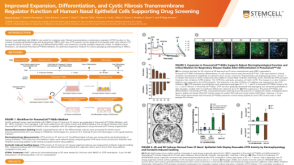 科学海报Improved Expansion, Differentiation, and Cystic Fibrosis Transmembrane Regulator Function of Human Nasal Epithelial Cells Supporting Drug Screening
 沪公网安备31010102008431号