K. A. Davis et al. (jun 2020)
Journal of biomedical materials research. Part A
Increased yield of gelatin coated therapeutic cells through cholesterol insertion.
Gelatin coatings are effective in increasing the retention of MSCs injected into the heart and minimizing the damage from acute myocardial infarction (AMI),but early studies suffered from low fractions of the MSCs coated with gelatin. Biotinylation of the MSC surface is a critical first step in the gelatin coating process,and in this study,we evaluated the use of biotinylated cholesterol lipid insertion" anchors as a substitute for the covalent NHS-biotin anchors to the cell surface. Streptavidin-eosin molecules where eosin is our photoinitiator can then be bound to the cell surface through biotin-streptavidin affinity. The use of cholesterol anchors increased streptavidin density on the surface of MSCs further driving polymerization and allowing for an increased fraction of MSCs coated with gelatin (83{\%}) when compared to NHS-biotin (52{\%}). Additionally the cholesterol anchors increased the uniformity of the coating on the MSC surface and supported greater numbers of coated MSCs even when the streptavidin density was slightly lower than that of an NHS-biotin anchoring strategy. Critically this improvement in gelatin coating efficiency did not impact cytokine secretion and other critical MSC functions. Proper selection of the cholesterol anchor and the biotinylation conditions supports cellular function and densities of streptavidin on the MSC surface of up to {\~{}}105 streptavidin molecules/$\mu$m2 . In all these cholesterol anchors offer an effective path towards the formation of conformal coatings on the majority of MSCs to improve the retention of MSCs in the heart following AMI."
View Publication
产品类型:
产品号#:
05513
产品名:
MesenCult™ 扩增试剂盒 (小鼠)
S. H. Choi et al. (oct 2020)
Genes 11 10 1169
Detargeting Lentiviral-Mediated CFTR Expression in Airway Basal Cells Using miR-106b.
Lentiviral-mediated integration of a CFTR transgene cassette into airway basal cells is a strategy being considered for cystic fibrosis (CF) cell-based therapies. However,CFTR expression is highly regulated in differentiated airway cell types and a subset of intermediate basal cells destined to differentiate. Since basal stem cells typically do not express CFTR,suppressing the CFTR expression from the lentiviral vector in airway basal cells may be beneficial for maintaining their proliferative capacity and multipotency. We identified miR-106b as highly expressed in proliferating airway basal cells and extinguished in differentiated columnar cells. Herein,we developed lentiviral vectors with the miR-106b-target sequence (miRT) to both study miR-106b regulation during basal cell differentiation and detarget CFTR expression in basal cells. Given that miR-106b is expressed in the 293T cells used for viral production,obstacles of viral genome integrity and titers were overcome by creating a 293T-B2 cell line that inducibly expresses the RNAi suppressor B2 protein from flock house virus. While miR-106b vectors effectively detargeted reporter gene expression in proliferating basal cells and following differentiation in the air-liquid interface and organoid cultures,the CFTR-miRT vector produced significantly less CFTR-mediated current than the non-miR-targeted CFTR vector following transduction and differentiation of CF basal cells. These findings suggest that miR-106b is expressed in certain airway cell types that contribute to the majority of CFTR anion transport in airway epithelium.
View Publication
产品类型:
产品号#:
05001
05022
05021
产品名:
PneumaCult™-ALI 培养基
PneumaCult™-ALI 培养基含6.5 mm Transwell®插件
PneumaCult™-ALI 培养基含12 mm Transwell®插件
Shevde NK and Mael AA ( 2013)
Methods Mol Biol 946 535--546
Techniques in embryoid body formation from human pluripotent stem cells
Embryoid bodies (EBs) can be generated by culturing human pluripotent stem cells in ultra-low attachment culture vessels,under conditions that are adverse to pluripotency and proliferation. EBs generated in suspension cultures are capable of differentiating into cells of the ectoderm,mesoderm,and endoderm. In this chapter,we describe techniques for generation of EBs from human pluripotent stem cells. Once formed,the EBs can then be dissociated using specific enzymes to acquire a single cell population that has the potential to differentiate into cells of all three germ layers. This population can then be cultured in specialized conditions to obtain progenitor cells of specific lineages. Pure populations of progenitor cells generated on a large scale basis can be used for research,drug discovery/development,and cellular transplantation therapy.
View Publication
产品类型:
产品号#:
85850
85857
产品名:
mTeSR™1
mTeSR™1
Koga C et al. (DEC 2014)
Annals of surgical oncology 21 Suppl 4 4 591--600
Reprogramming Using microRNA-302 Improves Drug Sensitivity in Hepatocellular Carcinoma Cells.
BACKGROUND Although studies have shown that Oct4,Sox2,Klf4,and c-Myc (OKSM)-mediated induced pluripotent stem cell (iPSC) technology sensitizes cancer cells to drugs,the potential risk of inserting c-Myc and random insertions of exogenous sequences into the genome persists. Several authors,including us,have presented microRNA (miRNA)-mediated reprogramming as an alternative approach. Herein,we evaluated the efficacy of miRNA-mediated reprogramming on hepatocellular carcinoma (HCC) cells. METHODS Among three miRNAs (miR-200c,miR-302s,and miR-369s) that were previously presented for miRNA-mediated reprogramming,miR-302 was expressed at low levels in HCC cells. After transfecting three times with miR-302,the cells were incubated in ES medium for 3 weeks and then characterized. RESULTS iPSC-like spheres were obtained after the 3-week incubation. Spheres presented high NANOG and OCT4 expression,low proliferation,high apoptosis,low epithelial-mesenchymal transition marker expression (N-cadherin,TGFBR2),and sensitization to drugs. Several miRNAs were changed (e.g.,low oncomiR miR-21,high miR-29b). cMyc was decreased,and methylation was elevated on histone 3 at lysine 4 (H3K4). Differentiated cells expressed markers of each germ layer (GFAP,FABP4,and ALB). AOF2 (also known as LSD1 or KDM1),one of the targets for miR-302,was repressed in iPSC-like-spheres. Silencing of AOF2 resulted in similar features of iPSC-like-spheres,including cMyc down-regulation and H3K4 methylation. In drug-resistant cells,sensitization was achieved through miR-302-mediated reprogramming. CONCLUSIONS miR-302-mediated iPSC technology reprogrammed HCC cells and improved drug sensitivity through AOF2 down-regulation,which caused H3K4 methylation and c-Myc repression.
View Publication
Bar EE et al. (OCT 2007)
Stem cells (Dayton,Ohio) 25 10 2524--33
Cyclopamine-mediated hedgehog pathway inhibition depletes stem-like cancer cells in glioblastoma.
Brain tumors can arise following deregulation of signaling pathways normally activated during brain development and may derive from neural stem cells. Given the requirement for Hedgehog in non-neoplastic stem cells,we investigated whether Hedgehog blockade could target the stem-like population in glioblastoma multiforme (GBM). We found that Gli1,a key Hedgehog pathway target,was highly expressed in 5 of 19 primary GBM and in 4 of 7 GBM cell lines. Shh ligand was expressed in some primary tumors,and in GBM-derived neurospheres,suggesting a potential mechanism for pathway activation. Hedgehog pathway blockade by cyclopamine caused a 40%-60% reduction in growth of adherent glioma lines highly expressing Gli1 but not in those lacking evidence of pathway activity. When GBM-derived neurospheres were treated with cyclopamine and then dissociated and seeded in media lacking the inhibitor,no new neurospheres formed,suggesting that the clonogenic cancer stem cells had been depleted. Consistent with this hypothesis,the stem-like fraction in gliomas marked by both aldehyde dehydrogenase activity and Hoechst dye excretion (side population) was significantly reduced or eliminated by cyclopamine. In contrast,we found that radiation treatment of our GBM neurospheres increased the percentage of these stem-like cells,suggesting that this standard therapy preferentially targets better-differentiated neoplastic cells. Most importantly,viable GBM cells injected intracranially following Hedgehog blockade were no longer able to form tumors in athymic mice,indicating that a cancer stem cell population critical for ongoing growth had been removed. Disclosure of potential conflicts of interest is found at the end of this article.
View Publication
产品类型:
产品号#:
01700
01702
01705
72072
72074
产品名:
ALDEFLUOR™ 试剂盒
ALDEFLUOR™测定缓冲液
ALDEFLUOR™ DEAB试剂
环巴胺(Cyclopamine)
环巴胺(Cyclopamine)
Lu S-J et al. (SEP 2008)
Regenerative medicine 3 5 693--704
Robust generation of hemangioblastic progenitors from human embryonic stem cells.
BACKGROUND: Human embryonic stem cells (hESCs) are a potentially inexhaustible source of cells for replacement therapy. However,successful preclinical and clinical progress requires efficient and controlled differentiation towards the specific differentiated cell fate. METHODS: We previously developed a strategy to generate blast cells (BCs) from hESCs that were capable of differentiating into vascular structures as well as into all hematopoietic cell lineages. Although the BCs were shown to repair damaged vasculature in multiple animal models,the large-scale generation of cells under these conditions was challenging. Here we report a simpler and more efficient method for robust generation of hemangioblastic progenitors. RESULTS: In addition to eliminating several expensive factors that are unnecessary,we demonstrate that bone morphogenetic protein (BMP)-4 and VEGF are necessary and sufficient to induce hemangioblastic commitment and development from hESCs during early stages of differentiation. BMP-4 and VEGF significantly upregulate T-brachyury,KDR,CD31 and Lmo2 gene expression,while dramatically downregulating Oct-4 expression. The addition of basic FGF during growth and expansion was found to further enhance BC development,consistently generating approximately 1 x 10(8) BCs from one six well plate of hESCs. CONCLUSION: This new method represents a significantly improved system for generating hemangioblasts from hESCs,and although simplified,results in an eightfold increase in cell yield.
View Publication
产品类型:
产品号#:
85850
85857
产品名:
mTeSR™1
mTeSR™1
Boxall SA et al. (APR 2009)
Bone marrow transplantation 43 8 627--35
Haematopoietic repopulating activity in human cord blood CD133+ quiescent cells.
We have demonstrated previously that cord blood CD133(+) cells isolated in the G(0) phase of the cell cycle are highly enriched for haematopoietic stem cell (HSC) activity,in contrast to CD133(+)G(1) cells. Here,we have analysed the phenotype and functional properties of this population in more detail. Our data demonstrate that a large proportion of the CD133(+)G(0) cells are CD38 negative (60.4%) and have high aldehyde dehydrogenase activity (75.1%) when compared with their CD133(+)G(1) counterparts (13.5 and 4.1%,respectively). This suggests that stem cell activity resides in the CD133(+)G(0) population. In long-term BM cultures,the CD133(+)G(0) cells generate significantly more progenitors than the CD34(+)G(0) population (Ptextless0.001) throughout the culture period. Furthermore,a comparison of CD133(+)G(0) versus CD133(+)G(1) cells revealed that multilineage reconstitution was obtained only in non-obese diabetic/SCID animals receiving G(0) cells. We conclude that CD133(+) cells in the quiescent phase of the cell cycle have a phenotype consistent with HSCs and are highly enriched for repopulating activity when compared with their G(1) counterparts. This cell population should prove useful for selection and manipulation in ex vivo expansion protocols.
View Publication
产品类型:
产品号#:
01700
01702
01705
产品名:
ALDEFLUOR™ 试剂盒
ALDEFLUOR™测定缓冲液
ALDEFLUOR™ DEAB试剂
Song L et al. (AUG 2016)
Colloids and surfaces. B,Biointerfaces 148 49--58
Nanotopography promoted neuronal differentiation of human induced pluripotent stem cells.
Inefficient neural differentiation of human induced pluripotent stem cells (hiPSCs) motivates recent investigation of the influence of biophysical characteristics of cellular microenvironment,in particular nanotopography,on hiPSC fate decision. However,the roles of geometry and dimensions of nanotopography in neural lineage commitment of hiPSCs have not been well understood. The objective of this study is to delineate the effects of geometry,feature size and height of nanotopography on neuronal differentiation of hiPSCs. HiPSCs were seeded on equally spaced nanogratings (500 and 1000nm in linewidth) and hexagonally arranged nanopillars (500nm in diameter),each having a height of 150 or 560nm,and induced for neuronal differentiation in concert with dual Smad inhibitors. The gratings of 560nm height reduced cell proliferation,enhanced cytoplasmic localization of Yes-associated protein,and promoted neuronal differentiation (up to 60% βIII-tubulin(+) cells) compared with the flat control. Nanograting-induced cell polarity and cytoplasmic YAP localization were shown to be critical to the induced neural differentiation of hiPSCs. The derived neuronal cells express MAP2,Tau,glutamate,GABA and Islet-1,indicating the existence of multiple neuronal subtypes. This study contributes to the delineation of cell-nanotopography interactions and provides the insights into the design of nanotopography configuration for pluripotent stem cell neural lineage commitment.
View Publication
产品类型:
产品号#:
85850
85857
产品名:
mTeSR™1
mTeSR™1
Dexter TM et al. (JUN 1977)
Journal of cellular physiology 91 3 335--44
Conditions controlling the proliferation of haemopoietic stem cells in vitro.
A liquid culture system is described whereby proliferation of haemopoietic stem cells (CFU-S),production of granulocyte precursor cells (CFU-C),and extensive granulopoiesis can be maintained in vetro for several months. Such cultures consist of adherent and non-adherent populations of cells. The adherent population contains phagocytic mononuclear cells,epithelial" cells�
View Publication
产品类型:
产品号#:
05150
产品名:
MyeloCult™H5100
Marchetto MCN et al. (JAN 2009)
PLoS ONE 4 9 e7076
Transcriptional signature and memory retention of human-induced pluripotent stem cells
Genetic reprogramming of somatic cells to a pluripotent state (induced pluripotent stem cells or iPSCs) by over-expression of specific genes has been accomplished using mouse and human cells. However,it is still unclear how similar human iPSCs are to human Embryonic Stem Cells (hESCs). Here,we describe the transcriptional profile of human iPSCs generated without viral vectors or genomic insertions,revealing that these cells are in general similar to hESCs but with significant differences. For the generation of human iPSCs without viral vectors or genomic insertions,pluripotent factors Oct4 and Nanog were cloned in episomal vectors and transfected into human fetal neural progenitor cells. The transient expression of these two factors,or from Oct4 alone,resulted in efficient generation of human iPSCs. The reprogramming strategy described here revealed a potential transcriptional signature for human iPSCs yet retaining the gene expression of donor cells in human reprogrammed cells free of viral and transgene interference. Moreover,the episomal reprogramming strategy represents a safe way to generate human iPSCs for clinical purposes and basic research.
View Publication


 EasySep™小鼠TIL(CD45)正选试剂盒




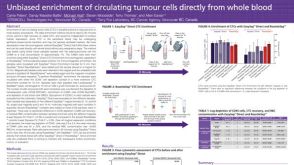 科学海报Unbiased Enrichment of Circulating Tumour Cells Directly from Whole Blood

 沪公网安备31010102008431号