Fluorescent fatty acid conjugates for live cell imaging of peroxisomes
Peroxisomes are eukaryotic organelles that are essential for multiple metabolic pathways,including fatty acid oxidation,degradation of amino acids,and biosynthesis of ether lipids. Consequently,peroxisome dysfunction leads to pediatric-onset neurodegenerative conditions,including Peroxisome Biogenesis Disorders (PBD). Due to the dynamic,tissue-specific,and context-dependent nature of their biogenesis and function,live cell imaging of peroxisomes is essential for studying peroxisome regulation,as well as for the diagnosis of PBD-linked abnormalities. However,the peroxisomal imaging toolkit is lacking in many respects,with no reporters for substrate import,nor cell-permeable probes that could stain dysfunctional peroxisomes. Here we report that the BODIPY-C12 fluorescent fatty acid probe stains functional and dysfunctional peroxisomes in live mammalian cells. We then go on to improve BODIPY-C12,generating peroxisome-specific reagents,PeroxiSPY650 and PeroxiSPY555. These probes combine high peroxisome specificity,bright fluorescence in the red and far-red spectrum,and fast non-cytotoxic staining,making them ideal tools for live cell,whole organism,or tissue imaging of peroxisomes. Finally,we demonstrate that PeroxiSPY enables diagnosis of peroxisome abnormalities in the PBD CRISPR/Cas9 cell models and patient-derived cell lines. The array of tools to image peroxisome regulation is still limited. Here,the authors develop improved fatty acid-based probes with high peroxisome specificity and bright fluorescence in the red/far-red spectrum,which makes them ideal to study peroxisomes in live cells and whole organisms.
View Publication
产品类型:
产品号#:
100-0276
100-1130
产品名:
mTeSR™ Plus
mTeSR™ Plus
T. W. von Geldern et al. (aug 2004)
Journal of medicinal chemistry 47 17 4213--30
Liver-selective glucocorticoid antagonists: a novel treatment for type 2 diabetes.
Hepatic blockade of glucocorticoid receptors (GR) suppresses glucose production and thus decreases circulating glucose levels,but systemic glucocorticoid antagonism can produce adrenal insufficiency and other undesirable side effects. These hepatic and systemic responses might be dissected,leading to liver-selective pharmacology,when a GR antagonist is linked to a bile acid in an appropriate manner. Bile acid conjugation can be accomplished with a minimal loss of binding affinity for GR. The resultant conjugates remain potent in cell-based functional assays. A novel in vivo assay has been developed to simultaneously evaluate both hepatic and systemic GR blockade; this assay has been used to optimize the nature and site of the linker functionality,as well as the choice of the GR antagonist and the bile acid. This optimization led to the identification of A-348441,which reduces glucose levels and improves lipid profiles in an animal model of diabetes.
View Publication
产品类型:
产品号#:
100-0564
100-0565
产品名:
Mifepristone
Mifepristone
Lechner A et al. (MAY 2002)
Biochemical and biophysical research communications 293 2 670--4
Nestin-positive progenitor cells derived from adult human pancreatic islets of Langerhans contain side population (SP) cells defined by expression of the ABCG2 (BCRP1) ATP-binding cassette transporter.
The disease diabetes mellitus arises as a consequence of a failure of the beta-cells in the islets of Langerhans of the pancreas to produce insulin in the amounts required to meet the needs of the body. Whole pancreas or islet transplants in patients with severe diabetes effectively restore insulin production. A lack of availability of donor pancreata requires the development of alternative sources of islets such as the ex vivo culture and differentiation of stem/progenitor cells. Earlier we discovered multipotential progenitor cells in islets isolated from adult human pancreata that express the neural stem cell marker nestin: nestin-positive islet-derived progenitor cells (NIPs). Recently it was shown that the exclusion of the Hoechst 33342 dye,which defines the pluripotential side population (SP) of hematopoietic stem cells,is mediated by the ATP-binding cassette transporter,ABCG2. Here we report that the human islet-derived NIPs contain a substantial subpopulation of SP cells that co-express ABCG2,MDR1,and nestin. Thus NIPs may be a potential source of adult pluripotential stem/progenitor cells useful for the production of islet tissue for transplantation into diabetic subjects.
View Publication
产品类型:
产品号#:
产品名:
Wunderlich M et al. (SEP 2006)
Blood 108 5 1690--7
Human CD34+ cells expressing the inv(16) fusion protein exhibit a myelomonocytic phenotype with greatly enhanced proliferative ability.
The t(16:16) and inv(16) are associated with FAB M4Eo myeloid leukemias and result in fusion of the CBFB gene to the MYH11 gene (encoding smooth muscle myosin heavy chain [SMMHC]). Knockout of CBFbeta causes embryonic lethality due to lack of definitive hematopoiesis. Although knock-in of CBFB-MYH11 is not sufficient to cause disease,expression increases the incidence of leukemia when combined with cooperating events. Although mouse models are valuable tools in the study of leukemogenesis,little is known about the contribution of CBFbeta-SMMHC to human hematopoietic stem and progenitor cell self-renewal. We introduced the CBFbeta-MYH11 cDNA into human CD34+ cells via retroviral transduction. Transduced cells displayed an initial repression of progenitor activity but eventually dominated the culture,resulting in the proliferation of clonal populations for up to 7 months. Long-term cultures displayed a myelomonocytic morphology while retaining multilineage progenitor activity and engraftment in NOD/SCID-B2M-/- mice. Progenitor cells from long-term cultures showed altered expression of genes defining inv(16) identified in microarray studies of human patient samples. This system will be useful in examining the effects of CBFbeta-SMMHC on gene expression in the human preleukemic cell,in characterizing the effect of this oncogene on human stem cell biology,and in defining its contribution to the development of leukemia.
View Publication
产品类型:
产品号#:
04100
产品名:
MethoCult™ H4100
Werden SJ and McFadden G ( 2010)
Journal of virology 84 7 3287--3302
Pharmacological manipulation of the akt signaling pathway regulates myxoma virus replication and tropism in human cancer cells.
Viruses have evolved an assortment of mechanisms for regulating the Akt signaling pathway to establish a cellular environment more favorable for viral replication. Myxoma virus (MYXV) is a rabbit-specific poxvirus that encodes many immunomodulatory factors,including an ankyrin repeat-containing host range protein termed M-T5 that functions to regulate tropism of MYXV for rabbit lymphocytes and certain human cancer cells. MYXV permissiveness in these human cancer cells is dependent upon the direct interaction between M-T5 and Akt,which has been shown to induce the kinase activity of Akt. In this study,an array of compounds that selectively manipulate Akt signaling was screened and we show that only a subset of Akt inhibitors significantly decreased the ability of MYXV to replicate in previously permissive human cancer cells. Furthermore,reduced viral replication efficiency was correlated with lower levels of phosphorylated Akt. In contrast,the PP2A-specific phosphatase inhibitor okadaic acid promoted increased Akt kinase activation and rescued MYXV replication in human cancer cells that did not previously support viral replication. Finally,phosphorylation of Akt at residue Thr308 was shown to dictate the physical interaction between Akt and M-T5,which then leads to phosphorylation of Ser473 and permits productive MYXV replication in these human cancer cells. The results of this study further characterize the mechanism by which M-T5 exploits the Akt signaling cascade and affirms this interaction as a major tropism determinant that regulates the replication efficiency of MYXV in human cancer cells.
View Publication
产品类型:
产品号#:
72952
产品名:
AKT Inhibitor X (Hydrochloride)
Billerbeck E et al. (FEB 2010)
Proceedings of the National Academy of Sciences of the United States of America 107 7 3006--11
Analysis of CD161 expression on human CD8+ T cells defines a distinct functional subset with tissue-homing properties.
CD8(+) T lymphocytes play a key role in host defense,in particular against important persistent viruses,although the critical functional properties of such cells in tissue are not fully defined. We have previously observed that CD8(+) T cells specific for tissue-localized viruses such as hepatitis C virus express high levels of the C-type lectin CD161. To explore the significance of this,we examined CD8(+)CD161(+) T cells in healthy donors and those with hepatitis C virus and defined a population of CD8(+) T cells with distinct homing and functional properties. These cells express high levels of CD161 and a pattern of molecules consistent with type 17 differentiation,including cytokines (e.g.,IL-17,IL-22),transcription factors (e.g.,retinoic acid-related orphan receptor gamma-t,P = 6 x 10(-9); RUNX2,P = 0.004),cytokine receptors (e.g.,IL-23R,P = 2 x 10(-7); IL-18 receptor,P = 4 x 10(-6)),and chemokine receptors (e.g.,CCR6,P = 3 x 10(-8); CXCR6,P = 3 x 10(-7); CCR2,P = 4 x 10(-7)). CD161(+)CD8(+) T cells were markedly enriched in tissue samples and coexpressed IL-17 with high levels of IFN-gamma and/or IL-22. The levels of polyfunctional cells in tissue was most marked in those with mild disease (P = 0.0006). These data define a T cell lineage that is present already in cord blood and represents as many as one in six circulating CD8(+) T cells in normal humans and a substantial fraction of tissue-infiltrating CD8(+) T cells in chronic inflammation. Such cells play a role in the pathogenesis of chronic hepatitis and arthritis and potentially in other infectious and inflammatory diseases of man.
View Publication
产品类型:
产品号#:
19053
19053RF
产品名:
EasySep™人CD8+ T细胞富集试剂盒
RoboSep™ 人CD8+ T细胞富集试剂盒含滤芯吸头
Rao R et al. (APR 2012)
Molecular cancer therapeutics 11 4 973--983
Combination of pan-histone deacetylase inhibitor and autophagy inhibitor exerts superior efficacy against triple-negative human breast cancer cells.
Histone deacetylase (HDAC) inhibitors (HDI) induce endoplasmic reticulum (ER) stress and apoptosis,while promoting autophagy,which promotes cancer cell survival when apoptosis is compromised. Here,we determined the in vitro and in vivo activity of the combination of the pan-HDI panobinostat and the autophagy inhibitor chloroquine against human estrogen/progesterone receptor and HER2 (triple)-negative breast cancer (TNBC) cells. Treatment of MB-231 and SUM159PT cells with panobinostat disrupted the hsp90/histone deacetylase 6/HSF1/p97 complex,resulting in the upregulation of hsp. This was accompanied by the induction of enhanced autophagic flux as evidenced by increased expression of LC3B-II and the degradation of the autophagic substrate p62. Treatment with panobinostat also induced the accumulation and colocalization of p62 with LC3B-II in cytosolic foci as evidenced by immunofluorescent confocal microscopy. Inhibition of panobinostat-induced autophagic flux by chloroquine markedly induced the accumulation of polyubiquitylated proteins and p62,caused synergistic cell death of MB-231 and SUM159PT cells,and inhibited mammosphere formation in MB-231 cells,compared with treatment with each agent alone. Finally,in mouse mammary fat pad xenografts of MB-231 cells,a tumor size-dependent induction of heat shock response,ER stress and autophagy were observed. Cotreatment with panobinostat and chloroquine resulted in reduced tumor burden and increased the survival of MB-231 breast cancer xenografts. Collectively,our findings show that cotreatment with an autophagy inhibitor and pan-HDI,for example,chloroquine and panobinostat results in accumulation of toxic polyubiquitylated proteins,exerts superior inhibitory effects on TNBC cell growth,and increases the survival of TNBC xenografts.
View Publication
产品类型:
产品号#:
05620
产品名:
MammoCult™人培养基试剂盒
Szewczyk K et al. (JUN 2016)
Human immunology 77 6 449--55
Flow cytometry crossmatch reactivity with pronase-treated T cells induced by non-HLA autoantibodies in human immunodeficiency virus-infected patients.
Pronase treatment is used in the flow cytometry crossmatch (FCXM) to prevent nonspecific antibody binding on B cells. However,we have observed unexpected positive results with pronase-treated T cells in human immunodeficiency virus (HIV)-infected patients. In this study,25 HIV-infected patients without HLA antibodies were tested with pronase-treated and nontreated cells. HIV-positive sera were pretreated with reducing agents and preabsorbed with pronase-treated and nontreated T or B cells before crossmatching. All patients displayed FCXM reactivity with pronase-treated T cells but not with nontreated T cells. None of the patients exhibited FCXM reactivity with pronase-treated and nontreated B cells. These patients displayed FCXM reactivity with pronase-treated CD4+ and CD8+ T cells but not with their nontreated counterparts. Preabsorption with pronase-treated T cells reduced the T cell FCXM reactivity. Preabsorption with pronase-treated B cells or nontreated T and B cells did not have any effect on the T cell FCXM reactivity. Pretreatment with reducing agents did not affect the T cell FCXM reactivity. 15 of 21 HIV-infected kidney allograft recipients with pronase-treated T cell FCXM reactivity display long-term graft survival (1193±631days). These data indicate that HIV-infected patients have nondeleterious autoantibodies recognizing cryptic epitopes exposed by pronase on T cells.
View Publication
产品类型:
产品号#:
17952
17952RF
17953
17953RF
21000
20119
20155
100-0696
100-0710
产品名:
EasySep™人CD4+ T细胞分选试剂盒
RoboSep™ 人CD4+ T细胞分选试剂盒
EasySep™人CD8+ T细胞分选试剂盒
RoboSep™ 人CD8+ T细胞分选试剂盒
RoboSep™- S
RoboSep™ 吸头组件抛光剂
RoboSep™分选试管套装(9个塑料管+吸头保护器)
EasySep™人CD4+ T细胞分离试剂盒
EasySep™人CD8+ T细胞分选试剂盒
Zhu L et al. (OCT 2016)
The Journal of cell biology 215 2 187--202
The mitochondrial protein CHCHD2 primes the differentiation potential of human induced pluripotent stem cells to neuroectodermal lineages.
Human induced pluripotent stem cell (hiPSC) utility is limited by variations in the ability of these cells to undergo lineage-specific differentiation. We have undertaken a transcriptional comparison of human embryonic stem cell (hESC) lines and hiPSC lines and have shown that hiPSCs are inferior in their ability to undergo neuroectodermal differentiation. Among the differentially expressed candidates between hESCs and hiPSCs,we identified a mitochondrial protein,CHCHD2,whose expression seems to correlate with neuroectodermal differentiation potential of pluripotent stem cells. We provide evidence that hiPSC variability with respect to CHCHD2 expression and differentiation potential is caused by clonal variation during the reprogramming process and that CHCHD2 primes neuroectodermal differentiation of hESCs and hiPSCs by binding and sequestering SMAD4 to the mitochondria,resulting in suppression of the activity of the TGFβ signaling pathway. Using CHCHD2 as a marker for assessing and comparing the hiPSC clonal and/or line differentiation potential provides a tool for large scale differentiation and hiPSC banking studies.
View Publication
产品类型:
产品号#:
85850
85857
产品名:
mTeSR™1
mTeSR™1
S. Tsai et al. (MAR 2018)
BMC cancer 18 1 335
Development of primary human pancreatic cancer organoids, matched stromal and immune cells and 3D tumor microenvironment models.
BACKGROUND Patient-derived tumor models are the new standard for pre-clinical drug testing and biomarker discovery. However,the emerging technology of primary pancreatic cancer organoids has not yet been broadly implemented in research,and complex organotypic models using organoids in co-culture with stromal and immune cellular components of the tumor have yet to be established. In this study,our objective was to develop and characterize pancreatic cancer organoids and multi-cell type organotypic co-culture models to demonstrate their applicability to the study of pancreatic cancer. METHODS We employed organoid culture methods and flow cytometric,cytologic,immunofluorescent and immunohistochemical methods to develop and characterize patient-derived pancreatic cancer organoids and multi-cell type organotypic co-culture models of the tumor microenvironment. RESULTS We describe the culture and characterization of human pancreatic cancer organoids from resection,ascites and rapid autopsy sources and the derivation of adherent tumor cell monocultures and tumor-associated fibroblasts from these sources. Primary human organoids displayed tumor-like cellular morphology,tissue architecture and polarity in contrast to cell line spheroids,which formed homogenous,non-lumen forming spheres. Importantly,we demonstrate the construction of complex organotypic models of tumor,stromal and immune components of the tumor microenvironment. Activation of myofibroblast-like cancer associated fibroblasts and tumor-dependent lymphocyte infiltration were observed in these models. CONCLUSIONS These studies provide the first report of novel and disease-relevant 3D in-vitro models representing pancreatic tumor,stromal and immune components using primary organoid co-cultures representative of the tumor-microenvironment. These models promise to facilitate the study of tumor-stroma and tumor-immune interaction and may be valuable for the assessment of immunotherapeutics such as checkpoint inhibitors in the context of T-cell infiltration.
View Publication
产品类型:
产品号#:
06005
产品名:
IntestiCult™ 肠道类器官生长培养基 (小鼠)
Ben-David U et al. (FEB 2013)
Cell stem cell 12 2 167--179
Selective elimination of human pluripotent stem cells by an oleate synthesis inhibitor discovered in a high-throughput screen
The use of human pluripotent stem cells (hPSCs) in cell therapy is hindered by the tumorigenic risk from residual undifferentiated cells. Here we performed a high-throughput screen of over 52,000 small molecules and identified 15 pluripotent cell-specific inhibitors (PluriSIns),nine of which share a common structural moiety. The PluriSIns selectively eliminated hPSCs while sparing a large array of progenitor and differentiated cells. Cellular and molecular analyses demonstrated that the most selective compound,PluriSIn 1,induces ER stress,protein synthesis attenuation,and apoptosis in hPSCs. Close examination identified this molecule as an inhibitor of stearoyl-coA desaturase (SCD1),the key enzyme in oleic acid biosynthesis,revealing a unique role for lipid metabolism in hPSCs. PluriSIn 1 was also cytotoxic to mouse blastocysts,indicating that the dependence on oleate is inherent to the pluripotent state. Finally,application of PluriSIn 1 prevented teratoma formation from tumorigenic undifferentiated cells. These findings should increase the safety of hPSC-based treatments. ?? 2013 Elsevier Inc.
View Publication


 EasySep™小鼠TIL(CD45)正选试剂盒




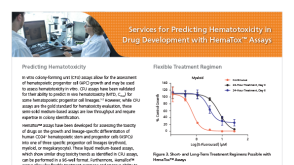 产品手册Services for Predicting Hematotoxicity in Drug Development with HemaTox™ Assays

 沪公网安备31010102008431号