M. Gentzsch et al. ( 2017)
American Journal of Respiratory Cell and Molecular Biology 56 5 568--574
Pharmacological rescue of conditionally reprogrammed cystic fibrosis bronchial epithelial cells
Well-differentiated primary human bronchial epithelial (HBE) cell cultures are vital for cystic fibrosis (CF) research,particularly for the development of cystic fibrosis transmembrane conductance regulator (CFTR) modulator drugs. Culturing of epithelial cells with irradiated 3T3 fibroblast feeder cells plus the RhoA kinase inhibitor Y-27632 (Y),termed conditionally reprogrammed cell (CRC) technology,enhances cell growth and lifespan while preserving cell-of-origin functionality. We initially determined the electrophysiological and morphological characteristics of conventional versus CRC-expanded non-CF HBE cells. On the basis of these findings,we then created six CF cell CRC populations,three from sequentially obtained CF lungs and three from F508 del homozygous donors previously obtained and cryopreserved using conventional culture methods. Growth curves were plotted,and cells were subcultured,without irradiated feeders plus Y,into air-liquid interface conditions in nonproprietary and proprietary Ultroser G-containing media and were allowed to differentiate. Ussing chamber studies were performed after treatment of F508 del homozygous CF cells with the CFTR modulator VX-809. Bronchial epithelial cells grew exponentially in feeders plus Y,dramatically surpassing the numbers of conventionally grown cells. Passage 5 and 10 CRC HBE cells formed confluent mucociliary air-liquid interface cultures. There were differences in cell morphology and current magnitude as a function of extended passage,but the effect of VX-809 in increasing CFTR function was significant in CRC-expanded F508 del HBE cells. Thus,CRC technology expands the supply of functional primary CF HBE cells for testing CFTR modulators in Ussing chambers.
View Publication
产品类型:
产品号#:
100-0352
产品名:
条件性重编程(CR)培养基
(Nov 2024)
Bio-protocol 14 22
Multiplex Genome Editing of Human Pluripotent Stem Cells Using Cpf1
Targeted genome editing of human pluripotent stem cells (hPSCs) is critical for basic and translational research and can be achieved with site-specific endonucleases. Cpf1 (CRISPR from Prevotella and Francisella) is a programmable DNA endonuclease with AT-rich PAM sequences. In this protocol,we describe procedures for using a single vector system to deliver Cpf1 and CRISPR RNA (crRNA) for genome editing in hPSCs. This protocol enables indel formation and homologous recombination-mediated precise editing at multiple loci. With the delivery of Cpf1 and a single U6 promoter-driven guide RNA array composed of an AAVS1-targeting and a MAFB-targeting crRNA array,efficient multiplex genome editing at the AAVS1 (knockin) and MAFB (knockout) loci in hPSCs could be achieved in a single experiment. The edited hPSCs expressed pluripotency markers and could differentiate into neurons in vitro. This system also generated INS reporter hPSCs with a 6 kb cassette knockin at the INS locus. The INS reporter cells can differentiate into β-cells that express tdTomato and luciferase,permitting fluorescence-activated cell sorting of hPSC-β-cells. By targeted screening of potential off-target sequences that are most homologous to crRNA sequences,no off-target mutations were detected in any of the tested sequences. This work provides an efficient and flexible system for precise genome editing in mammalian cells including hPSCs with the benefits of less off-target effects. Key features • A single-vector system to deliver Cpf1 and crRNA enables the sorting of transfected cells • Efficient and simultaneous multi-modular genome editing exemplified by mutation of MAFB and knockin of AAVS1 loci in a single experiment • Edited PSCs showed minimal off-target effects and can be differentiated into multiple cell types.
View Publication
产品类型:
产品号#:
34411
34415
34421
34425
34450
34460
85850
85857
产品名:
AggreWell™ 400 24孔板,1个
AggreWell™400 24孔板,5个
AggreWell™ 400 6孔板,1个
AggreWell™ 400 6孔板,5个
AggreWell™400 24孔板启动套装
AggreWell™ 400 6孔板启动套装
mTeSR™1
mTeSR™1
X. Guan et al. (jun 2022)
Nature 606 7915 791--796
Androgen receptor activity in T cells limits checkpoint blockade efficacy.
Immune checkpoint blockade has revolutionized the field of oncology,inducing durable anti-tumour immunity in solid tumours. In patients with advanced prostate cancer,immunotherapy treatments have largely failed1-5. Androgen deprivation therapy is classically administered in these patients to inhibit tumour cell growth,and we postulated that this therapy also affects tumour-associated T cells. Here we demonstrate that androgen receptor (AR) blockade sensitizes tumour-bearing hosts to effective checkpoint blockade by directly enhancing CD8 T cell function. Inhibition of AR activity in CD8 T cells prevented T cell exhaustion and improved responsiveness to PD-1 targeted therapy via increased IFN$\gamma$ expression. AR bound directly to Ifng and eviction of AR with a small molecule significantly increased cytokine production in CD8 T cells. Together,our findings establish that T cell intrinsic AR activity represses IFN$\gamma$ expression and represents a novel mechanism of immunotherapy resistance.
View Publication
L. Fast et al. (Dec 2025)
Nature Communications 16
Search-and-remove genome editing allows selection of cells by DNA sequence
The selection of cells that have acquired a desired gene edit is often done by the introduction of additional genes that confer drug resistance or encode fluorophores. However,such marker genes can have unintended physiological effects and are not compatible with editing of single nucleotides. Here,we present SNIPE,a method that allows the marker-free selection of edited cells based on single nucleotide differences to unedited cells. SNIPE drastically enriches for cells,which have been precisely edited (median 7-fold). We validate the approach for 42 different edits using Cas9 or Cas12a in different cell types and species. We use it to enrich for combinations of substitutions that change missense mutations carried by all people today back to the ancestral state seen in Neandertals and Denisovans. We also show that it can be used to kill cultured tumor cells with aberrant genotypes and to repair heterozygous tumorigenic mutations. Genome editing often requires marker genes for selection of edited cells. Here,the authors present SNIPE,a marker-free method that selects cells based on DNA sequence,enabling precise enrichment of edited cells and applications from evolutionary research to the elimination of cancer cells.
View Publication
产品类型:
产品号#:
05854
05855
产品名:
mFreSR™
mFreSR™
Caron G et al. (AUG 2005)
Journal of immunology (Baltimore,Md. : 1950) 175 3 1551--7
Direct stimulation of human T cells via TLR5 and TLR7/8: flagellin and R-848 up-regulate proliferation and IFN-gamma production by memory CD4+ T cells.
TLRs are involved in innate cell activation by conserved structures expressed by microorganisms. Human T cells express the mRNA encoding most of TLRs. Therefore,we tested whether some TLR ligands may modulate the function of highly purified human CD4+ T lymphocytes. We report that,in the absence of APCs,flagellin (a TLR5 ligand) and R-848 (a TLR7/8 ligand) synergized with suboptimal concentrations of TCR-dependent (anti-CD3 mAb) or -independent stimuli (anti-CD2 mAbs or IL-2) to up-regulate proliferation and IFN-gamma,IL-8,and IL-10 but not IL-4 production by human CD4+ T cells. No effect of poly(I:C) and LPS,ligands for TLR3 and TLR4,respectively,was detected. We also observed that CD4+CD45RO+ memory T cell responses to TLR ligands were more potent than those observed with CD4+CD45RA+ naive T cells. Moreover,among the memory T cells,CCR7- effector cells were more sensitive to TLR ligands than CCR7+ central memory cells. These data demonstrate for the first time a direct effect of TLR5 and TLR7/8 ligands on human T cells,and highlight an innate arm in T cell functions. They also suggest that some components from invading microorganisms may directly stimulate effector memory T cells located in tissues by up-regulating cytokine and chemokine production.
View Publication
产品类型:
产品号#:
73782
73784
产品名:
R848
R848
Relañ et al. (AUG 2013)
PLoS Pathogens 9 8 e1003485
Prion Replication Occurs in Endogenous Adult Neural Stem Cells and Alters Their Neuronal Fate: Involvement of Endogenous Neural Stem Cells in Prion Diseases
Prion diseases are irreversible progressive neurodegenerative diseases,leading to severe incapacity and death. They are characterized in the brain by prion amyloid deposits,vacuolisation,astrocytosis,neuronal degeneration,and by cognitive,behavioural and physical impairments. There is no treatment for these disorders and stem cell therapy therefore represents an interesting new approach. Gains could not only result from the cell transplantation,but also from the stimulation of endogenous neural stem cells (NSC) or by the combination of both approaches. However,the development of such strategies requires a detailed knowledge of the pathology,particularly concerning the status of the adult neurogenesis and endogenous NSC during the development of the disease. During the past decade,several studies have consistently shown that NSC reside in the adult mammalian central nervous system (CNS) and that adult neurogenesis occurs throughout the adulthood in the subventricular zone of the lateral ventricle or the Dentate Gyrus of the hippocampus. Adult NSC are believed to constitute a reservoir for neuronal replacement during normal cell turnover or after brain injury. However,the activation of this system does not fully compensate the neuronal loss that occurs during neurodegenerative diseases and could even contribute to the disease progression. We investigated here the status of these cells during the development of prion disorders. We were able to show that NSC accumulate and replicate prions. Importantly,this resulted in the alteration of their neuronal fate which then represents a new pathologic event that might underlie the rapid progression of the disease.
View Publication
产品类型:
产品号#:
05700
05701
05702
05715
产品名:
NeuroCult™ 基础培养基(小鼠&大鼠)
NeuroCult™ 扩增添加物 (小鼠&大鼠)
NeuroCult™ 扩增试剂盒 (小鼠&大鼠)
NeuroCult™成年中枢神经系统(CNS)组织酶解试剂盒(小鼠和大鼠)
Nakamura H et al. (OCT 2013)
Herpesviridae 4 1 2
Human cytomegalovirus induces apoptosis in neural stem/progenitor cells derived from induced pluripotent stem cells by generating mitochondrial dysfunction and endoplasmic reticulum stress
BACKGROUND Congenital human cytomegalovirus (HCMV) infection,a leading cause of birth defects,is most often manifested as neurological disorders. The pathogenesis of HCMV-induced neurological disorders is,however,largely unresolved,primarily because of limited availability of model systems to analyze the effects of HCMV infection on neural cells. METHODS An induced pluripotent stem cell (iPSC) line was established from the human fibroblast line MRC5 by introducing the Yamanaka's four factors and then induced to differentiate into neural stem/progenitor cells (NSPCs) by dual inhibition of the SMAD signaling pathway using Noggin and SB-431542. RESULTS iPSC-derived NSPCs (NSPC/iPSCs) were susceptible to HCMV infection and allowed the expression of both early and late viral gene products. HCMV-infected NSPC/iPSCs underwent apoptosis with the activation of caspase-3 and -9 as well as positive staining by the terminal deoxynucleotidyl transferase-mediated dUTP nick-end labeling (TUNEL). Cytochrome c release from mitochondria to cytosol was observed in these cells,indicating the involvement of mitochondrial dysfunction in their apoptosis. In addition,phosphorylation of proteins involved in the unfolded protein response (UPR),such as PKR-like eukaryotic initiation factor 2a kinase (PERK),c-Jun NH2-terminal kinase (JNK),inositol-requiring enzyme 1 (IRE1),and the alpha subunit of eukaryotic initiation factor 2 (eIF2$$) was observed in HCMV-infected NSPC/iPSCs. These results,coupled with the finding of increased expression of mRNA encoding the C/EBP-homologous protein (CHOP) and the detection of a spliced form of X-box binding protein 1 (XBP1) mRNA,suggest that endoplasmic reticulum (ER) stress is also involved in HCMV-induced apoptosis of these cells. CONCLUSIONS iPSC-derived NSPCs are thought to be a useful model to study HCMV neuropathogenesis and to analyze the mechanisms of HCMV-induced apoptosis in neural cells.
View Publication
产品类型:
产品号#:
85850
85857
产品名:
mTeSR™1
mTeSR™1
Wang W et al. (NOV 2011)
Proceedings of the National Academy of Sciences of the United States of America 108 45 18283--8
Rapid and efficient reprogramming of somatic cells to induced pluripotent stem cells by retinoic acid receptor gamma and liver receptor homolog 1.
Somatic cells can be reprogrammed to induced pluripotent stem cells (iPSCs) by expressing four transcription factors: Oct4,Sox2,Klf4,and c-Myc. Here we report that enhancing RA signaling by expressing RA receptors (RARs) or by RA agonists profoundly promoted reprogramming,but inhibiting it using a RAR-α dominant-negative form completely blocked it. Coexpressing Rarg (RAR-γ) and Lrh-1 (liver receptor homologue 1; Nr5a2) with the four factors greatly accelerated reprogramming so that reprogramming of mouse embryonic fibroblast cells to ground-state iPSCs requires only 4 d induction of these six factors. The six-factor combination readily reprogrammed primary human neonatal and adult fibroblast cells to exogenous factor-independent iPSCs,which resembled ground-state mouse ES cells in growth properties,gene expression,and signaling dependency. Our findings demonstrate that signaling through RARs has critical roles in molecular reprogramming and that the synergistic interaction between Rarg and Lrh1 directs reprogramming toward ground-state pluripotency. The human iPSCs described here should facilitate functional analysis of the human genome.
View Publication
产品类型:
产品号#:
72722
72724
72964
产品名:
CD437
CD437
AM580
(Aug 2024)
BMJ Open 14 8
Study protocol for the ROLEX-DUO randomised placebo-controlled trial: ROmosozumab Loaded with EXercise – DUal effects on bone and muscle in postmenopausal Osteoporosis and Osteopenia
AbstractIntroductionNovel strategies are needed to address the rising burden of osteoporosis and fragility fractures. High-intensity resistance and impact (HiRIT) exercise has shown benefit in improving bone density in postmenopausal women with osteoporosis/osteopenia. Whether HiRIT can enhance the therapeutic effects of osteoporosis pharmacotherapy has not been established. ROLEX-DUO is a randomised controlled trial designed to assess the efficacy of romosozumab on various bone and muscle outcomes in combination with different exercise interventions in women with postmenopausal osteoporosis/osteopenia.Methods and analysisROLEX-DUO is an 8-month randomised placebo-controlled trial conducted at two tertiary referral centres for patients with osteoporosis/osteopenia in Sydney,New South Wales,Australia. The study is implementing the combination of romosozumab or placebo with different forms of exercise in postmenopausal women with osteoporosis/osteopenia without recent fragility fracture (n=102). Eligible women will be randomised 1:1:1 into one of three groups: (1) romosozumab with supervised HiRIT,(2) romosozumab with unsupervised low-intensity exercise or (3) placebo with unsupervised low-intensity exercise. Co-primary outcomes are the mean percentage change in lumbar spine bone mineral density (BMD),and mean change in five times sit-to-stand test performance (seconds) at 8 months. Secondary/exploratory outcomes include BMD changes at the femoral neck,total hip and distal radius,three-dimensional dual-energy X-ray absorptiometry (DXA) hip outcomes,DXA-derived lean and fat mass,serum markers of bone turnover (procollagen type 1 peptide,C-telopeptide of type 1 collagen) and bone biomarkers (dickkopf-1),serum extracellular vesicle analyses,36-Item Short Form Survey (SF-36) quality-of-life scores,Menopause-Specific Quality Of Life (MENQOL) Questionnaire menopause symptom burden scores,number of falls and fractures. Mixed-effects models will be performed to compare longitudinal outcome results between groups using intention-to-treat analysis.Ethics and disseminationThe trial was approved by the Northern Sydney Local Health District Human Research Ethics Committee (2022/ETH01794,protocol V.8,dated 03 July 2024). Participants will provide written informed consent prior to inclusion. Findings will be disseminated via peer-reviewed journals,scientific conferences and summary reports to funding bodies.Trial registration numberACTRN12623000867695.
View Publication
产品类型:
产品号#:
17891
产品名:
EasySep™ 人Pan-细胞外囊泡正选试剂盒
Folkes AJ et al. ( 2008)
Journal of medicinal chemistry 51 18 5522--5532
The identification of 2-(1H-indazol-4-yl)-6-(4-methanesulfonyl-piperazin-1-ylmethyl)-4-morpholin-4-yl-thieno[3,2-d]pyrimidine (GDC-0941) as a potent, selective, orally bioavailable inhibitor of class I PI3 kinase for the treatment of cancer .
Phosphatidylinositol-3-kinase (PI3K) is an important target in cancer due to the deregulation of the PI3K/ Akt signaling pathway in a wide variety of tumors. A series of thieno[3,2-d]pyrimidine derivatives were prepared and evaluated as inhibitors of PI3 kinase p110alpha. The synthesis,biological activity,and further profiling of these compounds are described. This work resulted in the discovery of 17,GDC-0941,which is a potent,selective,orally bioavailable inhibitor of PI3K and is currently being evaluated in human clinical trials for the treatment of cancer.
View Publication


 EasySep™小鼠TIL(CD45)正选试剂盒




 科学海报A Human Pluripotent Stem Cell-Derived Organoid Model for Recapitulation of Central Nervous System (CNS) Barrier and Fluid Secretion Functions of the Choroid Plexus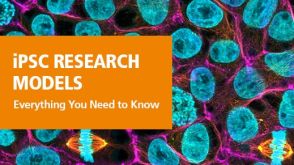

 沪公网安备31010102008431号