Zaidi SK et al. (SEP 2016)
Journal of Cellular Physiology 231 9 2007--2013
Expression of Ribosomal RNA and Protein Genes in Human Embryonic Stem Cells Is Associated With the Activating H3K4me3 Histone Mark
Embryonic stem cells (ESCs) exhibit unrestricted and indefinite,but stringently controlled,proliferation,and can differentiate into any lineage in the body. In the current study,we test the hypothesis that expression of ribosomal RNA (rRNA) and ribosomal protein genes (RPGs) contribute to the ability of hESCs to proliferate indefinitely. Consistent with the accelerated growth rate of hESCs,we find that hESC lines H1 and H9 both exhibit significantly higher levels of rRNA when compared to a panel of normal and cancer human cell lines. Although many RPGs are expressed at levels that comparable to other human cell lines,a few RPGs also exhibit higher expression levels. In situ nuclear run-on assays reveal that both nucleoli in hESCs actively transcribe nascent rRNA. Employing genome-wide chromatin immunoprecipitation-deep sequencing and bioinformatics approaches,we discovered that,RPGs are dominantly marked by the activating H3K4me3 histone mark in the G1,M,and G2 phases of the cell cycle. Interestingly,the rDNA repeats are marked by the activating H3K4me3 only in the M phase,and repressive H3K27me3 histone mark in all three cell cycle phases. Bioinformatics analyses also reveal that Myc,a known regulator of cell growth and proliferation,occupies both the rRNA genes and RPGs. Functionally,down-regulation of Myc expression by siRNA results in a concomitant decrease in rRNA levels. Together,our results show that expression of rRNA,which is regulated by the Myc pluripotency transcription factor,and of RPGs in hESCs is associated with the activating H3K4me3 modification. J. Cell. Physiol. 231: 2007-2013,2016. textcopyright 2016 Wiley Periodicals,Inc.
View Publication
产品类型:
产品号#:
85850
85857
产品名:
mTeSR™1
mTeSR™1
Zagoura D et al. (SEP 2016)
Neurochemistry international
Evaluation of the rotenone-induced activation of the Nrf2 pathway in a neuronal model derived from human induced pluripotent stem cells.
Human induced pluripotent stem cells (hiPSCs) are considered as a powerful tool for drug and chemical screening and development of new in vitro testing strategies in the field of toxicology,including neurotoxicity evaluation. These cells are able to expand and efficiently differentiate into different types of neuronal and glial cells as well as peripheral neurons. These human cells-based neuronal models serve as test systems for mechanistic studies on different pathways involved in neurotoxicity. One of the well-known mechanisms that are activated by chemically-induced oxidative stress is the Nrf2 signaling pathway. Therefore,in the current study,we evaluated whether Nrf2 signaling machinery is expressed in human induced pluripotent stem cells (hiPSCs)-derived mixed neuronal/glial culture and if so whether it becomes activated by rotenone-induced oxidative stress mediated by complex I inhibition of mitochondrial respiration. Rotenone was found to induce the activation of Nrf2 signaling particularly at the highest tested concentration (100 nM),as shown by Nrf2 nuclear translocation and the up-regulation of the Nrf2-downstream antioxidant enzymes,NQO1 and SRXN1. Interestingly,exposure to rotenone also increased the number of astroglial cells in which Nrf2 activation may play an important role in neuroprotection. Moreover,rotenone caused cell death of dopaminergic neurons since a decreased percentage of tyrosine hydroxylase (TH(+)) cells was observed. The obtained results suggest that hiPSC-derived mixed neuronal/glial culture could be a valuable in vitro human model for the establishment of neuronal specific assays in order to link Nrf2 pathway activation (biomarker of oxidative stress) with additional neuronal specific readouts that could be applied to in vitro neurotoxicity evaluation.
View Publication
产品类型:
产品号#:
85850
85857
产品名:
mTeSR™1
mTeSR™1
Zou Y et al. (FEB 2017)
Biogerontology 18 1 69--84
Telomere length is regulated by FGF-2 in human embryonic stem cells and affects the life span of its differentiated progenies.
The ability of human embryonic stem cells (hESCs) to proliferate indefinitely is attributed to its high telomerase activity and associated long telomere. However,factors regulating telomere length in hESCs remain largely uncharacterized. The aims of this study were,to identify factors which modulate telomere length of hESCs,and to determine if the telomere length of hESCs influences cellular senescence of its differentiated progeny cells. Telomerase reverse transcriptase (TERT) gene expression,telomerase activity and telomere length of hESCs cultured in different culture systems were compared. Genetically identical hESCs of different telomere lengths were differentiated into fibroblasts simultaneously,and the population doubling and cellular senescence levels were determined. We found that telomere lengths were significantly different in different culture systems and Fibroblast growth factor-2 (FGF-2) upregulated TERT expression,telomerase activity and telomere length via Wnt/β-catenin signaling pathway in hESCs in a significant manner. We also provide evidence that fibroblast differentiated from hESCs with longer telomere exhibited significant more population doublings and longer life span than those derived from hESCs with shorter telomeres. Thus,FGF-2 levels in hESCs culture systems can be manipulated to generate cells with longer telomere which would be advantageous in the applications of hESCs in regenerative medicine.
View Publication
产品类型:
产品号#:
85850
85857
产品名:
mTeSR™1
mTeSR™1
Mali P et al. (APR 2010)
Stem cells (Dayton,Ohio) 28 4 713--20
Butyrate greatly enhances derivation of human induced pluripotent stem cells by promoting epigenetic remodeling and the expression of pluripotency-associated genes.
We report here that butyrate,a naturally occurring fatty acid commonly used as a nutritional supplement and differentiation agent,greatly enhances the efficiency of induced pluripotent stem (iPS) cell derivation from human adult or fetal fibroblasts. After transient butyrate treatment,the iPS cell derivation efficiency is enhanced by 15- to 51-fold using either retroviral or piggyBac transposon vectors expressing 4 to 5 reprogramming genes. Butyrate stimulation is more remarkable (textgreater100- to 200-fold) on reprogramming in the absence of either KLF4 or MYC transgene. Butyrate treatment did not negatively affect properties of iPS cell lines established by either 3 or 4 retroviral vectors or a single piggyBac DNA transposon vector. These characterized iPS cell lines,including those derived from an adult patient with sickle cell disease by either the piggyBac or retroviral vectors,show normal karyotypes and pluripotency. To gain insights into the underlying mechanisms of butyrate stimulation,we conducted genome-wide gene expression and promoter DNA methylation microarrays and other epigenetic analyses on established iPS cells and cells from intermediate stages of the reprogramming process. By days 6 to 12 during reprogramming,butyrate treatment enhanced histone H3 acetylation,promoter DNA demethylation,and the expression of endogenous pluripotency-associated genes,including DPPA2,whose overexpression partially substitutes for butyrate stimulation. Thus,butyrate as a cell permeable small molecule provides a simple tool to further investigate molecular mechanisms of cellular reprogramming. Moreover,butyrate stimulation provides an efficient method for reprogramming various human adult somatic cells,including cells from patients that are more refractory to reprogramming.
View Publication
产品类型:
产品号#:
72212
产品名:
RG108
Emre N et al. (JAN 2010)
PLoS ONE 5 8 e12148
The ROCK inhibitor Y-27632 improves recovery of human embryonic stem cells after fluorescence-activated cell sorting with multiple cell surface markers
BACKGROUND: Due to the inherent sensitivity of human embryonic stem cells (hESCs) to manipulations,the recovery and survival of hESCs after fluorescence-activated cell sorting (FACS) can be low. Additionally,a well characterized and robust methodology for performing FACS on hESCs using multiple-cell surface markers has not been described. The p160-Rho-associated coiled kinase (ROCK) inhibitor,Y-27632,previously has been identified as enhancing survival of hESCs upon single-cell dissociation,as well as enhancing recovery from cryopreservation. Here we examined the application of Y-27632 to hESCs after FACS to improve survival in both feeder-dependent and feeder-independent growth conditions. METHODOLOGY/PRINCIPAL FINDINGS: HESCs were sorted using markers for SSEA-3,TRA-1-81,and SSEA-1. Cells were plated after sorting for 24 hours in either the presence or the absence of Y-27632. In both feeder-dependent and feeder-independent conditions,cell survival was greater when Y-27632 was applied to the hESCs after sort. Specifically,treatment of cells with Y-27632 improved post-sort recovery up to four fold. To determine the long-term effects of sorting with and without the application of Y-27632,hESCs were further analyzed. Specifically,hESCs sorted with and without the addition of Y-27632 retained normal morphology,expressed hESC-specific markers as measured by immunocytochemistry and flow cytometry,and maintained a stable karyotype. In addition,the hESCs could differentiate into three germ layers in vitro and in vivo in both feeder-dependent and feeder-independent growth conditions. CONCLUSIONS/SIGNIFICANCE: The application of Y-27632 to hESCs after cell sorting improves cell recovery with no observed effect on pluripotency,and enables the consistent recovery of hESCs by FACS using multiple surface markers. This improved methodology for cell sorting of hESCs will aid many applications such as removal of hESCs from secondary cell types,identification and isolation of stem cell subpopulations,and generation of single cell clones. Finally,these results demonstrate an additional application of ROCK inhibition to hESC research.
View Publication
产品类型:
产品号#:
85850
85857
产品名:
mTeSR™1
mTeSR™1
(May 2024)
Journal for Immunotherapy of Cancer 12 5
Therapeutic Inducers of Natural Killer cell Killing (ThINKK): preclinical assessment of safety and efficacy in allogeneic hematopoietic stem cell transplant settings
BackgroundAllogeneic hematopoietic stem cell transplantation (HSCT) remains the standard of care for chemotherapy-refractory leukemia patients,but cure rates are still dismal. To prevent leukemia relapse following HSCT,we aim to improve the early graft-versus-leukemia effect mediated by natural killer (NK) cells. Our approach is based on the adoptive transfer of Therapeutic Inducers of Natural Killer cell Killing (ThINKK). ThINKK are expanded and differentiated from HSC,and exhibit blood plasmacytoid dendritic cell (pDC) features. We previously demonstrated that ThINKK stimulate NK cells and control acute lymphoblastic leukemia (ALL) development in a preclinical mouse model of HSCT for ALL. Here,we assessed the cellular identity of ThINKK and investigated their potential to activate allogeneic T cells. We finally evaluated the effect of immunosuppressive drugs on ThINKK-NK cell interaction.MethodsThINKK cellular identity was explored using single-cell RNA sequencing and flow cytometry. Their T-cell activating potential was investigated by coculture of allogeneic T cells and antigen-presenting cells in the presence or the absence of ThINKK. A preclinical human-to-mouse xenograft model was used to evaluate the impact of ThINKK injections on graft-versus-host disease (GvHD). Finally,the effect of immunosuppressive drugs on ThINKK-induced NK cell cytotoxicity against ALL cells was tested.ResultsThe large majority of ThINKK shared the key characteristics of canonical blood pDC,including potent type-I interferon (IFN) production following Toll-like receptor stimulation. A minor subset expressed some,although not all,markers of other dendritic cell populations. Importantly,while ThINKK were not killed by allogeneic T or NK cells,they did not increase T cell proliferation induced by antigen-presenting cells nor worsened GvHD in vivo. Finally,tacrolimus,sirolimus or mycophenolate did not decrease ThINKK-induced NK cell activation and cytotoxicity.ConclusionOur results indicate that ThINKK are type I IFN producing cells with low T cell activation capacity. Therefore,ThINKK adoptive immunotherapy is not expected to increase the risk of GvHD after allogeneic HSCT. Furthermore,our data predict that the use of tacrolimus,sirolimus or mycophenolate as anti-GvHD prophylaxis regimen will not decrease ThINKK therapeutic efficacy. Collectively,these preclinical data support the testing of ThINKK immunotherapy in a phase I clinical trial.
View Publication
Kharas MG et al. (SEP 2008)
The Journal of clinical investigation 118 9 3038--50
Ablation of PI3K blocks BCR-ABL leukemogenesis in mice, and a dual PI3K/mTOR inhibitor prevents expansion of human BCR-ABL+ leukemia cells.
Some cases of pre-B cell acute lymphoblastic leukemia (pre-B-ALL) are caused by the Philadelphia (Ph) chromosome-encoded BCR-ABL oncogene,and these tend to have a poor prognosis. Inhibitors of the PI3K/AKT pathway reduce BCR-ABL-mediated transformation in vitro; however,the specific PI3K isoforms involved are poorly defined. Using a murine model of Ph+ pre-B-ALL,we found that deletion of both Pik3r1 and Pik3r2,genes encoding class IA PI3K regulatory isoforms,severely impaired transformation. BCR-ABL-dependent pre/pro-B cell lines could be established at low frequency from progenitors that lacked these genes,but the cells were smaller,proliferated more slowly,and failed to cause leukemia in vivo. These cell lines displayed nearly undetectable PI3K signaling function and were resistant to the PI3K inhibitor wortmannin. However,they maintained activation of mammalian target of rapamycin (mTOR) and were more sensitive to rapamycin. Treatment with rapamycin caused feedback activation of AKT in WT cell lines but not PI3K-deficient lines. A dual inhibitor of PI3K and mTOR,PI-103,was more effective than rapamycin at suppressing proliferation of mouse pre-B-ALL and human CD19+CD34+)Ph+ ALL leukemia cells treated with the ABL kinase inhibitor imatinib. Our findings provide mechanistic insights into PI3K dependency in oncogenic networks and provide a rationale for targeting class IA PI3K,alone or together with mTOR,in the treatment of Ph+ ALL.
View Publication
产品类型:
产品号#:
03630
产品名:
MethoCult™M3630
Azevedo RI et al. (MAR 2009)
Blood 113 13 2999--3007
IL-7 sustains CD31 expression in human naive CD4+ T cells and preferentially expands the CD31+ subset in a PI3K-dependent manner.
The CD31(+) subset of human naive CD4(+) T cells is thought to contain the population of cells that have recently emigrated from the thymus,while their CD31(-) counterparts have been proposed to originate from CD31(+) cells after homeostatic cell division. Naive T-cell maintenance is known to involve homeostatic cytokines such as interleukin-7 (IL-7). It remains to be investigated what role this cytokine has in the homeostasis of naive CD4(+) T-cell subsets defined by CD31 expression. We provide evidence that IL-7 exerts a preferential proliferative effect on CD31(+) naive CD4(+) T cells from adult peripheral blood compared with the CD31(-) subset. IL-7-driven proliferation did not result in loss of CD31 expression,suggesting that CD31(+) naive CD4(+) T cells can undergo cytokine-driven homeostatic proliferation while preserving CD31. Furthermore,IL-7 sustained or increased CD31 expression even in nonproliferating cells. Both proliferation and CD31 maintenance were dependent on the activation of phosphoinositide 3-kinase (PI3K) signaling. Taken together,our data suggest that during adulthood CD31(+) naive CD4(+) T cells are maintained by IL-7 and that IL-7-based therapies may exert a preferential effect on this population.
View Publication
产品类型:
产品号#:
19052
19052RF
产品名:
EasySep™人CD4+ T细胞富集试剂盒
RoboSep™ 人CD4+ T细胞富集试剂盒含滤芯吸头
Panova AV et al. (APR 2013)
Acta Naturae 5 17 54--61
Late Replication of the Inactive X Chromosome Is Independent of the Compactness of Chromosome Territory in Human Pluripotent Stem Cells
Dosage compensation of the X chromosomes in mammals is performed via the formation of facultative heterochromatin on extra X chromosomes in female somatic cells. Facultative heterochromatin of the inactivated X (Xi),as well as constitutive heterochromatin,replicates late during the S-phase. It is generally accepted that Xi is always more compact in the interphase nucleus. The dense chromosomal folding has been proposed to define the late replication of Xi. In contrast to mouse pluripotent stem cells (PSCs),the status of X chromosome inactivation in human PSCs may vary significantly. Fluorescence in situ hybridization with a whole X-chromosome- specific DNA probe revealed that late-replicating Xi may occupy either compact or dispersed territory in human PSCs. Thus,the late replication of the Xi does not depend on the compactness of chromosome territory in human PSCs. However,the Xi reactivation and the synchronization in the replication timing of X chromosomes upon reprogramming are necessarily accompanied by the expansion of X chromosome territory.
View Publication
产品类型:
产品号#:
85850
85857
产品名:
mTeSR™1
mTeSR™1
Jung J-H et al. (APR 2015)
Stem cells and development 24 8 948--61
CXCR2 and its related ligands play a novel role in supporting the pluripotency and proliferation of human pluripotent stem cells.
Basic fibroblast growth factor (bFGF) is a crucial factor sustaining human pluripotent stem cells (hPSCs). We designed this study to search the substitutive factors other than bFGF for the maintenance of hPSCs by using human placenta-derived conditioned medium without exogenous bFGF (hPCCM-),containing chemokine (C-X-C motif) receptor 2 (CXCR2) ligands,including interleukin (IL)-8 and growth-related oncogene $\$(GRO$\$),which were developed on the basis of our previous studies. First,we confirmed that IL-8 and/or GRO$\$ independent roles to preserve the phenotype of hPSCs. Then,we tried CXCR2 blockage of hPSCs in hPCCM- and verified the significant decrease of pluripotency-associated genes expression and the proliferation of hPSCs. Interestingly,CXCR2 suppression of hPSCs in mTeSR™1 containing exogenous bFGF decreased the proliferation of hPSCs while maintaining pluripotency characteristics. Lastly,we found that hPSCs proliferated robustly for more than 35 passages in hPCCM- on a gelatin substratum. Higher CXCR2 expression of hPSCs cultured in hPCCM- than those in mTeSR™1 was observable. Our findings suggest that CXCR2 and its related ligands might be novel factors comparable to bFGF supporting the characteristics of hPSCs and hPCCM- might be useful for the maintenance of hPSCs as well as for the accurate evaluation of CXCR2 role in hPSCs without the confounding influence of exogenous bFGF.
View Publication
产品类型:
产品号#:
85850
85857
产品名:
mTeSR™1
mTeSR™1
Chichagova V et al. ( 2016)
1353 285--307
Generation of Human Induced Pluripotent Stem Cells Using RNA-Based Sendai Virus System and Pluripotency Validation of the Resulting Cell Population.
Human induced pluripotent stem cells (hiPSCs) provide a platform for studying human disease in vitro,increase our understanding of human embryonic development,and provide clinically relevant cell types for transplantation,drug testing,and toxicology studies. Since their discovery,numerous advances have been made in order to eliminate issues such as vector integration into the host genome,low reprogramming efficiency,incomplete reprogramming and acquisition of genomic instabilities. One of the ways to achieve integration-free reprogramming is by using RNA-based Sendai virus. Here we describe a method to generate hiPSCs with Sendai virus in both feeder-free and feeder-dependent culture systems. Additionally,we illustrate methods by which to validate pluripotency of the resulting stem cell population.
View Publication


 EasySep™小鼠TIL(CD45)正选试剂盒




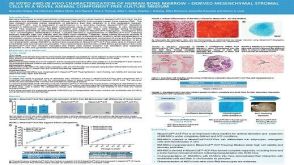 科学海报In Vitro and in Vivo Characterization of Human Bone Marrow-Derived Mesenchymal Stromal Cells in a Novel Animal Component-Free Culture Medium
 沪公网安备31010102008431号