M. Dobersberger et al. (Mar 2024)
Cell Reports Methods 4 4
An engineering strategy to target activated EGFR with CAR T cells
Chimeric antigen receptor (CAR) T cells have shown remarkable response rates in hematological malignancies. In contrast,CAR T cell treatment of solid tumors is associated with several challenges,in particular the expression of most tumor-associated antigens at lower levels in vital organs,resulting in on-target/off-tumor toxicities. Thus,innovative approaches to improve the tumor specificity of CAR T cells are urgently needed. Based on the observation that many human solid tumors activate epidermal growth factor receptor (EGFR) on their surface through secretion of EGFR ligands,we developed an engineering strategy for CAR-binding domains specifically directed against the ligand-activated conformation of EGFR. We show,in several experimental systems,that the generated binding domains indeed enable CAR T cells to distinguish between active and inactive EGFR. We anticipate that this engineering concept will be an important step forward to improve the tumor specificity of CAR T cells directed against EGFR-positive solid cancers.
View Publication
产品类型:
产品号#:
15021
15061
产品名:
RosetteSep™人T细胞富集抗体混合物
RosetteSep™人T细胞富集抗体混合物
J. Slamecka et al. (Sep 2024)
iScience 27 10
Highly efficient generation of self-renewing trophoblast from human pluripotent stem cells
Human pluripotent stem cells (hPSCs) represent a powerful model system to study early developmental processes. However,lineage specification into trophectoderm (TE) and trophoblast (TB) differentiation remains poorly understood,and access to well-characterized placental cells for biomedical research is limited,largely depending on fetal tissues or cancer cell lines. Here,we developed novel strategies enabling highly efficient TE specification that generates cytotrophoblast (CTB) and multinucleated syncytiotrophoblast (STB),followed by the establishment of trophoblast stem cells (TSCs) capable of differentiating into extravillous trophoblast (EVT) and STB after long-term expansion. We confirmed stepwise and controlled induction of lineage- and cell-type-specific genes consistent with developmental biology principles and benchmarked typical features of placental cells using morphological,biochemical,genomics,epigenomics,and single-cell analyses. Charting a well-defined roadmap from hPSCs to distinct placental phenotypes provides invaluable opportunities for studying early human development,infertility,and pregnancy-associated diseases. Subject areas: Natural sciences,Biological sciences,Cell biology,Stem cells research
View Publication
产品类型:
产品号#:
05110
05220
05221
产品名:
STEMdiff™定型内胚层检测试剂盒
STEMdiff™ 中胚层诱导培养基
STEMdiff™ 中胚层诱导培养基
Lee Y-KK et al. (JAN 2016)
International journal of cardiology 203 964--971
Efficient attenuation of Friedreich's ataxia (FRDA) cardiomyopathy by modulation of iron homeostasis-human induced pluripotent stem cell (hiPSC) as a drug screening platform for FRDA.
BACKGROUND Friedreich's ataxia (FRDA),a recessive neurodegenerative disorder commonly associated with hypertrophic cardiomyopathy,is caused by silencing of the frataxin (FXN) gene encoding the mitochondrial protein involved in iron-sulfur cluster biosynthesis. METHODS Application of our previously established FRDA human induced pluripotent stem cell (hiPSC) derived cardiomyocytes model as a platform to assess the efficacy of treatment with either the antioxidant coenzyme Q10 analog,idebenone (IDE) or the iron chelator,deferiprone (DFP),which are both under clinical trial. RESULTS DFP was able to more significantly suppress synthesis of reactive oxygen species (ROS) than IDE at the dosages of 25 $\$ and 10nM respectively which agreed with the reduced rate of intracellular accumulation of iron by DFP treatment from 25 to 50 $\$ With regard to cardiac electrical-contraction (EC) coupling function,decay velocity of calcium handling kinetics in FRDA-hiPSC-cardiomyocytes was significantly improved by DFP treatment but not by IDE. Further mechanistic studies revealed that DFP also modulated iron induced mitochondrial stress as reflected by mitochondria network disorganization and decline level of respiratory chain protein,succinate dehydrogenase (CxII) and cytochrome c oxidase (COXIV). In addition,iron-response protein (IRP-1) regulatory loop was overridden by DFP as reflected by resumed level of ferritin (FTH) back to basal level and the attenuated transferrin receptor (TSFR) mRNA level suppression thereby reducing further iron uptake. CONCLUSIONS DFP modulated iron homeostasis in FRDA-hiPSC-cardiomyocytes and effectively relieved stress-stimulation related to cardiomyopathy. The resuming of redox condition led to the significantly improved cardiac prime events,cardiac electrical-coupling during contraction.
View Publication
产品类型:
产品号#:
85850
85857
产品名:
mTeSR™1
mTeSR™1
Wiedemann A et al. (DEC 2012)
Cellular reprogramming 14 6 485--496
Induced pluripotent stem cells generated from adult bone marrow-derived cells of the nonhuman primate (Callithrix jacchus) using a novel quad-cistronic and excisable lentiviral vector.
Regenerative medicine is in need of solid,large animal models as a link between rodents and humans to evaluate the functionality,immunogenicity,and clinical safety of stem cell-derived cell types. The common marmoset (Callithrix jacchus) is an excellent large animal model,genetically close to humans and readily used worldwide in clinical research. Until now,only two groups showed the generation of induced pluripotent stem cells (iPSCs) from the common marmoset using integrating retroviral vectors. Therefore,we reprogrammed bone marrow-derived mesenchymal cells (MSCs) of adult marmosets in the presence of TAV,SB431542,PD0325901,and ascorbic acid via a novel,excisable lentiviral spleen focus-forming virus (SFFV)-driven quad-cistronic vector system (OCT3/4,KLF4,SOX2,C-MYC). Endogenous pluripotency markers like OCT3/4,KLF4,SOX2,C-MYC,LIN28,NANOG,and strong alkaline phosphatase signals were detected. Exogenous genes were silenced and additionally the cassette was removed with a retroviral Gag precursor system. The cell line could be cultured in absence of leukemia inhibitory factor (LIF) and basic fibroblast growth factor (bFGF) and could be successfully differentiated into embryoid bodies and teratomas with presence of all three germ layers. Directed differentiation generated neural progenitors,megakaryocytes,adipocytes,chondrocytes,and osteogenic cells. Thus,all criteria for fully reprogrammed bone marrow-MSCs of a nonhuman primate with a genetically sophisticated construct could be demonstrated. These cells will be a promising tool for future autologous transplantations.
View Publication
产品类型:
产品号#:
85850
85857
产品名:
mTeSR™1
mTeSR™1
A. M. Metelo et al. (mar 2022)
Cancer research communications 2 3 158--171
Allogeneic Anti-BCMA CAR T Cells Are Superior to Multiple Myeloma-derived CAR T Cells in Preclinical Studies and May Be Combined with Gamma Secretase Inhibitors.
UNLABELLED Multiple myeloma remains an incurable plasma cell malignancy despite the rapidly evolving treatment landscape. Chimeric antigen receptor T cells targeted against BCMA have recently shown great promise in relapsed refractory multiple myeloma; however,all patients ultimately still progress from their disease. Lack of CAR T-cell persistence,impaired T-cell fitness in autologous CAR T-cell products and the presence of an immunosuppressive bone marrow (BM) microenvironment are contributory factors to treatment failure. We generated anti-BCMA CAR T cells from healthy donors (HD) and patients with multiple myeloma at different stages of disease to compare their T-cell profile,fitness,and cytotoxic activity in preclinical studies. We also used an ex vivo assay with multiple myeloma BM biopsies from distinct genomic subgroups to test the efficacy of HD-derived CAR T cells in a clinically relevant model. HD volunteers showed increased T-cell counts,higher CD4/CD8 ratio,and expanded na{\{i}}ve T-cell population compared with patients with multiple myeloma. After anti-BCMA CAR T-cell production patients with relapsed multiple myeloma had lower frequencies of CAR+ T cells decreased central memory phenotype and increased checkpoint inhibitory markers compared with HD-derived products which compromised their expansion and cytotoxicity against multiple myeloma cells in vitro. Importantly HD-derived CAR T cells efficiently killed primary multiple myeloma cells within the BM microenvironment of different multiple myeloma genomic subgroups and their cytotoxic activity could be boosted with gamma secretase inhibitors. In conclusion allogeneic anti-BCMA CAR T cells are a potential therapeutic strategy for patients with relapsed multiple myeloma and should be further developed in the clinic. SIGNIFICANCE Multiple myeloma is an incurable cancer of the plasma cells. A new therapy with anti-BCMA CAR T cells - the patient's own T cells genetically engineered to find and kill myeloma cancer cells - has shown encouraging results. Unfortunately patients still relapse. In this study we propose to use T cells from HD volunteers which have a stronger T-cell fitness higher cancer killing capacity and are ready to be administered when needed."
View Publication
产品类型:
产品号#:
19051
19051RF
产品名:
EasySep™人T细胞富集试剂盒
RoboSep™ 人T细胞富集试剂盒含滤芯吸头
Lechner A et al. (MAY 2002)
Biochemical and biophysical research communications 293 2 670--4
Nestin-positive progenitor cells derived from adult human pancreatic islets of Langerhans contain side population (SP) cells defined by expression of the ABCG2 (BCRP1) ATP-binding cassette transporter.
The disease diabetes mellitus arises as a consequence of a failure of the beta-cells in the islets of Langerhans of the pancreas to produce insulin in the amounts required to meet the needs of the body. Whole pancreas or islet transplants in patients with severe diabetes effectively restore insulin production. A lack of availability of donor pancreata requires the development of alternative sources of islets such as the ex vivo culture and differentiation of stem/progenitor cells. Earlier we discovered multipotential progenitor cells in islets isolated from adult human pancreata that express the neural stem cell marker nestin: nestin-positive islet-derived progenitor cells (NIPs). Recently it was shown that the exclusion of the Hoechst 33342 dye,which defines the pluripotential side population (SP) of hematopoietic stem cells,is mediated by the ATP-binding cassette transporter,ABCG2. Here we report that the human islet-derived NIPs contain a substantial subpopulation of SP cells that co-express ABCG2,MDR1,and nestin. Thus NIPs may be a potential source of adult pluripotential stem/progenitor cells useful for the production of islet tissue for transplantation into diabetic subjects.
View Publication
Lin H et al. (JAN 2003)
Stem cells (Dayton,Ohio) 21 2 152--61
Multilineage potential of homozygous stem cells derived from metaphase II oocytes.
Human stem cells derived from human fertilized oocytes,fetal primordial germ cells,umbilical cord blood,and adult tissues provide potential cell-based therapies for repair of degenerating or damaged tissues. However,the diversity of major histocompatibility complex (MHC) antigens in the general population and the resultant risk of immune-mediated rejection complicates the allogenic use of established stem cells. We assessed an alternative approach,employing chemical activation of nonfertilized metaphase II oocytes for producing stem cells homozygous for MHC. By using F1 hybrid mice (H-2-B/D),we established stem cell lines homozygous for H-2-B and H-2-D,respectively. The undifferentiated cells retained a normal karyotype,expressed stage-specific embryonic antigen-1 and Oct4,and were positive for alkaline phosphatase and telomerase. Teratomatous growth of these cells displayed the development of a variety of tissue types encompassing all three germ layers. In addition,these cells demonstrated the potential for in vitro differentiation into endoderm,neuronal,and hematopoietic lineages. We also evaluated this homozygous stem cell approach in human tissue. Five unfertilized blastocysts were derived from a total of 25 human oocytes,and cells from one of the five hatched blastocysts proliferated and survived beyond two passages. Our studies demonstrate a plausible homozygous stem cell" approach for deriving pluripotent stem cells that can overcome the immune-mediated rejection response common in allotransplantation�
View Publication
产品类型:
产品号#:
03434
03444
产品名:
MethoCult™GF M3434
MethoCult™GF M3434
Lee-Chang C et al. (APR 2016)
Journal of Immunology 196 8 3385--97
Aging Converts Innate B1a Cells into Potent CD8+ T Cell Inducers.
B cell dysregulation in aging is thought to mostly occur in conventional B2 cells without affecting innate B1 cells. Elderly humans and mice also accumulate 4-1BBL(+)MHC class-I(Hi)CD86(Hi)B cells of unknown origin. In this article,we report that these cells,termed 4BL cells,are activated murine and possibly human B1a cells. The activation is mediated by aging human monocytes and murine peritoneal macrophages. They induce expression and activation of 4-1BBL and IFN-γR1 on B1a cells to subsequently upregulate membrane TNF-α and CD86. As a result,activated B1a/4BL cells induce expression of granzyme B in CD8(+)T cells by targeting TNFR2 via membrane TNF-α and providing costimulation with CD86. Thus,for the first time,to our knowledge,these results indicate that aging affects the function of B1a cells. Upon aging,these cells lose their tumor-supporting activity and become inducers of potentially antitumor and autoimmune CD8(+)T cells.
View Publication
产品类型:
产品号#:
19853
19853RF
19854
19854RF
产品名:
EasySep™小鼠CD8+ T细胞分选试剂盒
RoboSep™ 小鼠CD8+ T细胞分选试剂盒
EasySep™小鼠B细胞分选试剂盒
RoboSep™ 小鼠B细胞分选试剂盒
Jaiswal N et al. (FEB 1997)
Journal of cellular biochemistry 64 2 295--312
Osteogenic differentiation of purified, culture-expanded human mesenchymal stem cells in vitro.
Human bone marrow contains a population of cells capable of differentiating along multiple mesenchymal cell lineages. Recently,techniques for the purification and culture-expansion of these human marrow-derived Mesenchymal Stem Cells (MSCs) have been developed. The goals of the current study were to establish a reproducible system for the in vitro osteogenic differentiation of human MSCs,and to characterize the effect of changes in the microenvironment upon the process. MSCs derived from 2nd or 3rd passage were cultured for 16 days in various base media containing 1 to 1000 nM dexamethasone (Dex),0.01 to 4 mM L-ascorbic acid-2-phosphate (AsAP) or 0.25 mM ascorbic acid,and 1 to 10 mM beta-glycerophosphate (beta GP). Optimal osteogenic differentiation,as determined by osteoblastic morphology,expression of alkaline phosphatase (APase),reactivity with anti-osteogenic cell surface monoclonal antibodies,modulation of osteocalcin mRNA production,and the formation of a mineralized extracellular matrix containing hydroxyapatite was achieved with DMEM base medium plus 100 nM Dex,0.05 mM AsAP,and 10 mM beta GP. The formation of a continuously interconnected network of APase-positive cells and mineralized matrix supports the characterization of this progenitor population as homogeneous. While higher initial seeding densities did not affect cell number of APase activity,significantly more mineral was deposited in these cultures,suggesting that events which occur early in the differentiation process are linked to end-stage phenotypic expression. Furthermore,cultures allowed to concentrate their soluble products in the media produced more mineralized matrix,thereby implying a role for autocrine or paracrine factors synthesized by human MSCs undergoing osteoblastic lineage progression. This culture system is responsive to subtle manipulations including the basal nutrient medium,dose of physiologic supplements,cell seeding density,and volume of tissue culture medium. Cultured human MSCs provide a useful model for evaluating the multiple factors responsible for the step-wise progression of cells from undifferentiated precursors to secretory osteoblasts,and eventually terminally differentiated osteocytes.
View Publication
产品类型:
产品号#:
72092
产品名:
地塞米松(Dexamethasone)
Ebstein F et al. (JUN 2004)
American journal of respiratory and critical care medicine 169 12 1322--30
Cytotoxic T cell responses against mesothelioma by apoptotic cell-pulsed dendritic cells.
Malignant pleural mesothelioma is an uncommon tumor largely confined to the thoracic cavity,which is resistant to conventional therapies,therefore prompting an intensive search for effective treatment alternatives. This study focuses on dendritic cell (DC) vaccination for malignant pleural mesothelioma and evaluates the in vitro efficacy of antigen-loaded DC-based vaccines for the induction of major histocompatibility complex Class I-restricted antimesothelioma cytotoxic T lymphocyte responses. The source of tumor-associated antigens for HLA-A2(+) DCs from healthy donors was apoptotic HLA-A2(-) mesothelioma cells either lacking or expressing heat shock protein 70 according to whether tumor cells were heat shocked or not before ultraviolet-mediated apoptosis. Our results show that both apoptotic preparations were equivalent regarding the responsiveness of DCs to combined treatment with tumor necrosis factor-alpha and poly(inosinic-cytidylic) acid,as determined by similar increased expression of costimulatory molecules and interleukin-12 production. However,only DCs loaded with apoptotic heat shock protein 70-expressing cells were found to be potent in vitro inducers of cytotoxic T lymphocyte activity against HLA-A2(+) mesothelioma cells. Such elicited cytotoxic T lymphocytes also exhibit cytotoxic activity against an HLA-A2(+) melanoma cell line,suggesting recognition of shared antigens. These findings therefore carry the potential of offering an alternative,promising approach for the therapy of patients with malignant pleural mesothelioma.
View Publication


 EasySep™小鼠TIL(CD45)正选试剂盒




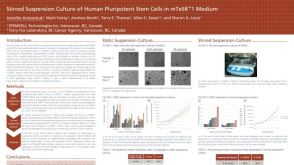 科学海报Stirred Suspension Culture of Human Pluripotent Stem Cells in mTeSR™1 Medium
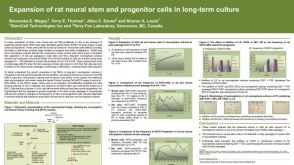 科学海报Expansion of Rat Neural Stem and Progenitor Cells in Long-Term Culture
 沪公网安备31010102008431号