S. Schuster et al. (mar 2015)
Biochemical and biophysical research communications 458 2 334--40
FK866-induced NAMPT inhibition activates AMPK and downregulates mTOR signaling in hepatocarcinoma cells.
BACKGROUND Nicotinamide phosphoribosyltransferase (NAMPT) is the key enzyme of the NAD salvage pathway starting from nicotinamide. Cancer cells have an increased demand for NAD due to their high proliferation and DNA repair rate. Consequently,NAMPT is considered as a putative target for anti-cancer therapies. There is evidence that AMP-activated protein kinase (AMPK) and mammalian target of rapamycin (mTOR) become dysregulated during the development of hepatocellular carcinoma (HCC). Here,we investigated the effects of NAMPT inhibition by its specific inhibitor FK866 on the viability of hepatocarcinoma cells and analyzed the effects of FK866 on the nutrient sensor AMPK and mTOR complex1 (mTORC1) signaling. RESULTS FK866 markedly decreased NAMPT activity and NAD content in hepatocarcinoma cells (Huh7 cells,Hep3B cells) and led to delayed ATP reduction which was associated with increased cell death. These effects could be abrogated by administration of nicotinamide mononucleotide (NMN),the enzyme product of NAMPT. Our results demonstrated a dysregulation of the AMPK/mTOR pathway in hepatocarcinoma cells compared to non-cancerous hepatocytes with a higher expression of mTOR and a lower AMPK$\alpha$ activation in hepatocarcinoma cells. We found that NAMPT inhibition by FK866 significantly activated AMPK$\alpha$ and inhibited the activation of mTOR and its downstream targets p70S6 kinase and 4E-BP1 in hepatocarcinoma cells. Non-cancerous hepatocytes were less sensitive to FK866 and did not show changes in AMPK/mTOR signaling after FK866 treatment. CONCLUSION Taken together,these findings reveal an important role of the NAMPT-mediated NAD salvage pathway in the energy homeostasis of hepatocarcinoma cells and suggest NAMPT inhibition as a potential treatment option for HCC.
View Publication
Tamaki T et al. (MAY 2002)
The Journal of cell biology 157 4 571--7
Identification of myogenic-endothelial progenitor cells in the interstitial spaces of skeletal muscle.
Putative myogenic and endothelial (myo-endothelial) cell progenitors were identified in the interstitial spaces of murine skeletal muscle by immunohistochemistry and immunoelectron microscopy using CD34 antigen. Enzymatically isolated cells were characterized by fluorescence-activated cell sorting on the basis of cell surface antigen expression,and were sorted as a CD34+ and CD45- fraction. Cells in this fraction were approximately 94% positive for Sca-1,and mostly negative (textless3% positive) for CD14,31,49,144,c-kit,and FLK-1. The CD34+/45- cells formed colonies in clonal cell cultures and colony-forming units displayed the potential to differentiate into adipocytes,endothelial,and myogenic cells. The CD34+/45- cells fully differentiated into vascular endothelial cells and skeletal muscle fibers in vivo after transplantation. Immediately after sorting,CD34+/45- cells expressed only c-met mRNA,and did not express any other myogenic cell-related markers such as MyoD,myf-5,myf-6,myogenin,M-cadherin,Pax-3,and Pax-7. However,after 3 d of culture,these cells expressed mRNA for all myogenic markers. CD34+/45- cells were distinct from satellite cells,as they expressed Bcrp1/ABCG2 gene mRNA (Zhou et al.,2001). These findings suggest that myo-endothelial progenitors reside in the interstitial spaces of mammalian skeletal muscles,and that they can potentially contribute to postnatal skeletal muscle growth.
View Publication
产品类型:
产品号#:
04034
04044
产品名:
MethoCult™H4034 Optimum
MethoCult™H4034 Optimum
Kootstra NA et al. (FEB 2003)
Proceedings of the National Academy of Sciences of the United States of America 100 3 1298--303
Abrogation of postentry restriction of HIV-1-based lentiviral vector transduction in simian cells.
HIV-1 replication in simian cells is restricted at an early postentry step because of the presence of an inhibitory cellular factor. This block reduces the usefulness of HIV-1-based lentiviral vectors in primate animal models. Here,we demonstrate that substitution of the cyclophilin A (CyPA) binding region in the capsid of an HIV-1-based lentiviral vector (LV) with that of the macrophage tropic HIV-1 Ba-L resulted in a vector that was resistant to the inhibitory effect and efficiently transduced simian cells. Notably,the chimeric gag LV efficiently transduced primary simian hematopoietic progenitor cells,a critical cellular target in gene therapy. The alterations in the CyPA binding region did not affect CyPA incorporation; however,transduction by the gag chimeric LV seemed to be relatively insensitive to cyclosporin A,indicating that it does not require CyPA for early postentry steps. In dual infection experiments,the gag chimeric LV failed to remove the block to transduction of the WT LV,suggesting that the gag chimeric LV did not saturate the inhibitory simian cellular factor. These data suggest that the CyPA binding region of capsid contains a viral determinant involved in the postentry restriction of HIV-1-based lentiviral vectors. Overall,the findings demonstrate that the host range of HIV-1-based LV can be altered by modifications in the packaging construct.
View Publication
Castriconi R et al. (JUN 2007)
Blood 109 11 4873--81
Functional characterization of natural killer cells in type I leukocyte adhesion deficiency.
In this study,we analyzed IL-2-activated polyclonal natural killer (NK) cells derived from 2 patients affected by leukocyte adhesion deficiency type I (LAD1),an immunodeficiency characterized by mutations of the gene coding for CD18,the beta subunit shared by major leukocyte integrins. We show that LAD1 NK cells express normal levels of various triggering NK receptors (and coreceptors) and that mAb-mediated engagement of these receptors results in the enhancement of both NK cytolytic activity and cytokine production. Moreover,these activating NK receptors were capable of recognizing their specific ligands on target cells. Thus,LAD1 NK cells,similarly to normal NK cells,were capable of killing most human tumor cells analyzed and produced high amounts of IFN-gamma when cocultured in presence of target cells. Murine target cells represented a common exception,as they were poorly susceptible to LAD1 NK cells. Finally,LAD1 NK cells could efficiently kill or induce maturation of monocyte-derived immature dendritic cells (DCs). Altogether our present study indicates that in LAD1 patients,3 important functions of NK cells (eg,cytotoxicity,IFN-gamma production,and DC editing) are only marginally affected and provides new insight on the cooperation between activating receptors and LFA-1 in the induction of NK cell activation and function.
View Publication
产品类型:
产品号#:
15025
15065
产品名:
RosetteSep™人NK细胞富集抗体混合物
RosetteSep™人NK细胞富集抗体混合物
Diamandis P et al. ( 2007)
Nature chemical biology 3 5 268--273
Chemical genetics reveals a complex functional ground state of neural stem cells.
The identification of self-renewing and multipotent neural stem cells (NSCs) in the mammalian brain holds promise for the treatment of neurological diseases and has yielded new insight into brain cancer. However,the complete repertoire of signaling pathways that governs the proliferation and self-renewal of NSCs,which we refer to as the 'ground state',remains largely uncharacterized. Although the candidate gene approach has uncovered vital pathways in NSC biology,so far only a few highly studied pathways have been investigated. Based on the intimate relationship between NSC self-renewal and neurosphere proliferation,we undertook a chemical genetic screen for inhibitors of neurosphere proliferation in order to probe the operational circuitry of the NSC. The screen recovered small molecules known to affect neurotransmission pathways previously thought to operate primarily in the mature central nervous system; these compounds also had potent inhibitory effects on cultures enriched for brain cancer stem cells. These results suggest that clinically approved neuromodulators may remodel the mature central nervous system and find application in the treatment of brain cancer.
View Publication
产品类型:
产品号#:
73542
产品名:
WHI-P131
Yokota A et al. (APR 2009)
International immunology 21 4 361--77
GM-CSF and IL-4 synergistically trigger dendritic cells to acquire retinoic acid-producing capacity.
Retinoic acid (RA) produced by intestinal dendritic cells (DCs) imprints gut-homing specificity on lymphocytes and enhances Foxp3(+) regulatory T-cell differentiation. The expression of aldehyde dehydrogenase (ALDH) 1A in these DCs is essential for the RA production. However,it remains unclear how the steady-state ALDH1A expression is induced under specific pathogen-free (SPF) conditions. Here,we found that bone marrow-derived dendritic cells (BM-DCs) generated with granulocyte-macrophage colony-stimulating factor (GM-CSF) expressed Aldh1a2,an isoform of Aldh1a,but that fms-related tyrosine kinase 3 ligand-generated BM-DCs did not. DCs from mesenteric lymph nodes (MLN) and Peyer's patches (PP) of normal SPF mice expressed ALDH1A2,but not the other known RA-producing enzymes. Employing a flow cytometric method,we detected ALDH activities in 10-30% of PP-DCs and MLN-DCs. They were CD11c(high)CD4(-/low)CD8alpha(intermediate)CD11b(-/low) F4/80(low/intermediate)CD45RB(low)CD86(high)MHC class II(high)B220(-)CD103(+). Equivalent levels of aldehyde dehydrogenase activity (ALDHact) and ALDH1A2 expression were induced synergistically by GM-CSF and IL-4 in splenic DCs in vitro. In BM-DCs,however,additional signals via Toll-like receptors or RA receptors were required for inducing the equivalent levels. The generated ALDH1A2(+) DCs triggered T cells to express gut-homing receptors or Foxp3. GM-CSF receptor-deficient or vitamin A-deficient mice exhibited marked reductions in the ALDHact in intestinal DCs and the T cell number in the intestinal lamina propria,whereas IL-4 receptor-mediated signals were dispensable. GM-CSF(+)CD11c(-)F4/80(+) cells existed constitutively in the intestinal tissues. The results suggest that GM-CSF and RA itself are pivotal among multiple microenvironment factors that enable intestinal DCs to produce RA.
View Publication
产品类型:
产品号#:
01700
01702
01705
产品名:
ALDEFLUOR™ 试剂盒
ALDEFLUOR™测定缓冲液
ALDEFLUOR™ DEAB试剂
Diehn M et al. (APR 2009)
Nature 458 7239 780--3
Association of reactive oxygen species levels and radioresistance in cancer stem cells.
The metabolism of oxygen,although central to life,produces reactive oxygen species (ROS) that have been implicated in processes as diverse as cancer,cardiovascular disease and ageing. It has recently been shown that central nervous system stem cells and haematopoietic stem cells and early progenitors contain lower levels of ROS than their more mature progeny,and that these differences are critical for maintaining stem cell function. We proposed that epithelial tissue stem cells and their cancer stem cell (CSC) counterparts may also share this property. Here we show that normal mammary epithelial stem cells contain lower concentrations of ROS than their more mature progeny cells. Notably,subsets of CSCs in some human and murine breast tumours contain lower ROS levels than corresponding non-tumorigenic cells (NTCs). Consistent with ROS being critical mediators of ionizing-radiation-induced cell killing,CSCs in these tumours develop less DNA damage and are preferentially spared after irradiation compared to NTCs. Lower ROS levels in CSCs are associated with increased expression of free radical scavenging systems. Pharmacological depletion of ROS scavengers in CSCs markedly decreases their clonogenicity and results in radiosensitization. These results indicate that,similar to normal tissue stem cells,subsets of CSCs in some tumours contain lower ROS levels and enhanced ROS defences compared to their non-tumorigenic progeny,which may contribute to tumour radioresistance.
View Publication
产品类型:
产品号#:
05601
产品名:
EpiCult™-B 人培养基
Yea C-H et al. (JAN 2016)
Biomaterials 75 250--259
In situ label-free quantification of human pluripotent stem cells with electrochemical potential
Conventional methods for quantification of undifferentiated pluripotent stem cells such as fluorescence-activated cell sorting and real-time PCR analysis have technical limitations in terms of their sensitivity and recyclability. Herein,we designed a real-time in situ label-free monitoring system on the basis of a specific electrochemical signature of human pluripotent stem cells in vitro. The intensity of the signal of hPSCs highly corresponded to the cell number and remained consistent in a mixed population with differentiated cells. The electrical charge used for monitoring did not markedly affect the proliferation rate or molecular characteristics of differentiated human aortic smooth muscle cells. After YM155 treatment to ablate undifferentiated hPSCs,their specific signal was significantly reduced. This suggests that detection of the specific electrochemical signature of hPSCs would be a valid approach to monitor potential contamination of undifferentiated hPSCs,which can assess the risk of teratoma formation efficiently and economically.
View Publication
Widespread Chromatin Accessibility at Repetitive Elements Links Stem Cells with Human Cancer.
Chromatin regulation is critical for differentiation and disease. However,features linking the chromatin environment of stem cells with disease remain largely unknown. We explored chromatin accessibility in embryonic and multipotent stem cells and unexpectedly identified widespread chromatin accessibility at repetitive elements. Integrating genomic and biochemical approaches,we demonstrate that these sites of increased accessibility are associated with well-positioned nucleosomes marked by distinct histone modifications. Differentiation is accompanied by chromatin remodeling at repetitive elements associated with altered expression of genes in relevant developmental pathways. Remarkably,we found that the chromatin environment of Ewing sarcoma,a mesenchymally derived tumor,is shared with primary mesenchymal stem cells (MSCs). Accessibility at repetitive elements in MSCs offers a permissive environment that is exploited by the critical oncogene responsible for this cancer. Our data demonstrate that stem cells harbor a unique chromatin landscape characterized by accessibility at repetitive elements,a feature associated with differentiation and oncogenesis.
View Publication


 EasySep™小鼠TIL(CD45)正选试剂盒




 实验方案Gene Editing Human Pluripotent Stem Cells (hPSCs) Using the CellPore™ Transfection System
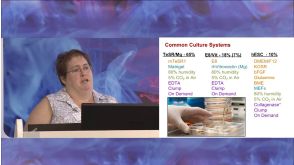 20:09
线上讲座Nature Research Round Table: Maintenance of Human Pluripotent Stem Cells In Vitro发布日期: 11/01/2019
20:09
线上讲座Nature Research Round Table: Maintenance of Human Pluripotent Stem Cells In Vitro发布日期: 11/01/2019

 沪公网安备31010102008431号