Mehta A et al. (SEP 2011)
Cardiovascular Research 91 4 577--86
Pharmacological response of human cardiomyocytes derived from virus-free induced pluripotent stem cells.
AIMS: Generation of human induced pluripotent stem cell (hiPSC) lines by reprogramming of fibroblast cells with virus-free methods offers unique opportunities for translational cardiovascular medicine. The aim of the study was to reprogramme fibroblast cells to hiPSCs and to study cardiomyogenic properties and ion channel characteristics of the virus-free hiPSC-derived cardiomyocytes. METHODS AND RESULTS: The hiPSCs generated by episomal vectors generated teratomas in severe combined immunodeficient mice,readily formed embryoid bodies,and differentiated into cardiomyocytes with comparable efficiency to human embryonic stem cells. Temporal gene expression of these hiPSCs indicated that differentiation of cardiomyocytes was initiated by increasing expression of cardio/mesodermal markers followed by cardiac-specific transcription factors,structural,and ion channel genes. Furthermore,the cardiomyocytes showed characteristic cross-striations of sarcomeric proteins and expressed calcium-handling and ion channel proteins,confirming their cardiac ontogeny. Microelectrode array recordings established the electrotonic development of a functional syncytium that responded predictably to pharmacologically active drugs. The cardiomyocytes showed a chronotropic dose-response (0.1-10 µM) to isoprenaline and Bay K 8644. Furthermore,carbamycholine (5 µM) suppressed the response to isoprenaline,while verapamil (2.5 µM) blocked Bay K 8644-induced inotropic activity. Moreover,verapamil (1 µM) reduced the corrected field potential duration by 45%,tetrodotoxin (10 µM) shortened the minimal field potential by 40%,and E-4031 (50 nM) prolonged field repolarization. CONCLUSION: Virus-free hiPSCs differentiate efficiently into cardiomyocytes with cardiac-specific molecular,structural,and functional properties that recapitulate the developmental ontogeny of cardiogenesis. These results,coupled with the potential to generate patient-specific hiPSC lines,hold great promise for the development of an in vitro platform for drug pharmacogenomics,disease modelling,and regenerative medicine.
View Publication
产品类型:
产品号#:
85850
85857
产品名:
mTeSR™1
mTeSR™1
Blackmore DG et al. (JAN 2012)
Scientific reports 2 250
Growth hormone responsive neural precursor cells reside within the adult mammalian brain.
The detection of growth hormone (GH) and its receptor in germinal regions of the mammalian brain prompted our investigation of GH and its role in the regulation of endogenous neural precursor cell activity. Here we report that the addition of exogenous GH significantly increased the expansion rate in long-term neurosphere cultures derived from wild-type mice,while neurospheres derived from GH null mice exhibited a reduced expansion rate. We also detected a doubling in the frequency of large (i.e. stem cell-derived) colonies for up to 120 days following a 7-day intracerebroventricular infusion of GH suggesting the activation of endogenous stem cells. Moreover,gamma irradiation induced the ablation of normally quiescent stem cells in GH-infused mice,resulting in a decline in olfactory bulb neurogenesis. These results suggest that GH activates populations of resident stem and progenitor cells,and therefore may represent a novel therapeutic target for age-related neurodegeneration and associated cognitive decline.
View Publication
产品类型:
产品号#:
05700
05701
05702
产品名:
NeuroCult™ 基础培养基(小鼠&大鼠)
NeuroCult™ 扩增添加物 (小鼠&大鼠)
NeuroCult™ 扩增试剂盒 (小鼠&大鼠)
Falso MJS et al. (MAR 2012)
Anticancer research 32 3 733--8
Stem-like cells in bladder cancer cell lines with differential sensitivity to cisplatin.
BACKGROUND: Recurrence is a common problem in bladder cancer; this has been attributed to cancer stem cells. In this study,we characterized potential cancer stem cell populations isolated from three cell lines that demonstrate different responses to cisplatin. MATERIALS AND METHODS: The ALDEFLUOR® assay was used to isolate cells from TCCSUP,T24,and 5637 cell lines,and these cells were evaluated for their ability to form colonies,differentiate,migrate and invade. RESULTS: The cell lines demonstrate a spectrum of aldehyde dehydrogenase high (ALDH(High)) populations that correlate with resistance to cisplatin. In the two resistant cell lines,T24 and 5637,the ALDH(High) cells demonstrate increased colony formation,migration,invasion,and ability to differentiate. The resistant T24 and 5637 cell lines may serve as models to investigate alternative therapies for bladder cancer.
View Publication
产品类型:
产品号#:
01700
01705
01702
产品名:
ALDEFLUOR™ 试剂盒
ALDEFLUOR™ DEAB试剂
ALDEFLUOR™测定缓冲液
A. H. Nile et al. (JUN 2018)
Nature chemical biology 14 6 582--590
A selective peptide inhibitor of Frizzled 7 receptors disrupts intestinal stem cells.
Regeneration of the adult intestinal epithelium is mediated by a pool of cycling stem cells,which are located at the base of the crypt,that express leucine-rich-repeat-containing G-protein-coupled receptor 5 (LGR5). The Frizzled (FZD) 7 receptor (FZD7) is enriched in LGR5+ intestinal stem cells and plays a critical role in their self-renewal. Yet,drug discovery approaches and structural bases for targeting specific FZD isoforms remain poorly defined. FZD proteins interact with Wnt signaling proteins via,in part,a lipid-binding groove on the extracellular cysteine-rich domain (CRD) of the FZD receptor. Here we report the identification of a potent peptide that selectively binds to the FZD7 CRD at a previously uncharacterized site and alters the conformation of the CRD and the architecture of its lipid-binding groove. Treatment with the FZD7-binding peptide impaired Wnt signaling in cultured cells and stem cell function in intestinal organoids. Together,our data illustrate that targeting the lipid-binding groove holds promise as an approach for achieving isoform-selective FZD receptor inhibition.
View Publication
Rapid retinoic acid-induced trophoblast cell model from human induced pluripotent stem cells
A limited number of accessible and representative models of human trophoblast cells currently exist for the study of placentation. Current stem cell models involve either a transition through a naïve stem cell state or precise dynamic control of multiple growth factors and small-molecule cues. Here,we demonstrated that a simple five-day treatment of human induced pluripotent stem cells with two small molecules,retinoic acid (RA) and Wnt agonist CHIR 99021 (CHIR),resulted in rapid,synergistic upregulation of CDX2. Transcriptomic analysis of RA + CHIR-treated cells showed high similarity to primary trophectoderm cells. Multipotency was verified via further differentiation towards cells with syncytiotrophoblast or extravillous trophoblast features. RA + CHIR-treated cells were also assessed for the established criteria defining a trophoblast cell model,and they possess all the features necessary to be considered valid. Collectively,our data demonstrate a facile,scalable method for generating functional trophoblast-like cells in vitro to better understand the placenta.
View Publication
产品类型:
产品号#:
05854
05855
100-0483
100-0484
100-0276
100-1130
05990
产品名:
mFreSR™
mFreSR™
Hausser Scientificᵀᴹ 明线血球计数板
ReLeSR™
mTeSR™ Plus
mTeSR™ Plus
TeSR™-E8™
(Jul 2024)
Cell & Bioscience 14 6
?-catenin mediates endodermal commitment of human ES cells via distinct transactivation functions
Background?-catenin,acting as the core effector of canonical Wnt signaling pathway,plays a pivotal role in controlling lineage commitment and the formation of definitive endoderm (DE) during early embryonic development. Despite extensive studies using various animal and cell models,the ?-catenin-centered regulatory mechanisms underlying DE formation remain incompletely understood,partly due to the rapid and complex cell fate transitions during early differentiation.ResultsIn this study,we generated new CTNNB1-/- human ES cells (hESCs) using CRISPR-based insertional gene disruption approach and systematically rescued the DE defect in these cells by introducing various truncated or mutant forms of ?-catenin. Our analysis showed that a truncated ?-catenin lacking both N- and C-terminal domains (?N148C) could robustly rescue the DE formation,whereas hyperactive ?-catenin mutants with S33Y mutation or N-terminal deletion (?N90) had limited ability to induce DE lineage. Notably,the ?N148C mutant exhibited significant nuclear translocation that was positively correlated with successful DE rescue. Transcriptomic analysis further uncovered that two weak ?-catenin mutants lacking the C-terminal transactivation domain (CTD) activated primitive streak (PS) genes,whereas the hyperactive ?-catenin mutants activated mesoderm genes.ConclusionOur study uncovered an unconventional regulatory function of ?-catenin through weak transactivation,indicating that the levels of ?-catenin activity determine the lineage bifurcation from mesendoderm into endoderm and mesoderm.Supplementary InformationThe online version contains supplementary material available at 10.1186/s13578-024-01279-5.
View Publication
产品类型:
产品号#:
85850
85857
产品名:
mTeSR™1
mTeSR™1
(Feb 2024)
Pathogens and Immunity 8 2
HIV Productively Infects Highly Differentiated and Exhausted CD4+ T Cells During AIDS
Background:Throughout HIV infection,productively infected cells generate billions of viral particles and are thus responsible for body-wide HIV dissemination,but their phenotype during AIDS is unknown. As AIDS is associated with immunological changes,analyzing the phenotype of productively infected cells can help understand HIV production during this terminal stage.Methods:Blood samples from 15 untreated viremic participants (recent infection,n=5; long-term infection,n=5; active opportunistic AIDS-defining disease,n=5) and 5 participants virologically controlled on antiretroviral therapy (ART) enrolled in the Analysis of the Persistence,Reservoir and HIV Latency (APRIL) study (NCT05752318) were analyzed. Cells expressing the capsid protein p24 (p24+ cells) after 18 hours of resting or 24 hours of stimulation (HIV-Flow) revealed productively infected cells from viremic participants or translation-competent reservoir cells from treated participants,respectively.Results:The frequency of productively infected cells tended to be higher during AIDS in comparison with recent and long-term infections (median,340,72,and 32/million CD4+ T cells,respectively) and correlated with the plasma viral load at all stages of infection. Altogether,these cells were more frequently CD4low,HLA-ABClow,CD45RA-,Ki67+,PD-1+,with a non-negligible contribution from pTfh (CXCR5+PD-1+) cells,and were not significantly enriched in HIV coreceptors CCR5 nor CXCR4 expression. The comparison markers expression between stages showed that productively infected cells during AIDS were enriched in memory and exhausted cells. In contrast,the frequencies of infected pTfh were lower during AIDS compared to non-AIDS stages. A UMAP analysis revealed that total CD4+ T cells were grouped in 7 clusters and that productive p24+ cells were skewed to given clusters throughout the course of infection. Overall,the preferential targets of HIV during the latest stages seemed to be more frequently highly differentiated (memory,TTD-like) and exhausted cells and less frequently pTfh-like cells. In contrast,translation-competent reservoir cells were less frequent (5/million CD4+ T cells) and expressed more frequently HLA-ABC and less frequently PD-1.Conclusions:In long-term infection and AIDS,productively infected cells were differentiated and exhausted. This could indicate that cells with these given features are responsible for HIV production and dissemination in an immune dysfunction environment occurring during the last stages of infection.
View Publication
产品类型:
产品号#:
19052
19052RF
产品名:
EasySep™人CD4+ T细胞富集试剂盒
RoboSep™ 人CD4+ T细胞富集试剂盒含滤芯吸头
(Aug 2025)
Nature Communications 16
Diminished immune cell adhesion in hypoimmune ICAM-1 knockout human pluripotent stem cells
Gene edited human pluripotent stem cells are a promising platform for developing reparative cellular therapies that evade immune rejection. Existing first-generation hypoimmune strategies have used CRISPR/Cas9 editing to modulate genes associated with adaptive immune responses,but have largely not addressed the innate immune cells,such as neutrophils,that mediate inflammation and rejection processes occurring early after graft transplantation. We identify the adhesion molecule ICAM-1 as a hypoimmune target that plays multiple critical roles in both adaptive and innate immune responses post-transplantation. In our experiments,we find that ICAM-1 blocking or knockout in human pluripotent stem cell-derived cardiovascular therapies imparts significantly diminished binding of multiple immune cell types. ICAM-1 knockout results in diminished T cell proliferation and activation responses in vitro and in longer in vivo retention/protection of knockout grafts following immune cell encounter in NeoThy humanized mice. We also introduce the ICAM-1 knockout edit into existing first-generation hypoimmune human pluripotent stem cells and prevent immune cell binding. This promising hypoimmune editing strategy has the potential to improve transplantation outcomes for regenerative therapies in the setting of cardiovascular pathologies and several other diseases. Hypoimmune gene editing in human pluripotent stem cells (hPSCs) provides a promising platform for cellular therapies. Here,the authors report that CRISPR mediated deletion of ICAM-1 in hPSC-derived grafts reduces immune cell adhesion,dampens T cell activation,and protects against immune rejection.
View Publication
产品类型:
产品号#:
08005
100-0956
19666
100-0404
18000
18002
产品名:
STEMdiff™ 内皮分化试剂盒
ImmunoCult™ XF培养基
EasySep™ Direct人中性粒细胞分选试剂盒
RoboSep™ 人中性粒细胞分选试剂盒
EasySep™磁极
Easy50 EasySep™磁极
Y. Zhang et al. (Mar 2024)
Cancer Cell International 24
β-hydroxybutyrate inhibits malignant phenotypes of prostate cancer cells through β-hydroxybutyrylation of indoleacetamide-N-methyltransferase
Prostate cancer (PCa) is one of the most prevalent cancers in men and is associated with high mortality and disability rates. β-hydroxybutyrate (BHB),a ketone body,has received increasing attention for its role in cancer. However,its role in PCa remains unclear. This study aimed to explore the mechanism and feasibility of BHB as a treatment alternative for PCa. Colony formation assay,flow cytometry,western blot assay,and transwell assays were performed to determine the effect of BHB on the proliferation and metastasis of PCa cells. Tumor sphere formation and aldehyde dehydrogenase assays were used to identify the impact of BHB or indoleacetamide-N-methyltransferase (INMT) on the stemness of PCa cells. N6-methyladenosine (m6A)–meRIP real-time reverse transcription polymerase chain reaction and dual luciferase assays were conducted to confirm INMT upregulation via the METTL3–m6A pathway. Co-IP assay was used to detect the epigenetic modification of INMT by BHB-mediated β-hydroxybutyrylation (kbhb) and screen enzymes that regulate INMT kbhb. Mouse xenograft experiments demonstrated the antitumor effects of BHB in vivo. BHB can inhibit the proliferation,migration,and invasion of PCa cells by suppressing their stemness. Mechanistically,INMT,whose expression is upregulated by the METTL3–m6A pathway,was demonstrated to be an oncogenic gene that promotes the stem-like characteristics of PCa cells. BHB can suppress the malignant phenotypes of PCa by kbhb of INMT,which in turn inhibits INMT expression. Our findings indicate a role of BHB in PCa metabolic therapy,thereby suggesting an epigenetic therapeutic strategy to target INMT in aggressive PCa. Not applicable. The online version contains supplementary material available at 10.1186/s12935-024-03277-6.
View Publication
产品类型:
产品号#:
01700
01702
产品名:
ALDEFLUOR™ 试剂盒
ALDEFLUOR™测定缓冲液
W. Ye et al. (Jul 2025)
Molecular Cancer 24 15
NSUN2-mediated cytosine-5 methylation of FSP1 protects acute myeloid leukemia cells from ferroptosis
RNA 5-methylcytosine (m 5 C),a prevalent epitranscriptomic modification that critically regulates gene expression and cellular homeostasis. While its roles in solid tumors have been increasingly recognized,the functional landscape of m 5 C in acute myeloid leukemia (AML) remains unexplored. Here,we identified NSUN2,the principal RNA m 5 C methyltransferase,as a key regulator of AML progression. NSUN2 was aberrantly upregulated in AML patient samples and correlated with poor prognosis. Functional studies demonstrated that NSUN2 promoted leukemic cell proliferation,enhanced tumor growth in xenograft models,and conferred resistance to ferroptosis—a regulated cell death process driven by lipid peroxidation. Mechanistically,NSUN2 catalyzed m⁵C deposition on the 3’UTR of FSP1 (ferroptosis suppressor protein 1) mRNA,facilitating its recognition and stabilization by the m 5 C reader protein YBX1. This NSUN2-YBX1-FSP1 axis protected AML cells from ferroptotic stress by suppressing lipid peroxidation and oxidative damage. Depletion of NSUN2 or FSP1 induced mitochondrial remodeling,which primed cells for ferroptosis. Reconstitution of wild-type NSUN2 or FSP1 rescued ferroptosis resistance,whereas catalytically inactive NSUN2 (C271A/C321A) or non-functional FSP1 mutants (G2A/E156A) failed to reverse this phenotype. Pharmacological inhibition of NSUN2 with MY-1B or targeting FSP1 with iFSP1 exhibited potent anti-leukemic effects,synergizing robustly with ferroptosis inducers,standard chemotherapy,and the BCL-2 inhibitor venetoclax. Our study unveils NSUN2 and FSP1 as prognostic biomarkers and therapeutic targets in AML. We highlight a novel epitranscriptomic mechanism linking RNA methylation to ferroptosis evasion,providing a dual-strategy approach to overcome AML treatment resistance. The online version contains supplementary material available at 10.1186/s12943-025-02394-8.
View Publication
产品类型:
产品号#:
09600
09605
09650
09655
产品名:
StemSpan™ SFEM
StemSpan™ SFEM II
StemSpan™ SFEM
StemSpan™ SFEM II
T. Baba et al. (Aug 2025)
Cell Death & Disease 16 1
Accumulating evidence suggests that mitogenic signaling during cell cycle arrest can lead to severe cytotoxic outcomes,such as senescence,though the underlying mechanisms remain poorly understood. Here,we explored the link between cell cycle dynamics and the formation of PML-nuclear bodies (PML-NBs),intranuclear structures known to mediate cellular stress responses. Our findings demonstrate that PML-NBs increase their number during interphase arrest. Moreover,the activation of mitogenic ERK signaling by all-trans retinoic acid (ATRA) during CDK4/6 inhibitor-induced cell cycle arrest synergistically enhances the formation of larger PML-NBs by associating with SUMO. This enlargement,triggered by the simultaneous engagement of opposing cell cycle signals,leads to potent cytotoxicity accompanied by either terminal differentiation or apoptosis,depending on the cell type,across multiple acute myeloid leukemia (AML) cell lines. Importantly,in an AML mouse model,this combination treatment significantly improved therapeutic efficacy with minimal effects on normal hematopoiesis. Our results introduce conflicting cell cycle signal-induced cytotoxicity as a promising therapeutic strategy for AML. Subject terms: PML bodies,Apoptosis
View Publication


 EasySep™小鼠TIL(CD45)正选试剂盒




 20:15
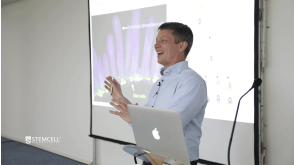
线上讲座STEMCELL Seminar: At the Origin of Intestinal Epithelial Stem Cells and Beyond发布日期: 11/20/2019
20:15
线上讲座STEMCELL Seminar: At the Origin of Intestinal Epithelial Stem Cells and Beyond发布日期: 11/20/2019
 沪公网安备31010102008431号