An inflammation loop orchestrated by S100A9 and Calprotectin is critical for development of arthritis
OBJECTIVE: The S100A9 and S100A8 proteins are highly expressed by neutrophils and monocytes and are part of a group of damage-associated molecular pattern molecules that trigger inflammatory responses. Sera and synovial fluids of patients with rheumatoid arthritis (RA) contain high concentrations of S100A8/A9 that correlate with disease activity.backslashnbackslashnMETHODS: In this study,we investigated the importance of S100A9 in RA by using neutralizing antibodies in a murine lipopolysaccharide-synchronized collagen-induced arthritis model. We also used an in vitro model of stimulation of human immune cells to decipher the role played by S100A9 in leukocyte migration and pro-inflammatory cytokine secretion.backslashnbackslashnRESULTS: Treatment with anti-S100A9 antibodies improved the clinical score by 50%,diminished immune cell infiltration,reduced inflammatory cytokines,both in serum and in the joints,and preserved bone/collagen integrity. Stimulation of neutrophils with S100A9 protein led to the enhancement of neutrophil transendothelial migration. S100A9 protein also induced the secretion by monocytes of proinflammatory cytokines like TNFα,IL-1β and IL-6,and of chemokines like MIP-1α and MCP-1.backslashnbackslashnCONCLUSION: The effects of anti-S100A9 treatment are likely direct consequences of inhibiting the S100A9-mediated promotion of neutrophil transmigration and secretion of pro-inflammatory cytokines from monocytes. Collectively,our results show that treatment with anti-S100A9 may inhibit amplification of the immune response and help preserve tissue integrity. Therefore,S100A9 is a promising potential therapeutic target for inflammatory diseases like rheumatoid arthritis for which alternative therapeutic strategies are needed.
View Publication
产品类型:
产品号#:
03800
03801
03802
03803
03804
03805
03806
15028
15068
产品名:
ClonaCell™-HY 杂交瘤试剂盒
ClonaCell™-HY Medium
ClonaCell™-HY Medium
ClonaCell™-HY Medium
ClonaCell™-HY Medium
ClonaCell™-HY Medium
ClonaCell™-HY PEG (融合)
RosetteSep™ 人单核细胞富集抗体混合物
RosetteSep™人单核细胞富集抗体混合物
Alisson-Silva F et al. (MAY 2014)
Glycobiology 24 5 458--468
Evidences for the involvement of cell surface glycans in stem cell pluripotency and differentiation
Induced pluripotent stem (iPS) cells are somatic cells that have been reprogrammed to a pluripotent state via the introduction of defined transcription factors. Although iPS is a potentially valuable resource for regenerative medicine and drug development,several issues regarding their pluripotency,differentiation propensity and potential for tumorigenesis remain to be elucidated. Analysis of cell surface glycans has arisen as an interesting tool for the characterization of iPS. An appropriate characterization of glycan surface molecules of human embryonic stem (hES) cells and iPS cells might generate crucial data to highlight their role in the acquisition and maintenance of pluripotency. In this study,we characterized the surface glycans of iPS generated from menstrual blood-derived mesenchymal cells (iPS-MBMC). We demonstrated that,upon spontaneous differentiation,iPS-MBMC present high amounts of terminal $\$-galactopyranoside residues,pointing to an important role of terminal-linked sialic acids in pluripotency maintenance. The removal of sialic acids by neuraminidase induces iPS-MBMC and hES cells differentiation,prompting an ectoderm commitment. Exposed $\$-galactopyranose residues might be recognized by carbohydrate-binding molecules found on the cell surface,which could modulate intercellular or intracellular interactions. Together,our results point for the first time to the involvement of the presence of terminal sialic acid in the maintenance of embryonic stem cell pluripotency and,therefore,the modulation of sialic acid biosynthesis emerges as a mechanism that may govern stem cell differentiation.
View Publication
产品类型:
产品号#:
07923
60093
60093.1
60093AD
60093AD.1
60093PE
60093PE.1
85850
85857
产品名:
Dispase (1 U/mL)
抗人OCT4(OCT3)抗体,克隆3A2A20
抗人OCT4(OCT3)抗体,clone 3A2A20
抗人OCT4(OCT3)抗体,克隆3A2A20,Alexa Fluor® 488
抗人OCT4(OCT3)抗体,克隆3A2A20,Alexa Fluor® 488
抗人OCT4(OCT3)抗体,克隆3A2A20,PE
抗人OCT4(OCT3)抗体,克隆3A2A20,PE
mTeSR™1
mTeSR™1
Zheng X et al. (MAR 2016)
eLife 5
Alleviation of neuronal energy deficiency by mTOR inhibition as a treatment for mitochondria-related neurodegeneration.
mTOR inhibition is beneficial in neurodegenerative disease models and its effects are often attributable to the modulation of autophagy and anti-apoptosis. Here,we report a neglected but important bioenergetic effect of mTOR inhibition in neurons. mTOR inhibition by rapamycin significantly preserves neuronal ATP levels,particularly when oxidative phosphorylation is impaired,such as in neurons treated with mitochondrial inhibitors,or in neurons derived from maternally inherited Leigh syndrome (MILS) patient iPS cells with ATP synthase deficiency. Rapamycin treatment significantly improves the resistance of MILS neurons to glutamate toxicity. Surprisingly,in mitochondrially defective neurons,but not neuroprogenitor cells,ribosomal S6 and S6 kinase phosphorylation increased over time,despite activation of AMPK,which is often linked to mTOR inhibition. A rapamycin-induced decrease in protein synthesis,a major energy-consuming process,may account for its ATP-saving effect. We propose that a mild reduction in protein synthesis may have the potential to treat mitochondria-related neurodegeneration.
View Publication
产品类型:
产品号#:
85850
85857
产品名:
mTeSR™1
mTeSR™1
Mao J et al. (OCT 2015)
Aging Cell 14 5 784--796
A herbal medicine for Alzheimer's disease and its active constituents promote neural progenitor proliferation
Aberrant neural progenitor cell (NPC) proliferation and self-renewal have been linked to age-related neurodegeneration and neurodegenerative disorders including Alzheimer's disease (AD). Rhizoma Acori tatarinowii is a traditional Chinese herbal medicine against cognitive decline. In this study,we found that the extract of Rhizoma Acori tatarinowii (AT) and its active constituents,asarones,promote NPC proliferation. Oral administration of AT enhanced NPC proliferation and neurogenesis in the hippocampi of adult and aged mice as well as that of transgenic AD model mice. AT and its fractions also enhanced the proliferation of NPCs cultured in vitro. Further analysis identified α-asarone and β-asarone as the two active constituents of AT in promoting neurogenesis. Our mechanistic study revealed that AT and asarones activated extracellular signal-regulated kinase (ERK) but not Akt,two critical kinase cascades for neurogenesis. Consistently,the inhibition of ERK activities effectively blocked the enhancement of NPC proliferation by AT or asarones. Our findings suggest that AT and asarones,which can be orally administrated,could serve as preventive and regenerative therapeutic agents to promote neurogenesis against age-related neurodegeneration and neurodegenerative disorders.
View Publication
产品类型:
产品号#:
05700
05701
05702
产品名:
NeuroCult™ 基础培养基(小鼠&大鼠)
NeuroCult™ 扩增添加物 (小鼠&大鼠)
NeuroCult™ 扩增试剂盒 (小鼠&大鼠)
C. Gu et al. (jul 2019)
Journal of immunology (Baltimore,Md. : 1950) 203 2 389--399
Signaling Cascade through DC-ASGPR Induces Transcriptionally Active CREB for IL-10 Induction and Immune Regulation.
The types and magnitude of Ag-specific immune responses can be determined by the functional plasticity of dendritic cells (DCs). However,how DCs display functional plasticity and control host immune responses have not been fully understood. In this study,we report that ligation of DC-asialoglycoprotein receptor (DC-ASGPR),a C-type lectin receptor (CLR) expressed on human DCs,resulted in rapid activation of Syk,followed by PLCgamma2 and PKCdelta engagements. However,different from other Syk-coupled CLRs,including Dectin-1,signaling cascade through DC-ASGPR did not trigger NF-kappaB activation. Instead,it selectively activated MAPK ERK1/2 and JNK. Rapid and prolonged phosphorylation of ERK1/2 led to sequential activation of p90RSK and CREB,which consequently bound to IL10 promoter and initiated cytokine expression. In addition,DC-ASGPR ligation activated Akt,which differentially regulated the activities of GSK-3alpha/beta and beta-catenin and further contributed to IL-10 expression. Our observations demonstrate that DC-ASGPR induces IL-10 expression via an intrinsic signaling pathway,which provides a molecular explanation for DC-ASGPR-mediated programing of DCs to control host immune responses.
View Publication
(Jan 2025)
International Journal of Molecular Sciences 26 2
Establishment of iPSC-Derived MSCs Expressing hsa-miR-4662a-5p for Enhanced Immune Modulation in Graft-Versus-Host Disease (GVHD)
The immune-modulatory effects of mesenchymal stromal cells (MSCs) are widely used to treat inflammatory disorders,with indoleamine 2,4-dioxygenase-1 (IDO-1) playing a pivotal role in suppressing stimulated T-cell proliferation. Taking that three-dimensional (3D) cultures enhance MSCs’ anti-inflammatory properties compared with two-dimensional (2D) cultures,the differentially expressed miRNAs were examined. Thus,we identified hsa-miR-4662a-5p (miR-4662a) as a key inducer of IDO-1 via its suppression of bridging integrator-1 (BIN-1),a negative regulator of the IDO-1 gene. The IDO-1-inducing potential of miR-4662a was conserved across primary MSCs from various donors and sources but exhibited variability. Notably,iPSC-derived MSCs (iMSCs) demonstrated superior IDO-1 induction and immune-modulatory efficacy compared with their donor-matched primary MSCs. Accordingly,iMSCs expressing miR-4662a (4662a/iMSC) exhibited stronger suppressive effects on T-cell proliferation and more potent suppressive effects on graft-versus-host disease (GVHD),improving survival rates and reducing tissue damage in the liver and gut. Our results point to the therapeutic potential of standardized,off-the-shelf 4662a/iMSC as a robust immune-modulating cell therapy for GVHD.
View Publication
产品类型:
产品号#:
85850
85857
产品名:
mTeSR™1
mTeSR™1
M. Kesarwani et al. (Mar 2024)
Blood Advances 8 11
Enhanced MAPK signaling induced by CSF3R mutants confers dependence to DUSP1 for leukemic transformation
Genetic deletion of Dusp1 eliminates CSF3R-induced leukemia. Inhibition of Dusp1 induces the expression of Bim and p53 in oncogenic context,resulting in selective demise of leukemic cells.
View Publication
产品类型:
产品号#:
03434
03444
产品名:
MethoCult™GF M3434
MethoCult™GF M3434
K. K. Edmonds et al. (Jul 2025)
Nature Communications 16
Structure and biochemistry-guided engineering of an all-RNA system for DNA insertion with R2 retrotransposons
R2 elements,a class of non-long terminal repeat (non-LTR) retrotransposons,have the potential to be harnessed for transgene insertion. However,efforts to achieve this are limited by our understanding of the retrotransposon mechanisms. Here,we structurally and biochemically characterize R2 from Taeniopygia guttata (R2Tg). We show that R2Tg cleaves both strands of its ribosomal DNA target and binds a pseudoknotted RNA element within the R2 3′ UTR to initiate target-primed reverse transcription. Guided by these insights,we engineer and characterize an all-RNA system for transgene insertion. We substantially reduce the system’s size and insertion scars by eliminating unnecessary R2 sequences on the donor. We further improve the integration efficiency by chemically modifying the 5′ end of the donor RNA and optimizing delivery,creating a compact system that achieves over 80% integration efficiency in several human cell lines. This work expands the genome engineering toolbox and provides mechanistic insights that will facilitate future development of R2-mediated gene insertion tools. Subject terms: Transferases,Protein design,Genetic engineering
View Publication
产品类型:
产品号#:
100-0956
10981
产品名:
ImmunoCult™ XF培养基
ImmunoCult™ XF 人T细胞扩增培养基,500 mL
Lee et al. (Aug 2025)
Journal of Translational Medicine 23
Optimizing T cell transduction: a novel transduction device for efficient and scalable gene delivery
Viral transduction is a critical step in the manufacturing of genetically modified T cells for immunotherapies,yet conventional transduction methods suffer from low to medium efficiency,high vector consumption,and limited scalability. To address these challenges,we introduce the Transduction Boosting Device (TransB),an innovative,automated,and closed-system platform designed to enable efficient and scalable gene delivery and overcome the limitations of conventional transduction methods. TransB improves cell-virus interactions by facilitating proximity between target cells and viral vectors. TransB demonstrated up to 1-fold decrease in processing time,3-fold reduction in viral vector consumption,and 0.7-fold increase in transduction efficiency compared to 24—well plate method for donor T cell transduction in studies evaluating its impact on transduction process. Comparison studies transducing T cells from three different donors with Lenti-GFP vectors showed that TransB achieved an average 0.5-fold improvement in transduction efficiencies while maintaining comparable post-transduction cell recovery,viability,growth,and phenotype compared to 24—well plate. Furthermore,TransB delivered consistent performance across two different input cell numbers demonstrating scalability of the process. These findings suggest that TransB could significantly shorten the transduction time,reduce the transduction cost and improve the transduction efficiency for manufacturing genetically modified T cell therapies. It shows strong potential as a robust,efficient,and scalable platform to enhance T cell therapy manufacturing and help overcome current manufacturing challenges in the field. The online version contains supplementary material available at 10.1186/s12967-025-06836-1.
View Publication
产品类型:
产品号#:
100-0785
10970
10990
产品名:
ImmunoCult™ 人CD3/CD28/CD2 T细胞激活剂
ImmunoCult™ 人CD3/CD28/CD2 T细胞激活剂
ImmunoCult™ 人CD3/CD28/CD2 T细胞激活剂
Han YK et al. (JAN 2013)
Biochemical and biophysical research communications 430 4 1329--1333
A possible usage of a CDK4 inhibitor for breast cancer stem cell-targeted therapy.
Cancer stem cells (CSCs) are one of the main reasons behind cancer recurrence due to their resistance to conventional anti-cancer therapies. Thus,many efforts are being devoted to developing CSC-targeted therapies to overcome the resistance of CSCs to conventional anti-cancer therapies and decrease cancer recurrence. Differentiation therapy is one potential approach to achieve CSC-targeted therapies. This method involves inducing immature cancer cells with stem cell characteristics into more mature or differentiated cancer cells. In this study,we found that a CDK4 inhibitor sensitized MDA-MB-231 cells but not MCF7 cells to irradiation. This difference appeared to be associated with the relative percentage of CSC-population between the two breast cancer cells. The CDK4 inhibitor induced differentiation and reduced the cancer stem cell activity of MDA-MB-231 cells,which are shown by multiple marker or phenotypes of CSCs. Thus,these results suggest that radiosensitization effects may be caused by reducing the CSC-population of MDA-MB-231 through the use of the CDK4 inhibitor. Thus,further investigations into the possible application of the CDK4 inhibitor for CSC-targeted therapy should be performed to enhance the efficacy of radiotherapy for breast cancer.
View Publication


 EasySep™小鼠TIL(CD45)正选试剂盒




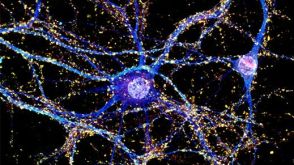 实验方案How to Culture Primary Rodent Neurons for MEA Analysis Using the Maestro MEA™ System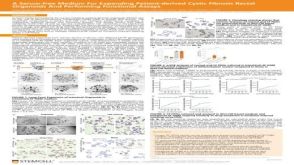

 沪公网安备31010102008431号