Huang S-H et al. (JAN 2018)
The Journal of clinical investigation
Latent HIV reservoirs exhibit inherent resistance to elimination by CD8+ T cells.
The presence of persistent,latent HIV reservoirs in CD4+ T cells obstructs current efforts to cure infection. The so-called kick-and-kill paradigm proposes to purge these reservoirs by combining latency-reversing agents with immune effectors such as cytotoxic T lymphocytes. Support for this approach is largely based on success in latency models,which do not fully reflect the makeup of latent reservoirs in individuals on long-term antiretroviral therapy (ART). Recent studies have shown that CD8+ T cells have the potential to recognize defective proviruses,which comprise the vast majority of all infected cells,and that the proviral landscape can be shaped over time due to in vivo clonal expansion of infected CD4+ T cells. Here,we have shown that treating CD4+ T cells from ART-treated individuals with combinations of potent latency-reversing agents and autologous CD8+ T cells consistently reduced cell-associated HIV DNA,but failed to deplete replication-competent virus. These CD8+ T cells recognized and potently eliminated CD4+ T cells that were newly infected with autologous reservoir virus,ruling out a role for both immune escape and CD8+ T cell dysfunction. Thus,our results suggest that cells harboring replication-competent HIV possess an inherent resistance to CD8+ T cells that may need to be addressed to cure infection.
View Publication
产品类型:
产品号#:
19052
19052RF
产品名:
EasySep™人CD4+ T细胞富集试剂盒
RoboSep™ 人CD4+ T细胞富集试剂盒含滤芯吸头
Oikawa T et al. (OCT 2015)
Nature communications 6 8070
Model of fibrolamellar hepatocellular carcinomas reveals striking enrichment in cancer stem cells.
The aetiology of human fibrolamellar hepatocellular carcinomas (hFL-HCCs),cancers occurring increasingly in children to young adults,is poorly understood. We present a transplantable tumour line,maintained in immune-compromised mice,and validate it as a bona fide model of hFL-HCCs by multiple methods. RNA-seq analysis confirms the presence of a fusion transcript (DNAJB1-PRKACA) characteristic of hFL-HCC tumours. The hFL-HCC tumour line is highly enriched for cancer stem cells as indicated by limited dilution tumourigenicity assays,spheroid formation and flow cytometry. Immunohistochemistry on the hFL-HCC model,with parallel studies on 27 primary hFL-HCC tumours,provides robust evidence for expression of endodermal stem cell traits. Transcriptomic analyses of the tumour line and of multiple,normal hepatic lineage stages reveal a gene signature for hFL-HCCs closely resembling that of biliary tree stem cells--newly discovered precursors for liver and pancreas. This model offers unprecedented opportunities to investigate mechanisms underlying hFL-HCCs pathogenesis and potential therapies.
View Publication
Diversification of human plasmacytoid predendritic cells in response to a single stimulus.
Innate immune cells adjust to microbial and inflammatory stimuli through a process termed environmental plasticity,which links a given individual stimulus to a unique activated state. Here,we report that activation of human plasmacytoid predendritic cells (pDCs) with a single microbial or cytokine stimulus triggers cell diversification into three stable subpopulations (P1-P3). P1-pDCs (PD-L1+CD80-) displayed a plasmacytoid morphology and specialization for type I interferon production. P3-pDCs (PD-L1-CD80+) adopted a dendritic morphology and adaptive immune functions. P2-pDCs (PD-L1+CD80+) displayed both innate and adaptive functions. Each subpopulation expressed a specific coding- and long-noncoding-RNA signature and was stable after secondary stimulation. P1-pDCs were detected in samples from patients with lupus or psoriasis. pDC diversification was independent of cell divisions or preexisting heterogeneity within steady-state pDCs but was controlled by a TNF autocrine and/or paracrine communication loop. Our findings reveal a novel mechanism for diversity and division of labor in innate immune cells.
View Publication
产品类型:
产品号#:
19062
19062RF
19251
19251RF
产品名:
EasySep™人浆细胞样DC富集试剂盒
RoboSep™ 人浆细胞样DC富集试剂盒含滤芯吸头
EasySep™人Pan-DC预富集试剂盒
RoboSep™ 人Pan-DC预富集试剂盒含滤芯吸头
C. L. Hodgkinson et al. (AUG 2014)
Nature medicine 20 8 897--903
Tumorigenicity and genetic profiling of circulating tumor cells in small-cell lung cancer.
Small-cell lung cancer (SCLC),an aggressive neuroendocrine tumor with early dissemination and dismal prognosis,accounts for 15-20{\%} of lung cancer cases and ∼200,000 deaths each year. Most cases are inoperable,and biopsies to investigate SCLC biology are rarely obtainable. Circulating tumor cells (CTCs),which are prevalent in SCLC,present a readily accessible 'liquid biopsy'. Here we show that CTCs from patients with either chemosensitive or chemorefractory SCLC are tumorigenic in immune-compromised mice,and the resultant CTC-derived explants (CDXs) mirror the donor patient's response to platinum and etoposide chemotherapy. Genomic analysis of isolated CTCs revealed considerable similarity to the corresponding CDX. Most marked differences were observed between CDXs from patients with different clinical outcomes. These data demonstrate that CTC molecular analysis via serial blood sampling could facilitate delivery of personalized medicine for SCLC. CDXs are readily passaged,and these unique mouse models provide tractable systems for therapy testing and understanding drug resistance mechanisms.
View Publication
产品类型:
产品号#:
15127
15167
15137
15177
产品名:
含抗CD36的RosetteSep™ CTC富集抗体混合物
含抗CD36的 RosetteSep™ CTC富集抗体混合物
含抗CD56的RosetteSep™ CTC富集抗体混合物
含抗CD56的RosetteSep™ CTC富集抗体混合物
S. Downey-Kopyscinski et al. (OCT 2018)
Blood advances 2 19 2443--2451
An inhibitor of proteasome $\beta$2 sites sensitizes myeloma cells to immunoproteasome inhibitors.
Proteasome inhibitors bortezomib,carfilzomib and ixazomib (approved by the US Food and Drug Administration [FDA]) induce remissions in patients with multiple myeloma (MM),but most patients eventually become resistant. MM and other hematologic malignancies express ubiquitous constitutive proteasomes and lymphoid tissue-specific immunoproteasomes; immunoproteasome expression is increased in resistant patients. Immunoproteasomes contain 3 distinct pairs of active sites,$\beta$5i,$\beta$1i,and $\beta$2i,which are different from their constitutive $\beta$5c,$\beta$1c,and $\beta$2c counterparts. Bortezomib and carfilzomib block $\beta$5c and $\beta$5i sites. We report here that pharmacologically relevant concentrations of $\beta$5i-specific inhibitor ONX-0914 show cytotoxicity in MM cell lines similar to that of carfilzomib and bortezomib. In addition,increasing immunoproteasome expression by interferon-$\gamma$ increases sensitivity to ONX-0914 but not to carfilzomib. LU-102,an inhibitor of $\beta$2 sites,dramatically sensitizes MM cell lines and primary cells to ONX-0914. ONX-0914 synergizes with all FDA-approved proteasome inhibitors in MM in vitro and in vivo. Thus,immunoproteasome inhibitors,currently in clinical trials for the treatment of autoimmune diseases,should also be considered for the treatment of MM.
View Publication
产品类型:
产品号#:
17877
17877RF
产品名:
EasySep™人CD138正选试剂盒 II
RoboSep™ 人CD138正选试剂盒 II
K. Kwak et al. (NOV 2018)
Science immunology 3 29
Intrinsic properties of human germinal center B cells set antigen affinity thresholds.
Protective antibody responses to vaccination or infection depend on affinity maturation,a process by which high-affinity germinal center (GC) B cells are selected on the basis of their ability to bind,gather,and present antigen to T follicular helper (Tfh) cells. Here,we show that human GC B cells have intrinsically higher-affinity thresholds for both B cell antigen receptor (BCR) signaling and antigen gathering as compared with na{\{i}}ve B cells and that these functions are mediated by distinct cellular structures and pathways that ultimately lead to antigen affinity- and Tfh cell-dependent differentiation to plasma cells. GC B cells bound antigen through highly dynamic actin- and ezrin-rich pod-like structures that concentrated BCRs. The behavior of these structures was dictated by the intrinsic antigen affinity thresholds of GC B cells. Low-affinity antigens triggered continuous engagement and disengagement of membrane-associated antigens whereas high-affinity antigens induced stable synapse formation. The pod-like structures also mediated affinity-dependent antigen internalization by unconventional pathways distinct from those of na{\"{i}}ve B cells. Thus intrinsic properties of human GC B cells set thresholds for affinity selection."""
View Publication
产品类型:
产品号#:
19054
19054RF
产品名:
EasySep™人B细胞富集试剂盒
RoboSep™ 人B细胞富集试剂盒含滤芯吸头
A. A. Titov et al. (jul 2019)
Journal of immunology (Baltimore,Md. : 1950) 203 2 338--348
Metformin Inhibits the Type 1 IFN Response in Human CD4+ T Cells.
In systemic lupus erythematosus,defective clearance of apoptotic debris and activation of innate cells result in a chronically activated type 1 IFN response,which can be measured in PBMCs of most patients. Metformin,a widely used prescription drug for Type 2 diabetes,has a therapeutic effect in several mouse models of lupus through mechanisms involving inhibition of oxidative phosphorylation and a decrease in CD4+ T cell activation. In this study,we report that in CD4+ T cells from human healthy controls and human systemic lupus erythematosus patients,metformin inhibits the transcription of IFN-stimulated genes (ISGs) after IFN-alpha treatment. Accordingly,metformin inhibited the phosphorylation of pSTAT1 (Y701) and its binding to IFN-stimulated response elements that control ISG expression. These effects were independent of AMPK activation or mTORC1 inhibition but were replicated using inhibitors of the electron transport chain respiratory complexes I,III,and IV. This indicates that mitochondrial respiration is required for ISG expression in CD4+ T cells and provides a novel mechanism by which metformin may exert a therapeutic effect in autoimmune diseases.
View Publication
Effective Cardiac Myocyte Differentiation of Human Induced Pluripotent Stem Cells Requires VEGF
Perhaps one of the most significant achievements in modern science is the discovery of human induced pluripotent stem cells (hiPSCs),which have paved the way for regeneration therapy using patients' own cells. Cardiomyocytes differentiated from hiPSCs (hiPSC-CMs) could be used for modelling patients with heart failure,for testing new drugs,and for cellular therapy in the future. However,the present cardiomyocyte differentiation protocols exhibit variable differentiation efficiency across different hiPSC lines,which inhibit the application of this technology significantly. Here,we demonstrate a novel myocyte differentiation protocol that can yield a significant,high percentage of cardiac myocyte differentiation (backslashtextgreater85%) in 2 hiPSC lines,which makes the fabrication of a human cardiac muscle patch possible. The established hiPSCs cell lines being examined include the transgene integrated UCBiPS7 derived from cord blood cells and non-integrated PCBC16iPS from skin fibroblasts. The results indicate that hiPSC-CMs derived from established hiPSC lines respond to adrenergic or acetylcholine stimulation and beat regularly for greater than 60 days. This data also demonstrates that this novel differentiation protocol can efficiently generate hiPSC-CMs from iPSC lines that are derived not only from fibroblasts,but also from blood mononuclear cells.
View Publication
产品类型:
产品号#:
85850
85857
产品名:
mTeSR™1
mTeSR™1
Li S et al. ( 2013)
Oncology letters 5 2 717--721
The mTOR inhibitor AZD8055 inhibits proliferation and glycolysis in cervical cancer cells.
The aim of the present study was to determine the effect of AZD8055 on proliferation,apoptosis and glycolysis in the human cervical cancer cell line HeLa and to investigate the underlying mechanism(s) of action. HeLa human cervical cancer cells were treated with 10 nM AZD8055 for 24,48 or 72 h. MTT was used to determine cell proliferation. Annexin V/propidium iodide staining was used to determine cell apoptosis analyzed by fluorescence-activated cell sorting (FACS). Glycolytic activity was determined by measuring the activity of the key enzyme lactate dehydrogenase (LDH) and lactate production. RNA and protein expression were examined by qRT-PCR and western blotting,respectively. Treatment with AZD8055 inhibited proliferation and glycolysis,and induced apoptosis in HeLa cells in a time-dependent manner. During the prolonged treatment with AZD8055,the phosphorylation of mammalian target of rapamycin (mTOR) C1 substrates p70S6K and phosphorylation of the mTORC2 substrate Akt were deregulated,suggesting that the activity of mTOR was downregulated. Furthermore,our study showed that the expression of miR-143 was upregulated in a time-dependent manner in HeLa cells treated with AZD8055. In summary,the present study reveals a novel antitumor mechanism of AZD8055 in HeLa human cervical cancer cells.
View Publication
产品类型:
产品号#:
73002
73004
产品名:
AZD8055
AZD8055
Basma H et al. (MAR 2014)
American journal of physiology. Lung cellular and molecular physiology 306 6 L552--65
Reprogramming of COPD lung fibroblasts through formation of induced pluripotent stem cells.
Reprogramming somatic cells to induced pluripotent stem cells (iPSCs) eliminates many epigenetic modifications that characterize differentiated cells. In this study,we tested whether functional differences between chronic obstructive pulmonary disease (COPD) and non-COPD fibroblasts could be reduced utilizing this approach. Primary fibroblasts from non-COPD and COPD patients were reprogrammed to iPSCs. Reprogrammed iPSCs were positive for oct3/4,nanog,and sox2,formed embryoid bodies in vitro,and induced teratomas in nonobese diabetic/severe combined immunodeficient mice. Reprogrammed iPSCs were then differentiated into fibroblasts (non-COPD-i and COPD-i) and were assessed either functionally by chemotaxis and gel contraction or for gene expression by microarrays and compared with their corresponding primary fibroblasts. Primary COPD fibroblasts contracted three-dimensional collagen gels and migrated toward fibronectin less robustly than non-COPD fibroblasts. In contrast,redifferentiated fibroblasts from iPSCs derived from the non-COPD and COPD fibroblasts were similar in response in both functional assays. Microarray analysis identified 1,881 genes that were differentially expressed between primary COPD and non-COPD fibroblasts,with 605 genes differing by more than twofold. After redifferentiation,112 genes were differentially expressed between COPD-i and non-COPD-i with only three genes by more than twofold. Similar findings were observed with microRNA (miRNA) expression: 56 miRNAs were differentially expressed between non-COPD and COPD primary cells; after redifferentiation,only 3 miRNAs were differentially expressed between non-COPD-i and COPD-i fibroblasts. Interestingly,of the 605 genes that were differentially expressed between COPD and non-COPD fibroblasts,293 genes were changed toward control after redifferentiation. In conclusion,functional and epigenetic alterations of COPD fibroblasts can be reprogrammed through formation of iPSCs.
View Publication
产品类型:
产品号#:
85850
85857
产品名:
mTeSR™1
mTeSR™1
Kawase E ( 2016)
1307 61--69
Efficient Expansion of Dissociated Human Pluripotent Stem Cells Using a Synthetic Substrate.
Human pluripotent stem cells (hPSCs),including human embryonic stem cells and human-induced pluripotent stem cells,are a renewable cell source for a wide range of applications in regenerative medicine and useful tools for human disease modeling and drug discovery. For these purposes,large numbers of high-quality cells are essential. Recently,we showed that a biological substrate,recombinant E8 fragments of laminin isoforms,sustains long-term self-renewal of hPSCs in defined,xeno-free medium with dissociated single-cell passaging. Here,we describe a modified culture system with similar performance to efficiently expand hPSCs under defined,xeno-free conditions using a non-biological synthetic substrate.
View Publication


 EasySep™小鼠TIL(CD45)正选试剂盒




 19:35
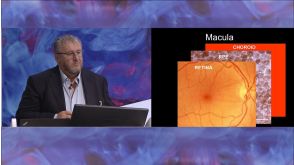
线上讲座Nature Research Round Table: Retinal Cell Therapy Using Human Embryonic Stem Cells发布日期: 11/01/2019
19:35
线上讲座Nature Research Round Table: Retinal Cell Therapy Using Human Embryonic Stem Cells发布日期: 11/01/2019
 沪公网安备31010102008431号