Lawn S et al. (FEB 2015)
The Journal of biological chemistry 290 6 3814--24
Neurotrophin signaling via TrkB and TrkC receptors promotes the growth of brain tumor-initiating cells.
Neurotrophins and their receptors are frequently expressed in malignant gliomas,yet their functions are largely unknown. Previously,we have shown that p75 neurotrophin receptor is required for glioma invasion and proliferation. However,the role of Trk receptors has not been examined. In this study,we investigated the importance of TrkB and TrkC in survival of brain tumor-initiating cells (BTICs). Here,we show that human malignant glioma tissues and also tumor-initiating cells isolated from fresh human malignant gliomas express the neurotrophin receptors TrkB and TrkC,not TrkA,and they also express neurotrophins NGF,BDNF,and neurotrophin 3 (NT3). Specific activation of TrkB and TrkC receptors by ligands BDNF and NT3 enhances tumor-initiating cell viability through activation of ERK and Akt pathways. Conversely,TrkB and TrkC knockdown or pharmacologic inhibition of Trk signaling decreases neurotrophin-dependent ERK activation and BTIC growth. Further,pharmacological inhibition of both ERK and Akt pathways blocked BDNF,and NT3 stimulated BTIC survival. Importantly,attenuation of BTIC growth by EGFR inhibitors could be overcome by activation of neurotrophin signaling,and neurotrophin signaling is sufficient for long term BTIC growth as spheres in the absence of EGF and FGF. Our results highlight a novel role for neurotrophin signaling in brain tumor and suggest that Trks could be a target for combinatorial treatment of malignant glioma.
View Publication
产品类型:
产品号#:
05750
05751
产品名:
NeuroCult™ NS-A 基础培养基(人)
NeuroCult™ NS-A 扩增试剂盒(人)
Lu J et al. (APR 2017)
Journal of biomedical materials research. Part A 105 4 1094--1104
Interactions of human embryonic stem cell-derived cardiovascular progenitor cells with immobilized extracellular matrix proteins.
Human embryonic stem cell-derived cardiovascular progenitor cells (hESC-CVPCs) hold great promise for cell-based therapies of heart diseases. However,little is known about their niche microenvironment and in particular the required extracellular matrix (ECM) components. Here we screened combinations of surface-immobilized ECM proteins to identify substrates that support the attachment and survival of hESC-CVPCs. Covalent immobilization of ECM proteins laminin (Lm),fibronectin (Fn),collagen I (CI),collagen III (CIII),and collagen IV (CIV) in multiple combinations and concentrations was achieved by reductive amination on transparent acetaldehyde plasma polymer (AAPP) interlayer coatings. We identified that CI,CIII,CIV,and Fn and their combinations were important for hESC-CVPC attachment and survival,while Lm was dispensable. Moreover,for coatings displaying single ECM proteins,CI and CIII performed better than CIV and Fn,while coatings displaying the combined ECM proteins CIII + CIV and Fn + CIII + CIV at 100 µg/mL were comparable to Matrigel in regard to supporting hESC-CVPC attachment and viability. Our results identify ECM proteins required for hESC-CVPCs and demonstrate that coatings displaying multiple immobilized ECM proteins offer a suitable microenvironment for the attachment and survival of hESC-CVPCs. This knowledge contributes to the development of approaches for maintaining hESC-CVPCs and therefore to advances in cardiovascular regeneration. textcopyright 2017 Wiley Periodicals,Inc. J Biomed Mater Res Part A: 105A: 1094-1104,2017.
View Publication
产品类型:
产品号#:
85850
85857
产品名:
mTeSR™1
mTeSR™1
Marzaioli V et al. ( 2017)
Blood 130 15 1734--1745
NOX5 and p22phox are 2 novel regulators of human monocytic differentiation into dendritic cells.
Dendritic cells (DCs) are a heterogeneous population of professional antigen-presenting cells and are key cells of the immune system,acquiring different phenotypes in accordance with their localization during the immune response. A subset of inflammatory DCs is derived from circulating monocytes (Mo) and has a key role in inflammation and infection. The pathways controlling Mo-DC differentiation are not fully understood. Our objective was to investigate the possible role of nicotinamide adenine dinucleotide phosphate reduced form oxidases (NOXs) in Mo-DC differentiation. In this study,we revealed that Mo-DC differentiation was inhibited by NOX inhibitors and reactive oxygen species scavengers. We show that the Mo-DC differentiation was dependent on p22phox,and not on gp91phox/NOX2,as shown by the reduced Mo-DC differentiation observed in chronic granulomatous disease patients lacking p22phox. Moreover,we revealed that NOX5 expression was strongly increased during Mo-DC differentiation,but not during Mo-macrophage differentiation. NOX5 was expressed in circulating myeloid DC,and at a lower level in plasmacytoid DC. Interestingly,NOX5 was localized at the outer membrane of the mitochondria and interacted with p22phox in Mo-DC. Selective inhibitors and small interfering RNAs for NOX5 indicated that NOX5 controlled Mo-DC differentiation by regulating the JAK/STAT/MAPK and NFκB pathways. These data demonstrate that the NOX5-p22phox complex drives Mo-DC differentiation,and thus could be critical for immunity and inflammation.
View Publication
产品类型:
产品号#:
19061
19061RF
19062
19062RF
19359
19359RF
100-0697
产品名:
EasySep™人髓样DC富集试剂盒
RoboSep™ 人髓样DC富集试剂盒
EasySep™人浆细胞样DC富集试剂盒
RoboSep™ 人浆细胞样DC富集试剂盒含滤芯吸头
EasySep™人单核细胞分选试剂盒
RoboSep™ 人单核细胞分选试剂盒
EasySep™人单核细胞分选试剂盒
Shikotra A et al. ( 2017)
Journal of immunology (Baltimore,Md. : 1950) 198 8 3307--3317
A CEACAM6-High Airway Neutrophil Phenotype and CEACAM6-High Epithelial Cells Are Features of Severe Asthma.
Severe asthma represents a major unmet clinical need; understanding the pathophysiology is essential for the development of new therapies. Using microarray analysis,we previously found three immunological clusters in asthma: Th2-high,Th17-high,and Th2/17-low. Although new therapies are emerging for Th2-high disease,identifying molecular pathways in Th2-low disease remains an important goal. Further interrogation of our previously described microarray dataset revealed upregulation of gene expression for carcinoembryonic Ag cell adhesion molecule (CEACAM) family members in the bronchi of patients with severe asthma. Our aim was therefore to explore the distribution and cellular localization of CEACAM6 using immunohistochemistry on bronchial biopsy tissue obtained from patients with mild-to-severe asthma and healthy control subjects. Human bronchial epithelial cells were used to investigate cytokine and corticosteroid in vitro regulation of CEACAM6 gene expression. CEACAM6 protein expression in bronchial biopsies was increased in airway epithelial cells and lamina propria inflammatory cells in severe asthma compared with healthy control subjects. CEACAM6 in the lamina propria was localized to neutrophils predominantly. Neutrophil density in the bronchial mucosa was similar across health and the spectrum of asthma severity,but the percentage of neutrophils expressing CEACAM6 was significantly increased in severe asthma,suggesting the presence of an altered neutrophil phenotype. CEACAM6 gene expression in cultured epithelial cells was upregulated by wounding and neutrophil elastase. In summary,CEACAM6 expression is increased in severe asthma and primarily associated with airway epithelial cells and tissue neutrophils. CEACAM6 may contribute to the pathology of treatment-resistant asthma via neutrophil and airway epithelial cell-dependent pathways.
View Publication
产品类型:
产品号#:
05001
05021
05022
产品名:
PneumaCult™-ALI 培养基
PneumaCult™-ALI 培养基含12 mm Transwell®插件
PneumaCult™-ALI 培养基含6.5 mm Transwell®插件
Hossain DMS et al. (AUG 2015)
Clinical cancer research : an official journal of the American Association for Cancer Research 21 16 3771--82
TLR9-Targeted STAT3 Silencing Abrogates Immunosuppressive Activity of Myeloid-Derived Suppressor Cells from Prostate Cancer Patients.
PURPOSE Recent advances in immunotherapy of advanced human cancers underscored the need to address and eliminate tumor immune evasion. The myeloid-derived suppressor cells (MDSC) are important inhibitors of T-cell responses in solid tumors,such as prostate cancers. However,targeting MDSCs proved challenging due to their phenotypic heterogeneity. EXPERIMENTAL DESIGN Myeloid cell populations were evaluated using flow cytometry on blood samples,functional assays,and immunohistochemical/immunofluorescent stainings on specimens from healthy subjects,localized and metastatic castration-resistant prostate cancer patients. RESULTS Here,we identify a population of Lin(-)CD15(HI)CD33(LO) granulocytic MDSCs that accumulate in patients' circulation during prostate cancer progression from localized to metastatic disease. The prostate cancer-associated MDSCs potently inhibit autologous CD8(+) T cells' proliferation and production of IFNγ and granzyme-B. The circulating MDSCs have high levels of activated STAT3,which is a central immune checkpoint regulator. The granulocytic pSTAT3(+) cells are also detectable in patients' prostate tissues. We previously generated an original strategy to silence genes specifically in Toll-like Receptor-9 (TLR9) positive myeloid cells using CpG-siRNA conjugates. We demonstrate that human granulocytic MDSCs express TLR9 and rapidly internalize naked CpG-STAT3siRNA,thereby silencing STAT3 expression. STAT3 blocking abrogates immunosuppressive effects of patients-derived MDSCs on effector CD8(+) T cells. These effects depended on reduced expression and enzymatic activity of Arginase-1,a downstream STAT3 target gene and a potent T-cell inhibitor. CONCLUSIONS Overall,we demonstrate the accumulation of granulocytic MDSCs with prostate cancer progression and the feasibility of using TLR9-targeted STAT3siRNA delivery strategy to alleviate MDSC-mediated immunosuppression.
View Publication
产品类型:
产品号#:
07933
07953
07949
产品名:
CryoStor®CS5
CryoStor®CS5
CryoStor®CS5
Wergedal JE et al. (JAN 1992)
Metabolism: clinical and experimental 41 1 42--8
Differentiation of normal human bone cells by transforming growth factor-beta and 1,25(OH)2 vitamin D3.
To investigate the role of transforming growth factor-beta 1 (TGF beta) in bone metabolism,the effects of this agent on the differentiation characteristics of human bone cells were studied in vitro. Human bone cells were isolated from femoral head samples by collagenase digestion. Differentiation characteristics included alkaline phosphatase activity,osteocalcin production,and mRNA levels for alkaline phosphatase,type I alpha 2-procollagen,and osteocalcin. The effect of TGF beta on alkaline phosphatase was not constant,but varied with the incubation conditions. At high cell density and in the presence of serum,TGF beta decreased alkaline phosphatase activity. However,at low cell density and under serum-free conditions,TGF beta stimulated alkaline phosphatase activity. The addition of 1,25(OH)2 vitamin D3 also stimulated alkaline phosphatase. The combination of the two agents gave a greater increase in activity than the sum of the activities when the two agents were given alone. The percentage of cells that stain positively for alkaline phosphatase changed in parallel with the change in specific activity. The percentage of positive cells increased from 17% to 64%,while the specific activity increased from 22 to 169 mU/mg protein. To investigate the mechanism of this stimulation,mRNA levels were measured at 24 hours. Individually,TGF beta and 1,25(OH)2D3 increased message levels for alkaline phosphatase and type I procollagen,but the greatest effect was produced by the combination of the two factors. 1,25(OH)2D3 increased osteocalcin mRNA levels,but TGF beta markedly inhibited this stimulation. TGF beta also inhibited production of osteocalcin by the human bone cells. TGF beta appears to modulate differentiation of human bone cells in combination with 1,25(OH)2D3 and other factors.
View Publication
产品类型:
产品号#:
72412
产品名:
骨化三醇(Calcitriol)
Balakrishnan K et al. (OCT 2006)
Blood 108 7 2392--8
Forodesine, an inhibitor of purine nucleoside phosphorylase, induces apoptosis in chronic lymphocytic leukemia cells.
Purine nucleoside phosphorylase (PNP) deficiency in humans results in T lymphocytopenia. Forodesine,a potent inhibitor of PNP,was designed based on the transition-state structure stabilized by the enzyme. Previous studies established that forodesine in the presence of deoxyguanosine (dGuo) inhibits the proliferation of T lymphocytes. A phase 1 clinical trial of forodesine in T-cell malignancies demonstrated significant antileukemic activity with an increase in intracellular dGuo triphosphate (dGTP). High accumulation of dGTP in T cells may be dependent on the levels of deoxynucleoside kinases. Because B-cell chronic lymphocytic leukemia (B-CLL) cells have high activity of deoxycytidine kinase (dCK),we hypothesized that these lymphocytes would respond to forodesine. This postulate was tested in primary lymphocytes during in vitro investigations. Lymphocytes from 12 patients with CLL were incubated with forodesine and dGuo. These CLL cells showed a wide variation in the accumulation of intracellular dGTP without any effect on other deoxynucleotides. This was associated with DNA damage-induced p53 stabilization,phosphorylation of p53 at Ser15,and activation of p21. The dGTP accumulation was related to induction of apoptosis measured by caspase activation,changes in mitochondrial membrane potential,and PARP cleavage. Based on these data,a phase 2 clinical trial of forodesine has been initiated for CLL patients.
View Publication
产品类型:
产品号#:
19051
19051RF
19054
19054RF
产品名:
EasySep™人T细胞富集试剂盒
RoboSep™ 人T细胞富集试剂盒含滤芯吸头
EasySep™人B细胞富集试剂盒
RoboSep™ 人B细胞富集试剂盒含滤芯吸头
Imbert A-M et al. (OCT 2006)
Blood 108 8 2578--86
CD99 expressed on human mobilized peripheral blood CD34+ cells is involved in transendothelial migration.
Hematopoietic progenitor cell trafficking is an important phenomenon throughout life. It is thought to occur in sequential steps,similar to what has been described for mature leukocytes. Molecular actors have been identified for each step of leukocyte migration; recently,CD99 was shown to play a part during transendothelial migration. We explored the expression and role of CD99 on human hematopoietic progenitors. We demonstrate that (1) CD34+ cells express CD99,albeit with various intensities; (2) subsets of CD34+ cells with high or low levels of CD99 expression produce different numbers of erythroid,natural killer (NK),or dendritic cells in the in vitro differentiation assays; (3) the level of CD99 expression is related to the ability to differentiate toward B cells; (4) CD34+ cells that migrate through an endothelial monolayer in response to SDF-1alpha and SCF display the highest level of CD99 expression; (5) binding of a neutralizing antibody to CD99 partially inhibits transendothelial migration of CD34+ progenitors in an in vitro assay; and (6) binding of a neutralizing antibody to CD99 reduces homing of CD34+ progenitors xenotransplanted in NOD-SCID mice. We conclude that expression of CD99 on human CD34+ progenitors has functional significance and that CD99 may be involved in transendothelial migration of progenitors.
View Publication
产品类型:
产品号#:
01700
01705
04230
01702
产品名:
ALDEFLUOR™ 试剂盒
ALDEFLUOR™ DEAB试剂
MethoCult™H4230
ALDEFLUOR™测定缓冲液
Tan J et al. (MAY 2007)
Genes & development 21 9 1050--63
Pharmacologic disruption of Polycomb-repressive complex 2-mediated gene repression selectively induces apoptosis in cancer cells.
Polycomb-repressive complex 2 (PRC2)-mediated histone methylation plays an important role in aberrant cancer gene silencing and is a potential target for cancer therapy. Here we show that S-adenosylhomocysteine hydrolase inhibitor 3-Deazaneplanocin A (DZNep) induces efficient apoptotic cell death in cancer cells but not in normal cells. We found that DZNep effectively depleted cellular levels of PRC2 components EZH2,SUZ12,and EED and inhibited associated histone H3 Lys 27 methylation (but not H3 Lys 9 methylation). By integrating RNA interference (RNAi),genome-wide expression analysis,and chromatin immunoprecipitation (ChIP) studies,we have identified a prominent set of genes selectively repressed by PRC2 in breast cancer that can be reactivated by DZNep. We further demonstrate that the preferential reactivation of a set of these genes by DZNep,including a novel apoptosis affector,FBXO32,contributes to DZNep-induced apoptosis in breast cancer cells. Our results demonstrate the unique feature of DZNep as a novel chromatin remodeling compound and suggest that pharmacologic reversal of PRC2-mediated gene repression by DZNep may constitute a novel approach for cancer therapy.
View Publication
产品类型:
产品号#:
72322
72324
产品名:
3-Deazaneplanocin A
3-Deazaneplanocin A
Logie L et al. ( 2007)
Diabetes 56 9 2218--2227
Characterization of a protein kinase B inhibitor in vitro and in insulin-treated liver cells.
OBJECTIVE: Abnormal expression of the hepatic gluconeogenic genes (glucose-6-phosphatase [G6Pase] and PEPCK) contributes to hyperglycemia. These genes are repressed by insulin,but this process is defective in diabetic subjects. Protein kinase B (PKB) is implicated in this action of insulin. An inhibitor of PKB,Akt inhibitor (Akti)-1/2,was recently reported; however,the specificity and efficacy against insulin-induced PKB was not reported. Our aim was to characterize the specificity and efficacy of Akti-1/2 in cells exposed to insulin and then establish whether inhibition of PKB is sufficient to prevent regulation of hepatic gene expression by insulin. RESEARCH DESIGN AND METHODS: Akti-1/2 was assayed against 70 kinases in vitro and its ability to block PKB activation in cells exposed to insulin fully characterized. RESULTS: Akti-1/2 exhibits high selectivity toward PKBalpha and PKBbeta. Complete inhibition of PKB activity is achieved in liver cells incubated with 1-10 mumol/l Akti-1/2,and this blocks insulin regulation of PEPCK and G6Pase expression. Our data demonstrate that only 5-10% of maximal insulin-induced PKB is required to fully repress PEPCK and G6Pase expression. Finally,we demonstrate reduced insulin sensitivity of these gene promoters in cells exposed to submaximal concentrations of Akti-1/2; however,full repression of the genes can still be achieved by high concentrations of insulin. CONCLUSIONS: This work establishes the requirement for PKB activity in the insulin regulation of PEPCK,G6Pase,and a third insulin-regulated gene,IGF-binding protein-1 (IGFBP1); suggests a high degree of functional reserve; and identifies Akti-1/2 as a useful tool to delineate PKB function in the liver.
View Publication
产品类型:
产品号#:
72942
72944
产品名:
AKT抑制剂VIII
AKT抑制剂VIII
Kanazawa I et al. (JAN 2007)
BMC cell biology 8 51
Adiponectin and AMP kinase activator stimulate proliferation, differentiation, and mineralization of osteoblastic MC3T3-E1 cells.
BACKGROUND Adiponectin is a key mediator of the metabolic syndrome that is caused by visceral fat accumulation. Adiponectin and its receptors are known to be expressed in osteoblasts,but their actions with regard to bone metabolism are still unclear. In this study,we investigated the effects of adiponectin on the proliferation,differentiation,and mineralization of osteoblastic MC3T3-E1 cells. RESULTS Adiponectin receptor type 1 (AdipoR1) mRNA was detected in the cells by RT-PCR. The adenosine monophosphate-activated protein kinase (AMP kinase) was phosphorylated by both adiponectin and a pharmacological AMP kinase activator,5-amino-imidazole-4-carboxamide-riboside (AICAR),in the cells. AdipoR1 small interfering RNA (siRNA) transfection potently knocked down the receptor mRNA,and the effect of this knockdown persisted for as long as 10 days after the transfection. The transfected cells showed decreased expressions of type I collagen and osteocalcin mRNA,as determined by real-time PCR,and reduced ALP activity and mineralization,as determined by von Kossa and Alizarin red stainings. In contrast,AMP kinase activation by AICAR (0.01-0.5 mM) in wild-type MC3T3-E1 cells augmented their proliferation,differentiation,and mineralization. BrdU assay showed that the addition of adiponectin (0.01-1.0 mug/ml) also promoted their proliferation. Osterix,but not Runx-2,appeared to be involved in these processes because AdipoR1 siRNA transfection and AICAR treatments suppressed and enhanced osterix mRNA expression,respectively. CONCLUSION Taken together,this study suggests that adiponectin stimulates the proliferation,differentiation,and mineralization of osteoblasts via the AdipoR1 and AMP kinase signaling pathways in autocrine and/or paracrine fashions.
View Publication


 EasySep™小鼠TIL(CD45)正选试剂盒




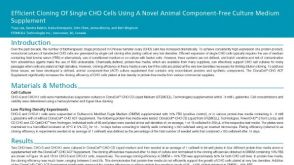 科学海报Efficient Cloning of Single CHO Cells Using a Novel Animal Component-Free Culture Medium Supplement

 沪公网安备31010102008431号