Agosti V et al. (MAR 2004)
The Journal of experimental medicine 199 6 867--78
Critical role for Kit-mediated Src kinase but not PI 3-kinase signaling in pro T and pro B cell development.
The Kit receptor functions in hematopoiesis,lymphocyte development,gastrointestinal tract motility,melanogenesis,and gametogenesis. To investigate the roles of different Kit signaling pathways in vivo,we have generated knock-in mice in which docking sites for PI 3-kinase (KitY719) or Src kinase (KitY567) have been mutated. Whereas steady-state hematopoiesis is normal in KitY719F/Y719F and KitY567F/Y567F mice,lymphopoiesis is affected differentially. The KitY567F mutation,but not the KitY719F mutation,blocks pro T cell and pro B cell development in an age-dependent manner. Thus,the Src family kinase,but not the PI 3-kinase docking site in Kit,mediates a critical signal for lymphocyte development. In agreement with these results,treatment of normal mice with the Kit tyrosine kinase inhibitor imatinib (Gleevec) leads to deficits in pro T and pro B cell development,similar to those seen in KitY567F/Y567F and KitW/W mice. The two mutations do not affect embryonic gametogenesis but the KitY719F mutation blocks spermatogenesis at the spermatogonial stages and in contrast the KitY567F mutation does not affect this process. Therefore,Kit-mediated PI 3-kinase signaling and Src kinase family signaling is highly specific for different cellular contexts in vivo.
View Publication
产品类型:
产品号#:
09600
09650
产品名:
StemSpan™ SFEM
StemSpan™ SFEM
Feldmann G et al. (MAR 2007)
Cancer research 67 5 2187--96
Blockade of hedgehog signaling inhibits pancreatic cancer invasion and metastases: a new paradigm for combination therapy in solid cancers.
In the context of pancreatic cancer,metastasis remains the most critical determinant of resectability,and hence survival. The objective of this study was to determine whether Hedgehog (Hh) signaling plays a role in pancreatic cancer invasion and metastasis because this is likely to have profound clinical implications. In pancreatic cancer cell lines,Hh inhibition with cyclopamine resulted in down-regulation of snail and up-regulation of E-cadherin,consistent with inhibition of epithelial-to-mesenchymal transition,and was mirrored by a striking reduction of in vitro invasive capacity (P textless 0.0001). Conversely,Gli1 overexpression in immortalized human pancreatic ductal epithelial cells led to a markedly invasive phenotype (P textless 0.0001) and near total down-regulation of E-cadherin. In an orthotopic xenograft model,cyclopamine profoundly inhibited metastatic spread; only one of seven cyclopamine-treated mice developed pulmonary micrometastases versus seven of seven mice with multiple macrometastases in control animals. Combination of gemcitabine and cyclopamine completely abrogated metastases while also significantly reducing the size of primary" tumors. Gli1 levels were up-regulated in tissue samples of metastatic human pancreatic cancer samples compared with matched primary tumors. Aldehyde dehydrogenase (ALDH) overexpression is characteristic for both hematopoietic progenitors and leukemic stem cells; cyclopamine preferentially reduced "ALDH-high" cells by approximately 3-fold (P = 0.048). We confirm pharmacologic Hh pathway inhibition as a valid therapeutic strategy for pancreatic cancer and show for the first time its particular efficacy against metastatic spread. By targeting specific cellular subpopulations likely involved in tumor initiation at metastatic sites�
View Publication
产品类型:
产品号#:
01700
01702
01705
产品名:
ALDEFLUOR™ 试剂盒
ALDEFLUOR™测定缓冲液
ALDEFLUOR™ DEAB试剂
F. Ye et al. (Feb 2025)
Frontiers in Immunology 16
AWT020: a novel fusion protein harnessing PD-1 blockade and selective IL-2 Cis-activation for enhanced anti-tumor immunity and diminished toxicity
The clinical success of the immune checkpoint inhibitor (ICI) targeting programmed cell death protein 1 (PD-1) has revolutionized cancer treatment. However,the full potential of PD-1 blockade therapy remains unrealized,as response rates are still low across many cancer types. Interleukin-2 (IL-2)-based immunotherapies hold promise,as they can stimulate robust T cell expansion and enhance effector function - activities that could synergize potently with PD-1 blockade. Yet,IL-2 therapies also carry a significant drawback: they can trigger severe systemic toxicities and induce immune suppression by expanding regulatory T cells. To overcome the challenges of PD-1 blockade and IL-2 therapies while enhancing safety and efficacy,we have engineered a novel fusion protein,AWT020,combining a humanized anti-PD-1 nanobody and an engineered IL-2 mutein (IL-2c). The IL-2c component of AWT020 has been engineered to exhibit no binding to the IL-2 receptor alpha (IL-2Rα) subunit and attenuated affinity for the IL-2 receptor beta and gamma (IL-2Rβγ) complex,aiming to reduce systemic immune cell activation,thereby mitigating the severe toxicity often associated with IL-2 therapies. The anti-PD-1 antibody portion of AWT020 serves a dual purpose: it precisely delivers the IL-2c payload to tumor-infiltrating T cells while blocking the immune-inhibitory signals mediated by the PD-1 pathway. AWT020 showed significantly enhanced pSTAT5 signaling in PD-1 expressing cells and promoted the proliferation of activated T cells over natural killer (NK) cells. In preclinical studies using both anti-PD-1-sensitive and -resistant mouse tumor models,the mouse surrogate of AWT020 (mAWT020) demonstrated markedly enhanced anti-tumor efficacy compared to an anti-PD-1 antibody,IL-2,or the combination of an anti-PD-1 antibody and IL-2. In addition,the mAWT020 treatment was well-tolerated,with minimal signs of toxicity. Immune profiling revealed that mAWT020 preferentially expands CD8 + T cells within tumors,sparing peripheral T and NK cells. Notably,this selective tumoral T-cell stimulation enables potent tumor-specific T-cell responses,underscoring the molecule’s enhanced efficacy and safety. The AWT020 fusion protein offers a promising novel immunotherapeutic strategy by integrating PD-1 blockade and IL-2 signaling,conferring enhanced anti-tumor activity with reduced toxicity.
View Publication
产品类型:
产品号#:
100-0784
10971
10991
产品名:
ImmunoCult™ 人CD3/CD28 T细胞激活剂
ImmunoCult™ 人CD3/CD28 T细胞激活剂
ImmunoCult™ 人CD3/CD28 T细胞激活剂
Tan WL et al. (JAN 2017)
Cardiovascular Research 113 3 298--309
A landscape of circular RNA expression in the human heart
AIMS: Circular RNA (circRNA) is a newly validated class of single-stranded RNA,ubiquitously expressed in mammalian tissues and possessing key functions including acting as microRNA sponges and as transcriptional regulators by binding to RNA-binding proteins. While independent studies confirm the expression of circRNA in various tissue types,genome-wide circRNA expression in the heart has yet to be described in detail. METHODS AND RESULTS: We performed deep RNA-sequencing on ribosomal-depleted RNA isolated from 12 human hearts,25 mouse hearts and across a 28-day differentiation time-course of human embryonic stem cell-derived cardiomyocytes. Using purpose-designed bioinformatics tools,we uncovered a total of 15 318 and 3017 cardiac circRNA within human and mouse,respectively. Their abundance generally correlates with the abundance of their cognate linear RNA,but selected circRNAs exist at disproportionately higher abundance. Top highly expressed circRNA corresponded to key cardiac genes including Titin (TTN),RYR2,and DMD. The most abundant cardiac-expressed circRNA is a cytoplasmic localized single-exon circSLC8A1-1. The longest human transcript TTN alone generates up to 415 different exonic circRNA isoforms,the majority (83%) of which originates from the I-band domain. Finally,we confirmed the expression of selected cardiac circRNA by RT-PCR,Sanger sequencing and single molecule RNA-fluorescence in situ hybridization. CONCLUSIONS: Our data provide a detailed circRNA expression landscape in hearts. There is a high-abundance of specific cardiac-expressed circRNA. These findings open up a new avenue for future investigation into this emerging class of RNA.
View Publication
产品类型:
产品号#:
85850
85857
产品名:
mTeSR™1
mTeSR™1
Chen S et al. (AUG 2007)
Journal of immunology (Baltimore,Md. : 1950) 179 3 1634--47
Modulatory effects of 1,25-dihydroxyvitamin D3 on human B cell differentiation.
1,25-Dihydroxyvitamin D(3) (1,25(OH)(2)D(3)) can modulate immune responses,but whether it directly affects B cell function is unknown. Patients with systemic lupus erythematosus,especially those with antinuclear Abs and increased disease activity,had decreased 1,25(OH)(2)D(3) levels,suggesting that vitamin D might play a role in regulating autoantibody production. To address this,we examined the effects of 1,25(OH)(2)D(3) on B cell responses and found that it inhibited the ongoing proliferation of activated B cells and induced their apoptosis,whereas initial cell division was unimpeded. The generation of plasma cells and postswitch memory B cells was significantly inhibited by 1,25(OH)(2)D(3),although the up-regulation of genetic programs involved in B cell differentiation was only modestly affected. B cells expressed mRNAs for proteins involved in vitamin D activity,including 1 alpha-hydroxylase,24-hydroxylase,and the vitamin D receptor,each of which was regulated by 1,25(OH)(2)D(3) and/or activation. Importantly,1,25(OH)(2)D(3) up-regulated the expression of p27,but not of p18 and p21,which may be important in regulating the proliferation of activated B cells and their subsequent differentiation. These results indicate that 1,25(OH)(2)D(3) may play an important role in the maintenance of B cell homeostasis and that the correction of vitamin D deficiency may be useful in the treatment of B cell-mediated autoimmune disorders.
View Publication
产品类型:
产品号#:
15024
15064
产品名:
RosetteSep™ 人B细胞富集抗体混合物
RosetteSep™人B细胞富集抗体混合物
Heintzman ND et al. (MAY 2009)
Nature 459 7243 108--12
Histone modifications at human enhancers reflect global cell-type-specific gene expression.
The human body is composed of diverse cell types with distinct functions. Although it is known that lineage specification depends on cell-specific gene expression,which in turn is driven by promoters,enhancers,insulators and other cis-regulatory DNA sequences for each gene,the relative roles of these regulatory elements in this process are not clear. We have previously developed a chromatin-immunoprecipitation-based microarray method (ChIP-chip) to locate promoters,enhancers and insulators in the human genome. Here we use the same approach to identify these elements in multiple cell types and investigate their roles in cell-type-specific gene expression. We observed that the chromatin state at promoters and CTCF-binding at insulators is largely invariant across diverse cell types. In contrast,enhancers are marked with highly cell-type-specific histone modification patterns,strongly correlate to cell-type-specific gene expression programs on a global scale,and are functionally active in a cell-type-specific manner. Our results define over 55,000 potential transcriptional enhancers in the human genome,significantly expanding the current catalogue of human enhancers and highlighting the role of these elements in cell-type-specific gene expression.
View Publication
产品类型:
产品号#:
85850
85857
产品名:
mTeSR™1
mTeSR™1
Swift S et al. (MAY 2010)
Blood 115 21 4254--63
Absence of functional EpoR expression in human tumor cell lines.
Certain oncology trials showed worse clinical outcomes in the erythropoiesis-stimulating agent (ESA) arm. A potential explanation was that ESA-activated erythropoietin (Epo) receptors (EpoRs) promoted tumor cell growth. Although there were supportive data from preclinical studies,those findings often used invalidated reagents and methodologies and were in conflict with other studies. Here,we further investigate the expression and function of EpoR in tumor cell lines. EpoR mRNA levels in 209 human cell lines representing 16 tumor types were low compared with ESA-responsive positive controls. EpoR protein production was evaluated in a subset of 66 cell lines using a novel anti-EpoR antibody. EpoR(+) control cells had an estimated 10 000 to 100 000 EpoR dimers/cell. In contrast,54 of 61 lines had EpoR protein levels lower than 100 dimers/cell. Cell lines with the highest EpoR protein levels (400-3200 dimers/cell) were studied further,and,although one line,NCI-H661,bound detectable levels of [(125)I]-recombinant human Epo (rHuEpo),none showed evidence of ESA-induced EpoR activation. There was no increased phosphorylation of STAT5,AKT,ERK,or S6RP with rHuEpo. In addition,EpoR knockdown with siRNAs did not affect viability in 2 cell lines previously reported to express functional EpoR (A2780 and SK-OV-3). These results conflict with the hypothesis that EpoR is functionally expressed in tumors.
View Publication
产品类型:
产品号#:
02690
09600
09650
产品名:
StemSpan™CC100
StemSpan™ SFEM
StemSpan™ SFEM
Strö et al. (APR 2010)
In vitro cellular & developmental biology. Animal 46 3-4 337--344
Derivation of 30 human embryonic stem cell lines-improving the quality
We have derived 30 human embryonic stem cell lines from supernumerary blastocysts in our laboratory. During the derivation process,we have studied new and safe method to establish good quality lines. All our human embryonic stem cell lines have been derived using human foreskin fibroblasts as feeder cells. The 26 more recent lines were derived in a medium containing serum replacement instead of fetal calf serum. Mechanical isolation of the inner cell mass using flexible metal needles was used in deriving the 10 latest lines. The lines are karyotypically normal,but culture adaptation in two lines has been observed. Our human embryonic stem cell lines are banked,and they are available for researchers.
View Publication
产品类型:
产品号#:
07913
85850
85857
产品名:
Dispase(5 U/mL)
mTeSR™1
mTeSR™1
Linta L et al. (JUL 2013)
Annals of anatomy = Anatomischer Anzeiger : official organ of the Anatomische Gesellschaft 195 4 303--311
Calcium activated potassium channel expression during human iPS cell-derived neurogenesis.
The family of calcium activated potassium channels of low and intermediate conductance,known as SK channels,consists of four members (SK1-4). These channels are widely expressed throughout the organism and involved in various cellular processes,such as the afterhyperpolarization in excitable cells but also in differentiation processes of various tissues. To date,the role of SK channels in developmental processes has been merely a marginal focus of investigation,although it is well accepted that cell differentiation and maturation affect the expression patterns of certain ion channels. Recently,several studies from our laboratory delineated the influence of SK channel expression and their respective activity on cytoskeletal reorganization in neural and pluripotent stem cells and regulation of cell fate determination toward the cardiac lineage in human and mouse pluripotent stem cells. Herein,we have now analyzed SK channel expression patterns and distribution at various stages of human induced pluripotent stem cell-derived neurogenesis particularly focusing on undifferentiated iPS cells,neural progenitors and mature neurons. All family members could be detected starting at the iPS cell level and were differentially expressed during the subsequent maturation process. Intriguingly,we found obvious discrepancies between mRNA and protein expression pointing toward a complex regulatory mechanism. Inhibition of SK channels with either apamin or clotrimazol did not have any significant effects on the speed or amount of neurogenesis in vitro. The abundance and specific regulation of SK channel expression during iPS cell differentiation indicates distinct roles of these ion channels not only for the cardiac but also for neuronal cell differentiation and in vitro neurogenesis. ?? 2013 Elsevier GmbH.
View Publication
产品类型:
产品号#:
85850
85857
产品名:
mTeSR™1
mTeSR™1
Gu Y et al. (JAN 2014)
Protein & Cell 5 1 59--68
Global DNA methylation and transcriptional analyses of human ESC-derived cardiomyocytes
With defined culture protocol,human embryonic stem cells (hESCs) are able to generate cardiomyocytes in vitro,therefore providing a great model for human heart development,and holding great potential for cardiac disease therapies. In this study,we successfully generated a highly pure population of human cardiomyocytes (hCMs) (backslashtextgreater95% cTnT+) from hESC line,which enabled us to identify and characterize an hCM-specific signature,at both the gene expression and DNA methylation levels. Gene functional association network and gene-disease network analyses of these hCM-enriched genes provide new insights into the mechanisms of hCM transcriptional regulation,and stand as an informative and rich resource for investigating cardiac gene functions and disease mechanisms. Moreover,we show that cardiac-structural genes and cardiac-transcription factors have distinct epigenetic mechanisms to regulate their gene expression,providing a better understanding of how the epigenetic machinery coordinates to regulate gene expression in different cell types.
View Publication
产品类型:
产品号#:
85850
85857
产品名:
mTeSR™1
mTeSR™1
P. S. Gill et al. ( 2022)
Frontiers in immunology 13 872652
Trained Immunity Enhances Human Monocyte Function in Aging and Sepsis.
Aging plays a critical role in the incidence and severity of infection,with age emerging as an independent predictor of mortality in sepsis. Trained immunity reprograms immunocytes to respond more rapidly and effectively to pathogens and serves as a potential approach to improve immune function in aging and/or sepsis. However,there is very little data on trained immunity in the aging immune system or in the presence of sepsis. We examined the impact of ?-glucan induced innate immune training on monocytes from aging healthy humans (>60 years old) as well as sepsis patients. We observed increased metabolic capacity,upregulated cytokine secretion,increased H3K27 acetylation,and upregulation of crucial intracellular signaling pathways in trained monocytes from healthy aging subjects. The response to trained immunity in healthy aging monocytes was equivalent to the response of monocytes from younger,i.e.,18 - 59 years,individuals. Additionally,we found that trained immunity induced a unique expression pattern of cell surface markers in monocytes that was consistent across age groups. Trained monocytes from sepsis patients also displayed enhanced metabolic capacity and increased cytokine production. These results indicate that immune training can be induced in aging monocytes as well as monocytes from critically ill sepsis patients.
View Publication


 EasySep™小鼠TIL(CD45)正选试剂盒




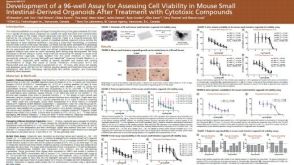 科学海报Development of a 96-well Assay for Assessing Cell Viability in Mouse Small Intestinal-Derived Organoids after Treatment with Cytotoxic Compounds

 沪公网安备31010102008431号